Information
Landmark: Old Mosque of UlcinjCity: Ulcinj
Country: Montenegro
Continent: Europe
Old Mosque of Ulcinj, Ulcinj, Montenegro, Europe
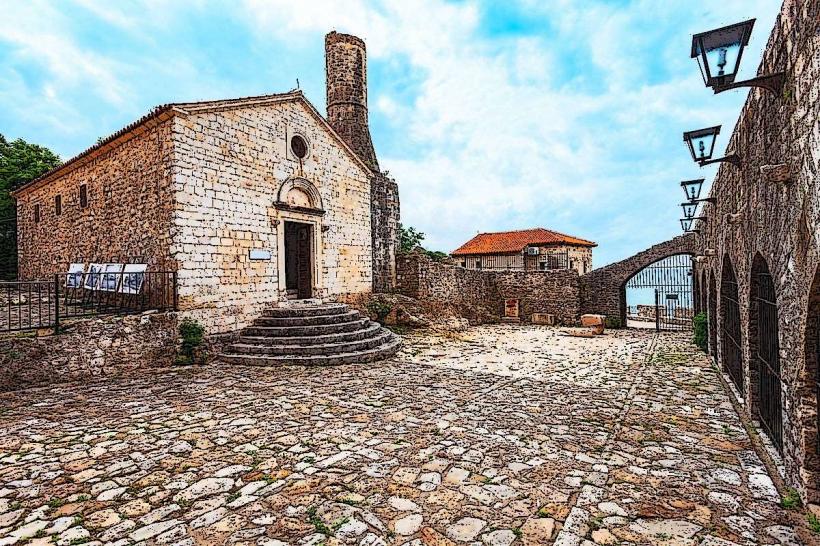
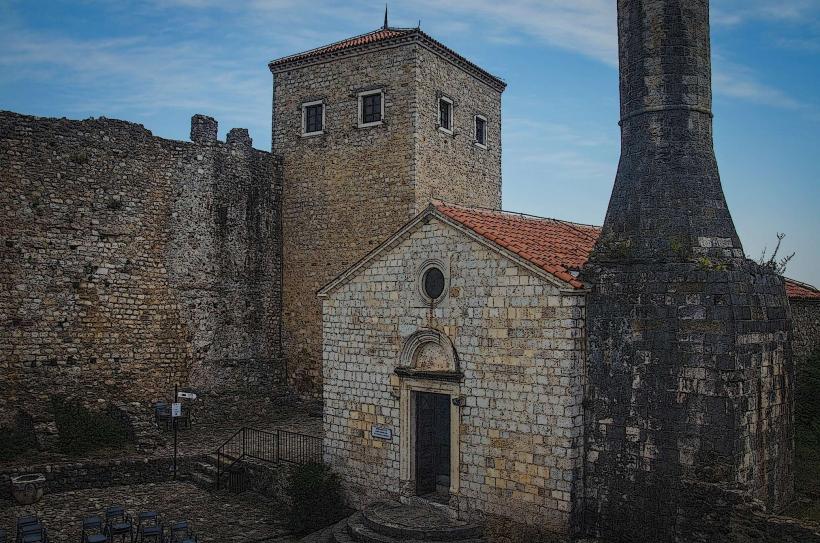
The Old Mosque of Ulcinj, also known as the Church-Mosque of Ulcinj (Xhamia e Kalasë), is a unique architectural hybrid situated at the highest point of the Ulcinj Old Town citadel. It represents the historical layering of religions and administrations that have governed the city over five centuries.
Visual Characteristics
The building is a small, rectangular stone structure that retains the proportions of a medieval chapel. Its architecture is a rare fusion: the main body features Gothic-Renaissance windows and a vaulted ceiling from its origins as a Christian church, while the exterior displays the base of a 17th-century minaret constructed from cut limestone. The interior is currently adapted as an exhibition hall, where the mihrab (prayer niche) is positioned alongside displays of ancient stone inscriptions and archaeological finds.
Location & Access Logistics
The mosque is located in the upper citadel of the Ulcinj Old Town (Stari Grad). It is part of the local museum complex, positioned directly across from the Balšić Tower. Access is strictly pedestrian through the northern "Upper Gate" of the fortress. It is a 10-minute walk from the Small Beach (Mala Plaža). Visitors should follow signs for the "Museum" or "Muzej," as it is no longer an active place of worship. An entrance fee for the museum complex is required for interior access.
Historical & Ecological Origin
The site’s evolution is a timeline of Ulcinj's history:
1510: Built as the Church of St. Mary under Venetian rule.
1571: Converted into the Imperial Mosque (Sultan Selim II Mosque) following the Ottoman conquest.
1693: The current stone minaret was added by Hadji Halil Skura, a prominent local figure.
1880: Religious function ceased when the town was liberated by the Montenegrins, eventually leading to its conversion into a museum in the 20th century.
The building sits on a resilient limestone outcrop, which helped it survive the 1979 earthquake that damaged much of the surrounding fortress.
Key Highlights & Activities
The building currently houses the Archaeological Museum of Ulcinj.
Epigraphic Collection: Displays significant stone fragments with Greek, Latin, and Arabic inscriptions.
Architecture: Visitors can observe where Ottoman masonry was grafted onto Venetian stone.
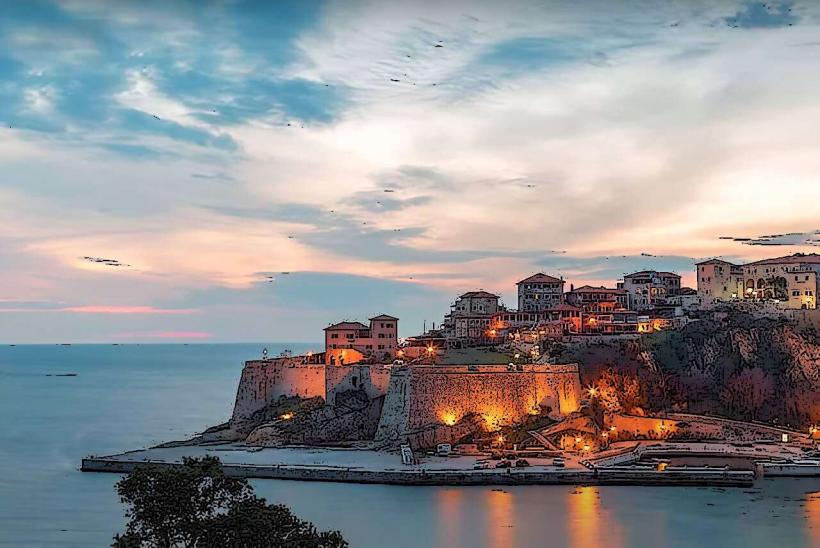
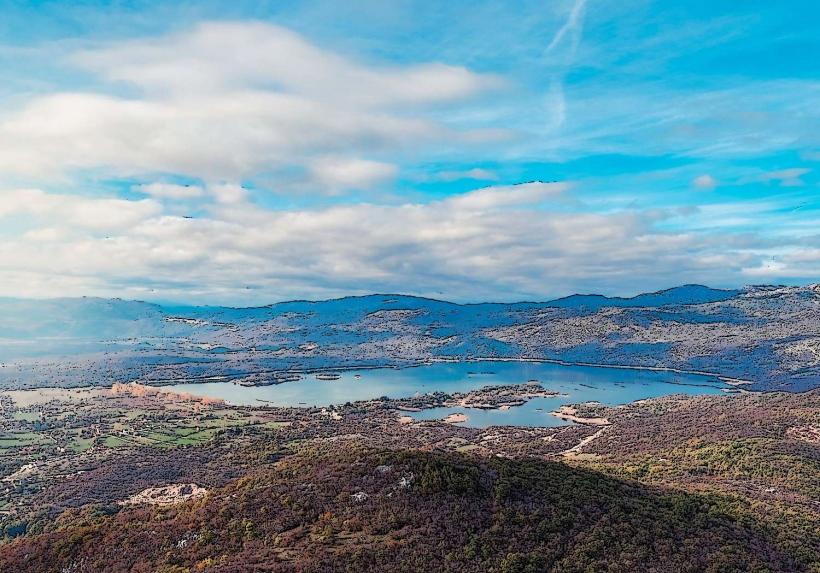
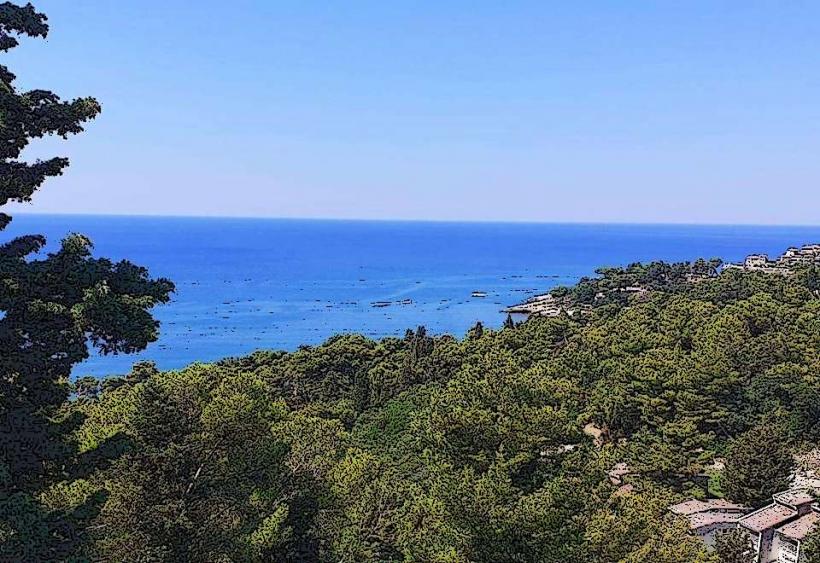
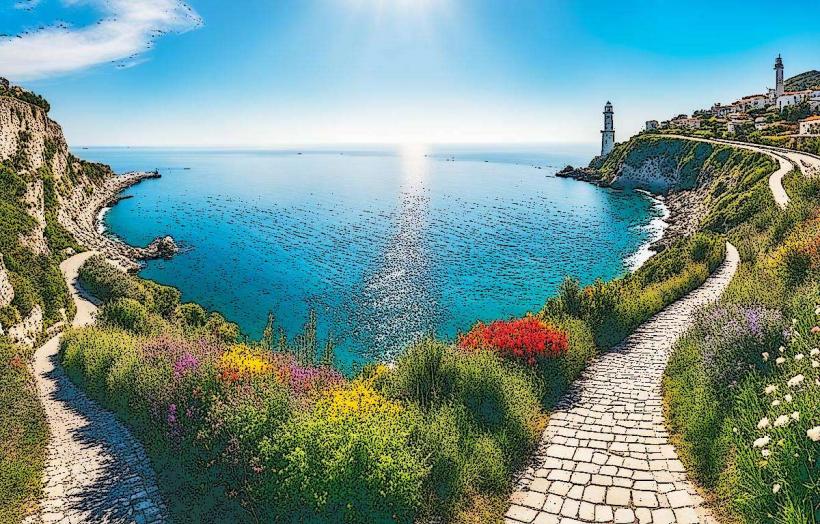
Viewpoint: The plateau surrounding the mosque offers wide-angle views of the Bay of Ulcinj and the lower fortress ramparts.
Cultural History: The site is often cited as the meeting place for the city's sea captains (reises) during the Ottoman era.
Infrastructure & Amenities
As a state-protected museum, the site includes basic visitor facilities such as a ticket office and information plaques. Public restrooms are located within the museum complex. 5G cellular coverage is excellent. Natural shade is minimal due to the building's exposed position at the summit of the rock, though the museum's interior remains naturally cool.
Best Time to Visit
The museum is best visited in the early morning (9:00 AM – 11:00 AM) to avoid the midday sun on the steep climb through the Old Town. Photography is most effective in the late afternoon when the low sun highlights the varied textures of the ancient stone masonry.
Facts & Legends
A technical fact of interest is that the minaret was built with a specific square base, diverging from the more common circular Ottoman minaret designs found in the region. Local accounts emphasize that the building was never demolished during administrative shifts, but rather "re-dressed" to suit the dominant faith, serving as a symbol of the town's survival through successive empires.
Nearby Landmarks
Balšić Tower (Ethnological Museum) – 0.05km East
Slave Square (Trg Robova) – 0.1km South
Upper Gate of the Fortress – 0.1km North
St. Nicholas Church – 0.2km North
Small Beach (Mala Plaža) – 0.3km Southeast