Information
Landmark: Šasko LakeCity: Ulcinj
Country: Montenegro
Continent: Europe
Šasko Lake, Ulcinj, Montenegro, Europe
Šasko Lake (Šasko jezero) is the second-largest lake in Montenegro, situated in the Bojana River hinterland near the Albanian border. It is often referred to as a smaller version of Lake Skadar due to its similar ecological characteristics and biodiversity.
Visual Characteristics
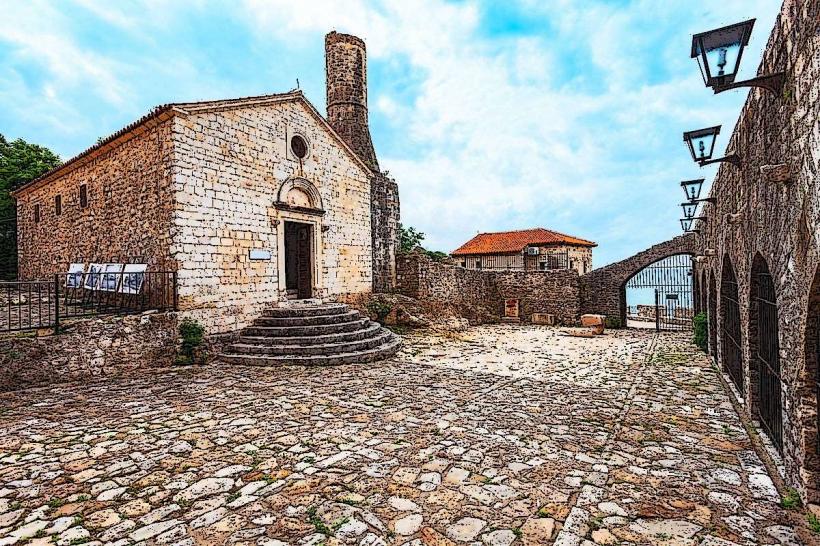
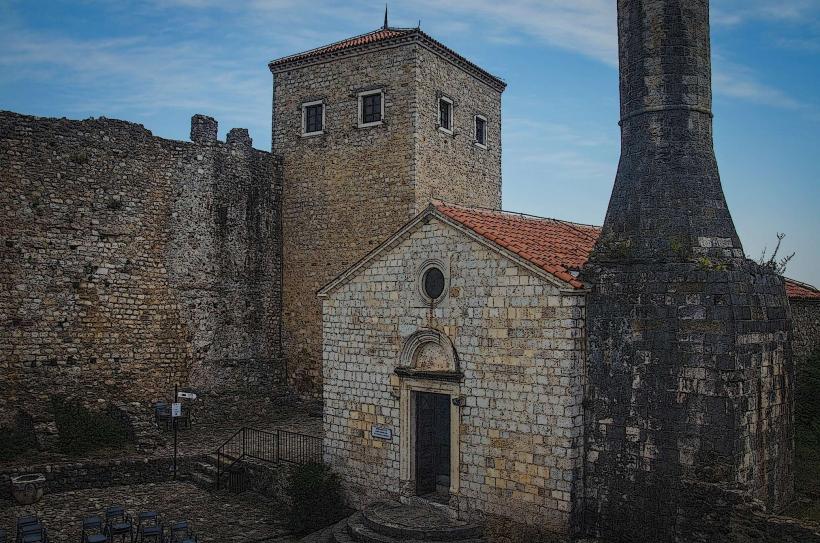
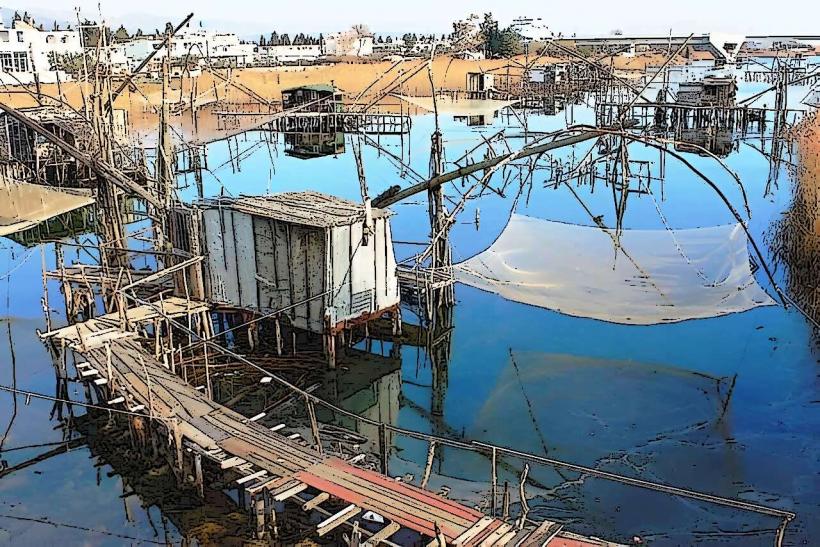
The lake is characterized by extensive reed beds, water lilies, and marshy shorelines. Its water level fluctuates significantly with the seasons, impacting the visible surface area. The surrounding landscape consists of low limestone hills and the fertile Šas field. The ruins of the medieval city of Šas, positioned on a ridge overlooking the northern shore, provide a distinct historical silhouette against the natural backdrop.
Location & Access Logistics
The lake is located approximately 15 kilometers northeast of Ulcinj city center. It is accessible via a paved road through the Vladimir and Šas villages. Access to the shoreline is concentrated at several points, including a local restaurant and a small boat pier. There is no public transportation to the lake; a private vehicle, taxi, or bicycle is required. The border crossing at Sukobin is located approximately 10 kilometers to the north.
Historical & Ecological Origin
The lake is a natural depression filled by groundwater and the Među-reč River, which connects to the Bojana River system. It is a critical ornithological site, serving as a habitat for over 250 bird species, including pelicans, herons, and cormorants. Historically, the area was a major cultural center; the nearby medieval town of Šas (Svač) was reportedly a city of 365 churches before its destruction by Mongol and later Ottoman forces.
Key Highlights & Activities
Logistical activities focus on nature and historical tourism:
Birdwatching: This is the primary activity, with several vantage points for observing migratory species.
Svač (Šas) Ruins: Exploring the medieval city walls and the remains of the Cathedral of St. John.
Boat Tours: Local operators offer small wooden boat excursions through the reed channels.
Sport Fishing: The lake is naturally stocked with carp, bleak, and eel.
Infrastructure & Amenities
Infrastructure is minimal. A single restaurant (Restaurant Šas) provides dining, basic facilities, and boat rentals. There are no large hotels or developed public beaches. 4G cellular signal is stable across the basin. Natural shade is limited to the restaurant area and small groves of willow and poplar trees along the banks.
Best Time to Visit
Late spring (May–June) is the optimal window for birdwatching and seeing the water lilies in bloom. Autumn is preferred for observing bird migrations. Photography is best during the early morning for mist effects on the water or late afternoon to capture the sunlight on the Svač ruins. Summer visits can be physically demanding due to high humidity and temperatures characteristic of the inland basin.
Facts & Legends
A prominent legend states that the city of Svač had as many churches as there are days in the year. While archaeologists have identified the remains of roughly 15 significant structures, the legend persists as a testament to the site's former ecclesiastical importance. A technical fact is that the lake is cryptodepressional, meaning parts of its floor are below sea level.
Nearby Landmarks
Svač (Medieval City Ruins) – 0.5km North
Bojana River – 7.0km South
Ulcinj Salina (Solana) – 12.0km Southwest
Velika Plaža (Long Beach) – 14.0km Southwest
Sukobin Border Crossing – 10.0km North