Information
Landmark: Palace of the GovernorsCity: Santa Fe
Country: USA New Mexico
Continent: North America
Palace of the Governors, Santa Fe, USA New Mexico, North America
The Palace of the Governors is a historic building located in Santa Fe, New Mexico, USA. It is the oldest continuously occupied public building in the United States.
Visual Characteristics
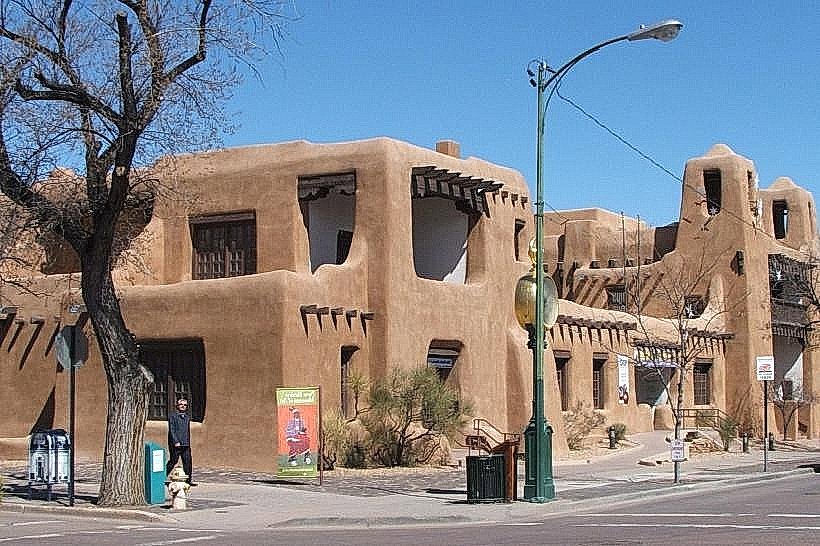
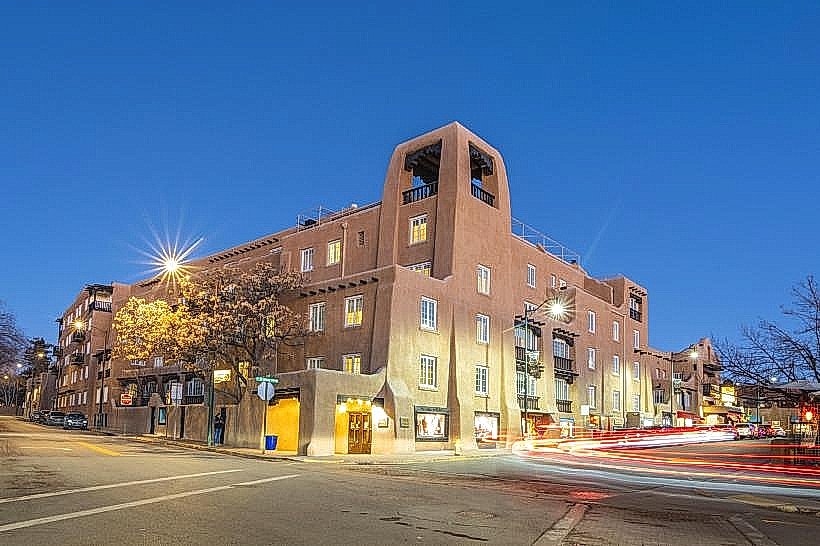
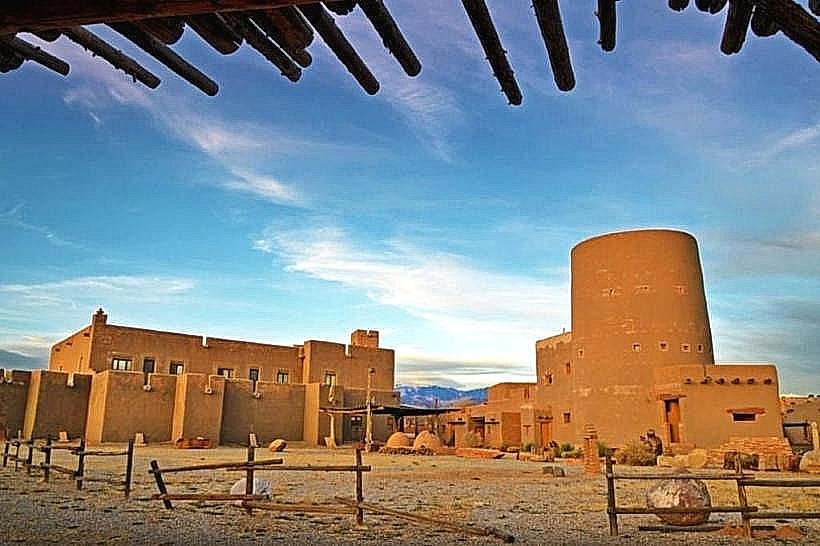
The structure is a single-story adobe building with a long, low profile. Its exterior walls are constructed from adobe bricks, exhibiting a natural, earthy brown color. A prominent feature is the shaded portal, supported by wooden vigas, that runs along the front facade. The roof is flat, typical of Pueblo Revival architecture.
Location & Access Logistics
The Palace of the Governors is situated at 105 West Palace Avenue, Santa Fe, NM 87501, directly on the Santa Fe Plaza. It is centrally located in the downtown area, approximately 0.2km west of the Santa Fe Convention Center. On-street parking is available around the Plaza, though often metered and limited. Several parking garages are within a 0.5km radius, including the San Francisco Street Garage. Public transport options include the Santa Fe Trails bus system, with multiple routes serving the downtown area and stopping within a short walk of the Palace.
Historical & Ecological Origin
Construction of the Palace of the Governors began in 1610 by order of Don Pedro de Peralta, the Spanish governor of New Mexico. Its original purpose was to serve as the seat of government for the Spanish colonial administration. It has since served as the administrative center for Spanish, Pueblo, Mexican, and United States territorial governments.
Key Highlights & Activities
Visitors can explore the interior exhibits detailing the history of New Mexico and the Palace itself. The portal area is used by Native American artisans to sell their handcrafted jewelry and art. Photography is permitted within the public areas of the building and on the portal. Educational programs and special events are occasionally held on-site.
Infrastructure & Amenities
Restrooms are available for public use within the building. Shaded areas are provided by the portal along the front of the Palace. Cell phone signal (4G/5G) is generally reliable in this central downtown location. Food vendors and restaurants are abundant in the immediate vicinity of the Santa Fe Plaza.
Best Time to Visit
For optimal lighting on the exterior and portal, early morning or late afternoon is recommended. The best months for visiting are typically April through October, offering milder weather. The Palace is open year-round, with no specific tide requirements.
Facts & Legends
A unique historical fact is that the Palace of the Governors has been continuously occupied by a governing body since its construction in 1610, making it the oldest continuously occupied public building in the United States. A local legend suggests that the spirits of past governors still linger within its walls, particularly during quiet hours.
Nearby Landmarks
- New Mexico Museum of Art (0.1km North)
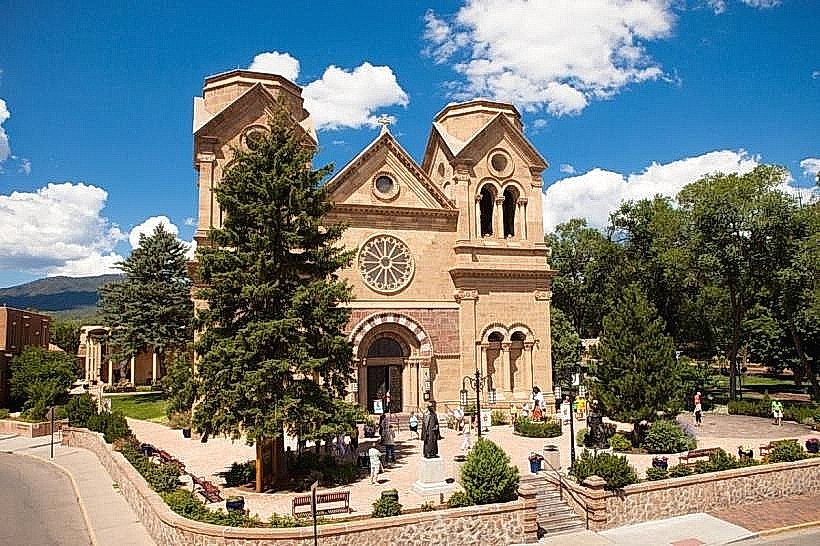
- Cathedral Basilica of Saint Francis of Assisi (0.2km Northeast)
- New Mexico History Museum (0.05km North)
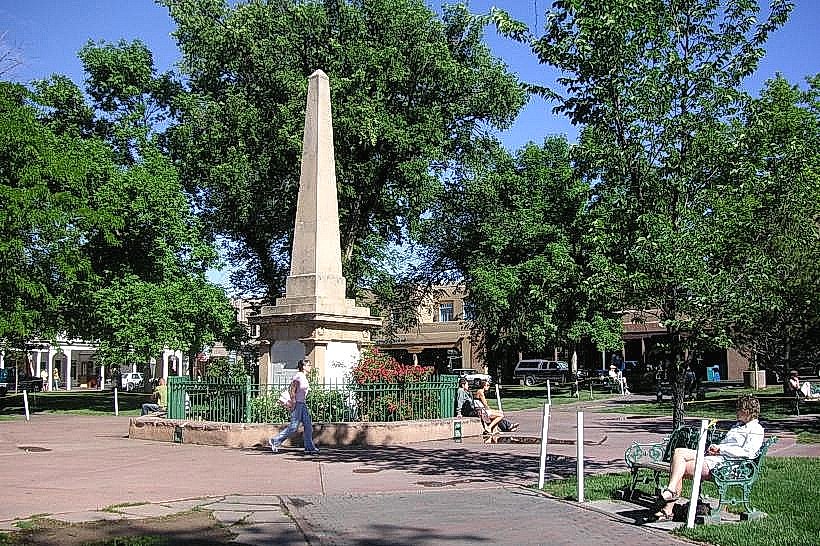
- Plaza (0.0km)
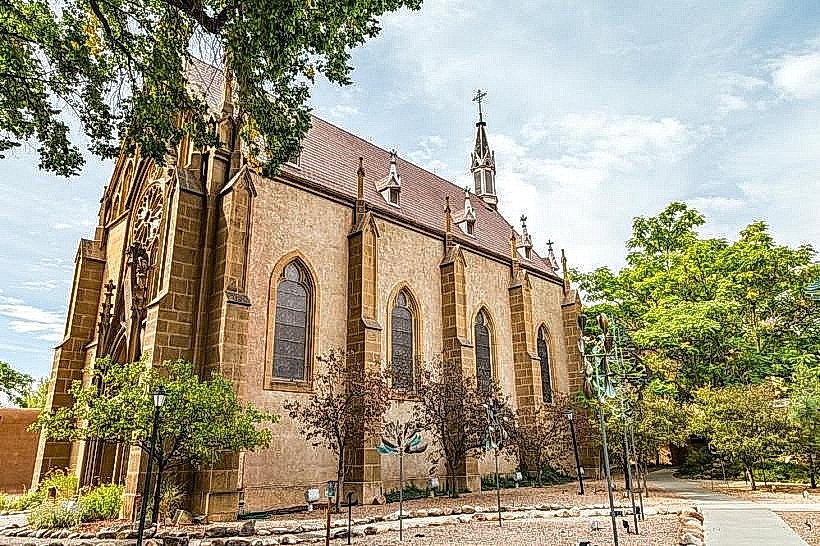
- Loretto Chapel (0.3km Southeast)