Information
Landmark: Pojoaque Valley Historical SitesCity: Santa Fe
Country: USA New Mexico
Continent: North America
Pojoaque Valley Historical Sites, Santa Fe, USA New Mexico, North America
The Pojoaque Valley Historical Sites comprise a collection of archaeological and cultural locations situated in the Pojoaque Valley, north of Santa Fe, New Mexico.
Visual Characteristics
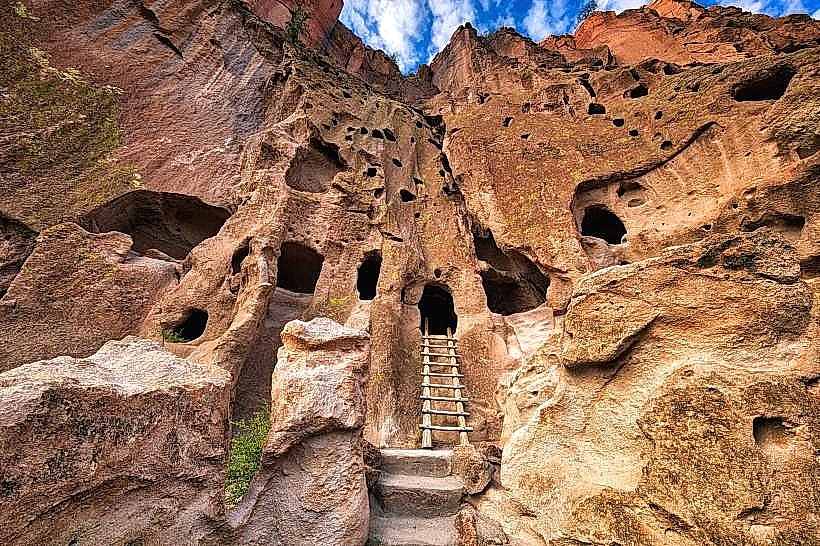
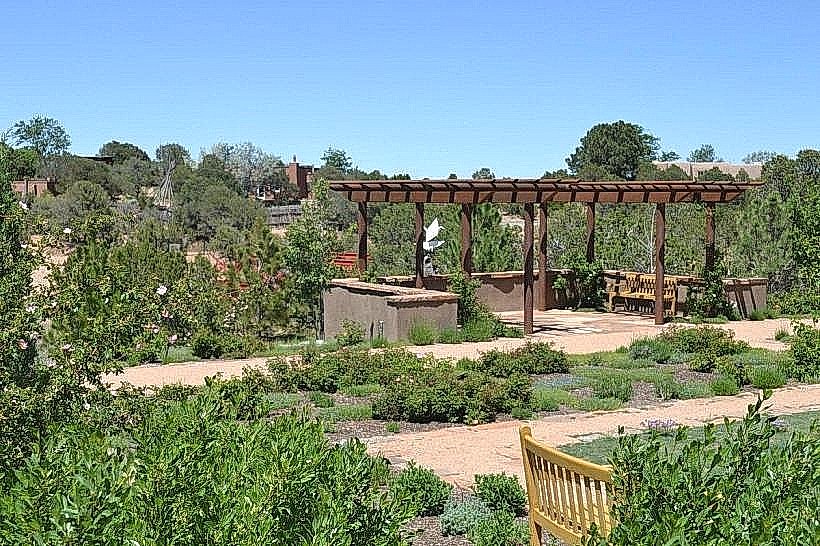
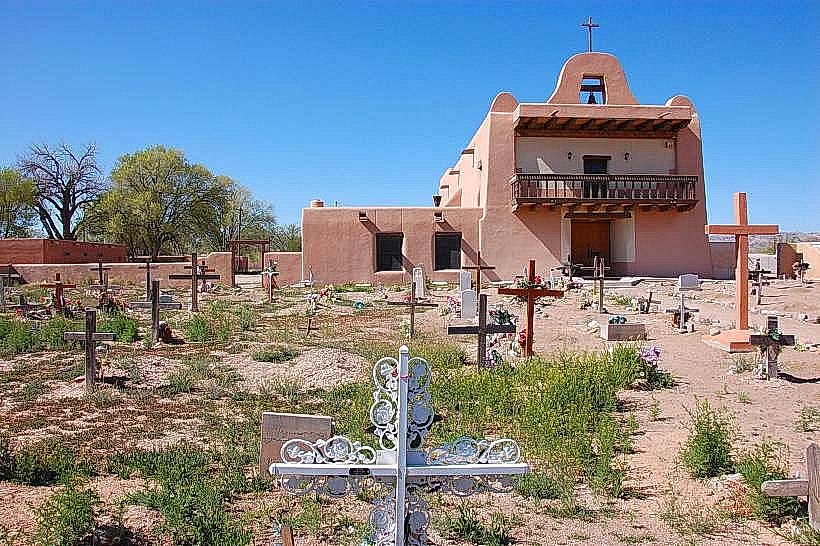
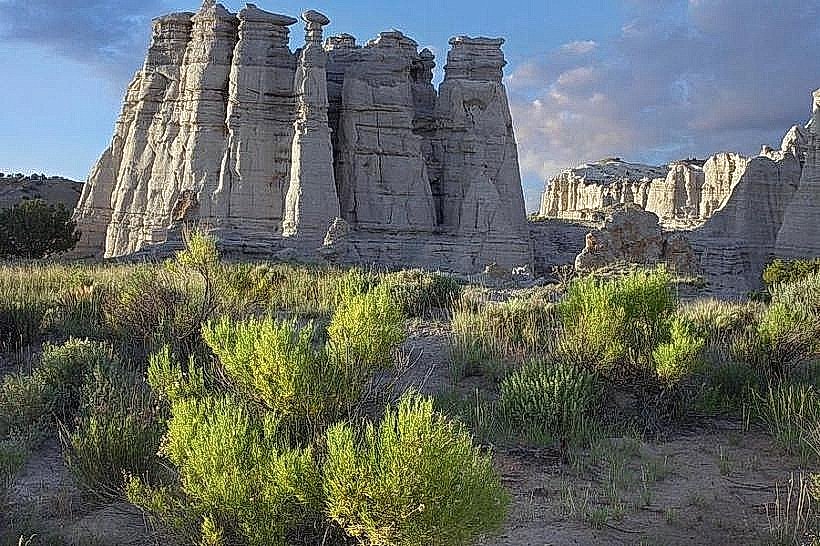
These sites primarily consist of earthworks, pueblo ruins, and agricultural terraces. Structures are typically composed of adobe and stone, exhibiting erosion patterns consistent with arid environments. Vegetation is sparse, dominated by native desert flora such as piñon pine, juniper, and various grasses.
Location & Access Logistics
The Pojoaque Valley is located approximately 20 kilometers north of Santa Fe on US Highway 84/285. Access to individual sites varies; some are visible from the highway, while others require short drives on unpaved access roads. Parking is generally limited to informal pull-offs along these roads. Public transport options to the general vicinity are available via the Santa Fe Trails bus system (Route 250), with a transfer to local shuttles or a significant walk required for specific sites.
Historical & Ecological Origin
These sites represent the remnants of ancestral Puebloan settlements dating back to the Pueblo I, II, and III periods (approximately 700-1300 CE). The Pojoaque Valley's ecological niche provided fertile ground for agriculture, supported by the Pojoaque River and its tributaries. The settlements were strategically located to utilize these water resources and defend against environmental and social pressures.
Key Highlights & Activities
Exploration of the archaeological features, including visible pueblo outlines and ancient agricultural systems. Observation of the natural landscape and native plant species. Educational opportunities are available at the nearby Poeh Cultural Center, which provides context for the valley's history.
Infrastructure & Amenities
Most Pojoaque Valley Historical Sites lack developed infrastructure. Restrooms and shade are generally unavailable at the immediate sites. Cell phone signal (4G/5G) can be intermittent. Food vendors are not present at the historical sites themselves; amenities are concentrated in the nearby town of Pojoaque.
Best Time to Visit
The optimal time for visiting is during the spring (April-May) and fall (September-October) months to avoid extreme summer heat and winter cold. Mid-morning or late afternoon provides the most favorable lighting for observing the subtle details of the earthworks and ruins.
Facts & Legends
A significant historical oddity is the presence of extensive agricultural terracing, indicating a sophisticated understanding of water management and soil conservation in a challenging environment. Local oral traditions speak of the valley as a place of ancient spirits and ancestral journeys.
Nearby Landmarks
- Poeh Cultural Center (0.8km Southwest)
- Tesuque Pueblo (4.5km South)
- Nambe Pueblo (3.2km Northeast)
- San Ildefonso Pueblo (6.1km Northwest)
- Santa Fe National Forest (Access points vary, generally 5km+ West)