Information
Landmark: Santa Fe Botanical GardenCity: Santa Fe
Country: USA New Mexico
Continent: North America
Santa Fe Botanical Garden, Santa Fe, USA New Mexico, North America
The Santa Fe Botanical Garden is a 50-acre botanical garden located in Santa Fe, New Mexico, USA. It features diverse plant collections and natural landscapes.
Visual Characteristics
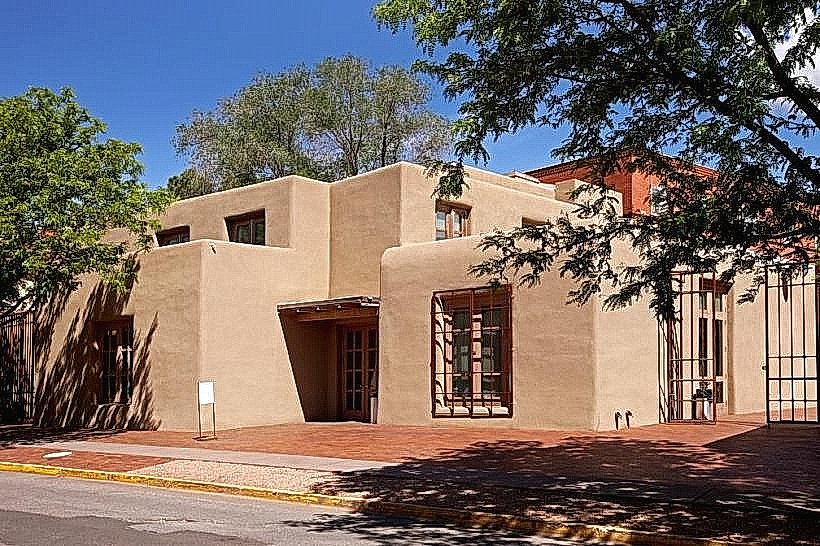
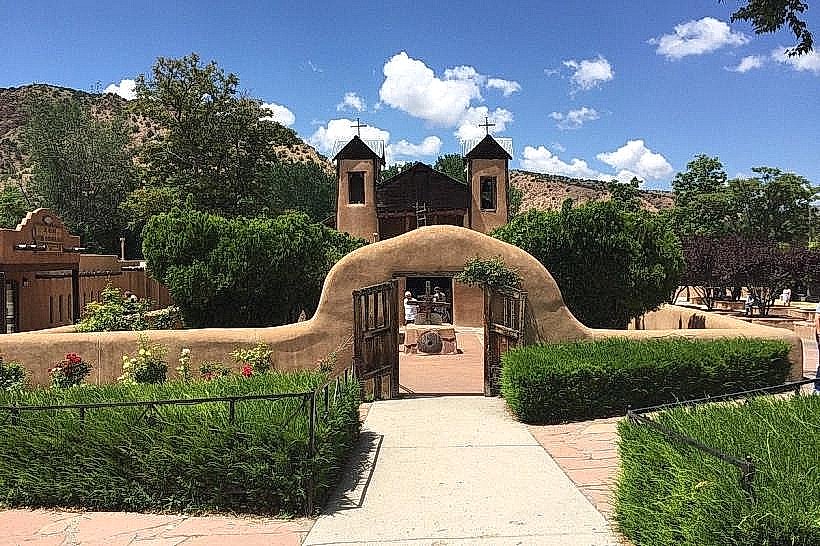
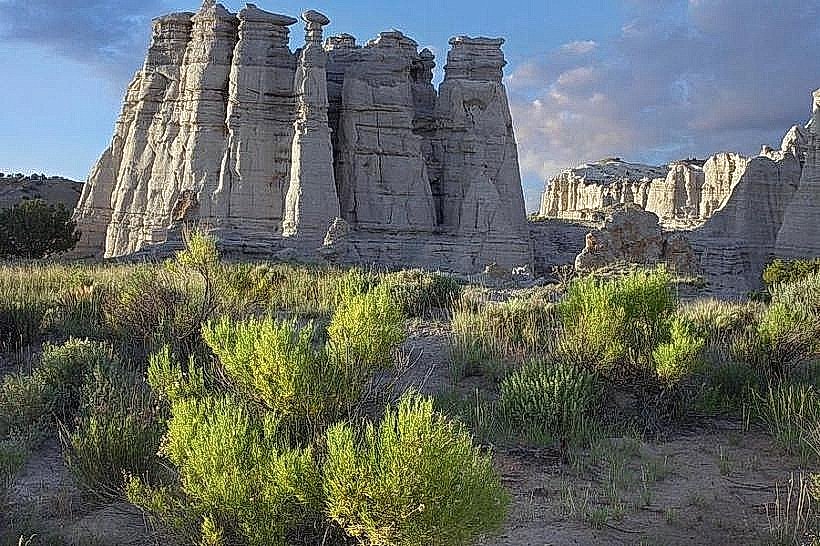
The garden comprises several distinct areas. The Leonora Curtin Wetland Preserve showcases native riparian plants, including cottonwoods and willows, with a central pond. The Santa Fe Canyon Preserve features arid-adapted plants such as various species of agave, yucca, and cacti, set against a backdrop of piñon-juniper woodlands. The historic O'Shaughnessy house, a Pueblo Revival style structure, is constructed of adobe brick with a red tile roof.
Location & Access Logistics
The Santa Fe Botanical Garden is situated approximately 3 miles (4.8 km) east of the Santa Fe Plaza. Access is via Old Santa Fe Trail, turning onto Camino de Cruz Blanca. Parking is available on-site. Public transport options are limited; the Santa Fe Trails bus system does not directly serve the garden. Visitors typically arrive by private vehicle or taxi.
Historical & Ecological Origin
The Santa Fe Botanical Garden was established in 1987. The O'Shaughnessy house dates to the early 20th century. The Santa Fe Canyon Preserve land was acquired to protect the watershed and its native flora. The Leonora Curtin Wetland Preserve was developed to restore and showcase wetland ecosystems.
Key Highlights & Activities
Activities include walking the trails through the different ecological zones. Visitors can observe native plant species in their natural habitats. Educational programs and workshops are offered seasonally. Photography of plant life and landscapes is permitted.
Infrastructure & Amenities
Restrooms are available near the O'Shaughnessy house. Limited shade is provided by trees in certain areas. Cell phone signal (4G/5G) is generally available. No on-site food vendors are present; visitors are advised to bring their own provisions.
Best Time to Visit
For optimal viewing of flowering plants, late spring through early autumn (May to September) is recommended. Mid-morning or late afternoon provides softer lighting for photography. The wetland preserve is most active with birdlife in the spring and summer.
Facts & Legends
The garden's collection includes plants historically used by indigenous peoples of the region for medicinal and practical purposes. A specific focus is placed on drought-tolerant species adapted to the high-desert climate of northern New Mexico.
Nearby Landmarks
- Santa Fe Plaza (4.8km West)
- Loretto Chapel (4.5km West)
- Georgia O'Keeffe Museum (4.7km West)
- Museum of International Folk Art (3.2km Northwest)
- Museum of Indian Arts and Culture (3.1km Northwest)