Information
Landmark: Santuario de ChimayóCity: Santa Fe
Country: USA New Mexico
Continent: North America
Santuario de Chimayó, Santa Fe, USA New Mexico, North America
The Santuario de Chimayó is a Roman Catholic church located in Chimayó, New Mexico, USA.
This historic adobe structure is renowned for its spiritual significance and the purported healing properties of its sacred earth.
Visual Characteristics
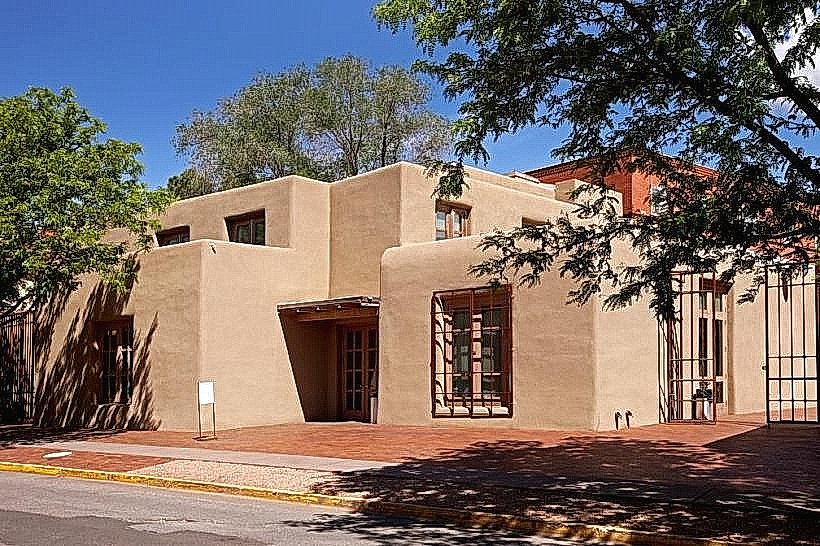
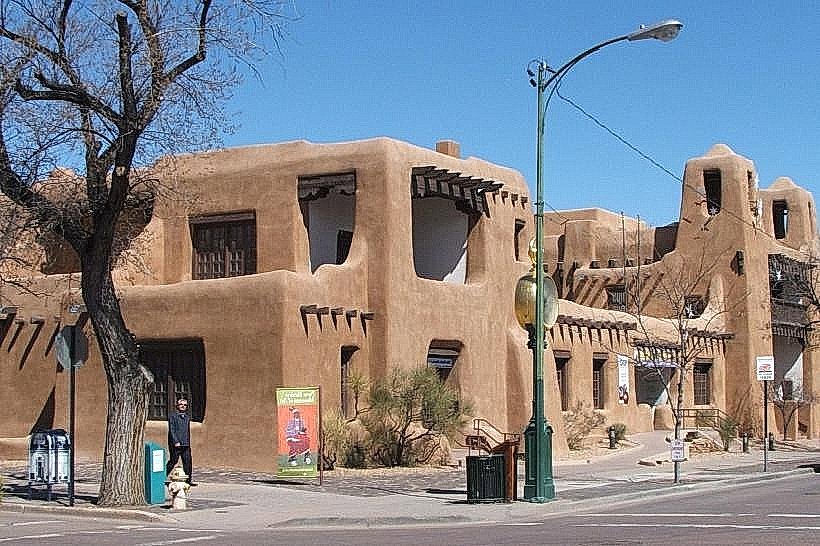
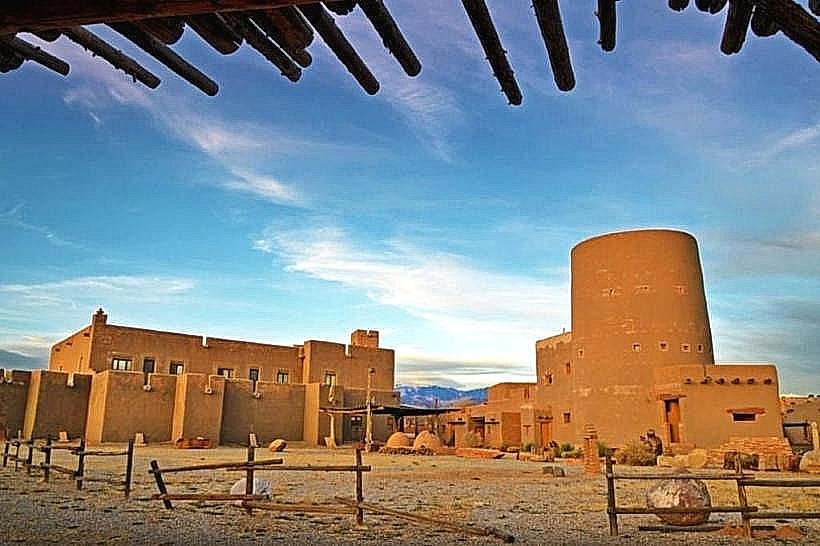
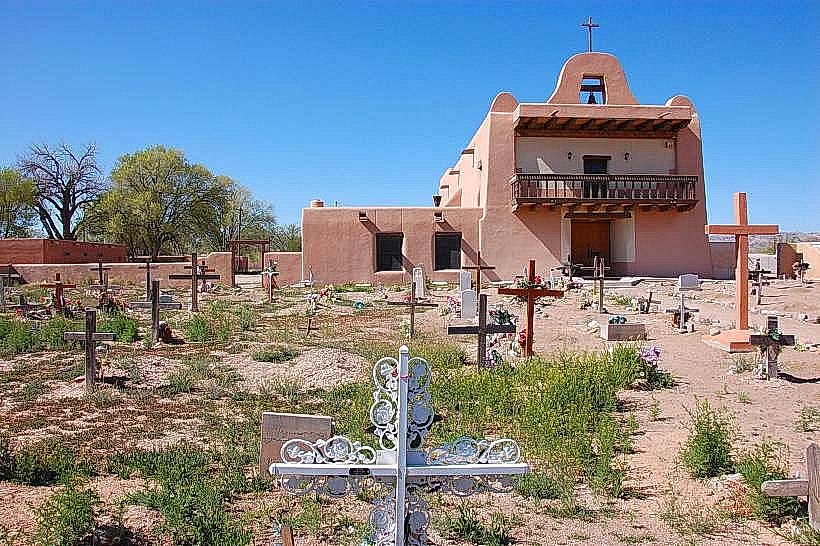
The Santuario is constructed from adobe bricks, a traditional building material in the region. Its exterior walls are a muted, earthy red-brown, characteristic of dried mud. The roof is supported by wooden vigas, exposed beams that extend beyond the walls. The building is relatively small, with a single nave and a simple, unadorned facade. A small bell tower is situated to the side of the main entrance. The interior features wooden altars, religious iconography, and a small room containing the sacred earth.
Location & Access Logistics
The Santuario de Chimayó is situated approximately 30 miles north of Santa Fe, New Mexico. Access is via State Road 76 (NM-76), also known as the High Road to Taos. From Santa Fe, take US-84/285 North to Pojoaque, then follow NM-503 East to NM-76 North. The drive from Santa Fe takes approximately 45 minutes to 1 hour, depending on traffic. Ample parking is available in designated lots adjacent to the church. Public transport options are limited; the nearest major bus routes do not directly serve Chimayó. Visitors typically travel by private vehicle.
Historical & Ecological Origin
Construction of the Santuario began in 1810 by Bernardo Abeyta, a local resident. It was built on land believed to contain sacred earth with miraculous healing powers. The church was completed in 1816 and has since been maintained by the Abeyta family and later by the Archdiocese of Santa Fe. The sacred earth is believed to originate from a natural geological formation, though its specific origin is not scientifically documented.
Key Highlights & Activities
Visitors can explore the main church and the small room containing the sacred earth. Many individuals collect small amounts of this earth, believing it possesses healing properties. The church grounds offer a quiet space for reflection. Mass is held regularly, and the site is a pilgrimage destination, particularly during Holy Week.
Infrastructure & Amenities
Restrooms are available on-site. Limited shade is provided by the building's structure and a few trees in the vicinity. Cell phone signal (4G/5G) is generally available in the area. Food vendors are not typically present at the Santuario itself, but restaurants and cafes can be found in the nearby town of Española or along the High Road to Taos.
Best Time to Visit
The Santuario is open daily from dawn until dusk. For photography, morning light offers softer illumination on the adobe structure. The best months for weather are typically April through October, offering mild temperatures. Holy Week (the week preceding Easter) is the busiest period due to religious pilgrimages, with significant crowds present on Good Friday.
Facts & Legends
A local legend states that the sacred earth in the small room of the Santuario replenishes itself, and its healing powers are attributed to divine intervention. Visitors often leave behind crutches, braces, and other medical aids as testament to perceived miracles. The site is considered one of the most important pilgrimage destinations in the United States for Roman Catholics.
Nearby Landmarks
- El Santuario de Chimayó Museum (0.1km West)
- Plaza del Cerro (0.3km North)
- Española (8km South)
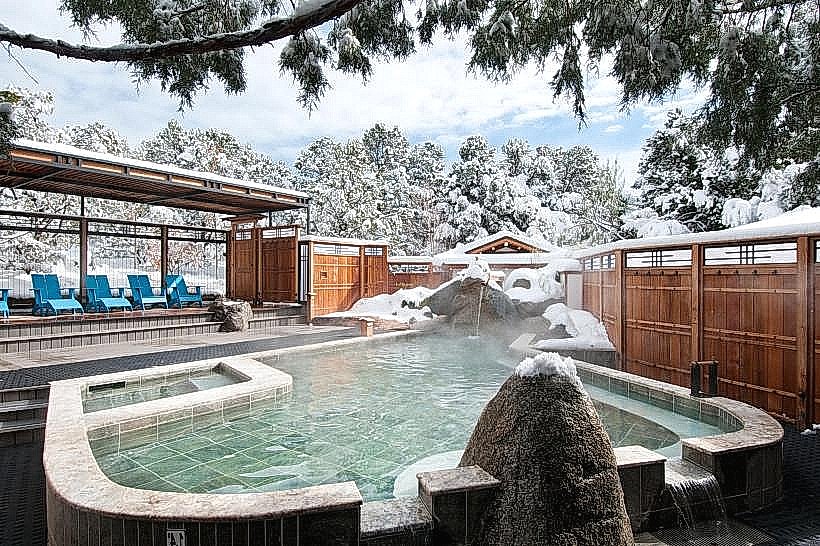
- Ojo Caliente Mineral Springs Resort & Spa (25km North)
- Bandelier National Monument (40km Southwest)