Information
Landmark: Palm JumeirahCity: Dubai
Country: United Arab Emirates
Continent: Asia
Palm Jumeirah, Dubai, United Arab Emirates , Asia
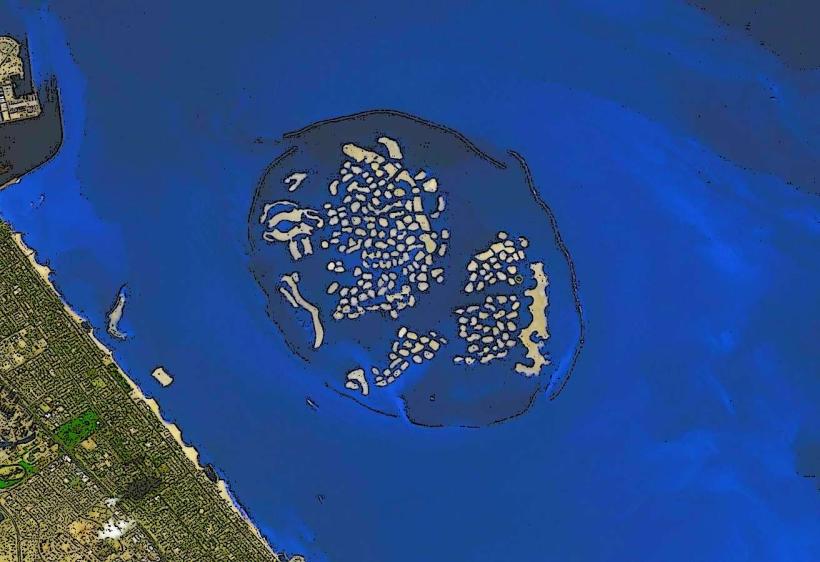
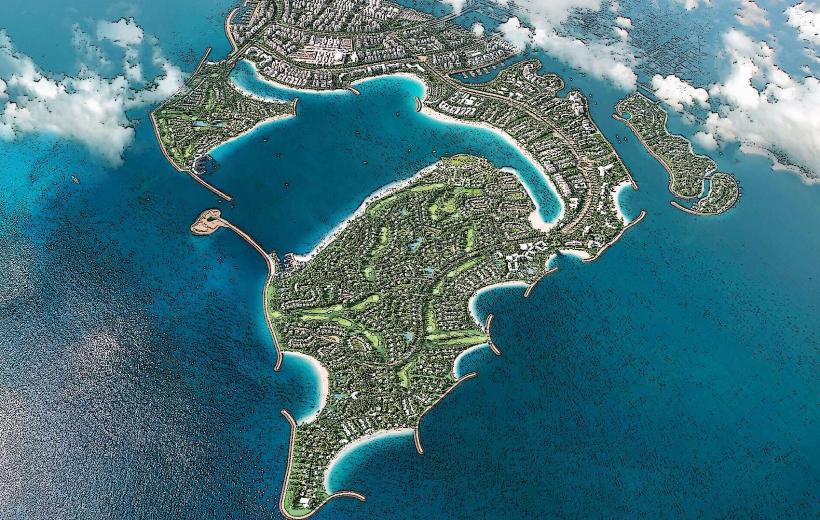
Palm Jumeirah is an artificial archipelago developed in Dubai, United Arab Emirates. It is constructed in the shape of a palm tree.
Visual Characteristics
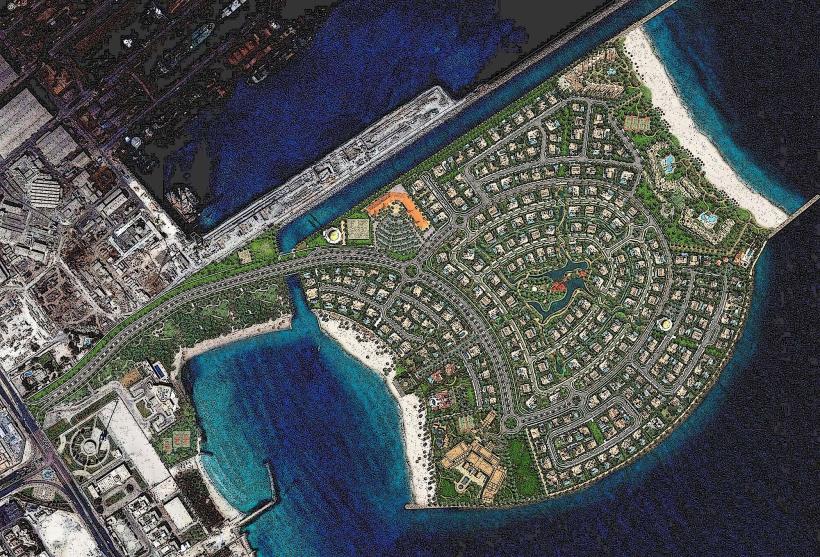
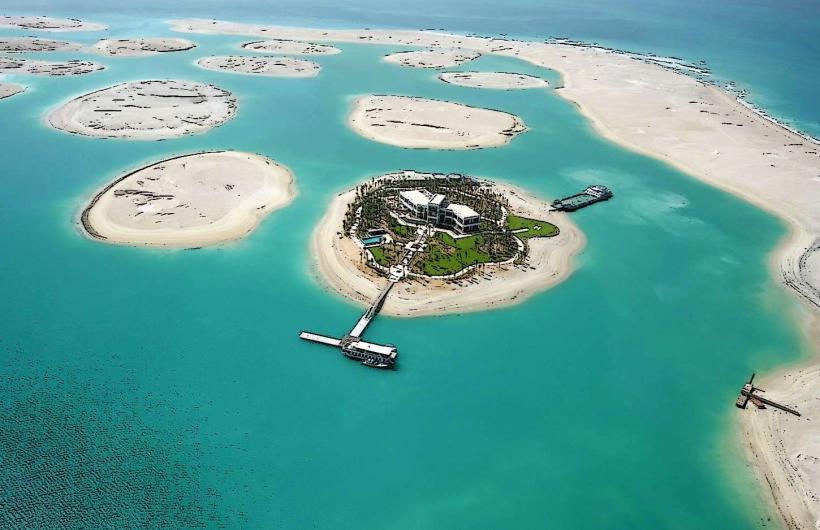
The archipelago consists of a trunk, a crown with 17 fronds, and a surrounding crescent-shaped breakwater. The landmass is primarily composed of reclaimed sand and rock. Residential and commercial structures are built along the fronds and trunk, featuring modern architectural designs with glass facades and varying heights.
Location & Access Logistics
Palm Jumeirah is located off the coast of Jumeirah Beach in Dubai. Access is primarily via Sheikh Zayed Road, exiting onto Al Sufouh Road, which leads to the main entrance of the Palm. The Palm Gateway bridge connects the mainland to the island's trunk. The Palm Monorail operates along the trunk, providing public transport to key areas. Taxi services and private vehicles are also common. Parking is available at various points, including shopping centers and hotels.
Historical & Ecological Origin
Construction of Palm Jumeirah began in 2001 and was completed in 2006. It was developed by Nakheel Properties. The project involved extensive land reclamation using sand dredged from the seabed of the Persian Gulf. The primary purpose was to create a new residential, tourism, and entertainment destination.
Key Highlights & Activities
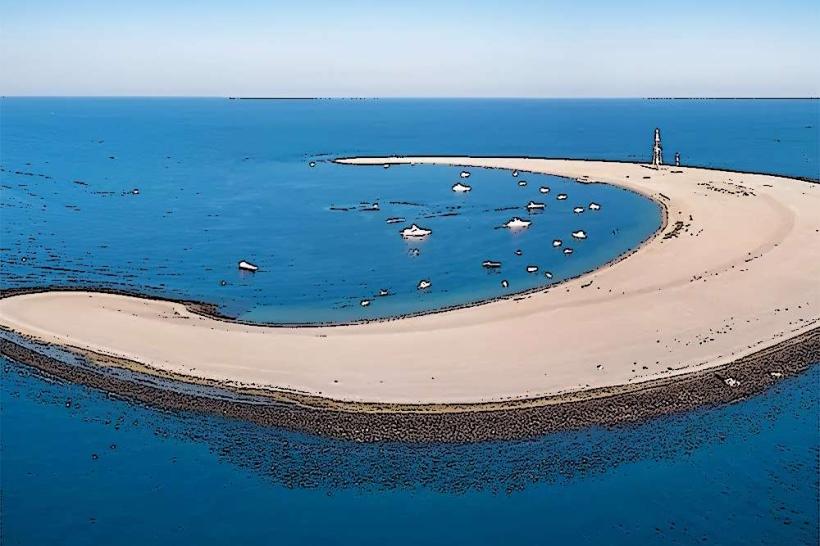
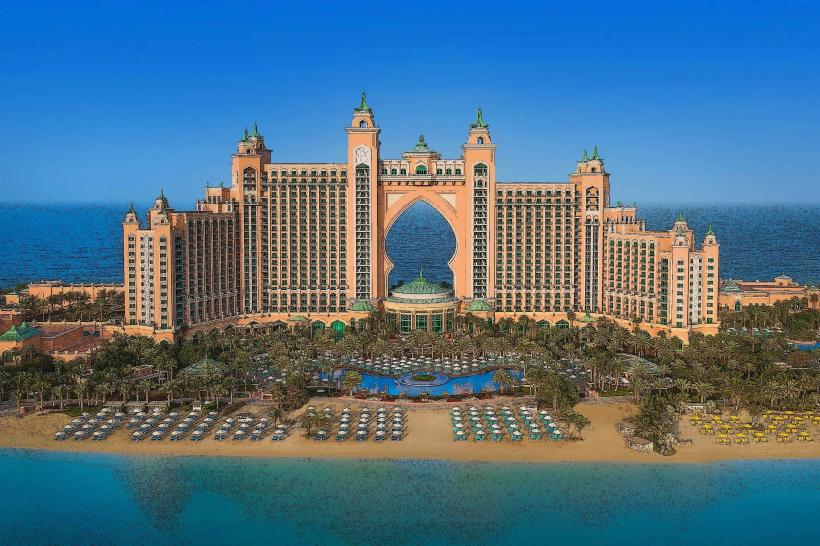
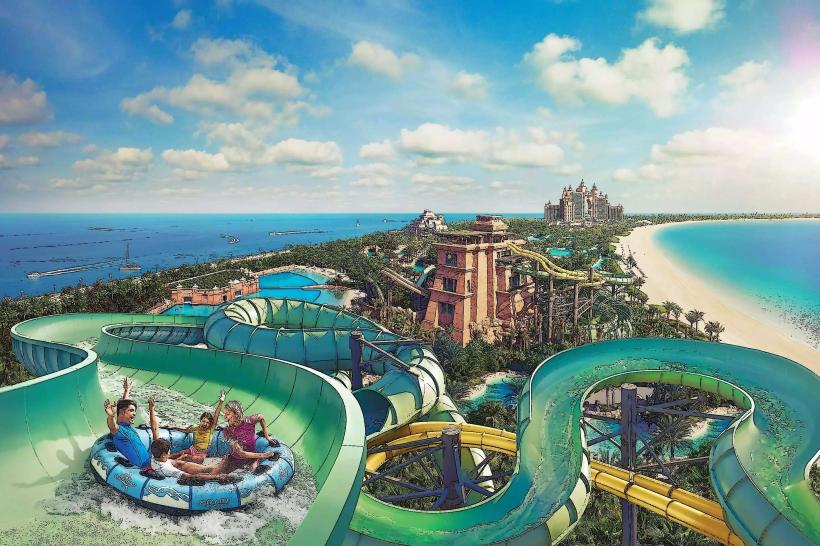
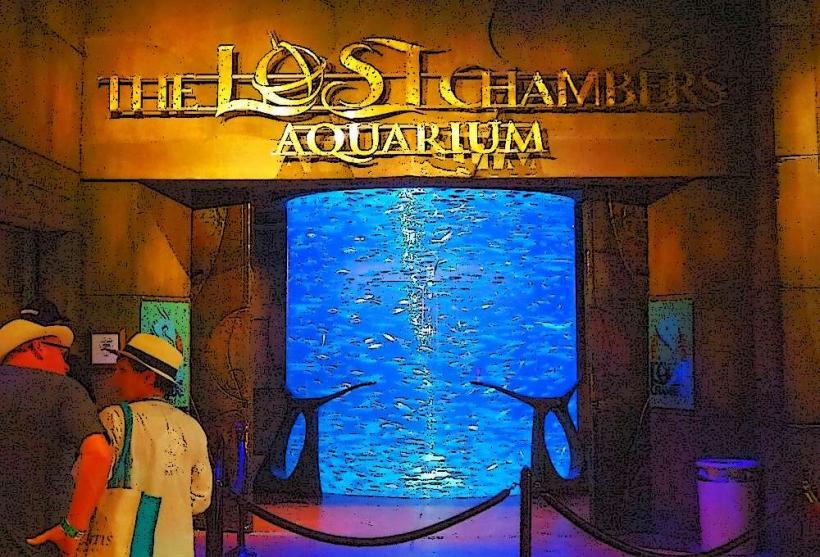
Activities include exploring The Pointe, a waterfront promenade with dining and entertainment options. The Nakheel Mall offers retail and dining. The Atlantis, The Palm hotel features Aquaventure Waterpark and The Lost Chambers Aquarium. The crescent breakwater provides access to beaches and water sports. Walking or cycling along the fronds is possible.
Infrastructure & Amenities
The island features a comprehensive infrastructure including luxury hotels, residential towers, villas, shopping malls, and restaurants. Restrooms are available in public areas, hotels, and shopping centers. Shade is provided by buildings and some landscaping. Cell phone signal (4G/5G) is generally strong across the island. Numerous food vendors and restaurants are present.
Best Time to Visit
The best time to visit for outdoor activities is during the cooler months, from October to April. Daytime temperatures range from 20°C to 30°C. For photography, early morning or late afternoon offers optimal lighting conditions, avoiding harsh midday sun.
Facts & Legends
Palm Jumeirah is one of the world's largest man-made islands. Its construction required an estimated 120 million cubic meters of sand. The island's design is intended to be visible from space.
Nearby Landmarks
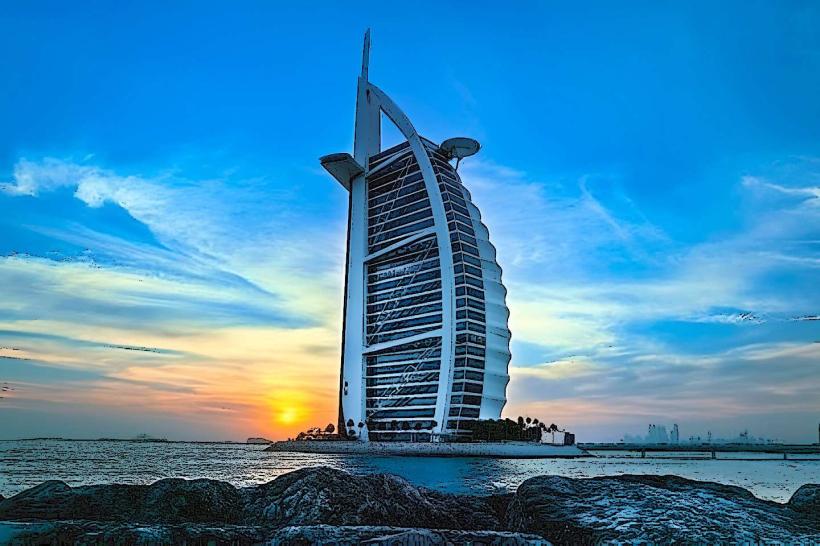
- Burj Al Arab (1.5km Southeast)
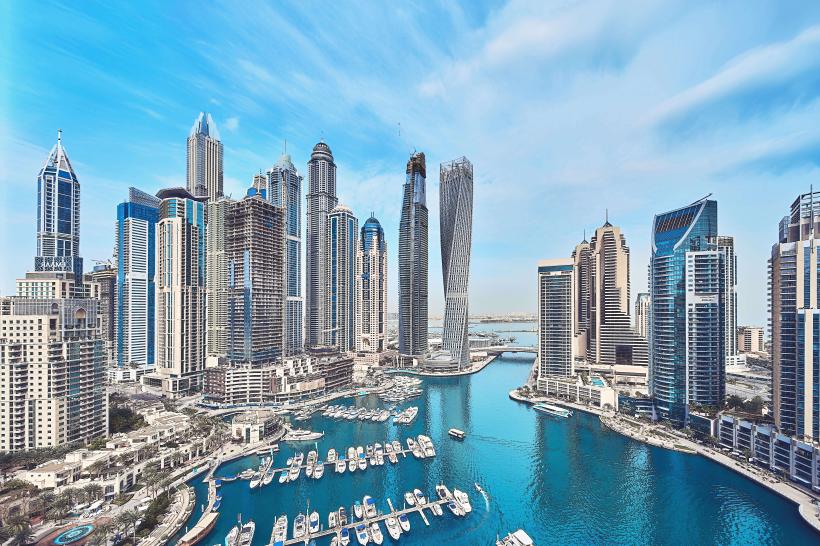
- Dubai Marina (3km Southwest)
- Mall of the Emirates (4km South)
- Kite Beach (2km East)