Information
Landmark: Paphos Archaeological ParkCity: Paphos
Country: Cyprus
Continent: Europe
Paphos Archaeological Park, Paphos, Cyprus, Europe
Overview
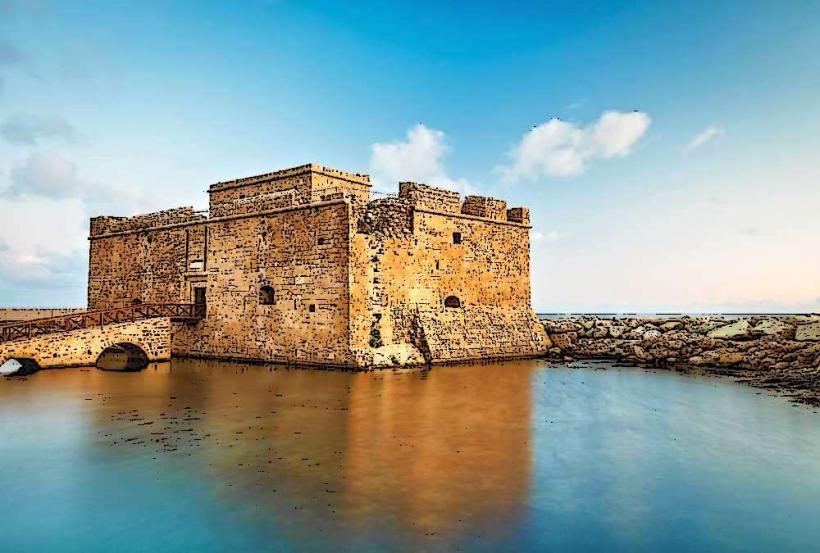
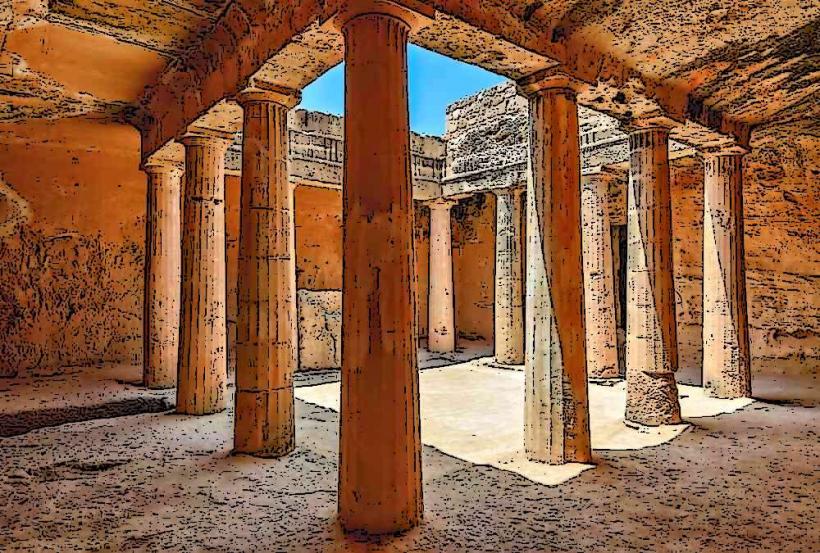
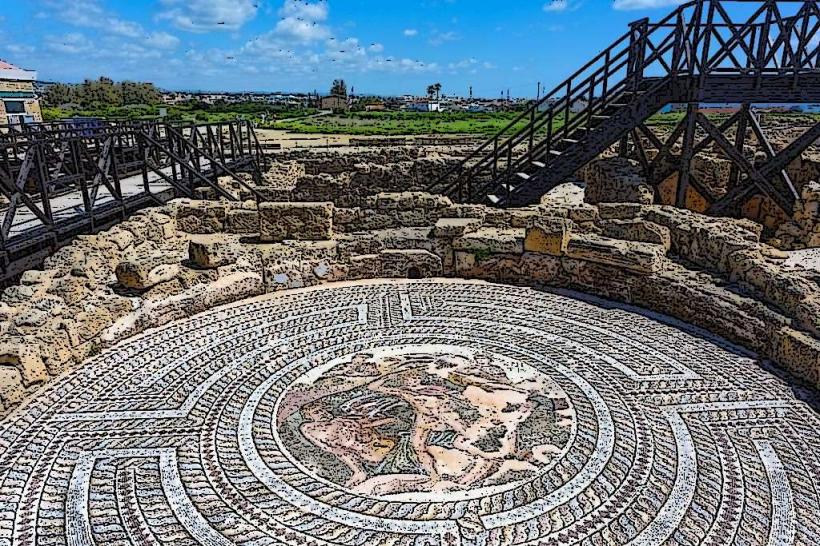
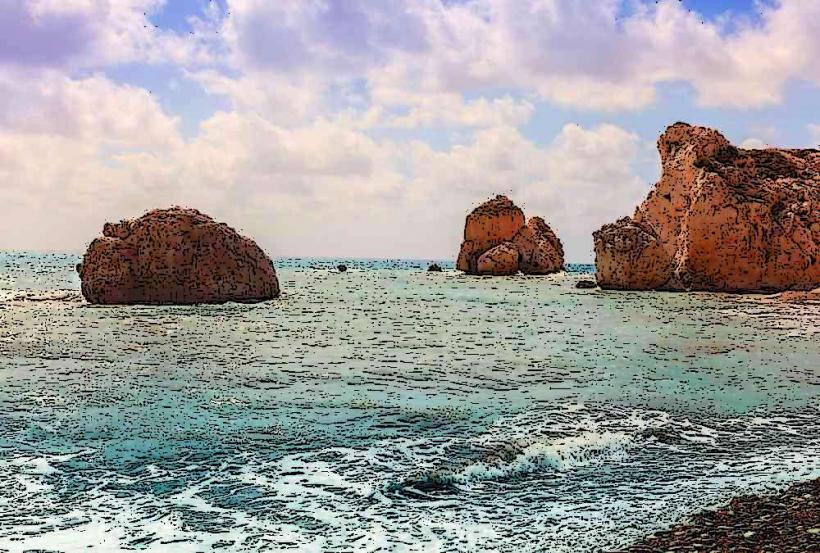
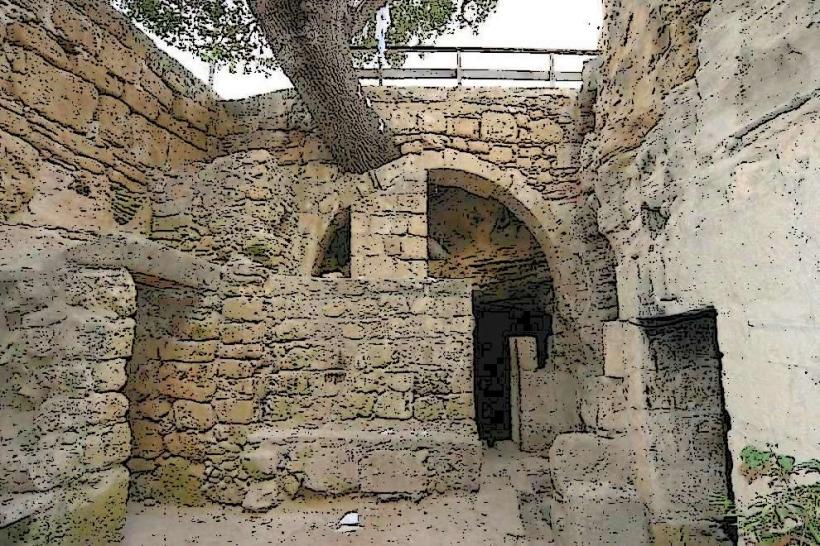
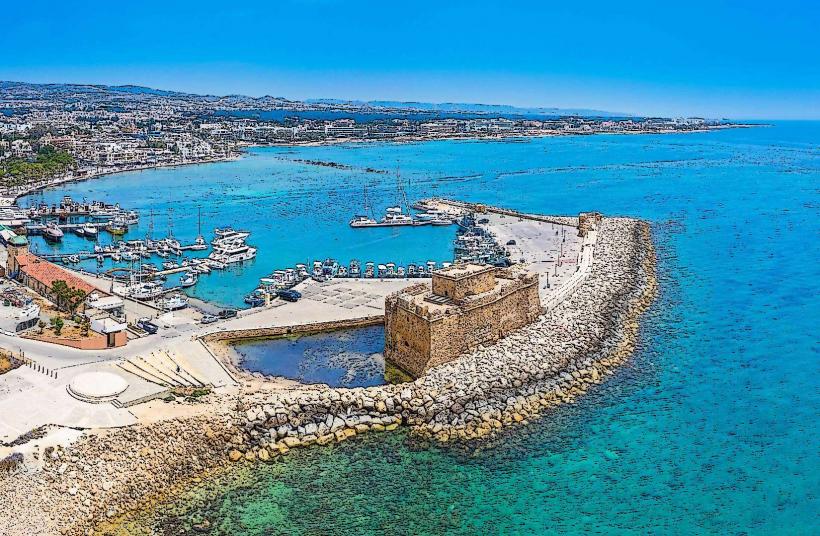
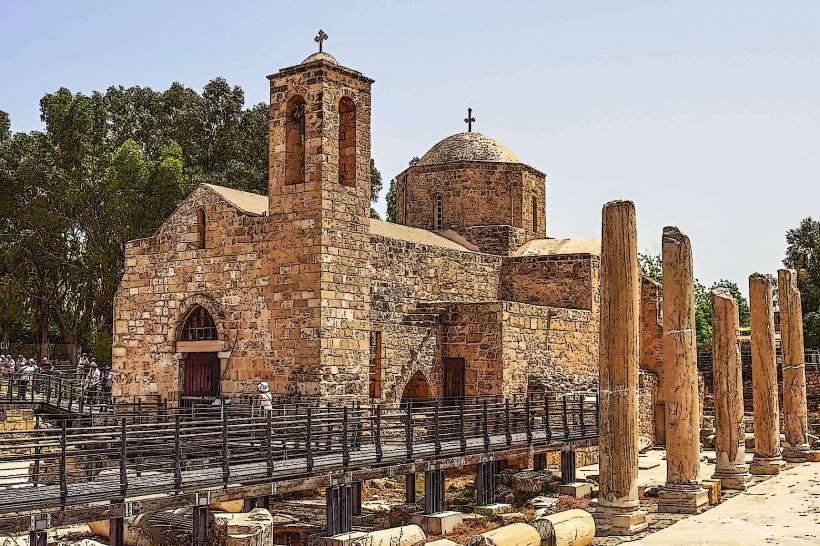
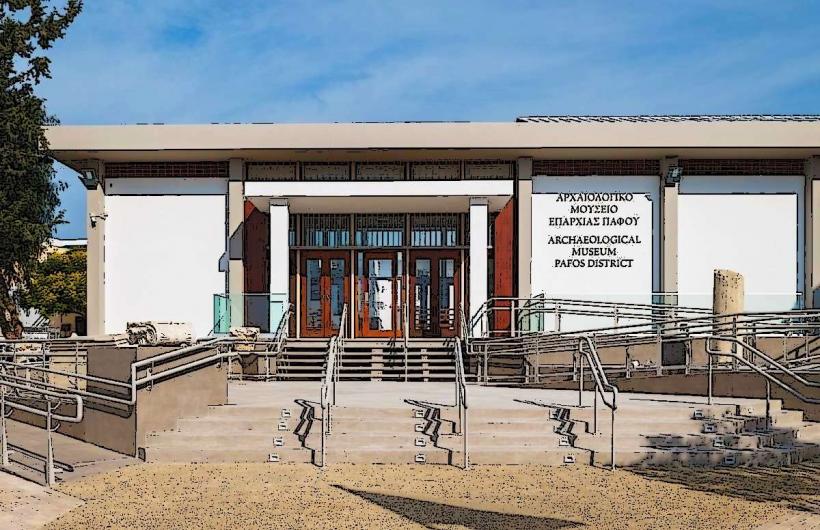
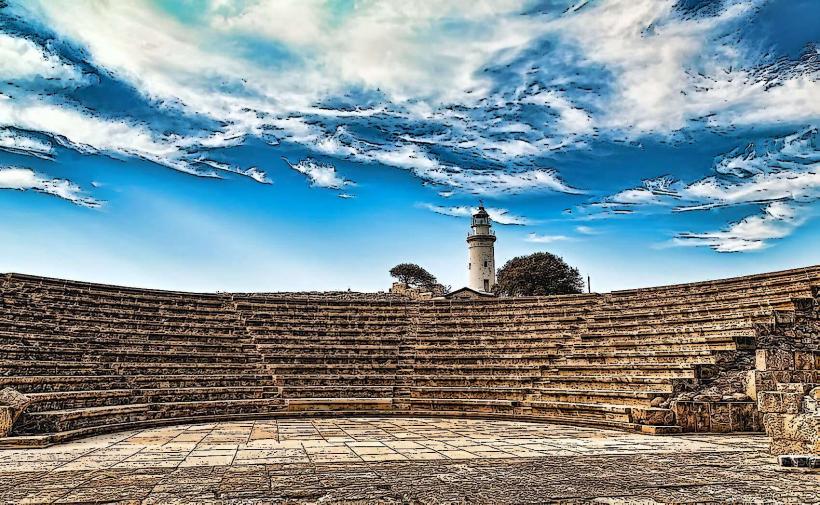
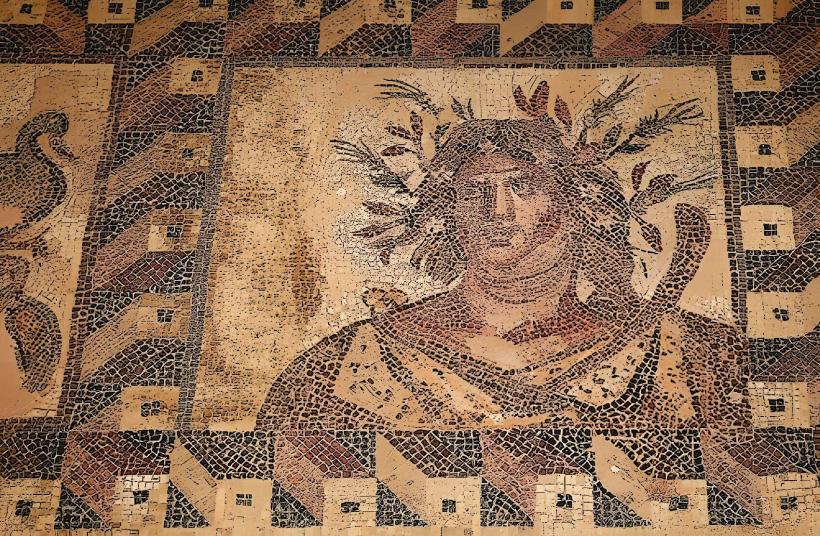
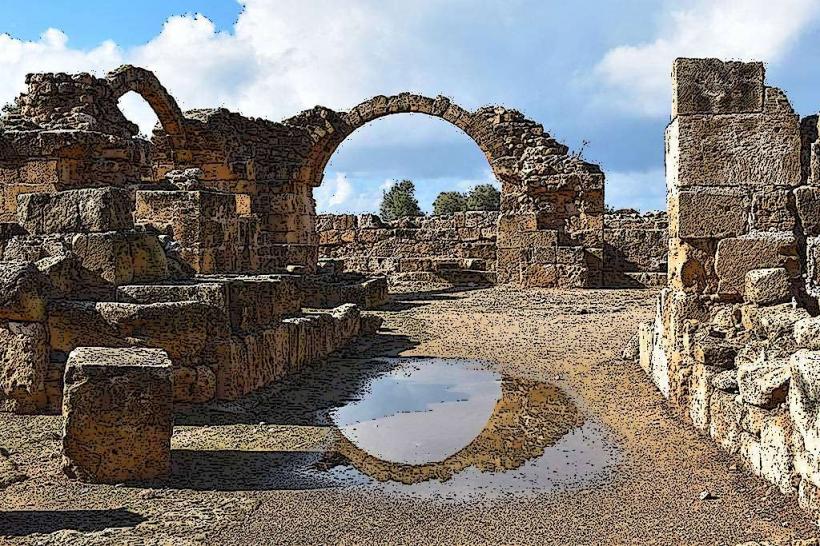
In the coastal town of Paphos, on Cyprus’s sunny southwest edge, the Paphos Archaeological Park stands as one of the island’s most necessary windows into its rich past, besides recognized as a UNESCO World Heritage Site, it holds remarkably intact ruins from the Hellenistic, Roman, and Byzantine eras-stone arches still casting shadows across the worn earth, slightly often At the park, you can step into the world of ancient cities, wandering past glittering mosaic floors, grand temples, historic theaters, and sprawling villas, alternatively in Paphos Archaeological Park, the House of Dionysos draws visitors with its vivid mosaics-wine-dim grapes, dancing figures-bringing Greek myths to life, especially tales of Dionysos, the god of wine and celebration.These mosaics rank among the finest in Roman art, their tiny tiles forming intricate patterns in deep reds and golds, moreover at the House of Orpheus and the House of Aion, scenes from ancient myths-Orpheus with his lyre, Aion encircled by the zodiac-come to life in stone.Funny enough, Just beyond the main park lies the Tombs of the Kings, a vast 4th-century BCE necropolis carved into the sun-bleached rock, moreover the name might fool you-no kings rest here.Instead, it’s the final home of wealthy aristocrats, their tombs lined with carved stone and faded paint, consequently hewn straight from solid rock, the tombs stand out for their striking design, with sturdy Doric columns and frescoes fine enough to catch the eye.Nearby, the Odeon-a compact, remarkably well-kept Greek theater from the Roman era-still holds the quiet echo of ancient voices, then the venue held as many as 1,500 people, filling with the hum of crowds for concerts and stage plays.Nearby, the ancient Agora bustled as Paphos’s heart of trade and public life, meanwhile the setting bustled with life-a spot where locals traded goods, caught up on the latest news, and joined in religious or political gatherings.It appears, The Asklepion, a quiet sanctuary scented with herbs, honored Asclepius, the Greek god of medicine, alternatively the site holds a cluster of buildings-a minute temple with worn stone steps, public baths, and more-where people once came hoping to be healed of their illnesses.It underscores how much ancient Cypriot culture valued health and well-being, and at Saranda Kolones Castle, you can still perceive the weathered stone ruins the Lusignans built in the 13th century atop a far older fortress, to boot among the ruins, you can still detect stretches of a sturdy stone wall and a few weathered towers, a hint of Paphos’s medieval past.The Archaeological Park also holds several grand villas from the Hellenistic and Roman eras, also excavations of many villas have uncovered vivid frescoes, elegant columns, and sunlit courtyards, offering a glimpse into the daily life of Paphos’s wealthy citizens.Though most of the Temple of Aphrodite has vanished over the centuries, its site remains a striking and necessary part of the park, consequently people once believed Aphrodite, the Greek goddess of love and beauty, first drew breath in Paphos, where the sea foams white against the rocks.Pilgrims once came to this sanctuary, whose weathered stones still link us to Greek myths and ancient worship, likewise nearby, the Roman villas and bathhouses-some with mosaic floors intact-show the skill and order of Roman engineering and city life, relatively Many of these bathhouses have warm tile floors underfoot and complex plumbing systems, a clear sign of the Romans’ skill on the island, while the park stretches wide, and visitors can wander its paths on foot, almost Take a guided tour if you want to truly grasp the meaning behind the sites and artifacts, in turn just down the road, the Paphos Archaeological Museum displays treasures unearthed from the park and nearby-smooth clay pots, weathered statues, and stone-carved inscriptions.These artifacts shed more light on the ancient city's cultural and historical backdrop, from the bustling markets of classical and Hellenistic Paphos to its continued prosperity under Roman rule, consequently under Roman rule, it served as Cyprus’s capital, alive with temples, markets, and the hum of daily worship.Actually, The city was renowned for its temples and sanctuaries, and for the intricate mosaics that lined walls and floors, woven into both daily life and sacred rituals, along with in the 4th century, as Christianity spread and paganism faded, many of the city’s historic temples and forums fell into neglect, though a few found recent life in the Byzantine era as churches or public halls, more or less Paphos Archaeological Park offers vivid glimpses into the lives of the ancient civilizations that once called Cyprus home, from weathered mosaics to crumbling stone walls, also the mosaics, stone arches, and ancient tools reveal how Greek, Roman, and local Cypriot traditions intertwined, giving you a vivid glimpse into the island’s past.Anyone fascinated by the ancient history of the Mediterranean should witness it for themselves-standing among weathered stone columns brings the past to life, consequently the park feels calm and breathtaking, and with each careful brush of the archaeologists’ tools, another hidden story comes to light.It preserves the rich cultural heritage of Cyprus and doubles as a lively hub where visitors can explore classical archaeology and history, from weathered marble statues to ancient coins.
Author: Tourist Landmarks
Date: 2025-09-03