Information
Landmark: Parque Nacional de MadidiCity: Beni
Country: Bolivia
Continent: South America
Parque Nacional de Madidi, Beni, Bolivia, South America
Overview
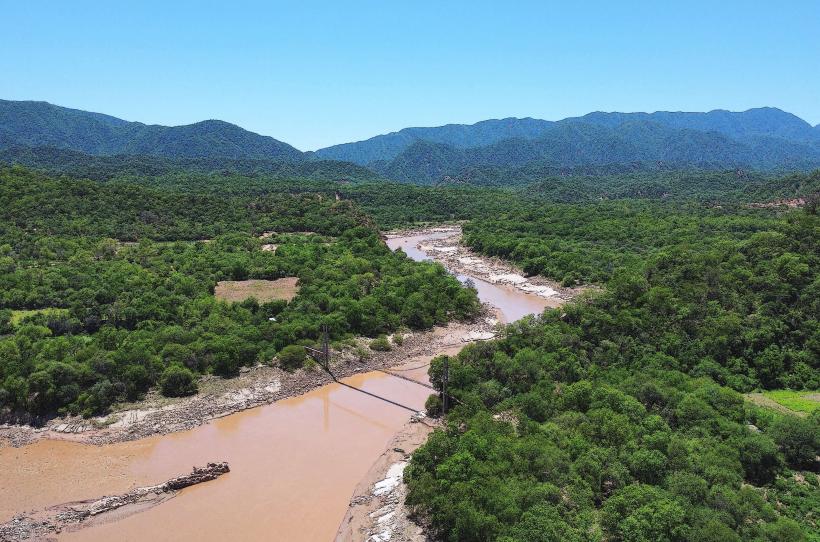
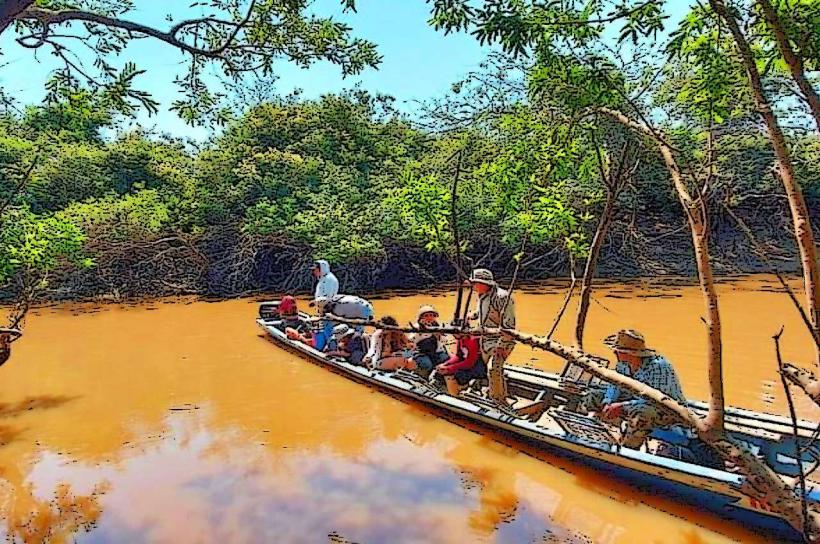
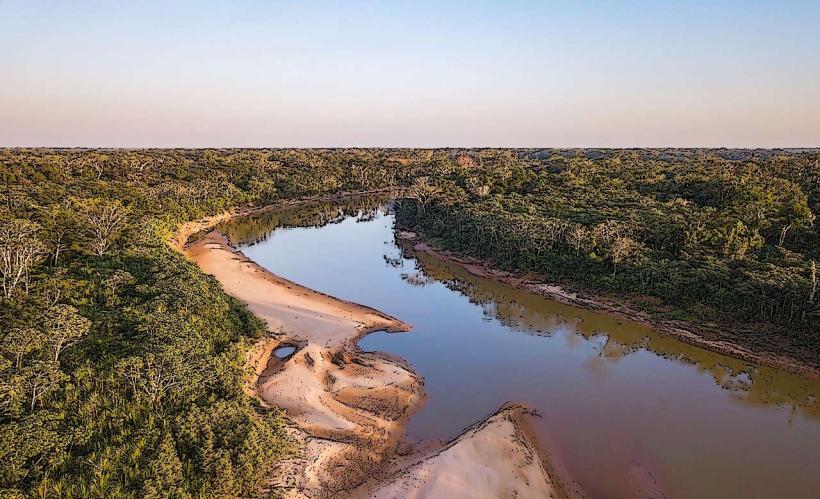
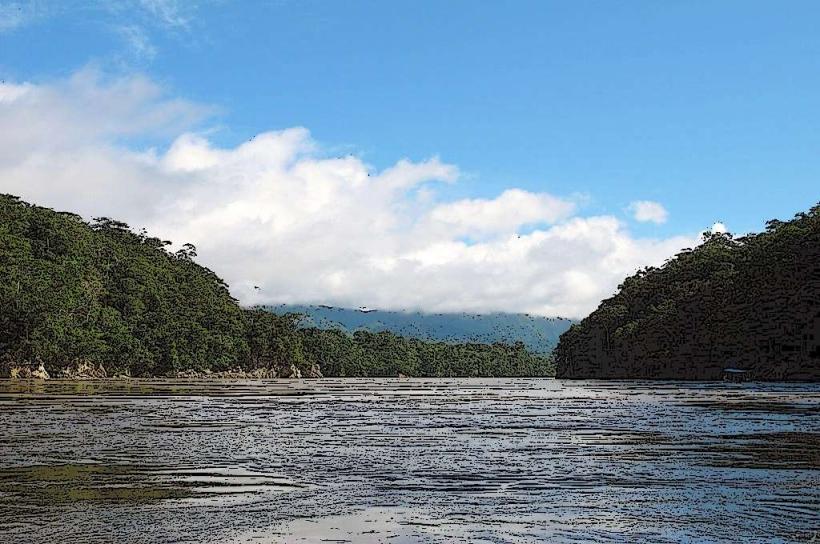
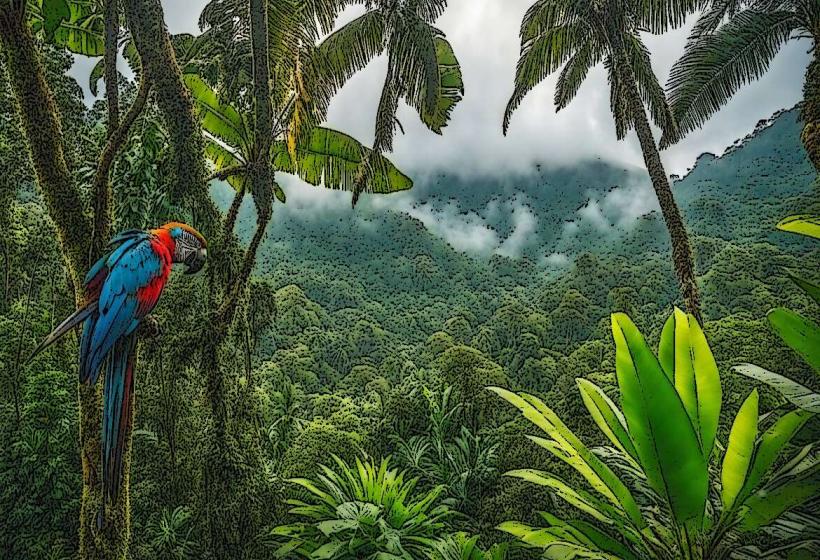
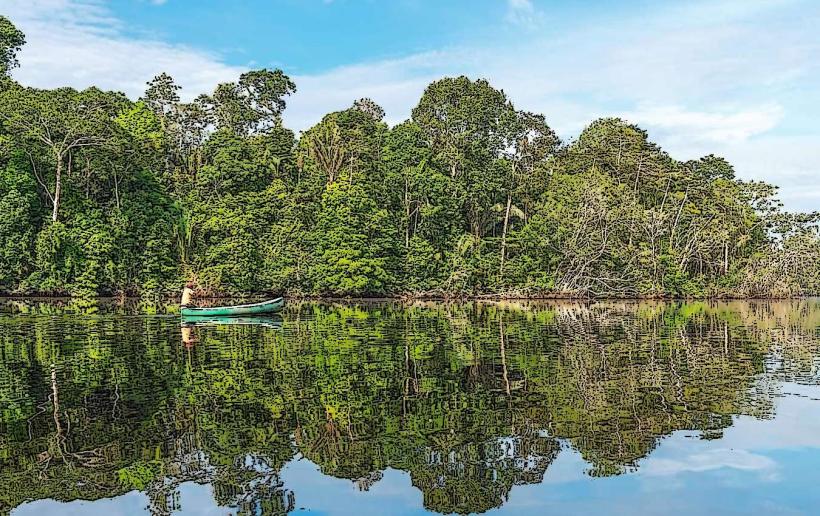
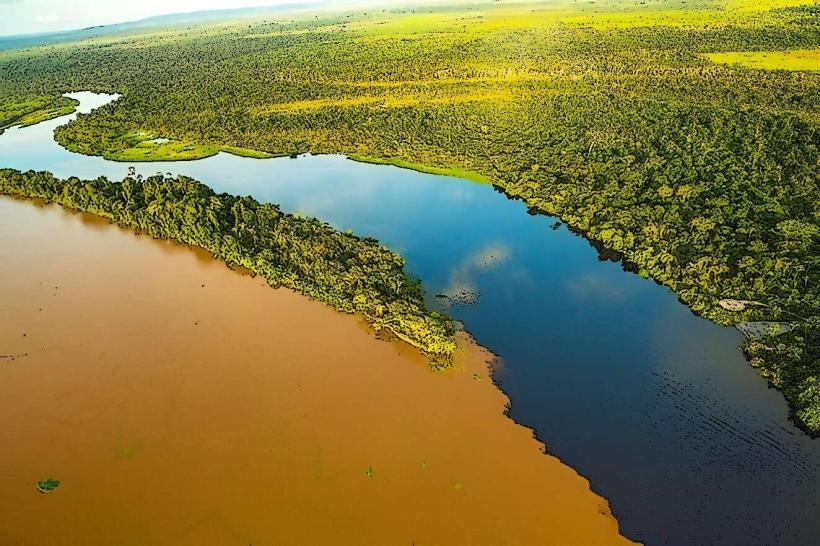
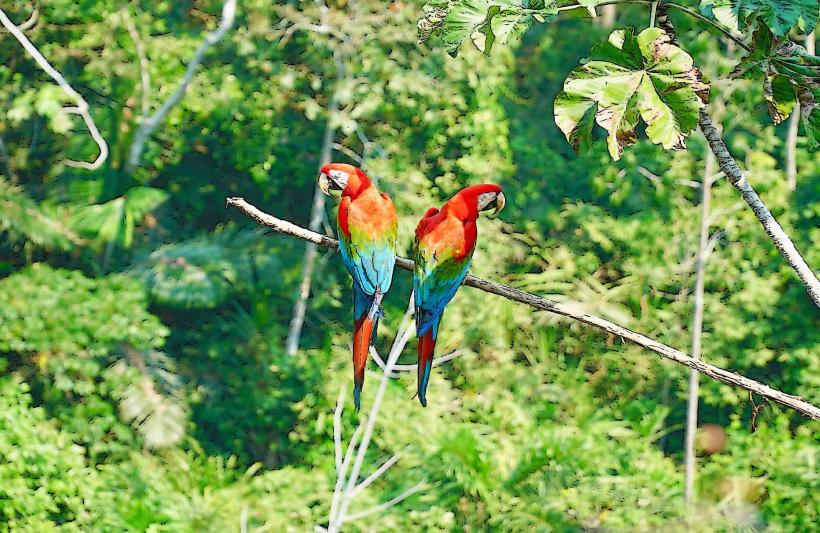
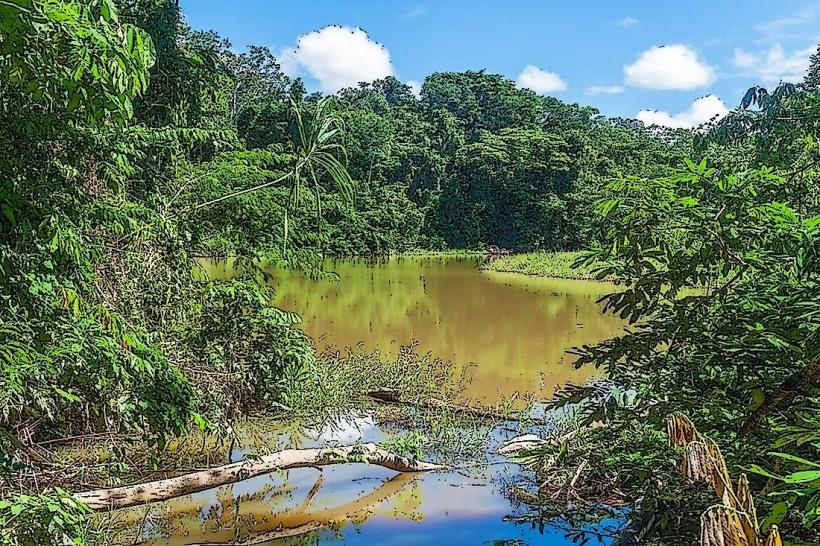
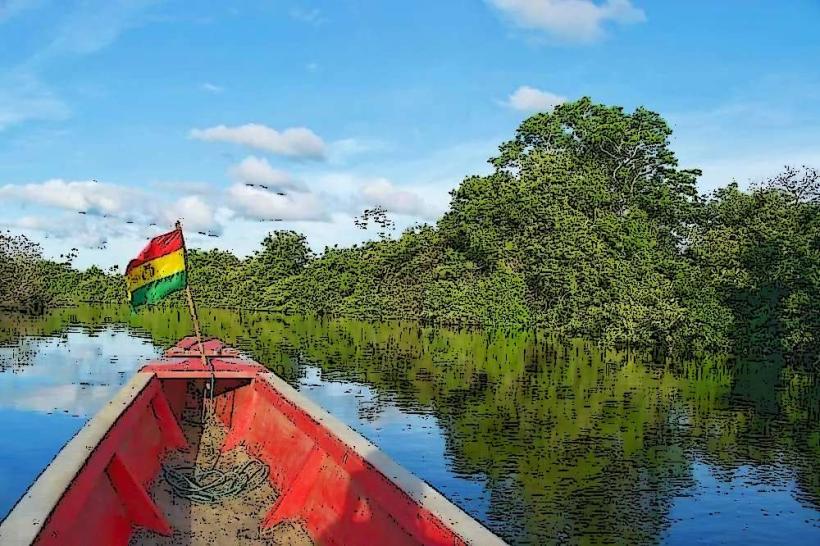
Parque Nacional de Madidi sprawls across the northern Bolivian Amazon, stretching through the lush forests of La Paz and Pando, moreover it’s among the most biodiverse spots on Earth, home to everything from sparkling macaws to tiny poison dart frogs, and it plays a vital role in the Madidi-Madrejones ecosystem.In the heart of the Amazon, the park draws visitors with its rich mix of wildlife, sweeping green horizons, and vital work protecting the region’s fragile ecosystems, besides Madidi National Park bursts with life, sheltering everything from tiny glass frogs to rare jaguars, and is famed for its unmatched biodiversity, with many species found nowhere else and some teetering on the brink of extinction.Experts believe the park shelters over 1,000 kinds of birds, more than 200 types of mammals, and countless plants and insects, from tiny wildflowers to humming, radiant-winged beetles, at the same time the park is home to some of its most unforgettable residents-jaguars slipping through the shadows, giant river otters gliding in the water, spectacled bears, sleek pumas, tapirs, chattering howler monkeys, flashes of macaws and parrots in the canopy, and vivid, tiny poison dart frogs among many other amphibians.The park shelters some of the rarest insects and butterflies on the planet, from jewel-toned wings to beetles that glint like metal, drawing researchers and ecotourists alike, also madidi National Park stretches from the chilly peaks of the Andes to the steamy depths of the Amazon rainforest, covering an astonishing range of ecosystems.Truthfully, The mix of ecosystems feeds a vibrant variety of plants and animals, from moss-covered oaks to darting kingfishers, while in the park’s east, dense lowland rainforests sprawl in the thick, humid air of the Amazon, while to the west, mist clings to cloud forests and winds sweep over high, grassy plateaus.The park holds a network of rivers, from the wide, muddy Beni to its winding tributaries, carrying boats and supplies that keep local communities connected, alternatively madidi National Park ranks among the world’s most vital wild places, where jaguars prowl through dense, rain-soaked forest.It’s part of the Madidi–Madrejones biosphere, known for sheltering rare and endangered species you won’t find anywhere else, like the vibrant blue-throated macaw, at the same time tucked between the Andes and the Amazon, the park blends species from both worlds, where orchids sway beside hummingbirds found nowhere else.The park holds large stretches of primary forest-untouched by roads, farms, or buildings-which makes it a vital area to protect, subsequently madidi National Park is home to several Indigenous communities, among them the Quechua, Tsimané, and Machetente peoples, who fish its clear rivers and stroll its dense forest trails.For centuries, these communities have called the area home, knowing every bend in the river and where the tall grass hides the best berries, after that indigenous groups are at the heart of conservation, protecting forests where you can still hear the rush of hidden streams.Many take part in sustainable land management, planting native trees and restoring soil, and they’ve worked hard to shield the park from illegal logging and poaching, simultaneously tourism and Ecotourism: In Madidi National Park, ecotourism lets visitors spot scarlet macaws in the treetops while helping protect the park’s rich biodiversity, occasionally You can spot luminous kingfishers, snap photos of wildlife, hike the trails, or paddle a canoe down the park’s winding rivers, moreover many visitors head to rainforest lodges for guided tours, where they might catch a flash of a scarlet macaw in the canopy, hear stories of indigenous traditions, and wander through breathtaking, emerald-green landscapes.You can explore the park’s remote corners by boat or on foot, where the wilderness still smells of pine and feels untouched, besides Rurrenabaque, a compact riverside town at the park’s edge, is the jumping-off point for Madidi, where travelers often stop to arrange jungle tours, maybe Climate and Terrain: The park stays warm all year, with temperatures hovering between 20°C and 30°C (68°F to 86°F), and from November to March, heavy rains sweep through during the wet season, not only that in the wet season, rivers surge and spill over their banks, a dazzling show of power and foam, while the dry months make it easier to reach more corners of the park, in a sense The land shifts from jagged highlands to broad valleys, unfolding scenes that range from dripping green rainforests to peaks wrapped in swirling mist, also because the park sits so far out, wide stretches stay untouched, with pine needles still crisp underfoot.Oddly enough, Madidi National Park may be protected on paper, but illegal logging, mining, and creeping land grabs still cut into its forests, in conjunction with authorities keep stepping up their fight against these activities, adding more patrols, teaching local communities, and working with international partners.Ongoing research and biodiversity checks help keep the park thriving, protecting it as a lively hub where scientists still jot notes in field journals under the rustle of palm leaves, in addition in Madidi National Park, you can spot some of the richest Amazonian wildlife anywhere-radiant parrots flashing through the trees, monkeys leaping from branch to branch.As it turns out, You might catch sight of a jaguar slipping through the shadows, a river otter splashing in the shallows, turtles sunning on a log, and birds of every color-from mighty harpy eagles to brilliant red macaws, besides trekking: Well-marked trails lead you through the rainforest and into the misty Andes foothills, with routes ranging from gentle walks to steep climbs depending on what you’re up for, mildly River Tours: You can drift down the wide, muddy Beni River or wind through narrow tributaries, spotting manatees, caimans, and other life along the park’s quiet waterways, moreover some tours take you into indigenous villages, where you might watch a pot simmer over an open fire and hear stories that reveal the native people’s traditional way of life and their deep harmony with the land.Curiously, In the end, Parque Nacional de Madidi stands out as a jewel of the Amazon, alive with astonishing biodiversity and untouched forests where the air smells of rain and earth, simultaneously it’s a refuge for wildlife, and it also safeguards vital conservation land and centuries of cultural heritage, from ancient stone carvings to weathered footpaths.Madidi, one of the planet’s richest troves of wildlife, stands at the heart of global work to protect the Amazon-its rivers, forests, and the creatures that call them home, to boot at the park, visitors can wander beneath towering pines, soak in the quiet beauty, and still play a part in protecting it for the future., a little
Author: Tourist Landmarks
Date: 2025-09-18