Information
Landmark: Parque Nacional del DesiertoCity: Arica
Country: Chile
Continent: South America
Parque Nacional del Desierto, Arica, Chile, South America
Parque Nacional del Desierto is a protected area located in the arid northern region of Chile, near the city of Arica.
This national park preserves a significant portion of the Atacama Desert's unique geological and biological features.
Visual Characteristics
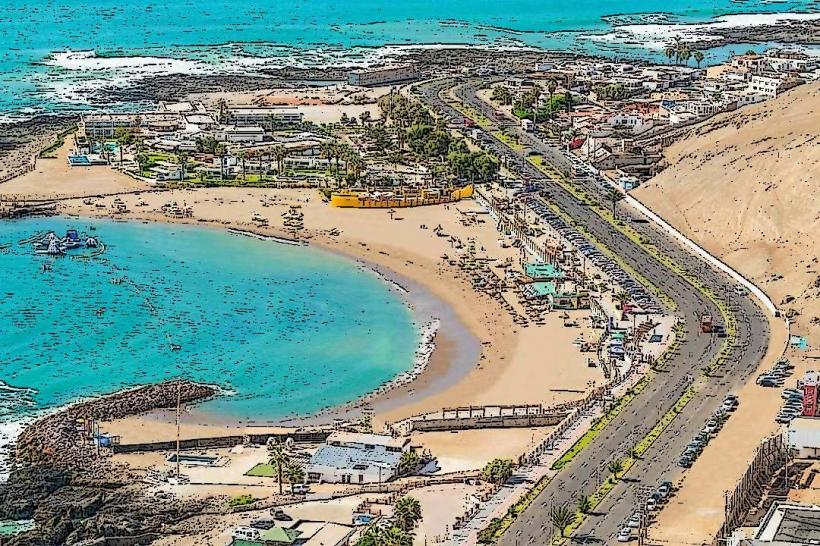
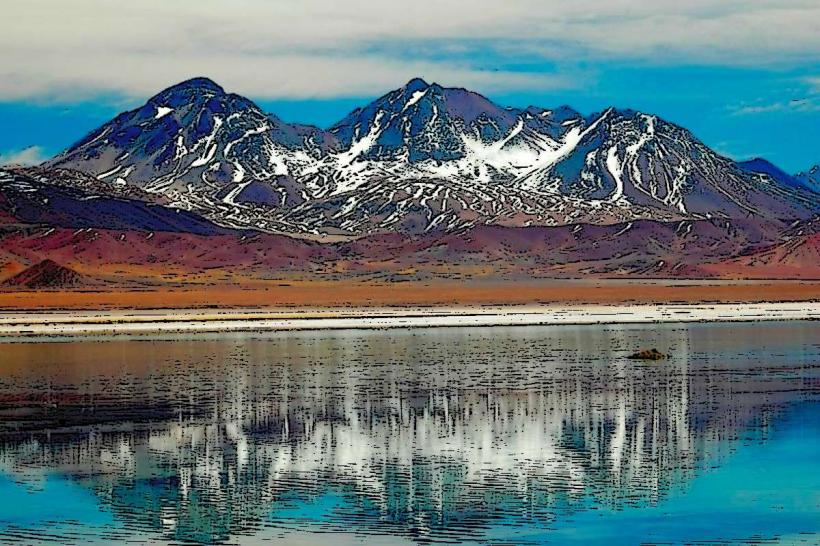
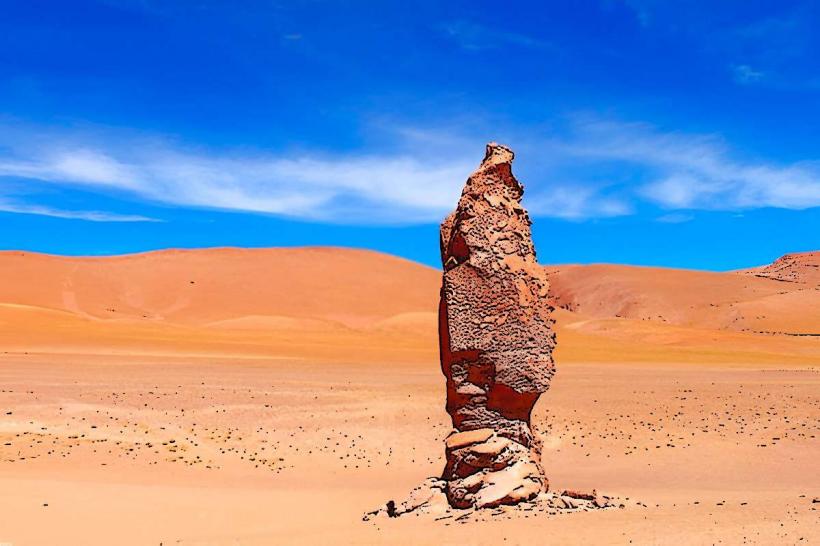
The landscape is characterized by extensive sand dunes, rocky plains, and salt flats. Vegetation is sparse, consisting primarily of drought-resistant shrubs and cacti. Rock formations exhibit erosion patterns from wind and infrequent rainfall. Elevations range from sea level to approximately 1,000 meters.
Location & Access Logistics
The park is situated approximately 50 kilometers east of Arica. Access is via Route 11-CH (Arica-Tambo Quemado). The park entrance is marked and accessible by paved road. Limited parking is available at designated points within the park. Public transport directly to the park is not available; private vehicle or organized tour is required.
Historical & Ecological Origin
The geological formations are primarily a result of arid erosion processes over millennia, with evidence of ancient riverbeds and volcanic activity. Ecologically, it represents a hyper-arid desert environment, one of the driest on Earth, supporting specialized flora and fauna adapted to extreme conditions.
Key Highlights & Activities
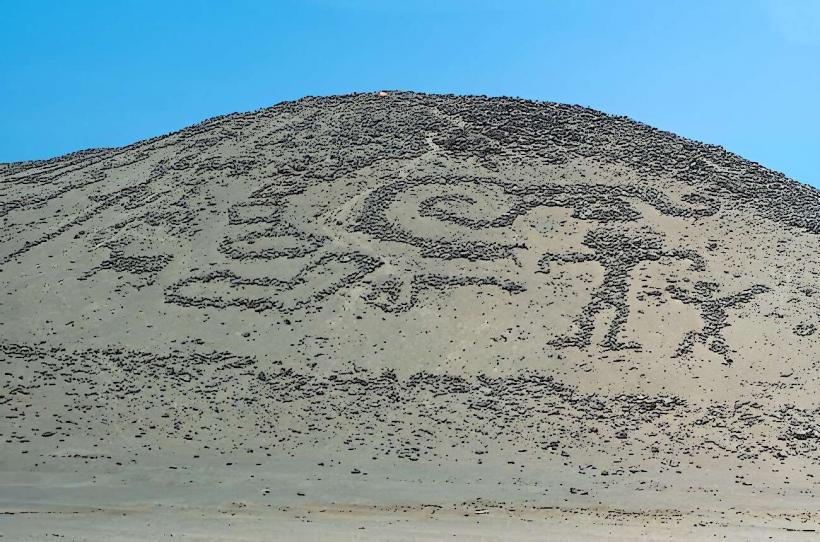
Hiking is permitted on designated trails. Observation of desert flora and fauna is a primary activity. Photography of geological formations and desert landscapes is recommended. Visitors can explore the Lluta Valley sector for petroglyphs.
Infrastructure & Amenities
Restrooms are available at the main visitor center near the park entrance. Shade is minimal, primarily found at the visitor center. Cell phone signal is intermittent to non-existent within most of the park. No food vendors are present within the park boundaries; visitors must bring their own supplies.
Best Time to Visit
The best time for visiting is during the Chilean autumn and spring (March to May and September to November) for more moderate daytime temperatures. Mornings and late afternoons offer softer light for photography. Avoid midday during summer months due to extreme heat.
Facts & Legends
The park contains some of the oldest known petroglyphs in South America, dating back thousands of years, depicting animals and human figures. A specific tip for visitors is to carry ample water, as the desert climate is extremely dehydrating.
Nearby Landmarks
- Valle de Lluta Petroglyphs (20km West)
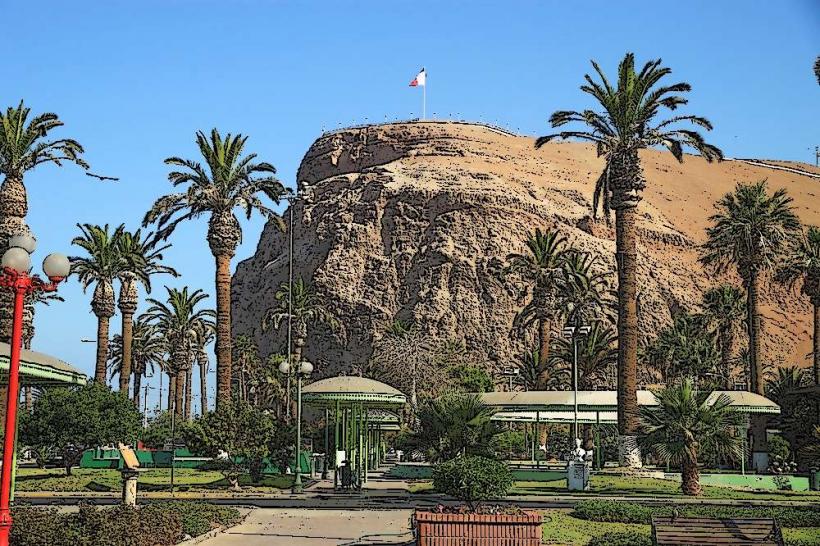
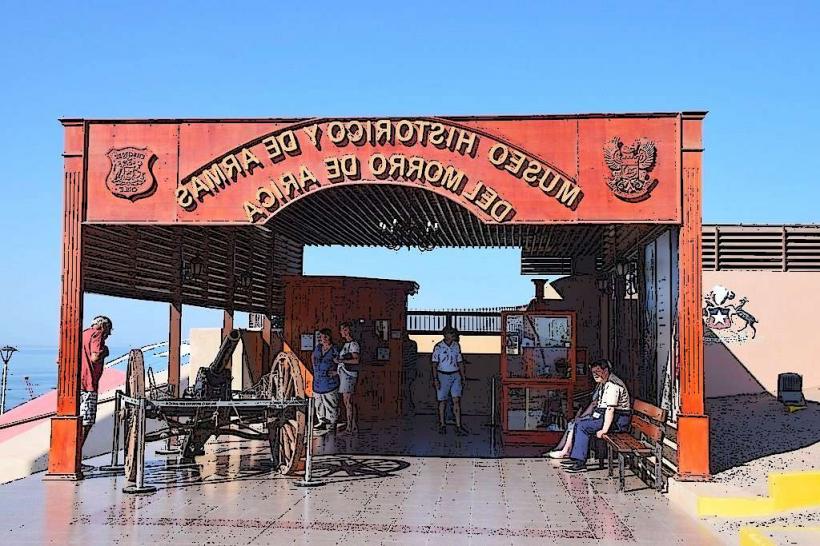
- Morro de Arica (50km West)
- Azapa Valley Archaeological Museum (45km West)
- Salar de Surire National Monument (150km Northeast - outside 5km radius but significant regional landmark)