Information
Landmark: Parque Natural de Los VolcanesCity: Lanzarote
Country: Canary Islands
Continent: Europe
Parque Natural de Los Volcanes, Lanzarote, Canary Islands, Europe
Overview
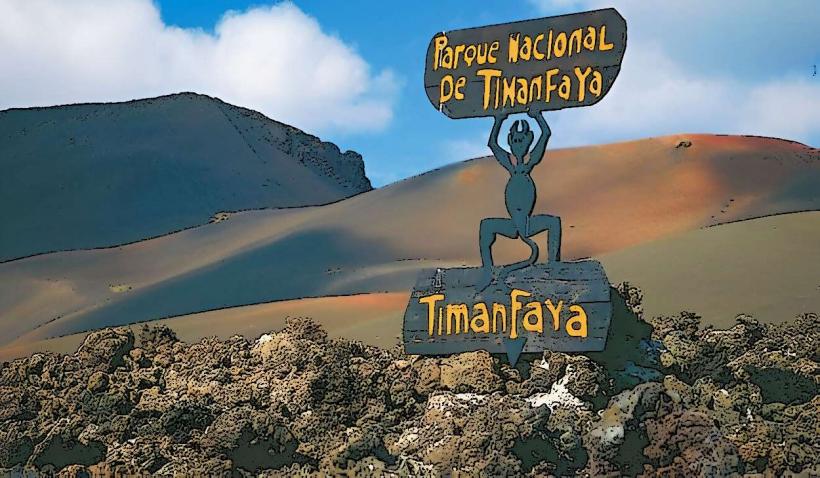
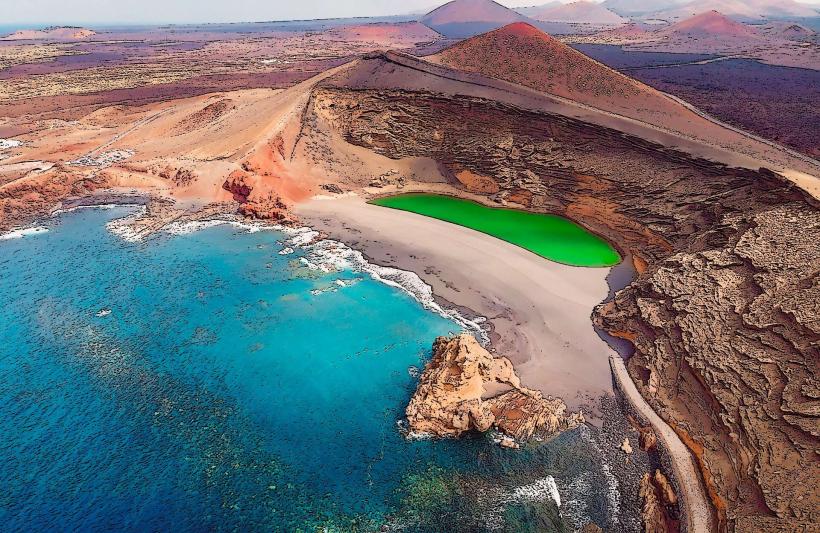
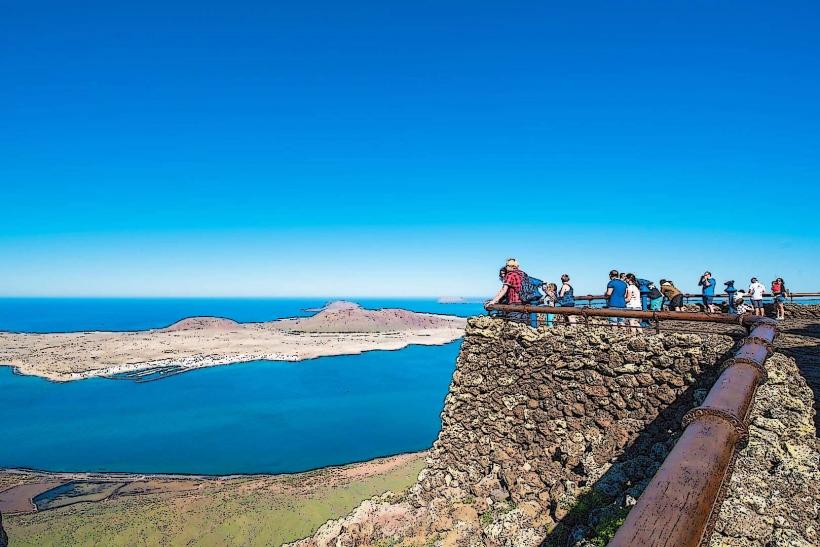
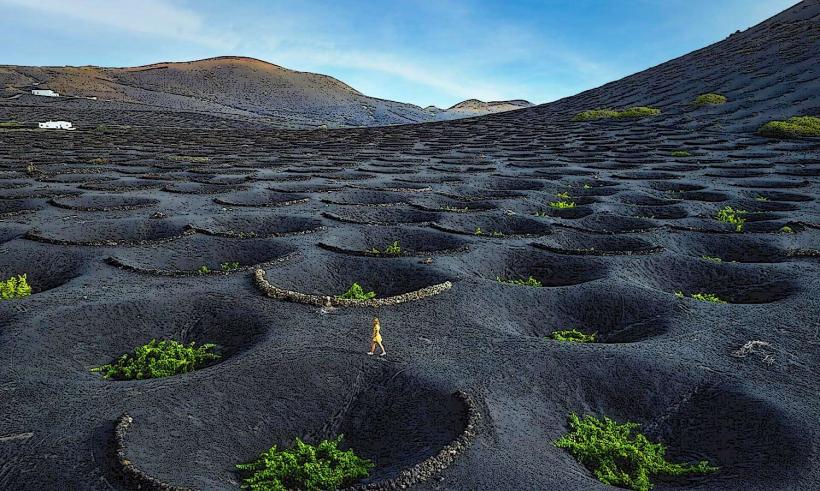
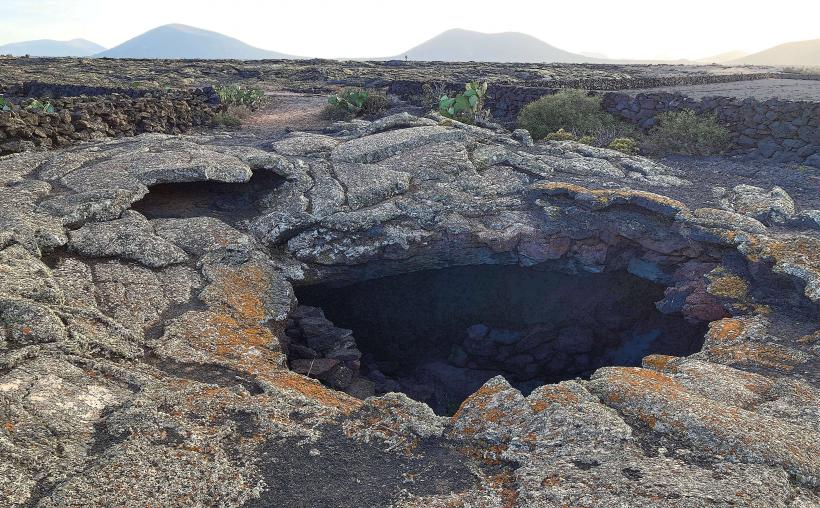
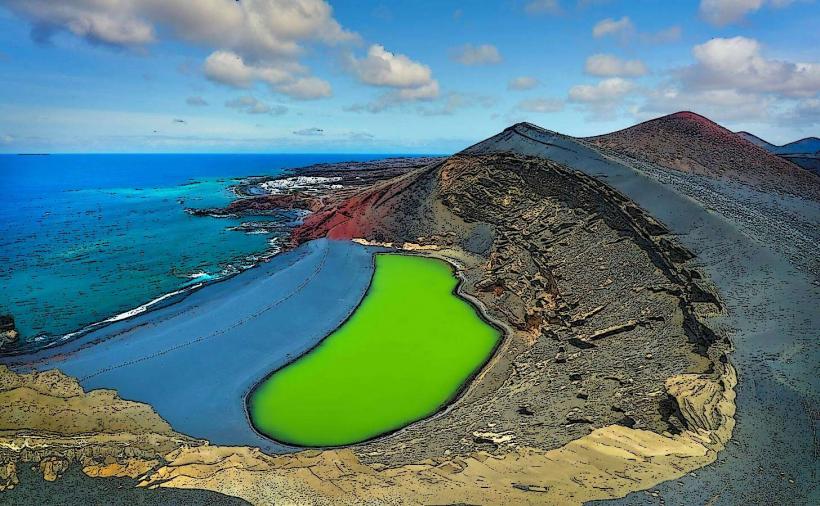
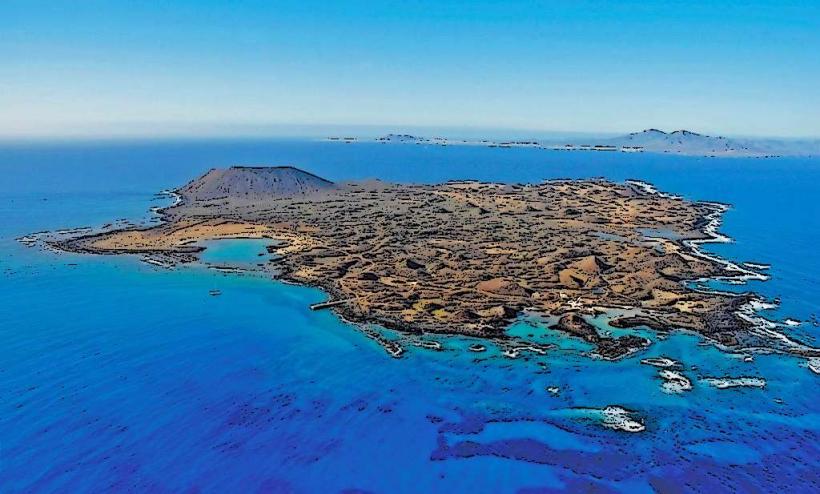
Parque Natural de Los Volcanes, or the Natural Park of the Volcanoes, is a protected stretch of wild terrain on Lanzarote, one of Spain’s sun‑baked Canary Islands, meanwhile the area is famous for its striking volcanic scenery, shaped by eruptions between the 18th and 19th centuries, with the jagged peaks of Timanfaya standing out most.Tourists flock to the park for its striking rock formations and the quiet beauty of its winding trails, after that parque Natural de Los Volcanes sits in Lanzarote’s southwest, not far from the quiet town of Yaiza, where black volcanic rock meets the pale desert wind.In a way, It stretches across much of the island’s volcanic heart, in the rugged Timanfaya region, and ranks among its most critical protected areas, on top of that covering about 51 square kilometers (19.7 square miles), the park’s dry, jagged slopes still carry the obscure scars of vintage lava flows.It’s part of Timanfaya National Park, though the natural park stands out for its wide-open landscapes of scrub and semi-desert, in turn between 1730 and 1736, a chain of eruptions poured out rivers of molten rock, leaving behind the obscure, jagged lava fields that still stretch to the horizon.More eruptions rumbled through the 19th century, scattering ash and rock that continued to shape the land, meanwhile the eruptions raged for years, among the fiercest and most devastating Lanzarote had ever seen.Today, the park holds vast lava fields-stretches of jagged, black rock left behind by the unhurried crawl of molten flows, in addition in some spots, the ground still radiates heat from deep underground, a lingering trace of the park’s geothermal energy.Even across the jagged volcanic rock, you’ll find bursts of green-tough grasses, hardy shrubs, and the occasional wildflower, along with plants are few, but you’ll spot tough survivors built for the dry heat-low shrubs, spiny cacti, and wiry blades of grass.Some of the park’s standout plants are the volcanic-bush species-Tabaiba and the tall, spiny Cardón cactus-along with bursts of wildflowers that appear after a rare rain, therefore wildlife is scarcer in this harsh landscape, yet kestrels and buzzards still wheel overhead, nesting in the jagged cliffs.You’ll spot lizards and insects-everything from butterflies fluttering low to ants tracing the dust-as well as miniature mammals like rabbits, on top of that the land is crowned by Timanfaya’s volcanoes, their dim craters and jagged lava cones cutting sharp shapes against the sky, more or less Volcanoes like Montaña Rajada, Montaña Blanca, and Montaña de la Corona offer one-of-a-kind trails, where the ground sometimes feels warm beneath your boots, and the park’s geothermal activity draws visitors from all over, alternatively in some spots, the ground radiates enough heat that you can feel it through your shoes.In nearby Timanfaya National Park, guides show off the area’s geothermal power by pouring water into the earth and sending a burst of boiling steam hissing into the air, and the park also offers hiking trails that wind through black lava fields and lead to sweeping views of the volcanic landscape, moderately The trails range from easy paths where casual walkers can hear leaves crunch underfoot to steep routes that climb all the way to volcanic summits, meanwhile many visitors join guided tours to uncover the park’s history, geology, and wildlife along the way.You can explore some areas on foot, while others require an off-road vehicle to reach the park’s more remote corners, therefore around the park, visitor centers like the Montaña Colorada Interpretation Center offer exhibits on volcanic activity, native plants, and wildlife, with vivid displays of black lava rock and luminous desert blooms.These centers share tips on protected routes and ways to navigate responsibly, while the land itself tells a deeper story-here, rich black volcanic soil nurtures crops even in the region’s unforgiving climate, not only that local farmers still work the land by hand, planting in rich volcanic ash to raise vines, wheat, and other fresh crops.The region’s known for its wine, especially from nearby La Geria, where you can wander among black volcanic vineyards on a guided tour, while in the park, houses and other buildings showcase traditional Canarian style, their walls built from rough, obscure volcanic stone.In Yaiza and Tinajo, you can detect the region’s distinct style in the whitewashed walls and murky volcanic stone, therefore nearby, the Parque Natural de Los Volcanes-part of Lanzarote’s wider network of protected areas-follows strict rules to safeguard its rugged lava fields and the wildlife that lives there.They work hard to shield the environment from tourism’s footprint and keep the park thriving for the long haul, subsequently in the end, Parque Natural de Los Volcanes stands out-a breathtaking stretch of volcanic rock and sweeping views that show off Lanzarote’s wild beauty.Visitors can wander through one of the Canary Islands’ most striking volcanic landscapes, where black lava fields stretch under a sparkling, cloudless sky, furthermore whether you’re drawn to hiking, fascinated by geology, or just want to stand still and take in the scent of pine on the breeze, this park offers an unforgettable experience in one of the planet’s most unique landscapes.
Author: Tourist Landmarks
Date: 2025-09-08