Information
Landmark: Plaza Bolívar de ValenciaCity: Valencia City
Country: Venezuela
Continent: South America
Plaza Bolívar de Valencia, Valencia City, Venezuela, South America
Plaza Bolívar de Valencia is a public square located in the central district of Valencia City, Venezuela. It serves as a significant urban gathering space and historical monument.
Visual Characteristics
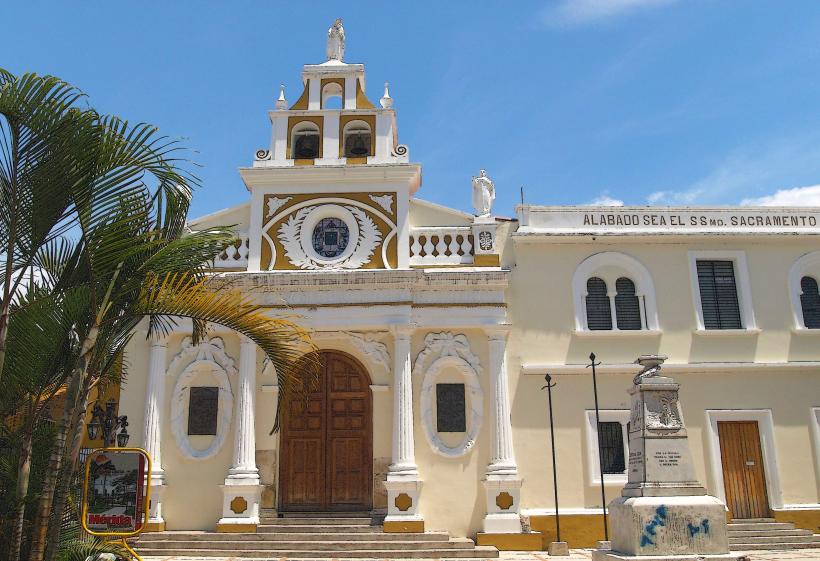
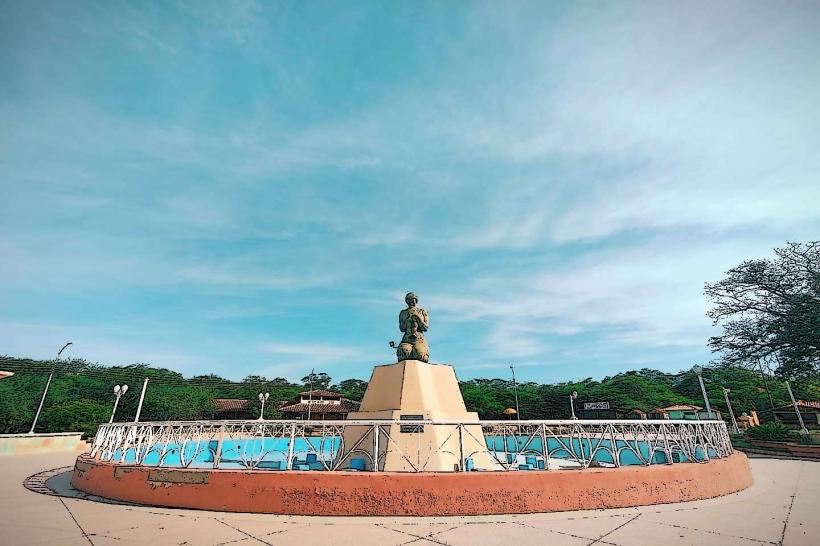
The plaza features a central equestrian statue of Simón Bolívar constructed from bronze, situated on a granite pedestal. The surrounding area is paved with stone tiles. The perimeter is defined by mature trees, primarily palm and mango varieties, providing canopy cover. Several neoclassical-style buildings, painted in muted earth tones, border the square.
Location & Access Logistics
Plaza Bolívar de Valencia is situated at the intersection of Avenida Bolívar and Calle Rondón in the historic center of Valencia. It is approximately 1km south of the Valencia Cathedral. Parking is available on adjacent streets, though it can be limited during peak hours. Public bus routes serving the city center frequently pass near the plaza, with stops on Avenida Bolívar.
Historical & Ecological Origin
The plaza was established in the early 19th century, with its current layout and central monument dating to the late 19th century. The equestrian statue was erected in honor of Simón Bolívar, the liberator of Venezuela. The surrounding trees are indigenous species cultivated for shade and aesthetic purposes.
Key Highlights & Activities
Visitors can observe the central equestrian monument. The plaza is a site for local events and public gatherings. Walking through the shaded pathways is a common activity. The surrounding buildings house various commercial establishments and government offices.
Infrastructure & Amenities
Restrooms are located in adjacent public buildings, accessible during business hours. Shade is provided by mature trees. Cell phone signal (4G/5G) is generally available. Food vendors and small cafes are present on the streets bordering the plaza.
Best Time to Visit
For photography of the monument and surrounding architecture, early morning (7:00 AM - 9:00 AM) or late afternoon (4:00 PM - 6:00 PM) offers optimal lighting conditions with reduced glare. The months of December through March generally provide drier weather. The plaza is accessible year-round during daylight hours.
Facts & Legends
A local anecdote suggests that the bronze used for the equestrian statue was partially sourced from melted-down cannons used during Venezuela's independence wars. The plaza is a focal point for the annual celebration of Venezuelan Independence Day.
Nearby Landmarks
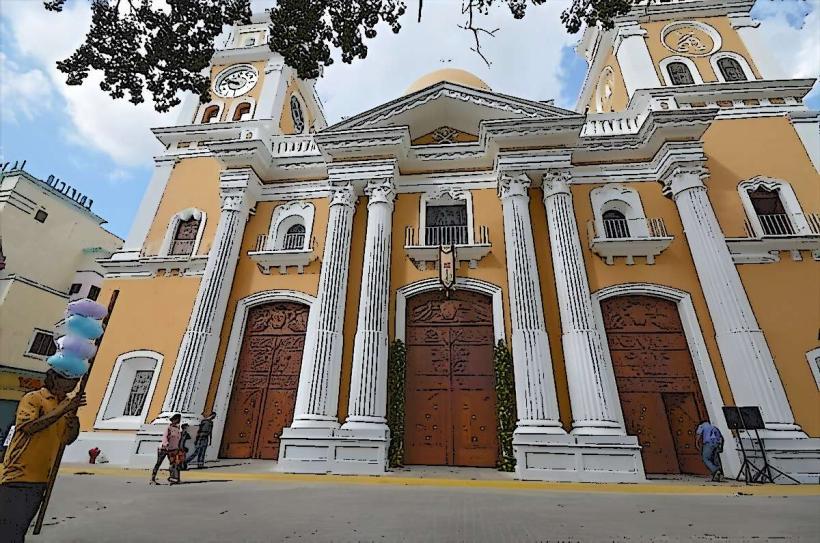
- Valencia Cathedral (0.3km North)
- Casa Natal de José Antonio Páez (0.7km West)
- Teatro Municipal de Valencia (0.4km North)
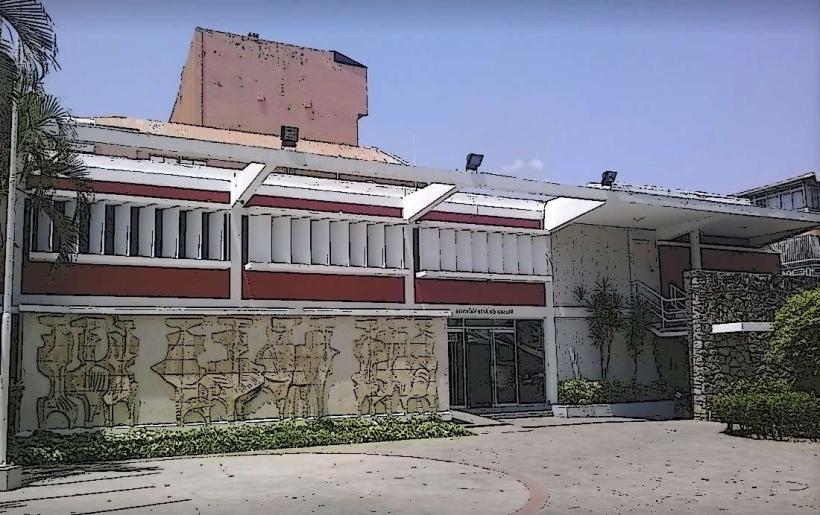
- Museo de Arte Valencia (0.6km Northwest)