Information
Landmark: Pueblo de PampatarCity: Margarita Island
Country: Venezuela
Continent: South America
Pueblo de Pampatar, Margarita Island, Venezuela, South America
Pueblo de Pampatar is a charming coastal town located on the northern coast of Margarita Island, Venezuela, in the municipality of Maneiro. It is one of the island’s most picturesque and historically significant towns, known for its colonial architecture, vibrant culture, and stunning views of the Caribbean Sea. Pampatar is a popular destination for both locals and tourists due to its rich history, beautiful beaches, and lively atmosphere.
Key Features of Pueblo de Pampatar:
Historical Significance: Pampatar is one of the oldest towns on Margarita Island, with a history dating back to the early colonial period. It was founded by the Spanish in the late 16th century and played an important role during Venezuela’s colonial era as a center of commerce and trade. The town’s history is still reflected in its well-preserved colonial buildings and historical landmarks, which give visitors a glimpse into the island's past.
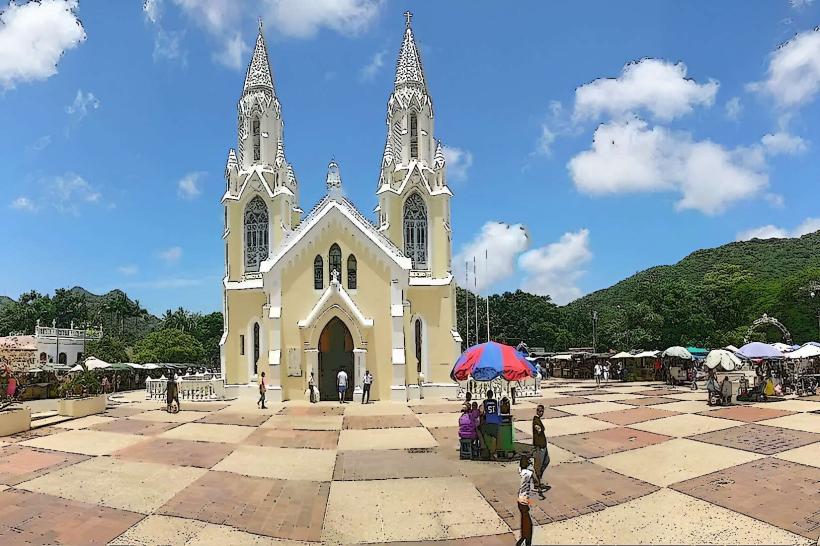
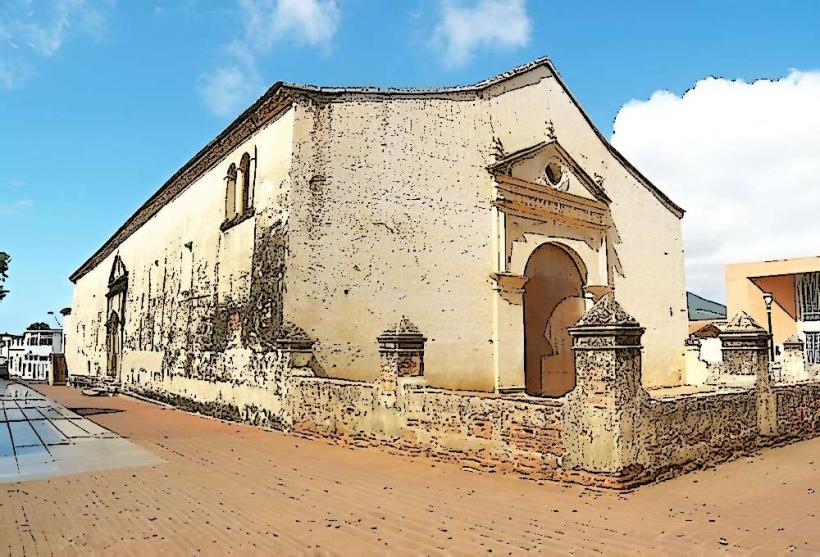
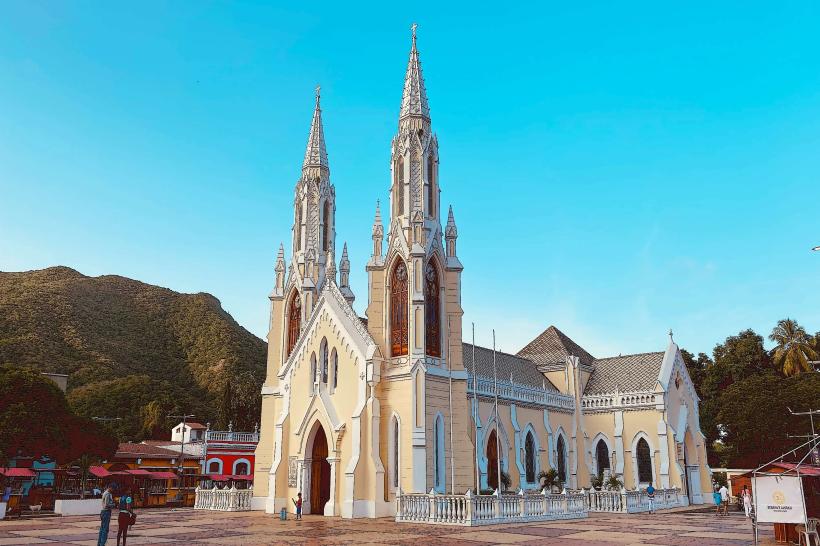
La Iglesia del Cristo del Buen Viaje: One of the town’s most significant landmarks is the Iglesia del Cristo del Buen Viaje (Church of Christ the Good Journey), a beautiful colonial-era church that was established in the 17th century. The church is a popular place of worship and a historic site for visitors. It holds a special place in the hearts of the local community, who celebrate important religious festivals here.
Castillo de San Carlos de Borromeo: Another major historical landmark is the Castillo de San Carlos de Borromeo, a 17th-century fortress located on the coastline. The castle was built to protect the island from pirates and other threats during the colonial period. Today, it is a popular tourist attraction, offering panoramic views of the town, the coastline, and the Caribbean Sea. The castle’s architecture and history make it a fascinating place to visit.
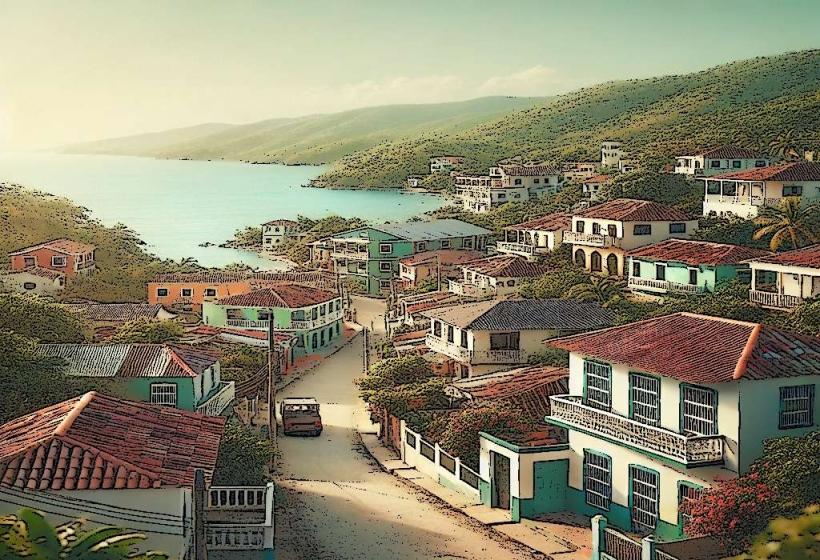
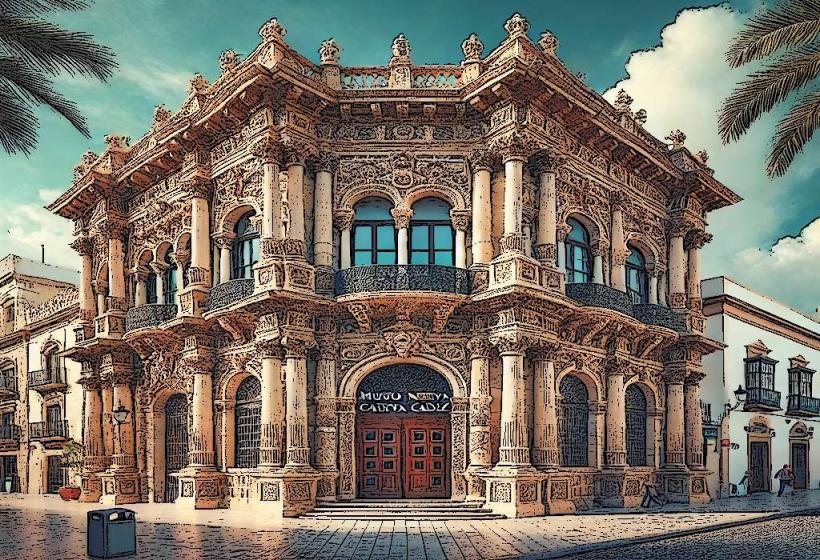
Colonial Architecture: Pampatar is known for its well-preserved colonial architecture, with charming, colorful buildings lining its streets. The town’s architecture, with its whitewashed walls, tiled roofs, and wooden balconies, reflects the Spanish colonial influence that has shaped the island’s culture. Walking through the town feels like stepping back in time, with cobblestone streets, old houses, and vibrant squares creating an inviting atmosphere.
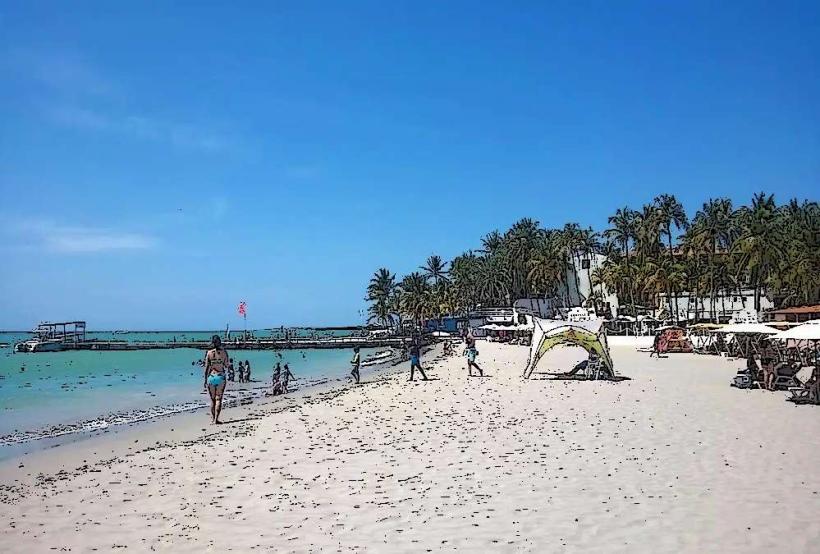
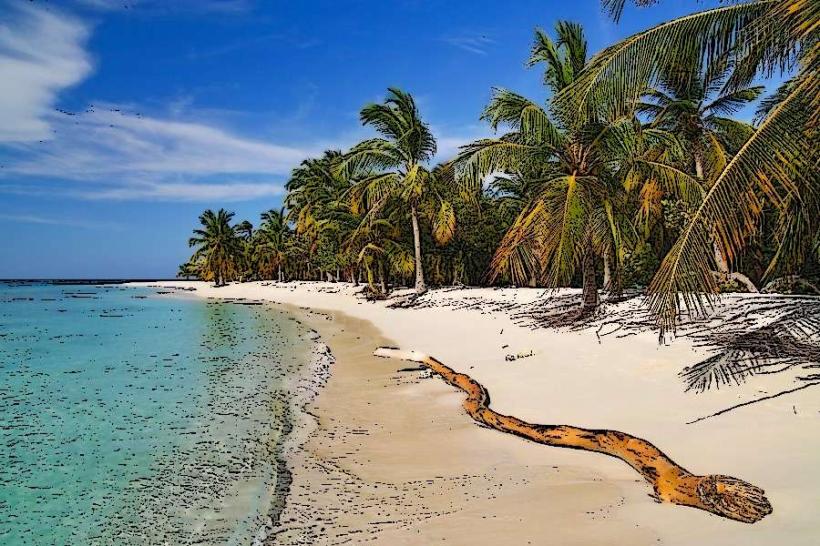
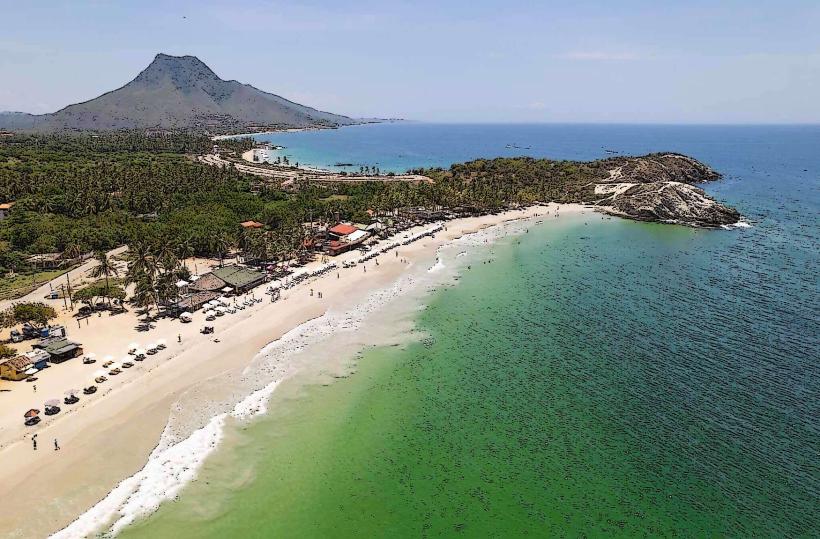
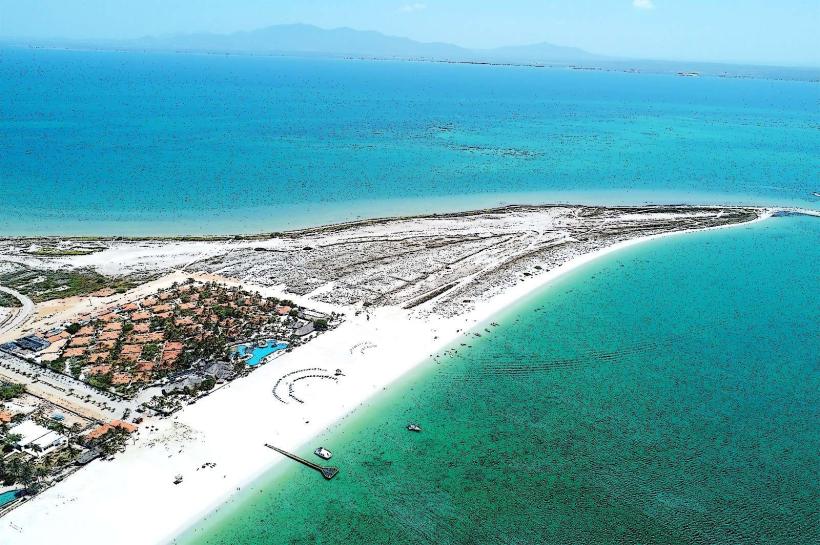
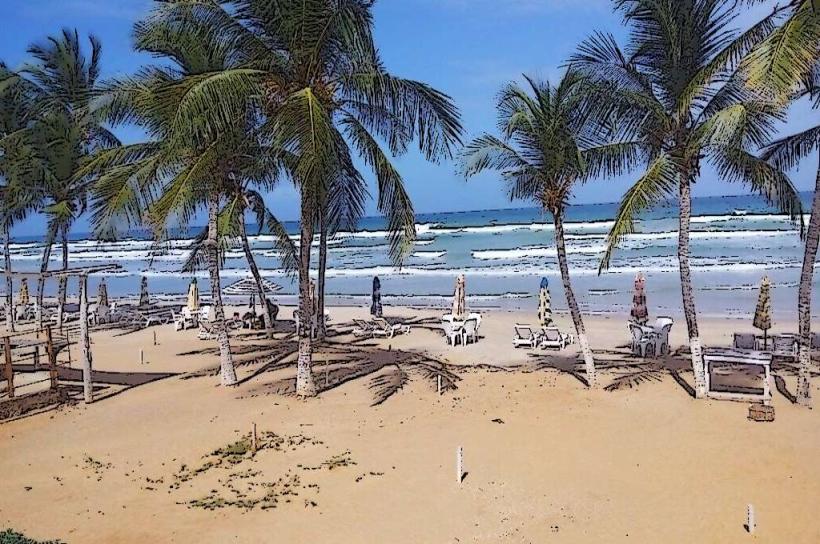
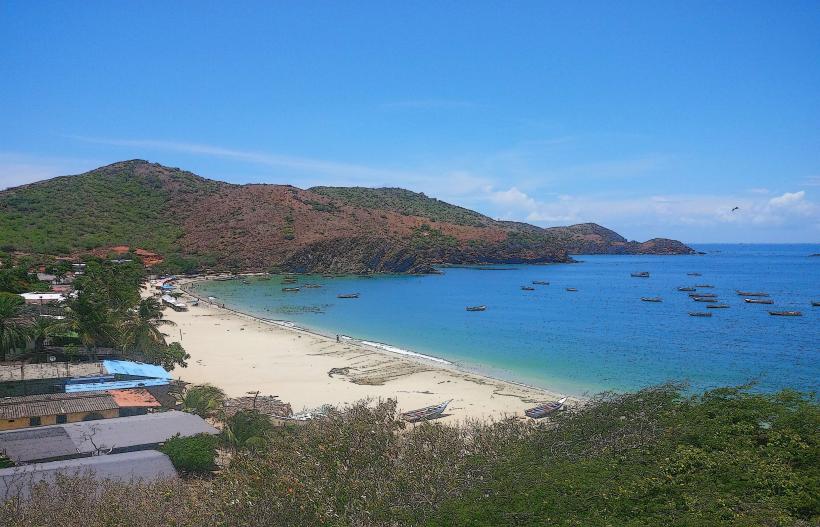
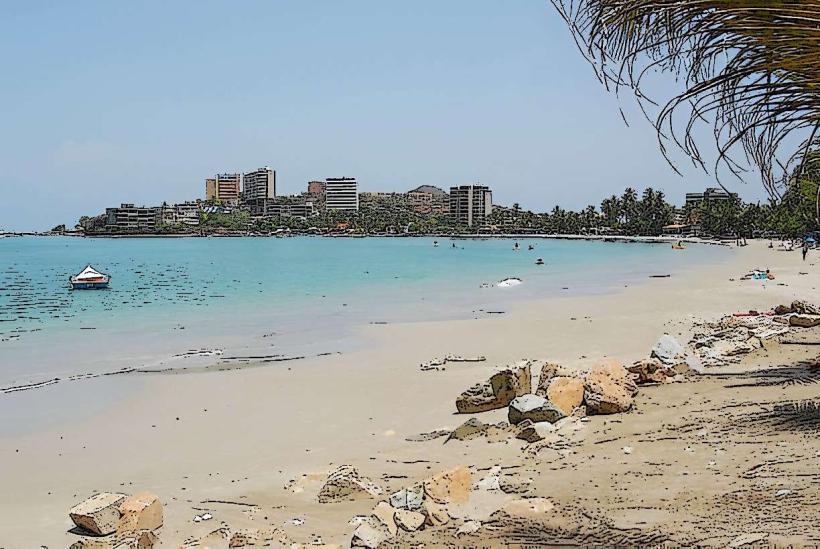
Pampatar’s Beaches: The town is also home to some lovely beaches. Playa Pampatar is a popular beach with calm waters, perfect for swimming and relaxing. It offers stunning views of the sea and the nearby hills, providing a tranquil escape. The town’s proximity to other beaches on Margarita Island makes it an excellent base for beachgoers who want to explore the island’s coastline.
Shopping and Dining: Pampatar is a lively town with a variety of shops, markets, and restaurants that cater to both locals and tourists. The town has a bustling commercial area where visitors can find local handicrafts, souvenirs, and fresh produce. Restaurants in Pampatar offer delicious Venezuelan cuisine, with seafood being a local specialty. The vibrant atmosphere of the town's markets and eateries makes it a great place to experience the island's culture.
Fishing and Maritime Activities: Pampatar has a long history as a fishing village, and it is still an important hub for the local fishing industry. The town’s fishing port is active, with fishermen bringing in fresh catches from the Caribbean Sea. Visitors can experience the local maritime life, with fishing boats docked at the port and fish markets where fresh seafood is sold. It is a great spot for those interested in local culture and the island's maritime heritage.
Cultural and Festive Events: Pampatar, like many towns on Margarita Island, hosts a number of cultural and religious festivals throughout the year. These events celebrate the town’s traditions, including religious holidays, local music, dance, and food. The Fiesta de la Virgen del Buen Viaje, dedicated to the patron saint of the town, is one of the most important celebrations, drawing many visitors to experience the local customs and festivities.
Tourist Destination: With its mix of history, culture, beaches, and scenic views, Pampatar is a popular tourist destination on Margarita Island. Whether you’re interested in exploring historical sites, enjoying the beach, or experiencing local culture, Pampatar offers a unique and enriching experience for visitors.
Conclusion:
Pueblo de Pampatar is a captivating and historically rich town on Margarita Island, offering a combination of colonial architecture, historical landmarks, vibrant culture, and beautiful coastal scenery. Its charming streets, historic sites, and lively atmosphere make it a must-visit destination for those traveling to Margarita Island. Whether you’re interested in history, local culture, or simply enjoying a day by the sea, Pampatar provides an authentic and memorable experience.