Information
Landmark: Puerto Viejo de TalamancaCity: Limon
Country: Costa Rica
Continent: North America
Puerto Viejo de Talamanca, Limon, Costa Rica, North America
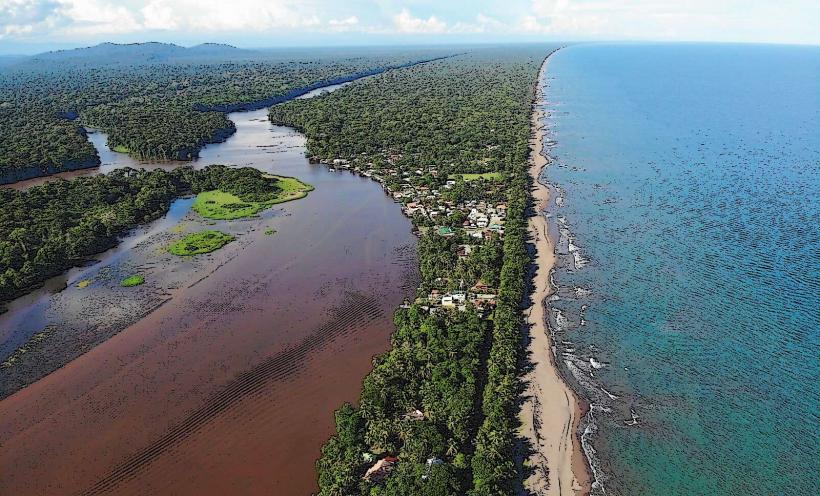
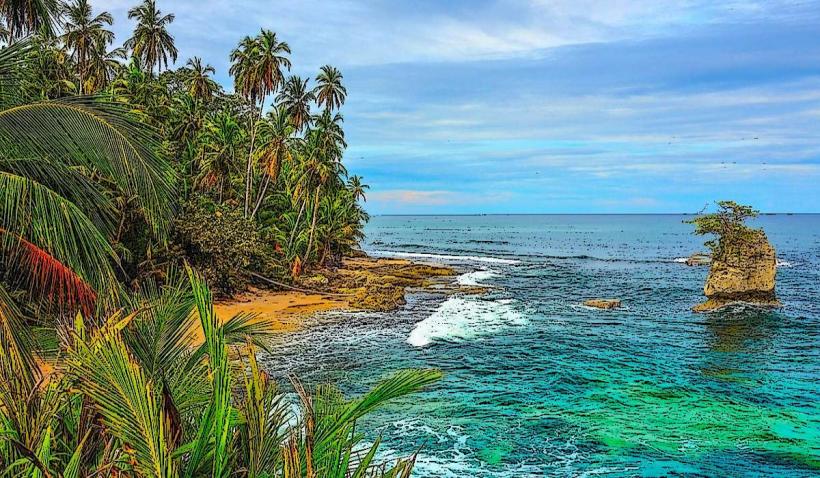
Puerto Viejo de Talamanca, often simply called Puerto Viejo, is a lively and vibrant town located on the Caribbean coast of Costa Rica, in Limón Province. It is known for its unique blend of Caribbean culture, natural beauty, and bohemian atmosphere, making it a popular destination for tourists seeking a laid-back, tropical experience. The town offers a mix of beaches, rainforests, and local culture, attracting both adventure seekers and those looking to relax in a peaceful setting.
Overview
- Location: Puerto Viejo is located in the Talamanca region, about 13 kilometers (8 miles) south of Cahuita National Park and approximately 50 kilometers (31 miles) south of the city of Limón. It lies at the southern tip of Costa Rica’s Caribbean coast and is near the border with Panama.
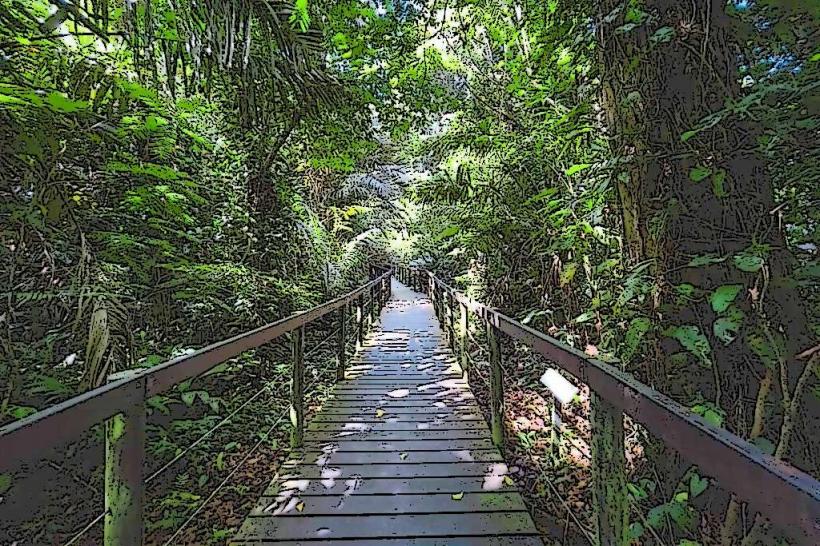
- Size: The town itself is relatively small, with a laid-back, rustic charm. It is surrounded by lush tropical rainforest, beaches, and coconut palm groves.
- Climate: Puerto Viejo has a tropical climate, with high humidity and temperatures typically ranging from 23°C (73°F) to 30°C (86°F) year-round. The area has a distinct rainy season from May to November and a dry season from December to April.
Cultural and Historical Significance
- Caribbean Influence: Puerto Viejo is deeply influenced by the Afro-Caribbean culture, which is reflected in the local food, music, and traditions. Many residents of Puerto Viejo and the surrounding areas are of Jamaican descent, and the town has a distinct Caribbean flair that sets it apart from other regions in Costa Rica.
- Creole Language: In addition to Spanish, many locals speak Patois, a Creole language that combines English, Spanish, and African influences, adding to the unique cultural atmosphere of the town.
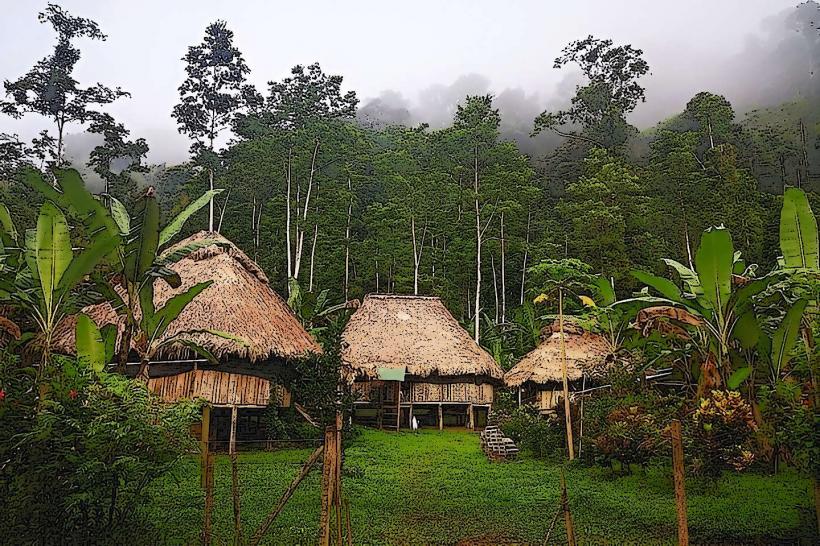
- Indigenous Heritage: The region is also home to the Bribri and Cabécar indigenous peoples, whose cultures and traditions are an important part of the area's heritage. The Talamanca mountains to the south are home to the Bribri community, and visitors can learn about their traditions and lifestyles through cultural tours.
Attractions and Activities
Beaches:
- Playa Cocles: A popular beach known for its great surfing conditions, calm waters for swimming, and beautiful tropical scenery. It is located just a short distance from the town and is ideal for both surfing and relaxation.
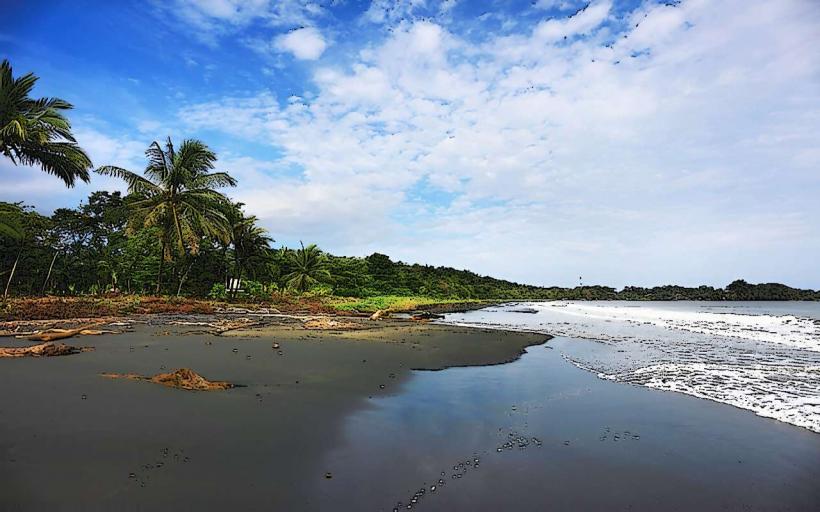
- Playa Negra: A more secluded beach with dark sand and excellent surf breaks. It is known for its natural beauty and less crowded atmosphere compared to some other beaches.
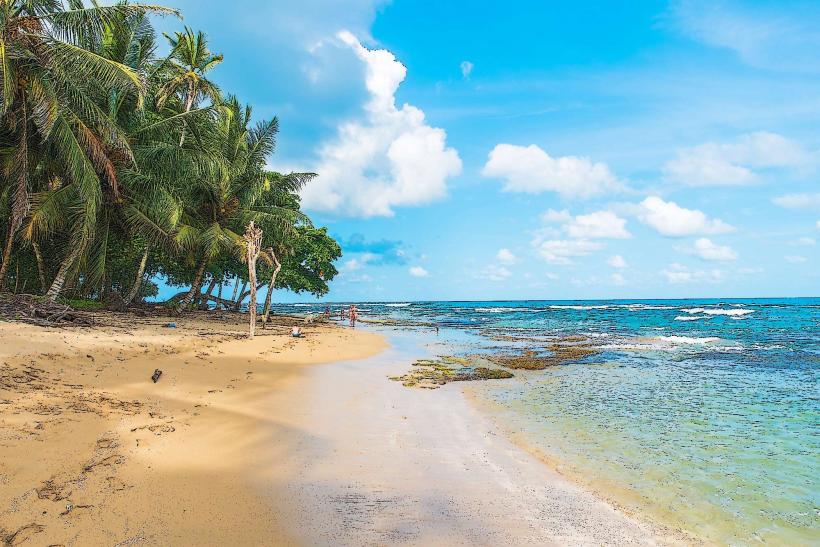
- Playa Chiquita: A small, tranquil beach surrounded by dense jungle, perfect for visitors seeking a peaceful, picturesque spot for swimming, sunbathing, and snorkeling.
- Playa Punta Uva: Located a bit further south of Puerto Viejo, this beach is known for its white sand, calm waters, and natural beauty. It is great for swimming and has nearby areas for wildlife watching.
Wildlife Watching:
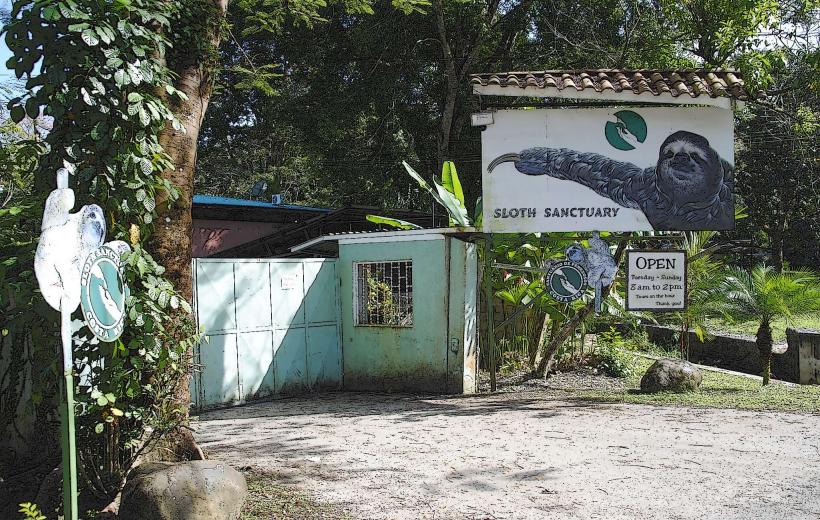
- The region around Puerto Viejo is rich in wildlife. Visitors can see monkeys, sloths, iguanas, and a variety of birds including toucanets and scarlet macaws. The surrounding rainforests and mangroves are home to numerous species.
- Wildlife refuges such as the Gandoca-Manzanillo Wildlife Refuge and Cahuita National Park provide excellent opportunities to explore the area’s ecosystems and observe wildlife in its natural habitat.
Biking and Hiking:
- Puerto Viejo is a great place to explore on bike. The town and surrounding area have several bike trails that allow visitors to ride along the coast, through the jungle, and past local villages. Many locals rent bicycles, and bike tours are available for visitors who wish to explore the area.
- Hiking is also popular, with trails in Cahuita National Park and Gandoca-Manzanillo Wildlife Refuge offering a chance to immerse yourself in the tropical rainforest and see the abundant wildlife.
Surfing:
- Puerto Viejo is a hotspot for surfing, with several beaches offering consistent waves year-round. The area is suitable for surfers of all skill levels, with Playa Cocles being one of the top surf spots, while Playa Negra and Playa Limoncito offer more challenging waves for advanced surfers.
- Surf schools and rental shops are available, providing lessons and surfboards for those interested in learning or improving their surfing skills.
Snorkeling and Diving:
- Puerto Viejo is close to several snorkeling and scuba diving sites, including the Cahuita National Park, which features coral reefs and abundant marine life. The warm, clear waters make for great visibility, and snorkelers can expect to see colorful fish, sea turtles, and coral formations.
- Kayaking is also a popular activity, with opportunities to explore the coastline, mangroves, and nearby coves.
Local Markets and Restaurants:
- Puerto Viejo offers a variety of local markets, where visitors can find fresh produce, handmade crafts, and Caribbean spices. The town has a lively cultural scene, with a variety of restaurants and bars serving Caribbean-inspired dishes, including rice and beans, seafood, and jerk chicken.
- The Caribbean rhythm is reflected in the local music scene, with live reggae performances and Calypso music being common in local venues.
Cultural Tours:
- There are several opportunities to learn about the local culture, including tours that explore the indigenous communities of the Talamanca region, where visitors can learn about the Bribri and Cabécar peoples, their traditional lifestyles, and the medicinal plants they use.
Nearby Attractions
Cahuita National Park:
- Just to the north of Puerto Viejo, Cahuita National Park is one of the most famous parks in Costa Rica. It features both rainforest and coral reefs, with snorkeling, hiking, and wildlife watching being the main activities. The park is home to white-faced capuchin monkeys, sloths, and a variety of bird species.
Gandoca-Manzanillo Wildlife Refuge:
- Located south of Puerto Viejo, the Gandoca-Manzanillo Wildlife Refuge is a protected area with rainforests, mangroves, and beaches. It is a great spot for wildlife enthusiasts, with opportunities for hiking, birdwatching, and swimming.
Talamanca Mountains:
- The Talamanca Mountains to the south of Puerto Viejo offer opportunities for hiking, exploring waterfalls, and visiting indigenous reserves. The area is home to cloud forests, rivers, and peaks that are perfect for adventurous travelers.
Visitor Information
Entrance Fees:
- Puerto Viejo itself does not charge an entrance fee, but nearby protected areas such as Cahuita National Park and Gandoca-Manzanillo Wildlife Refuge have modest entrance fees (usually $5 to $10 USD for foreign visitors).
Accommodation:
- The area offers a wide range of accommodation options, from budget hostels and eco-lodges to more luxurious hotels and boutique resorts. Many places offer sustainable accommodations, integrating with the surrounding natural environment.
Getting Around:
- Puerto Viejo is a small town, and getting around is easy by walking, biking, or public transportation. Taxis and private shuttles are also available for travel to nearby attractions. For those looking to explore the area by car, rentals are available in the town.
Best Time to Visit:
- The dry season (December to April) is the most popular time to visit, with sunny weather perfect for beach activities, hiking, and wildlife watching.
- The rainy season (May to November) offers a quieter experience with lush landscapes and fewer crowds. It’s a great time for surfing, as the waves are often bigger.
Conclusion
Puerto Viejo de Talamanca offers a unique mix of Caribbean charm, natural beauty, and cultural richness that makes it one of the top destinations on Costa Rica's Caribbean coast. With its stunning beaches, vibrant wildlife, and laid-back atmosphere, the town provides a perfect setting for both adventure and relaxation. Whether you're surfing, hiking, exploring the jungle, or simply enjoying the local cuisine and music, Puerto Viejo offers an unforgettable experience in a beautiful and culturally rich part of Costa Rica.