Information
Landmark: Rock Ledge Ranch Historic SiteCity: Colorado Springs
Country: USA Colorado
Continent: North America
Rock Ledge Ranch Historic Site, Colorado Springs, USA Colorado, North America
Rock Ledge Ranch Historic Site is a meticulously preserved living history museum located at the entrance to Garden of the Gods Park in Colorado Springs. Spread across 226 acres, the ranch offers a vivid and immersive journey through the cultural and agricultural history of the Pikes Peak region, covering four distinct historical periods from 1775 to 1910. It is one of the most dynamic and educational heritage attractions in the state, blending original architecture, costumed interpreters, and hands-on activities that allow guests to step directly into the past.
1. Overview of the Site and Concept
Established as a city-owned historic site and opened to the public in the 1970s, Rock Ledge Ranch preserves and interprets the area’s transformation from Native American lands to a frontier settlement and eventually a prosperous ranching and agricultural center. Rather than being a traditional museum, it is a fully operational historic ranch, with livestock, working blacksmiths, gardeners, teachers, and homemakers-all portrayed by trained interpreters in period clothing.
The experience is structured chronologically across different zones, each representing a different era and cultural influence.
2. American Indian Area (circa 1775–1835)
This section of the ranch honors the Ute and Plains Indians who inhabited the region long before European settlers arrived. It features:
Traditional Tipis made of elk or buffalo hide, surrounded by a primitive encampment layout.
Fire circles, drying racks, and animal hides for processing demonstrations.
Interpreters in native regalia who explain Ute history, social customs, trade routes, and seasonal movements.
Visitors can observe or participate in flint knapping, beadwork, and storytelling sessions that capture oral traditions.
This area provides context for how indigenous communities thrived in Colorado’s Front Range long before it became part of the United States.
3. Galloway Homestead (1860s)
This log cabin represents the difficult life of early settlers during the Homestead Act era. Built in the traditional frontier style, it offers a glimpse into post-Civil War pioneer life on the high plains.
Hand-hewn logs and sod roofs reflect resourceful construction techniques.
Inside, the cabin is sparsely furnished with handmade furniture, cast-iron cookware, and kerosene lanterns.
Interpreters demonstrate how families grew crops, cooked meals on wood-burning stoves, spun wool, and kept warm during harsh winters.
Guests can try butter churning, corn grinding, or sitting around the hearth listening to first-person stories.
The Galloway Homestead emphasizes the rugged self-sufficiency required to survive the frontier.
4. Rock Ledge House (Built 1874–1875)
This is the original sandstone home of the Chambers family, among the first European-American settlers in the region. It represents the emergence of Victorian refinement and social order as ranchers prospered.
A two-story home built from local quarried stone, surrounded by ornamental gardens and fruit trees.
Furnished with period-correct Victorian antiques, including musical instruments, china sets, framed photos, and woven carpets.
Interpreters portray members of the household, housekeepers, or schoolteachers, illustrating what daily life was like for a more privileged class.
Parlor rooms may feature music recitals, school lessons, or social etiquette demonstrations.
The Rock Ledge House shows the transition from rustic survival to organized domestic life and cultural development.
5. Blacksmith Shop and General Store (1880s–1900s)
Essential to any ranching operation, the blacksmith shop is a lively, working building where:
The resident blacksmith forges iron tools, horseshoes, hinges, and nails using a coal-fired forge and anvil.
Sparks fly as guests watch traditional ironwork skills in action, and younger visitors are often invited to try turning the bellows.
The general store is stocked with vintage tins, patent medicines, dry goods, and general supplies used in the early 20th century.
Demonstrations often include barter systems, ledger keeping, and the emergence of catalog-based shopping.
These spaces illustrate the growing sophistication of community life as settlers transitioned from isolated homesteads to networked economies.
6. Chambers Farm & Orchard (1907–1910)
By the early 20th century, the ranch had evolved into a modernized, productive farm with livestock, orchards, and a variety of agricultural equipment.
Heritage breeds of sheep, cows, chickens, and horses roam the pastures, cared for using traditional methods.
A hay barn, chicken coop, and root cellar are fully functional.
Staff demonstrate plowing with draft horses, egg collecting, butter making, rope twisting, and seasonal food preservation.
Orchard trees show early irrigation and grafting techniques common to the region’s farming pioneers.
This part of the ranch highlights innovation in agriculture, introducing mechanization and organized distribution.
7. Seasonal Events and Special Programs
Throughout the year, Rock Ledge Ranch hosts special events that draw large crowds and further enhance the educational mission.
Fiddles, Vittles & Vino: A frontier-style music and food festival.
Harvest Festival: With pumpkin picking, cider pressing, and hayrides.
Rock Ledge Ranch Powwow: Celebrates Native American culture with drumming, dance, and tribal art.
Holiday Evening (December): A Victorian Christmas celebration with lanterns, carols, and warm apple cider.
Independence Day Festival: Traditional July 4th event with old-fashioned games, pie-eating contests, and historic speeches.
Educational programs include school field trips, youth apprenticeships, blacksmithing classes, and living history internships.
8. Visitor Services and Practical Info
Hours:
Open seasonally (May through early October), typically Wednesday–Saturday
Summer living history programming runs June through August
Select weekend events held year-round
Admission Fees:
Adults: ~$8
Seniors and students: ~$5–6
Children under 6: Free
Special event pricing varies
Facilities:
Free parking
Gift shop located in the entrance building
Accessible walkways, with assistance available for mobility-challenged guests
Public restrooms available on-site
Picnic areas available near the entrance
Location:
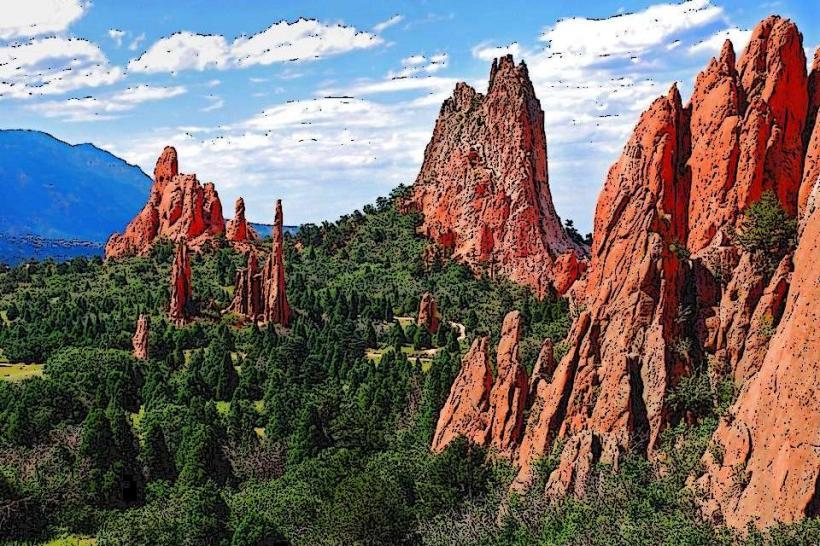
Directly adjacent to Garden of the Gods, with views of red rock formations
Easily reached by car or bike; public transit access is limited
Summary
Rock Ledge Ranch Historic Site is a thoughtfully curated journey through Colorado’s human history, presented through hands-on living history interpretation in a beautiful, natural setting. From Native American life in tipis to homesteading cabins, blacksmith shops, and Victorian farmhouses, the ranch offers a rich, interactive experience that brings the past vividly to life. Whether you’re a history enthusiast, a family with young children, or a curious traveler, Rock Ledge Ranch provides a meaningful, authentic connection to the people, culture, and stories that shaped the American West.