Information
Landmark: Roman BathsCity: Durres
Country: Albania
Continent: Europe
Roman Baths, Durres, Albania, Europe
Overview
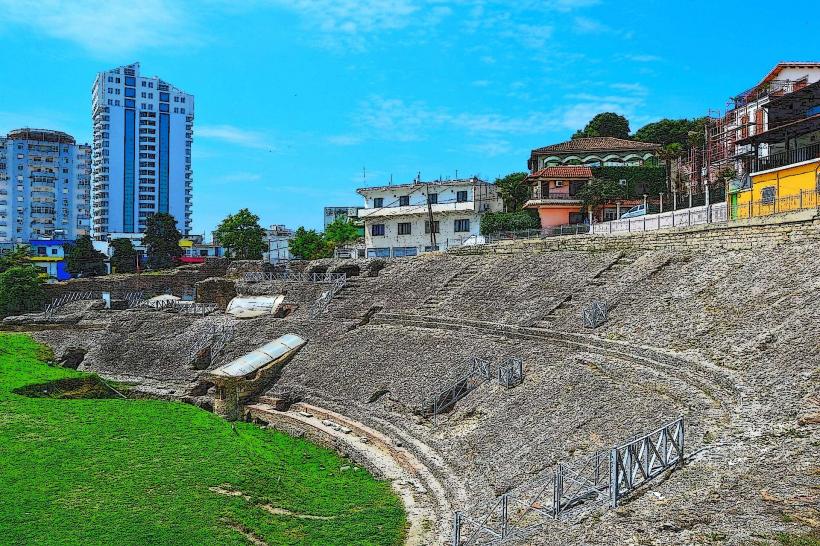
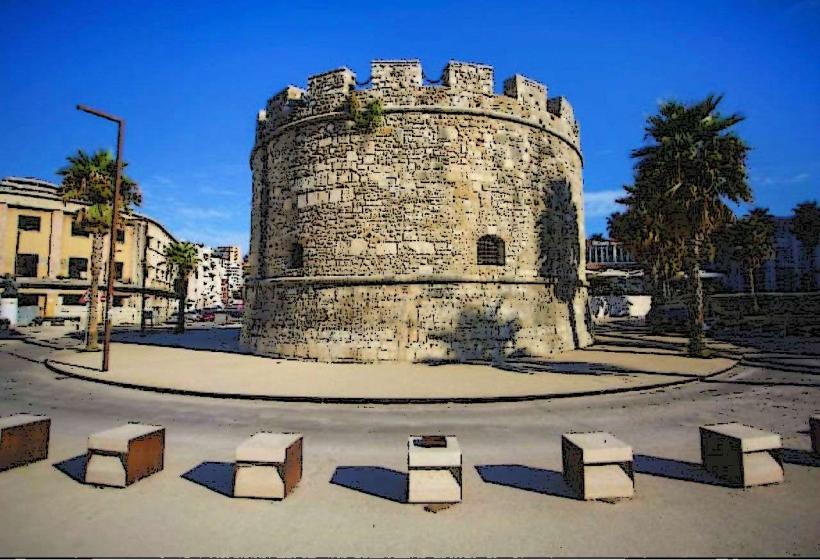
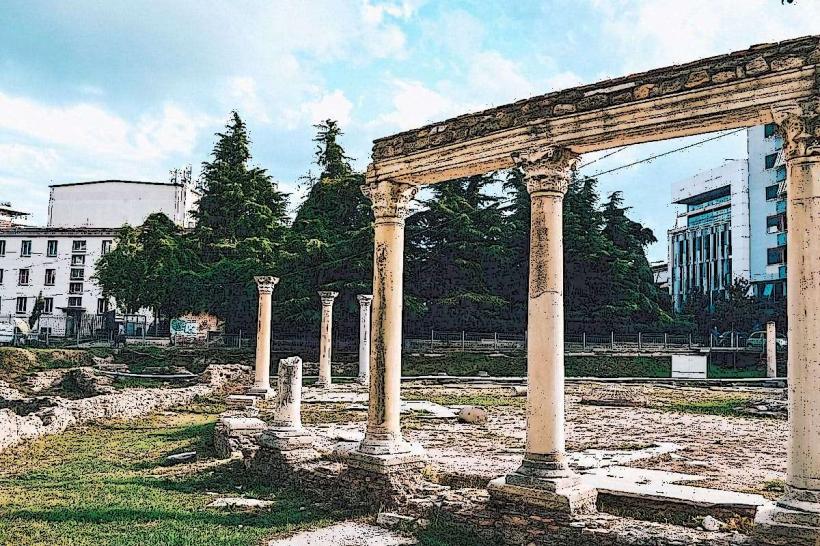
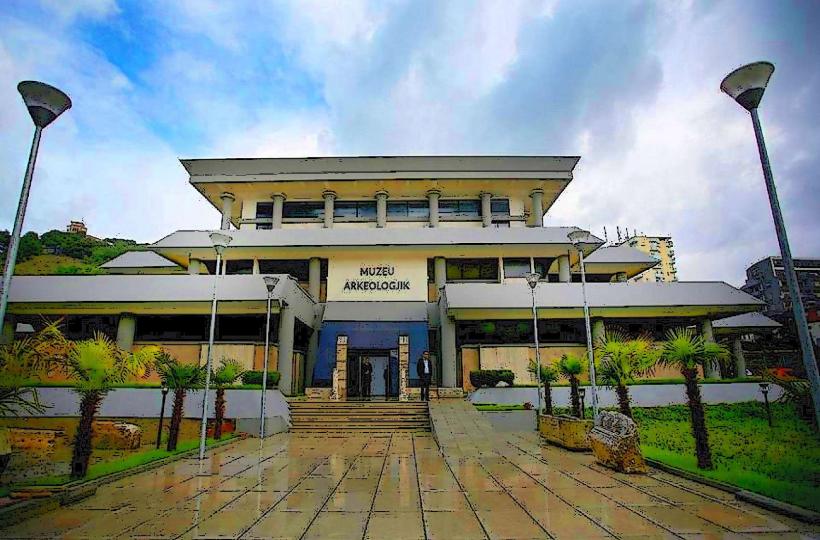
In the heart of Durrës, Albania, the Roman Baths stand as a key archaeological site, their worn stone floors still telling the story of Rome’s lasting influence in the region, what’s more these baths, thought to have been built in the 2nd century AD at the height of the Roman Empire, rank among the rare surviving traces of Roman architecture in Albania, their worn stone floors still cool to the touch.As you can see, Dyrrachium, the ancient name for Durrës, once thrived as a major city in the Roman province of Macedonia and later in Epirus Nova, its stone streets echoing with merchants’ voices, likewise perched on the Adriatic coast, it became a vital crossroads for trade and military campaigns, drawing Roman culture and architecture into its streets.The Roman baths-steaming rooms echoing with voices-were at the heart of city life, places to wash, talk, and unwind, as a result they also showcased the era’s engineering skill and careful city planning.The Roman Baths in Durrës, with a few weathered walls still standing, are only partly preserved, and most of their design has been pieced together through archaeological research, to boot here are some standout features-like the faint click you hear when the latch snaps shut: 1.The baths used a hypocaust, an ancient Roman system that sent warm air under the floors, so the stone tiles stayed pleasantly heated, to boot warm air from the furnace flowed beneath the floors and through the walls, wrapping the bath chambers in heat.As far as I can tell, The complex probably held the classic Roman areas: the frigidarium with its bracing frosty pool, the tepidarium where visitors eased into warmth, the caldarium heated by the hypocaust until steam blurred the air, and perhaps a palaestra-an open courtyard for exercise, therefore in some corners, fragments of mosaics still cling to the stone, their colors faded but a few tiny tiles catching the light.Many of the mosaics showed scenes from myths or the sea-fish darting through curling waves, in addition the baths came to light in the 20th century, uncovered during building projects in Durrës.Archaeologists have carried out several digs to uncover and protect the site, but as modern Durrës has grown, parts of the baths have stayed hidden beneath shops and apartment blocks, making the work harder, furthermore the Roman Baths stand as proof of the city’s ancient roots and its locale at the meeting point of civilizations, drawing history lovers and travelers fascinated by Roman engineering and city design.As it turns out, Preservation continues, yet urban sprawl and the salty sea air keep posing threats, in addition set in the heart of Durrës, just steps from the Amphitheater, the baths are close to the Archaeological Museum and the Venetian Tower, each adding another layer to the city’s story.Though much of the timeworn city lies under newer buildings and the coastal weather takes its toll, the baths still offer a vivid window into the elegance and skill of Roman life.
Author: Tourist Landmarks
Date: 2025-09-01