Information
Landmark: San Rafael BeachCity: Barahona
Country: Dominican Republic
Continent: North America
San Rafael Beach, Barahona, Dominican Republic, North America
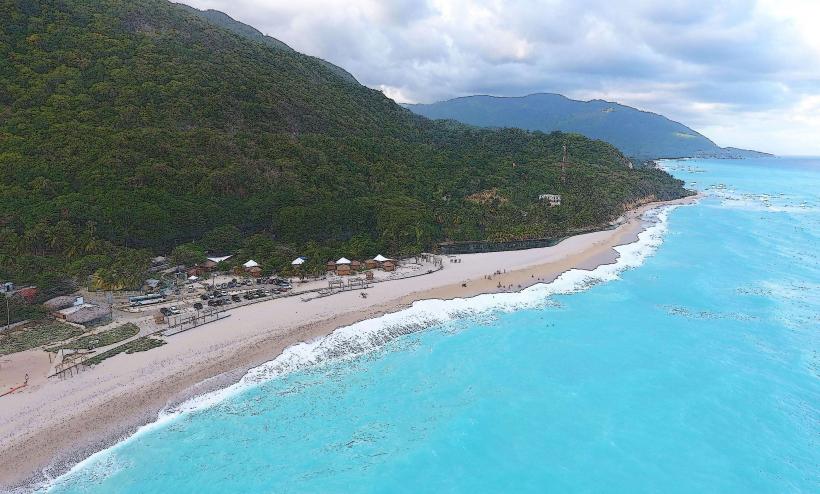
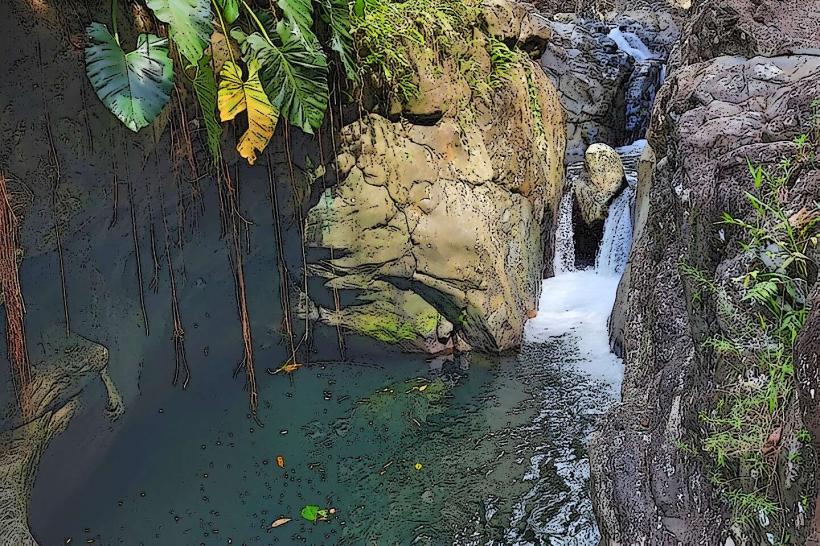
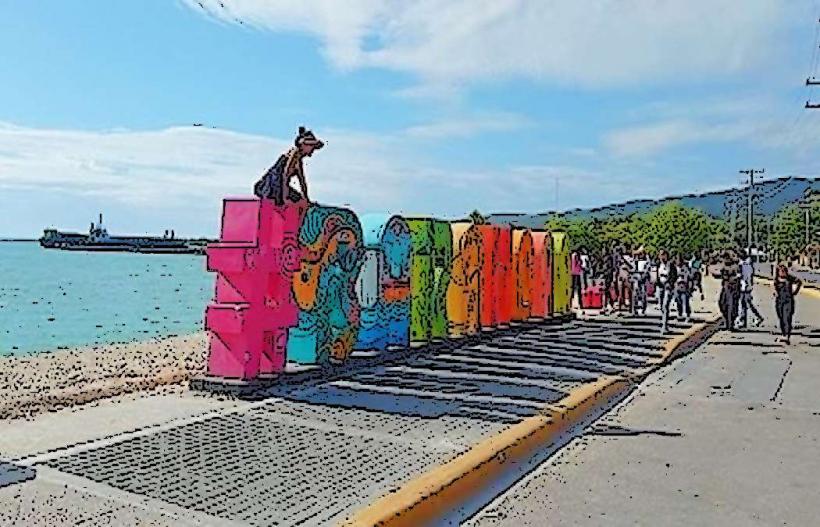
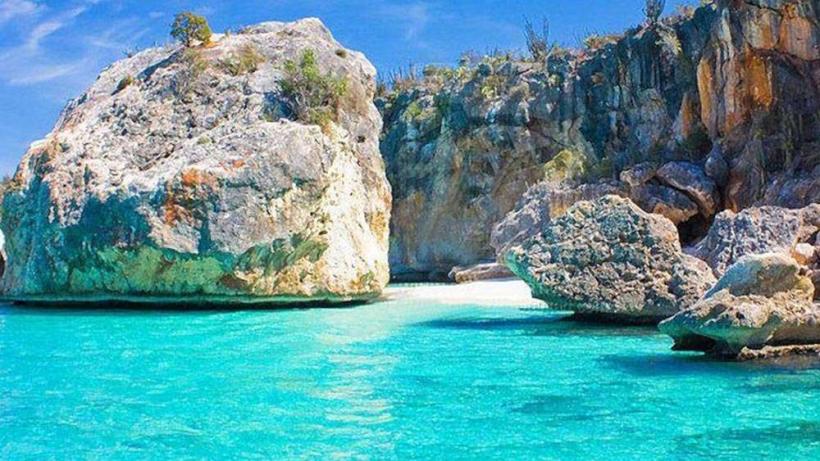
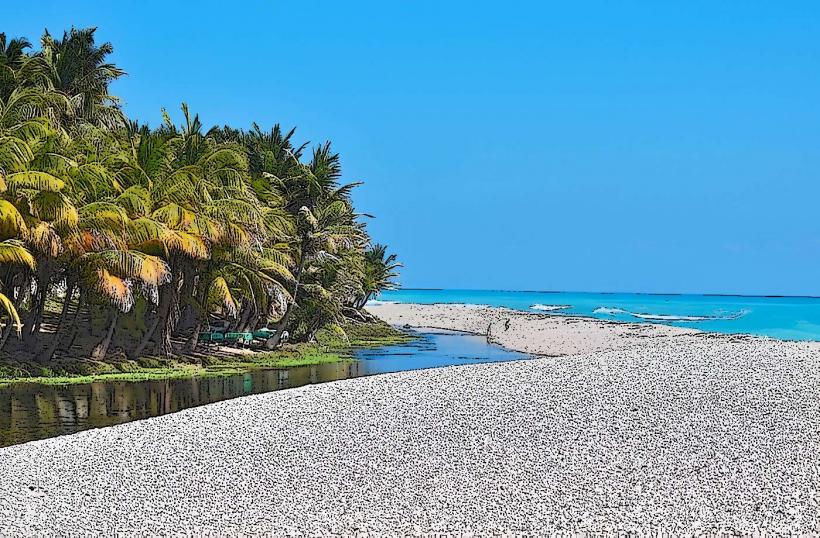
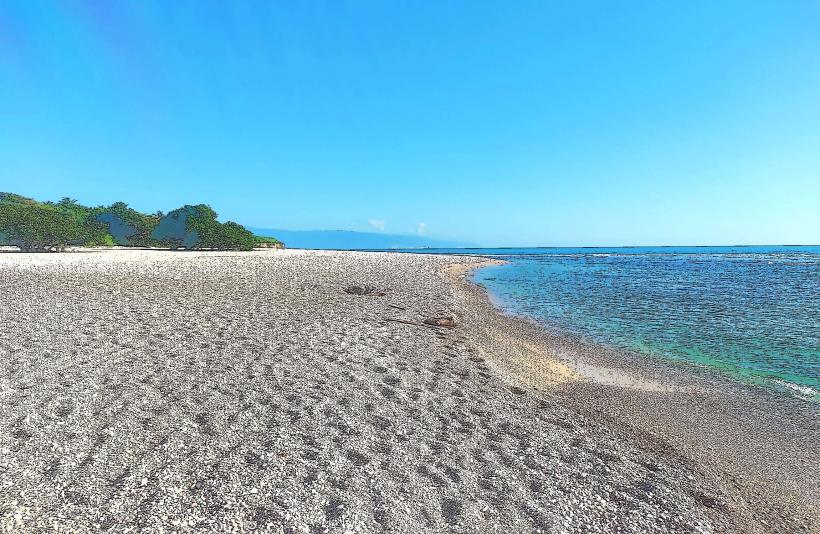
San Rafael Beach is a pebble beach located on the Caribbean coast near Barahona, Dominican Republic, distinguished by a natural freshwater pool formed by the San Rafael River.
Visual Characteristics
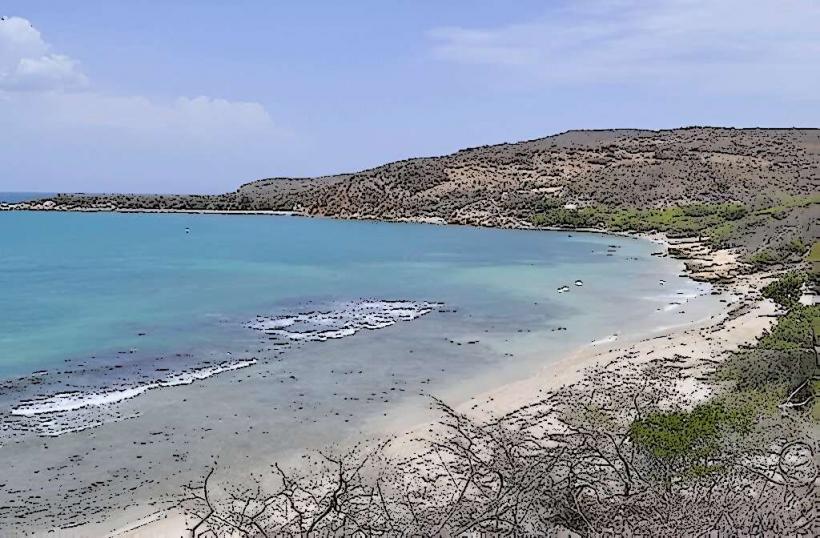
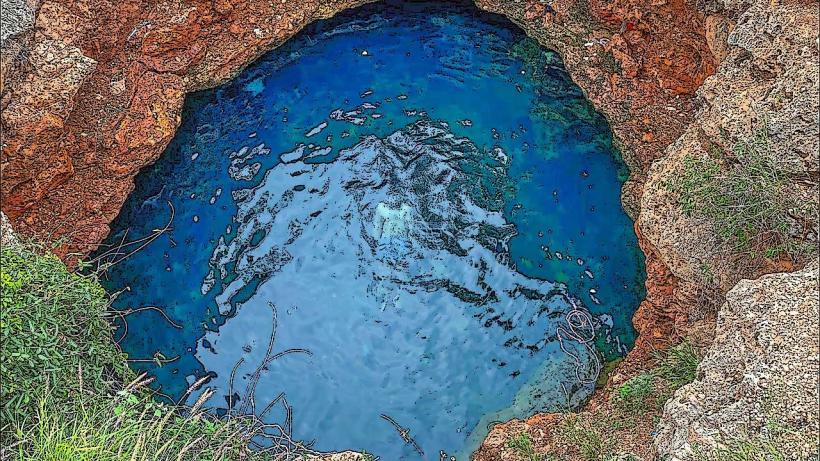
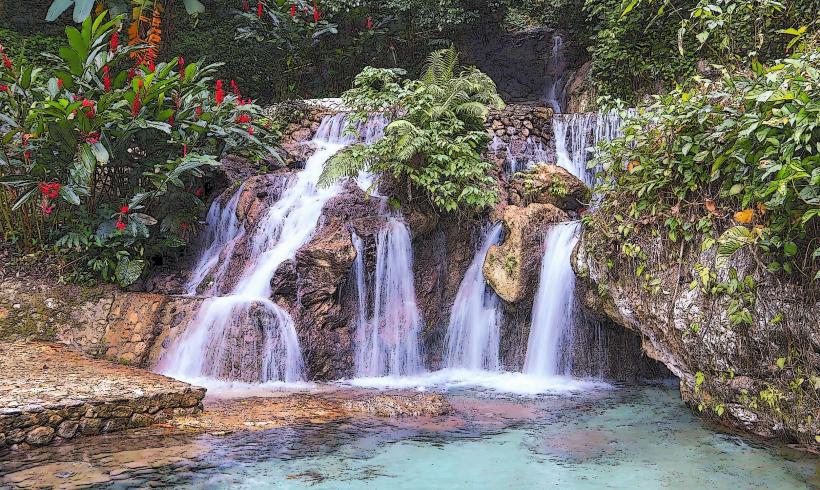
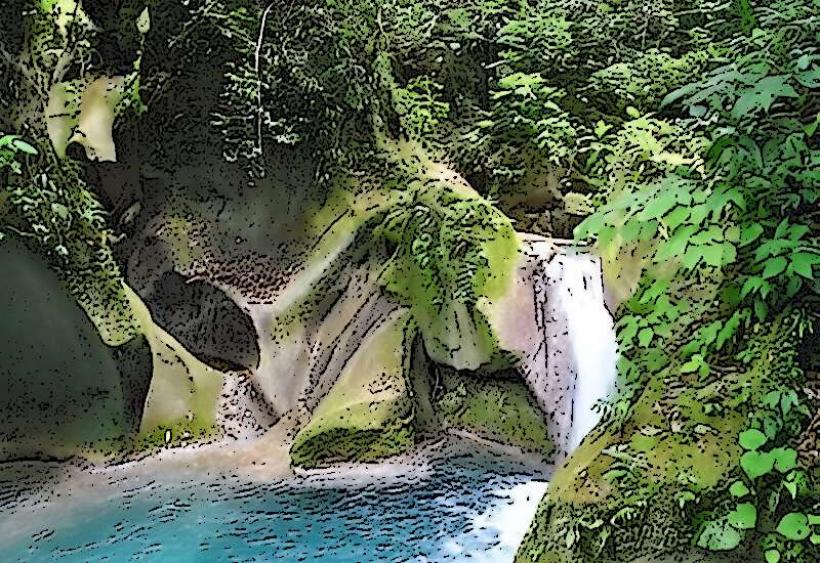
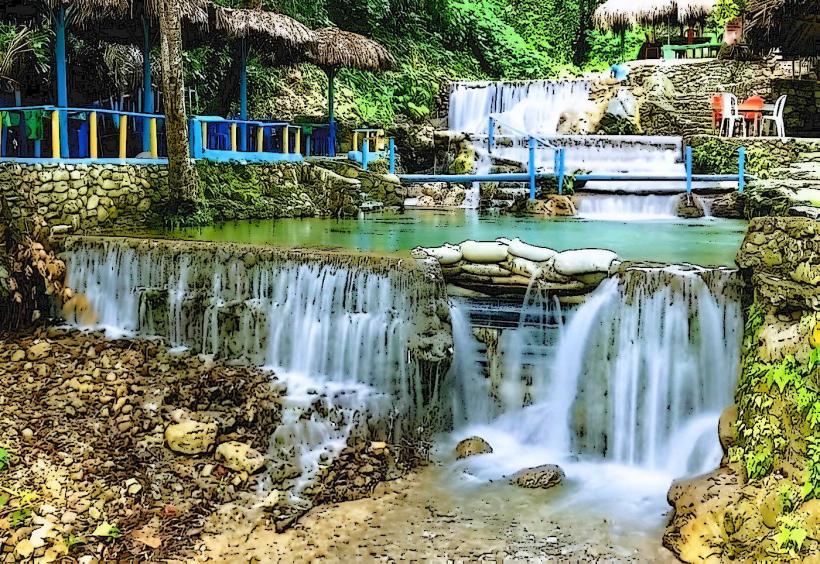
The beach consists primarily of smooth, grey and white pebbles, not sand. A natural freshwater pool, fed by the San Rafael River, is situated directly at the beach's edge, separated from the Caribbean Sea by a narrow strip of pebbles. The water in the pool is clear and cool, contrasting with the warmer, turquoise ocean water. Dense tropical vegetation, including palm trees and almond trees, borders the beach.Location & Access Logistics
San Rafael Beach is located approximately 20 kilometers south of Barahona city center, along the scenic Carretera Barahona-Paraíso (DR-44). Access is directly off the main road, with designated parking areas available for vehicles. Public transport includes local guaguas (minibuses) that travel frequently between Barahona and destinations further south, stopping directly at the beach.Historical & Ecological Origin
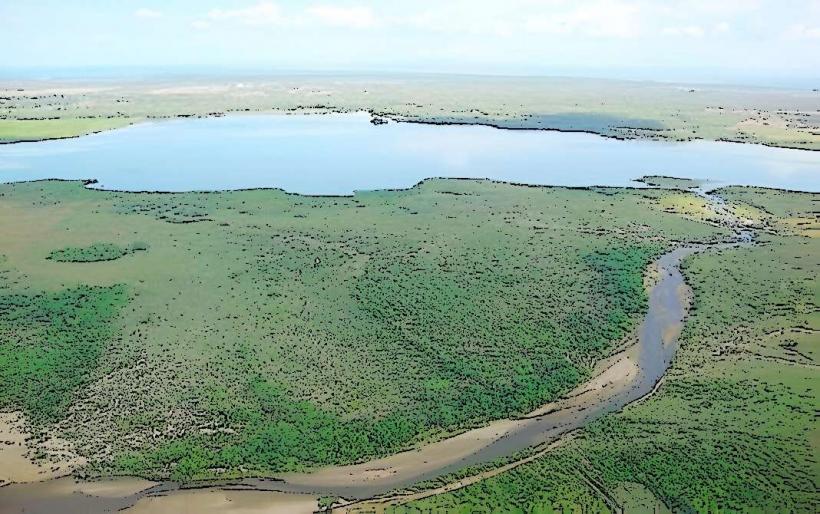
The beach's unique formation is a result of the San Rafael River flowing directly into the Caribbean Sea, creating a natural freshwater lagoon at its mouth. The pebble composition is typical of many beaches along the Barahona coast, formed by erosion and deposition from the nearby mountains and rivers.Key Highlights & Activities
Swimming is possible in both the freshwater pool and the Caribbean Sea. The freshwater pool offers a calmer environment suitable for families. Surfing is a common activity in the ocean, particularly during periods of higher swells. Local vendors offer fresh seafood and drinks.Infrastructure & Amenities
Basic restrooms are available near the main entrance. Natural shade is provided by large trees bordering the beach. Cell phone signal (4G) is generally reliable. Several small, informal food stalls and restaurants operate directly on the beach, offering local cuisine and beverages.Best Time to Visit
The best time to visit is during the dry season, from December to April, when rainfall is minimal. Mornings offer cooler temperatures and softer light for photography. The freshwater pool is accessible at all times, as it is river-fed, not tide-dependent.Facts & Legends
A local tip suggests wearing water shoes due to the pebble surface. The freshwater pool is believed by some locals to have therapeutic properties due to its mineral content.Nearby Landmarks
- Playa Quemaito: 10km North
- Los Patos Beach: 15km South
- Bahoruco River Mouth: 5km North
- Laguna de Oviedo: 45km South