Information
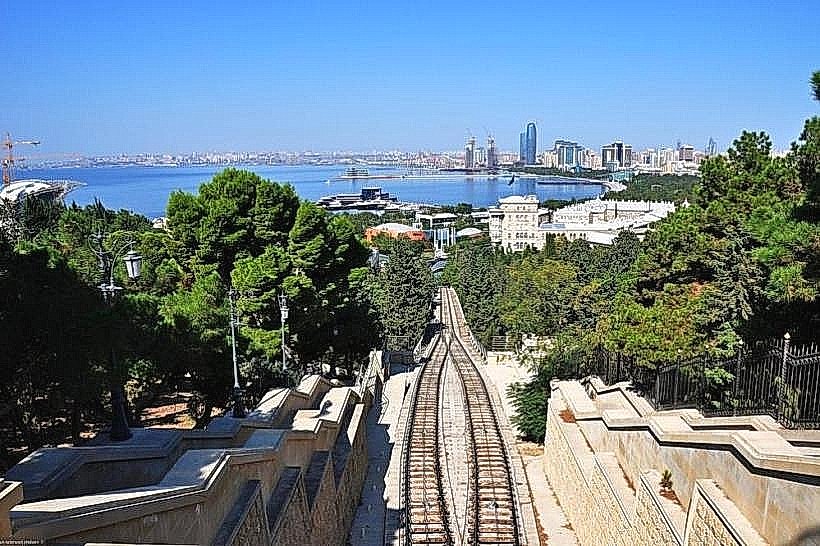
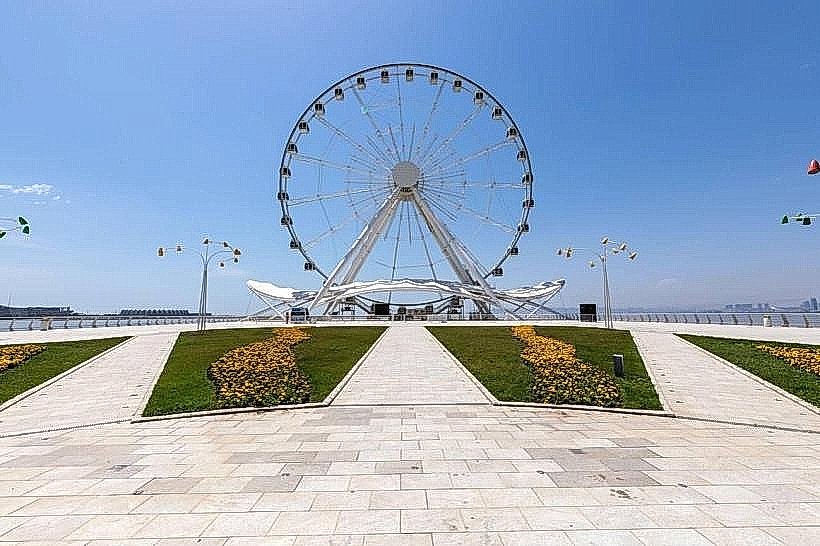
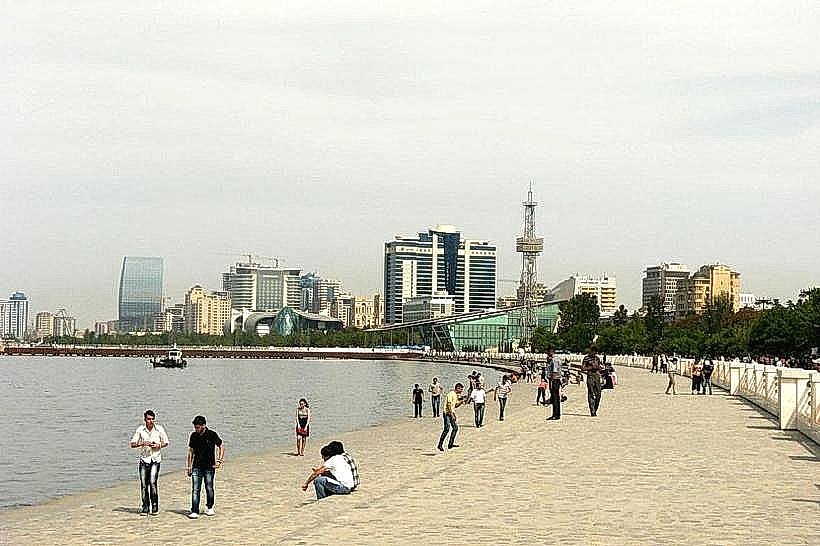
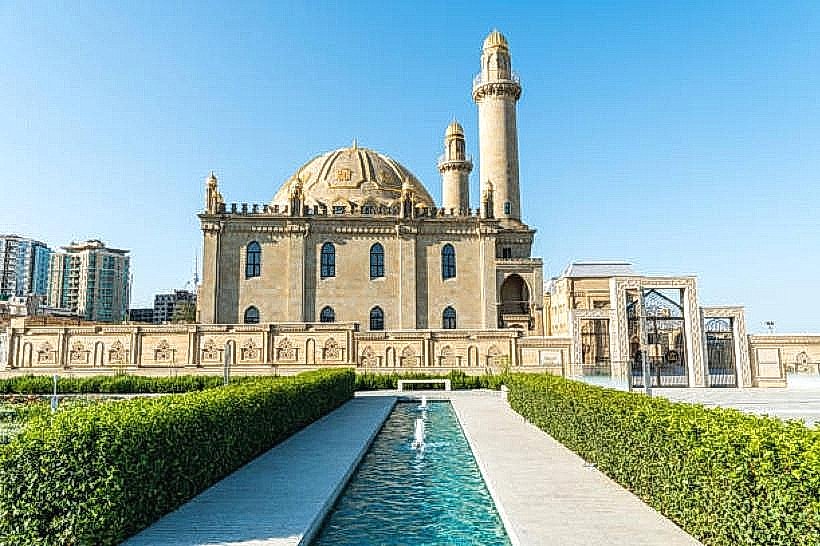
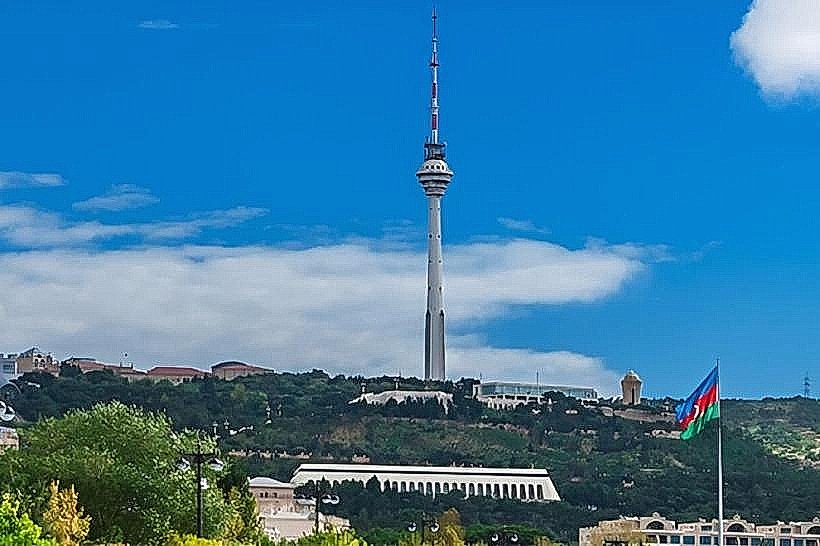
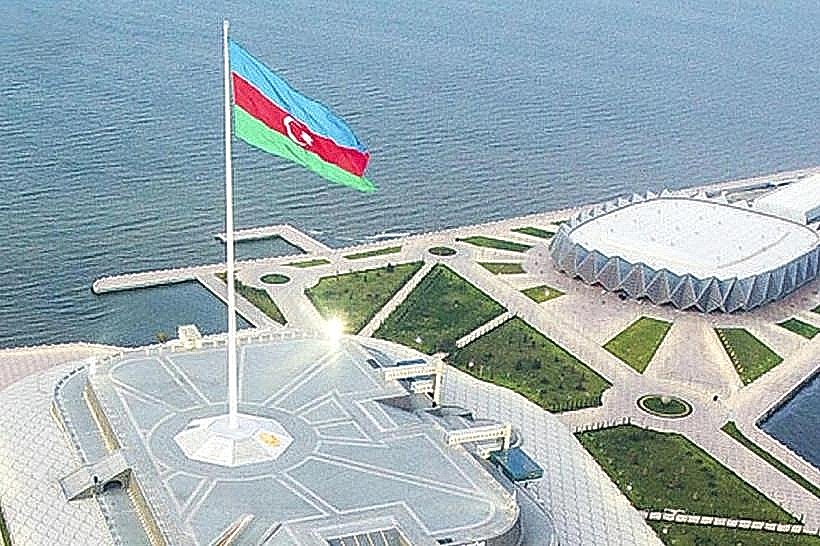
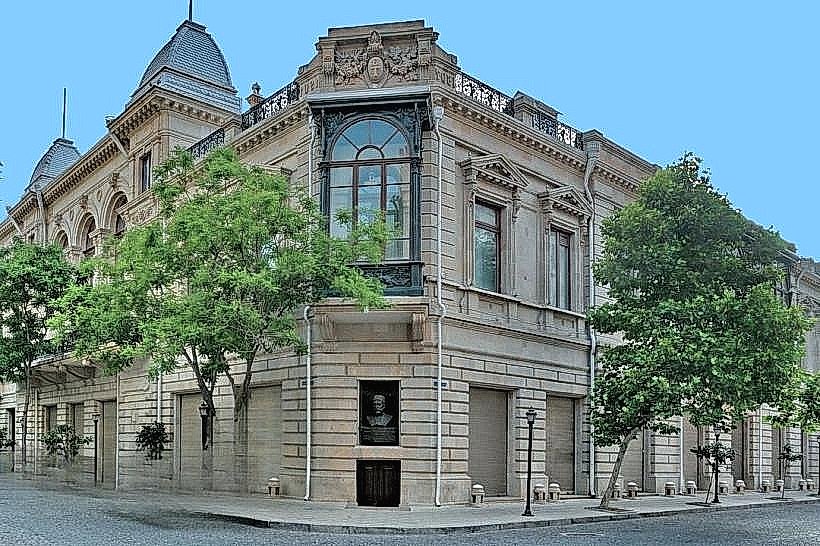
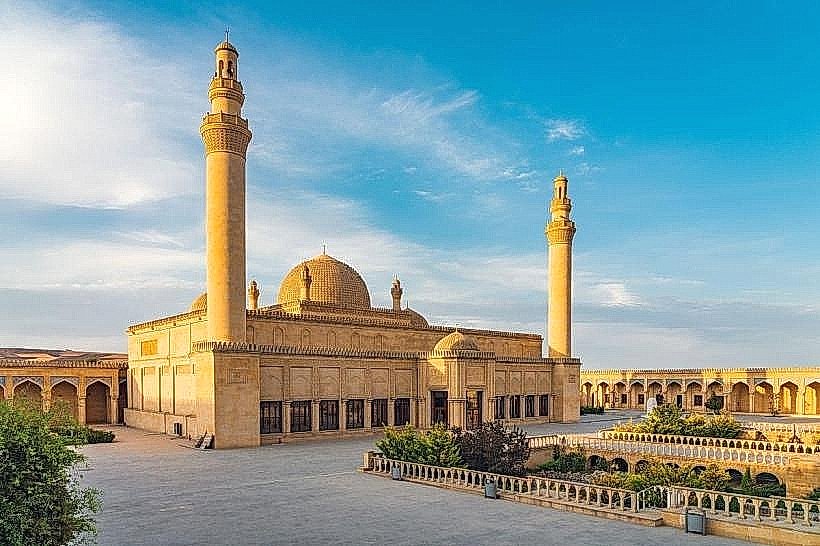
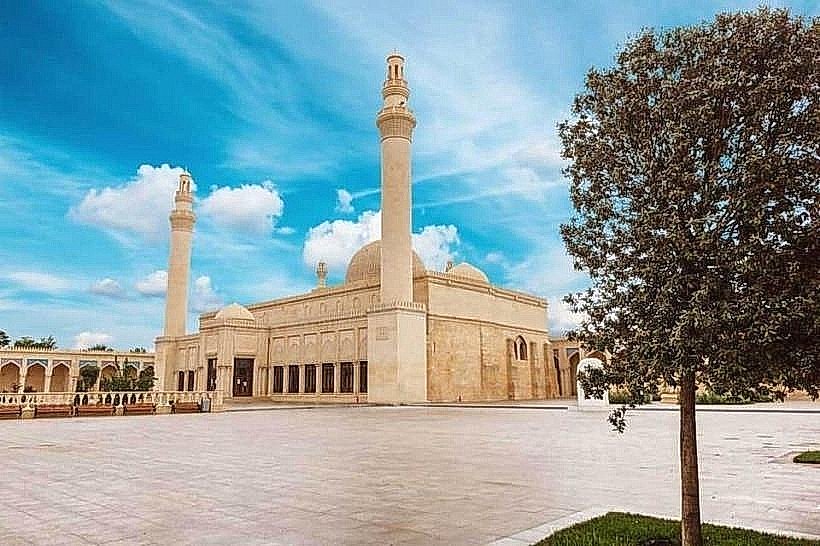
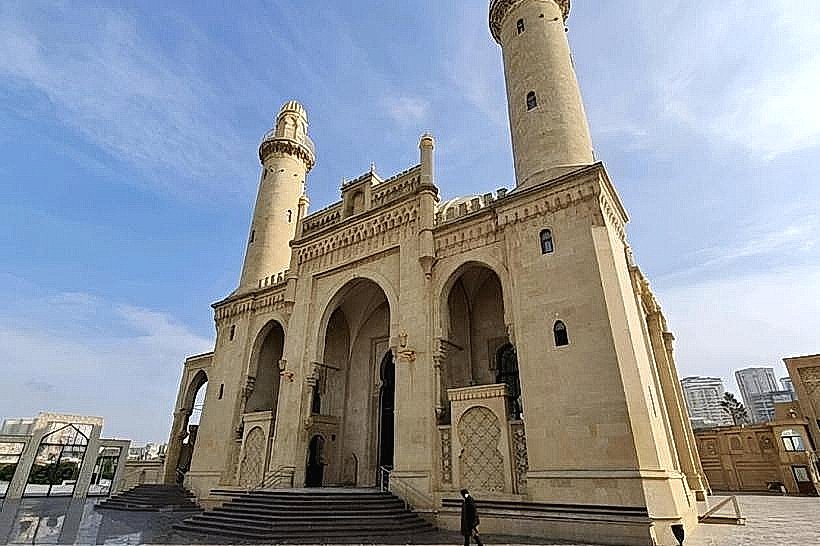
Landmark: Seyid Yahya Murtuza MosqueCity: Baku
Country: Azerbaijan
Continent: Asia
Seyid Yahya Murtuza Mosque, Baku, Azerbaijan, Asia
Buea Market is a primary commercial hub located in the city of Buea, Cameroon.
Visual Characteristics
The market consists of open-air stalls and semi-permanent structures constructed from corrugated metal sheeting and concrete. Goods are displayed on wooden tables, tarpaulins, and directly on the ground. The primary colors are those of the produce and merchandise, with the dominant structural colors being grey concrete and weathered metal. The market area is densely packed with vendors and shoppers, creating a high level of activity.
Location & Access Logistics
Buea Market is situated in the central district of Buea. It is accessible via the main road, Mile 18 Road, which connects to the larger national highway network. The market is approximately 1 kilometer from the Buea City Council administrative offices. Parking is available in designated informal lots surrounding the market perimeter, though space can be limited during peak hours. Several local taxi services operate within Buea, and various public transport minibuses (known as "moto-taxis" and "bush taxis") service routes that pass directly by the market.
Historical & Ecological Origin
Buea Market's origin is tied to the historical development of Buea as an administrative and commercial center. While a precise construction date for the current market infrastructure is not documented, its function as a trading post has evolved organically over decades, serving the agricultural output of the surrounding Mount Cameroon region. It functions as a vital link between rural producers and urban consumers.
Key Highlights & Activities
Visitors can purchase a wide variety of fresh produce, including plantains, cassava, yams, and local vegetables. Artisanal crafts, textiles, and household goods are also available. Bartering for prices is a common practice. Food stalls offer prepared local dishes for immediate consumption.
Infrastructure & Amenities
Basic sanitation facilities (latrines) are present within the market area. Shade is provided by tarpaulins and the roofs of semi-permanent structures. Cell phone signal (4G) is generally available within the market. Numerous small food vendors operate directly within the market, offering prepared meals and snacks.
Best Time to Visit
The market is most active from early morning (approximately 6:00 AM) until late afternoon (around 6:00 PM). For the widest selection of fresh produce, visiting between 7:00 AM and 11:00 AM is recommended. The lighting is generally diffuse throughout the day due to the covered stalls, making specific times less critical for photography related to ambient light.
Facts & Legends
It is said that the market's location was historically chosen due to its proximity to ancient trade routes that traversed the lower slopes of Mount Cameroon. A specific tip for visitors is to look for vendors selling "Mbongo Tchobi," a traditional Cameroonian black soup, which is often prepared fresh on-site.
Nearby Landmarks
- University of Buea (1.2km Northwest)
- Buea Regional Hospital (0.8km West)
- Mount Cameroon National Park Entrance (4.5km Southwest)
- Presidential Palace, Buea (1.5km North)
- Bongo Square (0.3km East)