Information
Landmark: Springfield Science MuseumCity: Springfield MA
Country: USA Massachusetts
Continent: North America
Springfield Science Museum, Springfield MA, USA Massachusetts, North America
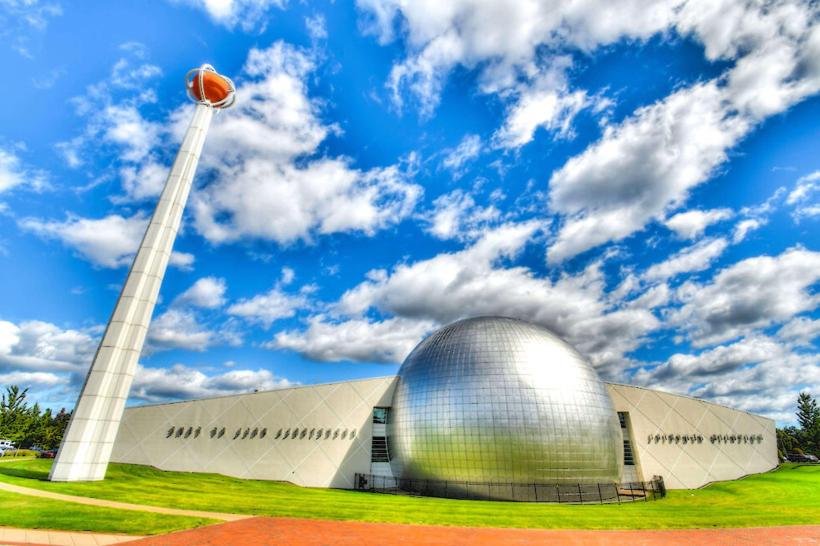
The Springfield Science Museum, located in Springfield, Massachusetts, is a prominent institution dedicated to science, technology, engineering, art, and mathematics (STEAM) education. Established in 1859 and officially opened in 1899, the museum has undergone several expansions, including additions in 1932 and 1970, which introduced a public observatory. In 2004, the Welcome Center was added to serve as the main entrance to the entire campus.
Key Exhibits and Attractions
Seymour Planetarium
The Seymour Planetarium is home to historically significant astronomy education tools, including the Korkosz projector, the oldest operating American-made star projector in the world. Recent upgrades introduced a state-of-the-art full-dome video system, providing immersive 3D experiences in astronomy and Earth science. The planetarium offers themed light shows, astronomy presentations, and interactive educational sessions.
Dinosaur Hall
Dinosaur Hall features life-sized models and fossils, including a Tyrannosaurus rex and specimens from early 20th-century expeditions. Interactive exhibits allow visitors to explore dinosaur tracks and even step into a cast of a huge sauropod footprint, providing a tactile and engaging learning experience.
R.E. Phelon African Hall
This exhibit showcases taxidermied animals from the African savanna, offering insights into the continent's rich biodiversity. Notable specimens include a giraffe and a chimpanzee that lived in the region until the mid-20th century, giving visitors a rare glimpse into African wildlife.
Living Waters: From Oceans to Valleys
This exhibit explores diverse aquatic ecosystems, featuring both native New England species and international aquatic animals from Africa and South America. Visitors can observe wood turtles, poison dart frogs, and fish fossils, while interactive displays highlight the importance of water in sustaining life and the interconnectedness of aquatic habitats.
Spark!Lab
Developed in collaboration with the Smithsonian Institution, Spark!Lab is a hands-on innovation space where children, families, and groups can create, experiment, and invent. Visitors engage in activities that teach problem-solving, creativity, and the engineering process, fostering a sense of curiosity and empowerment.
International Space Station Exhibit
This exhibit provides an in-depth look at the International Space Station (ISS), its missions, and the science behind space exploration. Visitors can explore models, interactive displays, and educational materials that illuminate the role of the ISS in advancing human understanding of space.
Live Animal Center
The Live Animal Center features native New England species, educating visitors about local wildlife and conservation efforts. Interactive habitats allow visitors to observe animal behavior closely, fostering awareness of ecological relationships and the importance of preserving natural environments.
Additional Information
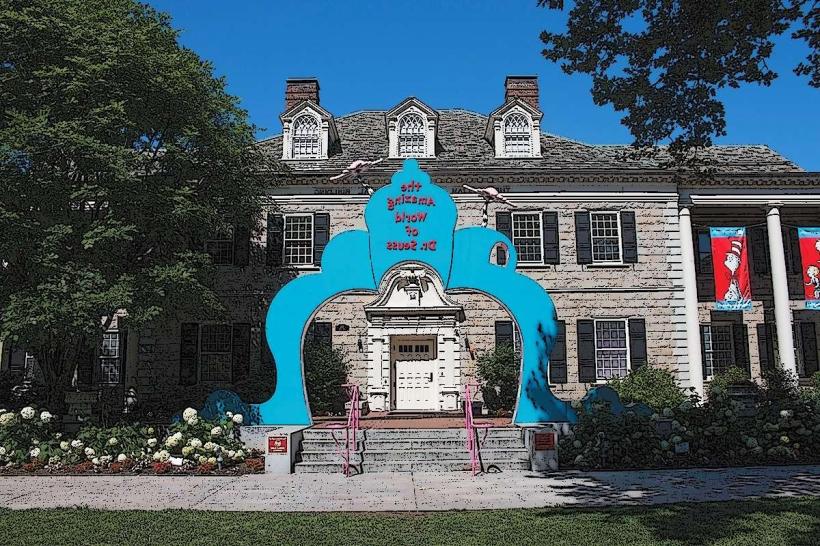
The Springfield Science Museum is part of the larger Springfield Museums campus, which also includes art museums and cultural institutions. The museum offers programs for schools, families, and community groups, providing hands-on learning, workshops, and special exhibitions throughout the year. Its combination of historical artifacts, modern technology, and interactive learning spaces makes it a hub for exploration, education, and inspiration.