Information
Landmark: Square of the ArmsCity: Kotor
Country: Montenegro
Continent: Europe
Square of the Arms, Kotor, Montenegro, Europe
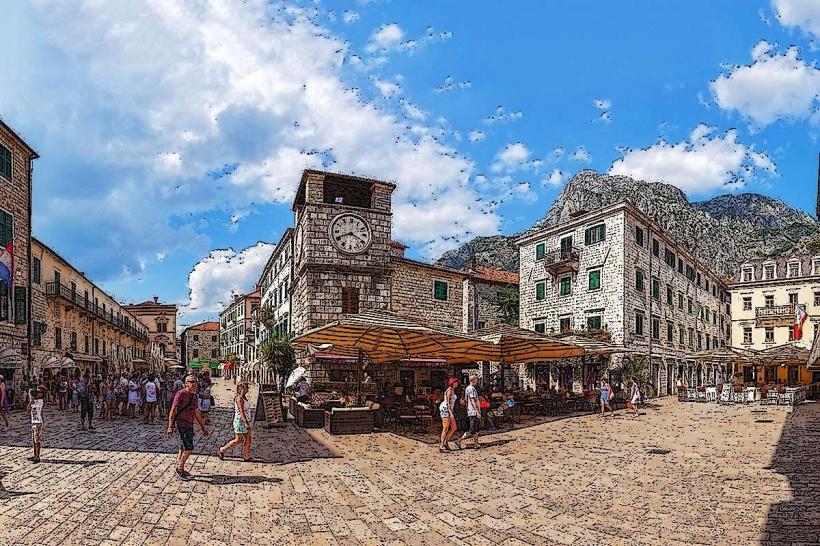
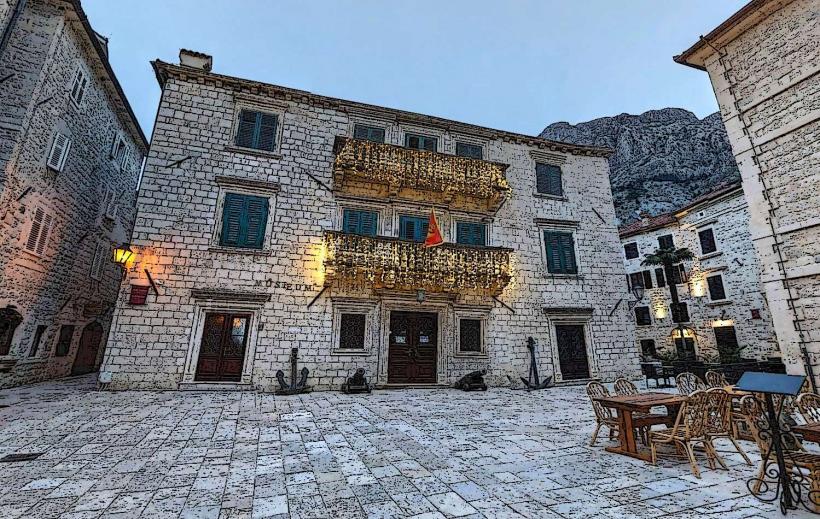
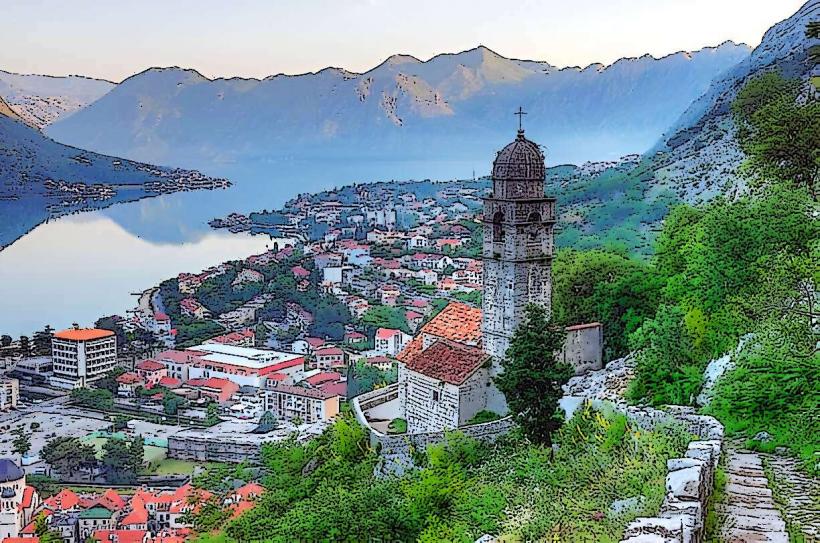
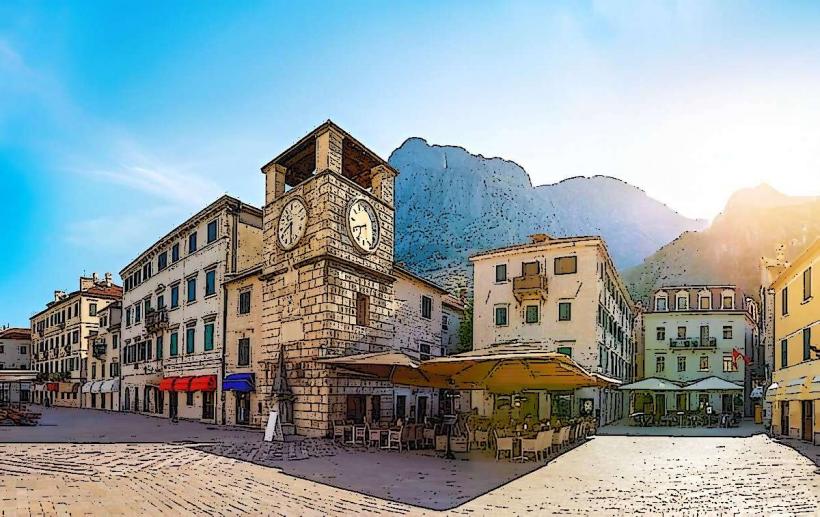
Square of the Arms (Trg od Brava) is a central public square in the Old Town of Kotor, Montenegro. This square, located near the town’s city walls, is an important historical and cultural site, reflecting the town's long and varied history under different powers, particularly during the Venetian period.
Historical Background
The Square of the Arms has played a significant role in Kotor's history for centuries. It was originally the main square of the city, where various public events, markets, and ceremonies were held, particularly during the time when Kotor was a part of the Venetian Republic. The square's name, "Square of the Arms," is believed to derive from its use as a location for the display of weapons, and it may also have been a gathering point for soldiers or defenders of the town during times of conflict.
Venetian Influence
During Venetian rule, the Square of the Arms was one of the most important locations in Kotor, used for military parades and official ceremonies. The square's central location, near the city's gates and fortifications, made it ideal for such events. The influence of Venetian architecture and urban planning is evident in the square’s design and surrounding buildings.
The square was a hub for commerce, social gatherings, and political activities, reflecting Kotor's prosperity and importance during the Venetian and Austrian periods.
Architectural Features
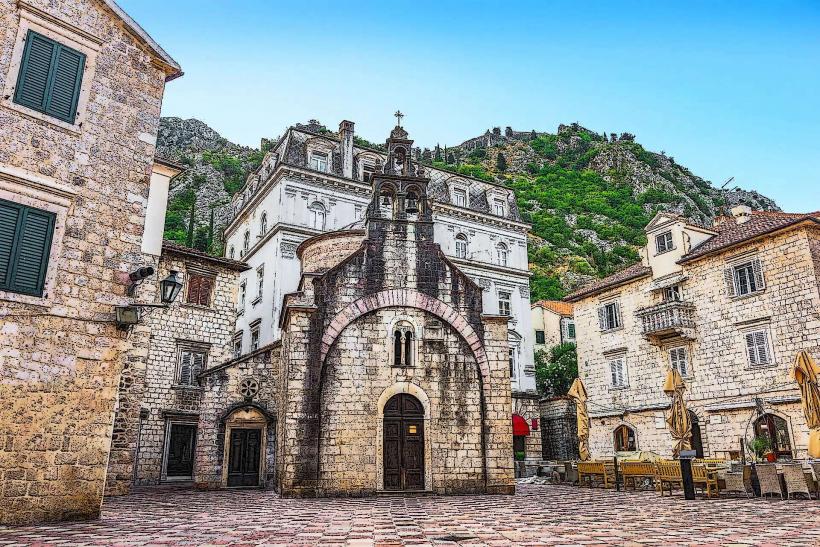
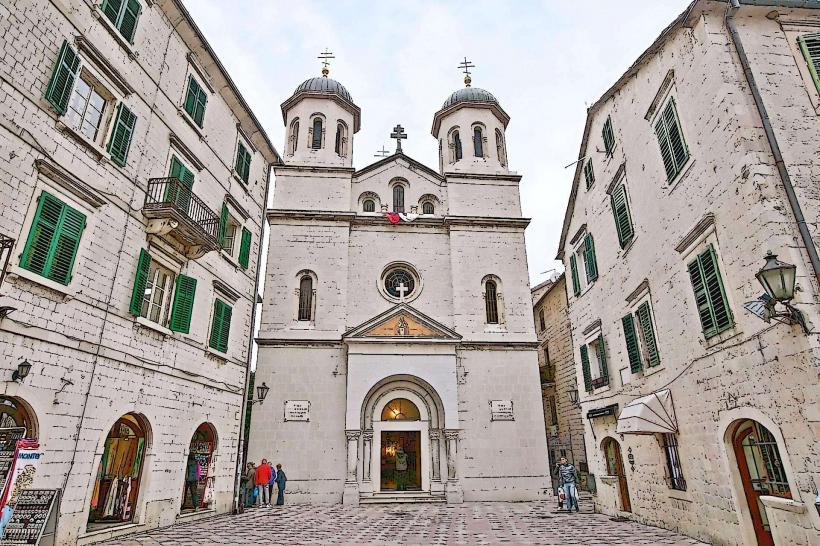
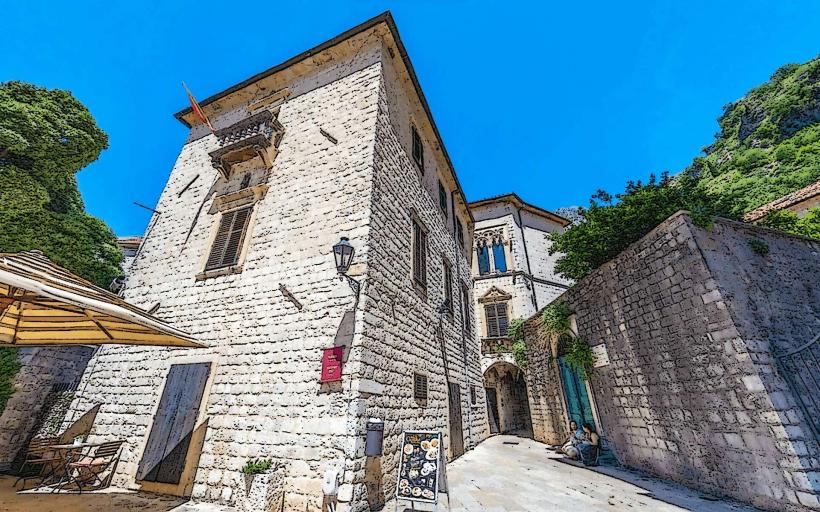
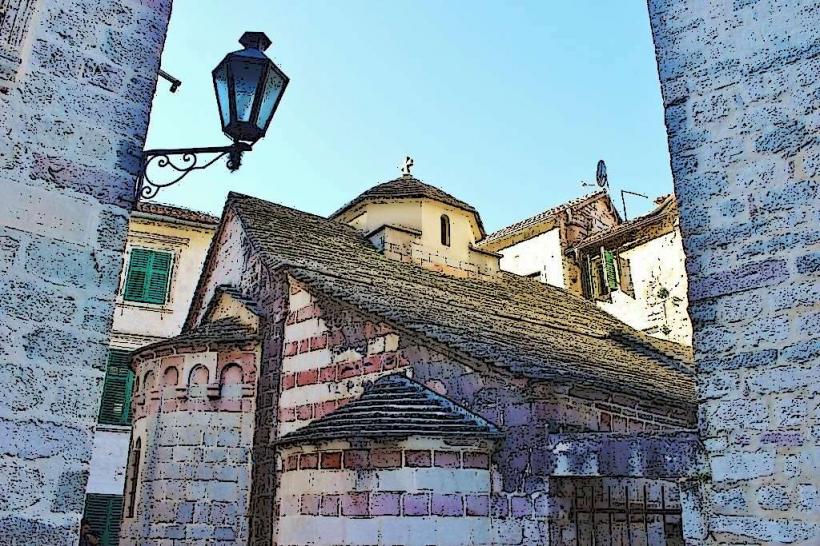
The Square of the Arms is surrounded by some of Kotor’s most notable historic buildings, including palaces, churches, and city gates. The square is a mix of medieval and Renaissance styles, with elements reflecting the different periods of Kotor's history.
1. The Buildings Around the Square
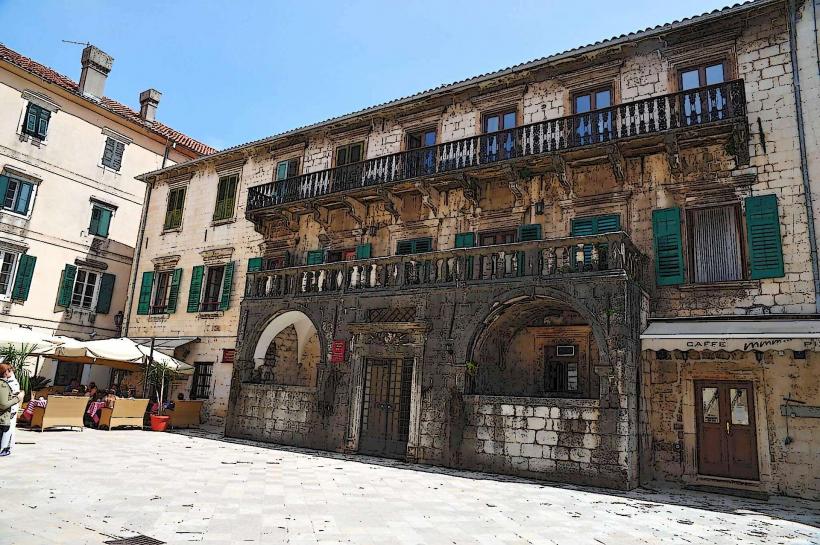
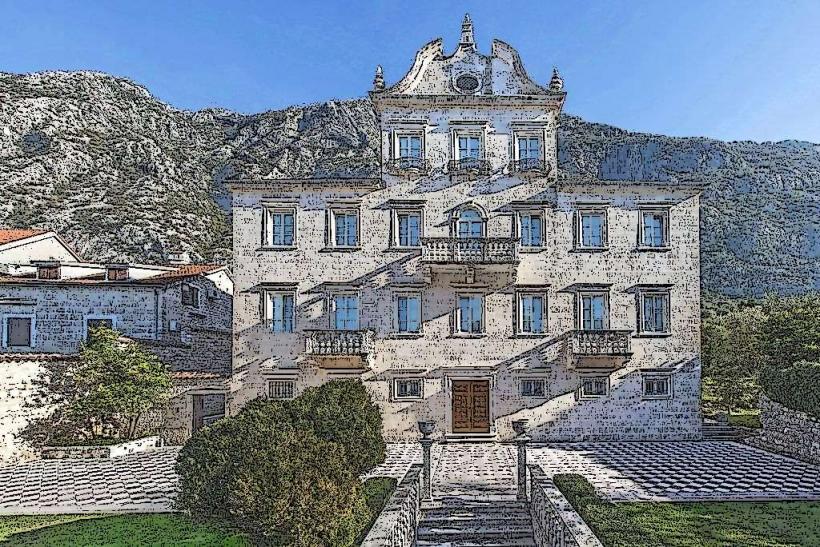
The Pima Palace, one of the key Renaissance palaces in Kotor, is located on the northwest side of the square. The palace’s ornate stone façade and decorative elements add to the architectural beauty of the square.
On the southwest side of the square is the Bishop’s Palace, another prominent building that adds to the historical atmosphere. This palace was historically the residence of the Bishop of Kotor and is an excellent example of the Renaissance style combined with Baroque influences.
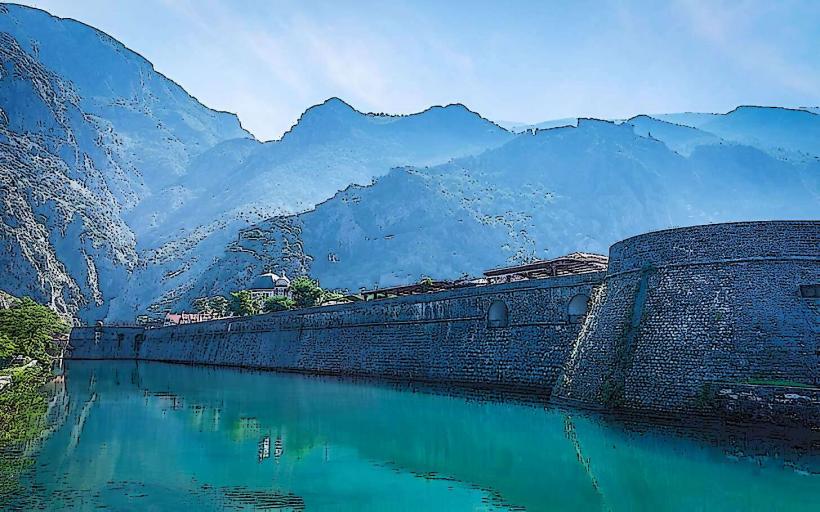
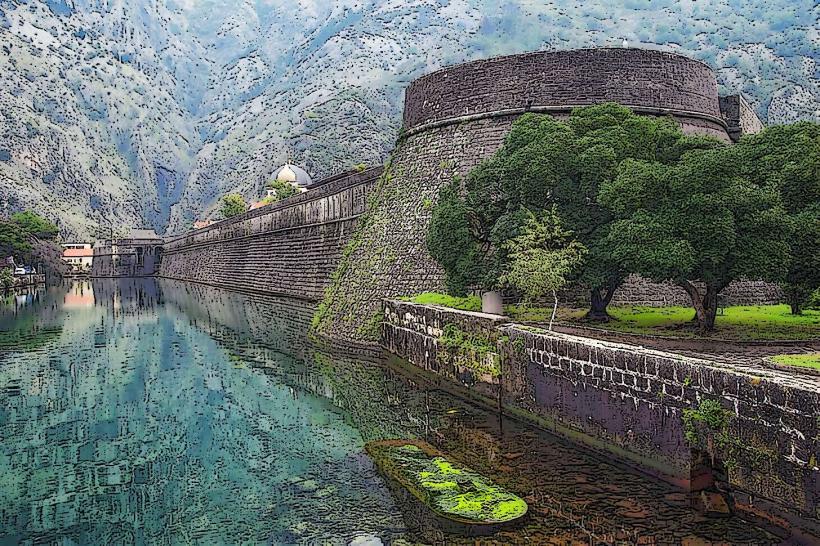
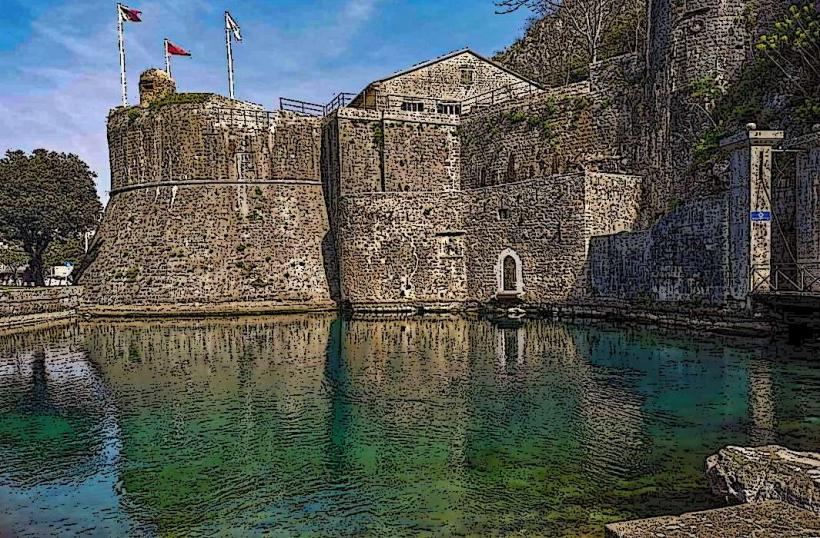
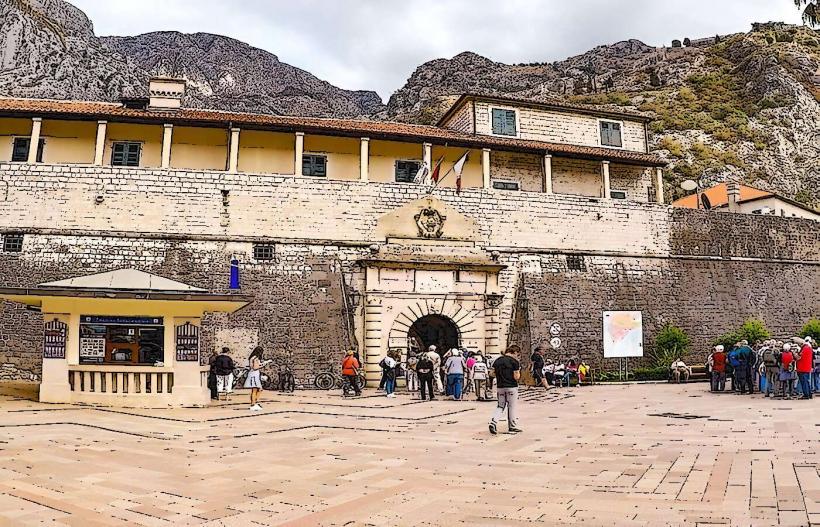
City Walls and the North Gate (Vrata od Grada), also nearby, contribute to the military history of the square. These city walls were once part of Kotor's defensive system, protecting the town from invaders. The North Gate has a historical significance as one of the primary entrances to the town during the Venetian era.
2. Fountain and Statues
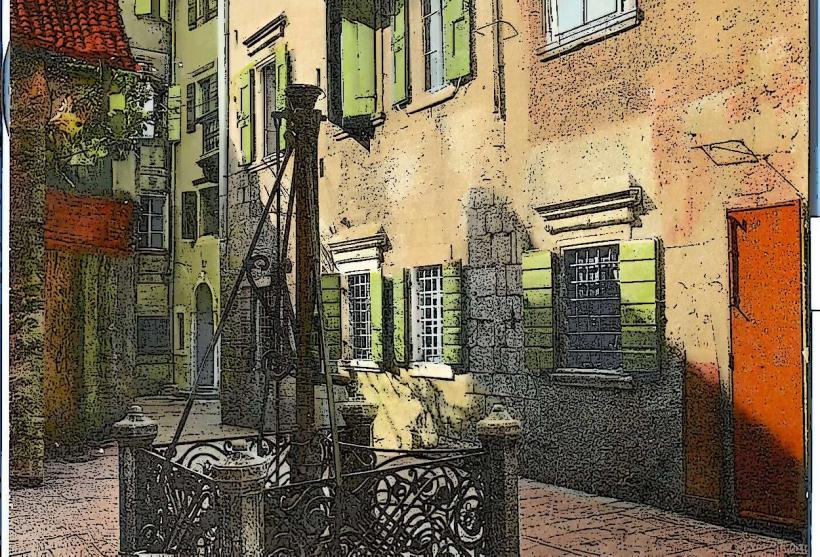
In the middle of the square, there is a fountain that has been part of the public space for centuries. The fountain, which has Baroque-style features, adds to the aesthetic appeal of the square.
Statues and decorative sculptures can also be found around the square, representing the city’s rich artistic heritage and the influence of different cultures and periods that have shaped Kotor.
3. Layout
- The layout of the square itself is spacious, allowing for large gatherings. It is often used for public events, such as festivals, concerts, and cultural celebrations, which take advantage of the square's openness and historical ambiance.
Cultural and Historical Significance
The Square of the Arms is not just an architectural space, but also an important historical and cultural symbol for Kotor.
1. Political and Military Hub
As the central square of Kotor during the Venetian period, the Square of the Arms was the site of many political events, including public announcements and the gatherings of the town’s ruling elites. It was also the site of military drills and ceremonies, showcasing the power and influence of Kotor's defenders and Venetian rulers.
The square played a role in Kotor’s defense system, located near the city’s North Gate and the fortifications that protected the town from naval and land-based threats. It is believed that the square may have been used to muster troops or display military achievements.
2. Social and Commercial Center
The square was also a commercial center where local merchants would display their goods. The open space allowed for markets and trade, contributing to the economic prosperity of Kotor, which thrived during its time under Venetian and later Austrian rule.
Throughout the centuries, the square has remained a gathering place for locals and visitors, maintaining its role as a social hub for both formal and informal interactions.
3. Architectural Heritage
- The square is a perfect example of Kotor’s architectural blend, where Renaissance, Baroque, and medieval influences come together. The buildings surrounding the square reflect the city’s long and complex history under different rulers, including the Venetians, Austrians, and Ottomans, all of whom contributed to the square's architectural development.
4. UNESCO World Heritage Site
- The Square of the Arms, along with the rest of Kotor’s Old Town, is part of the UNESCO World Heritage Site due to its exceptional preservation and historical significance. The square plays an integral part in the overall heritage of Kotor, maintaining the charm of its past while continuing to serve as a vibrant part of the city's urban life.
Modern-Day Role
Today, the Square of the Arms remains a central and vibrant part of Kotor’s Old Town. It is regularly used for cultural events, performances, and public celebrations, continuing its historical role as a gathering place for the people of Kotor.
1. Tourist Attraction
The square is a popular destination for tourists who come to explore Kotor’s rich history. Visitors often sit in the square, enjoy the local cafes, and take in the historical architecture of the surrounding buildings. It offers a relaxed atmosphere where people can appreciate the blend of history and modern life.
Many of Kotor’s walking tours will pass through the Square of the Arms, providing insight into the city’s Venetian past and its significance as a trade hub and military center.
2. Cultural Events
- The square is used for a variety of cultural events, such as festivals, concerts, and theatrical performances, especially during the summer months. The large open space of the square makes it an ideal venue for such activities, which are enjoyed by both locals and tourists.
Practical Information
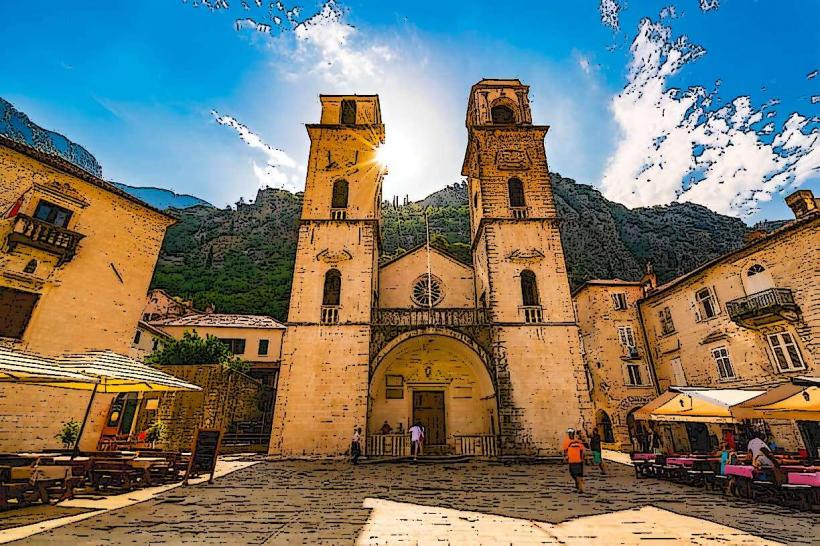
Location: The Square of the Arms is located in the Old Town of Kotor, Montenegro. It is a short walk from other notable landmarks like St. Tryphon's Cathedral and Kotor’s City Walls.
Accessibility: The square is open to the public and is a pedestrian zone. It is easily accessible to visitors and serves as a central meeting point for exploring the rest of the Old Town.
Conclusion
The Square of the Arms (Trg od Brava) is a significant historical and cultural site in Kotor. Surrounded by Renaissance and Baroque buildings, this central square has been the heart of Kotor’s social, political, and military life for centuries. Today, it remains a vibrant space, attracting visitors with its historical ambiance, beautiful architecture, and the numerous cultural events held throughout the year. As part of the UNESCO World Heritage Site, the square stands as a reminder of Kotor’s rich and diverse history.