Information
Landmark: St. Hilarion CastleCity: Kyrenia
Country: Cyprus
Continent: Europe
St. Hilarion Castle, Kyrenia, Cyprus, Europe
Overview
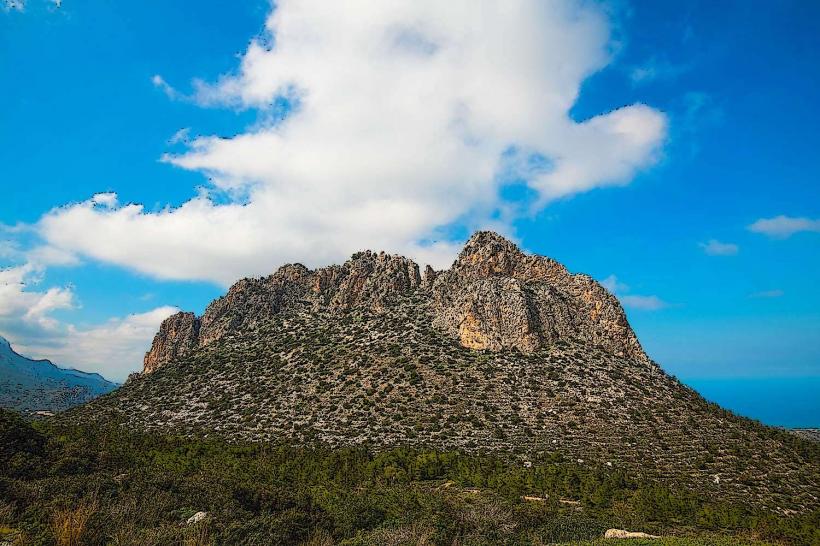
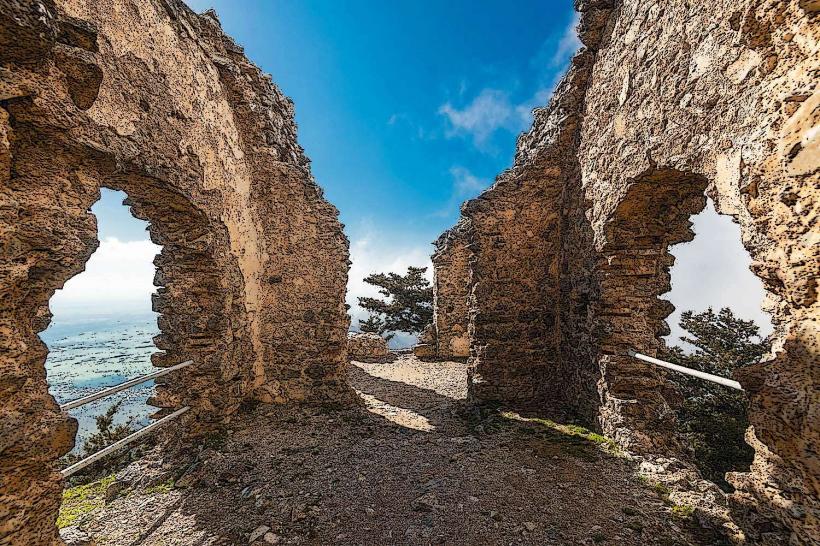
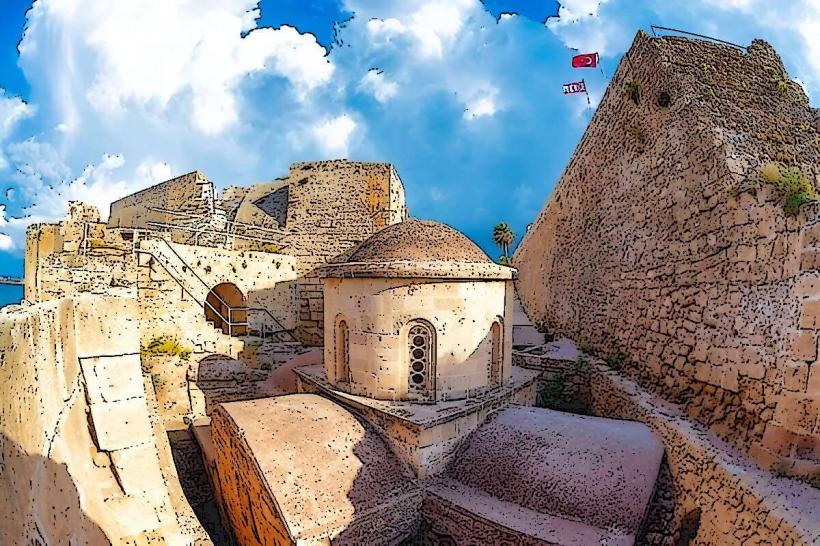
Perched high in the Kyrenia-mountains_kyrenia" class="underline">Kyrenia Mountains, St, not only that hilarion Castle stands as one of Cyprus’s most famous and striking fortresses, overlooking the island’s northern coast.Many regard it as one of the region’s best-preserved medieval castles, with sweeping views of rolling fields and the glittering Mediterranean beyond, after that perched high above the valley, the castle’s rich history and striking design make it both a treasured landmark and a favorite stop for travelers.Truthfully, Here’s a closer glance at St, equally important hilarion Castle, where stone walls rise against the sparkling blue sky: 1.The early history of St, in addition hilarion Castle is a bit hazy, though most believe it rose during the Byzantine era, sometime in the 10th century, when stone walls first caught the sun on the ridge.The castle takes its name from St, and hilarion, a Christian hermit who lived in the area in the 4th century, where the wind swept through the rocky hills he called home, sort of Local legend says St, simultaneously hilarion kept a hermitage near the castle, though no one’s sure he ever had ties to it.The first major stones of St, subsequently hilarion Castle went up in the 11th century, under the rule of the Byzantine Empire.It began as a monastery and stronghold, guarding the region against invaders, likewise during the Lusignan dynasty (1192–1489), after the Crusaders seized Cyprus, thick recent walls rose and the castle grew larger and stronger.During this time, the castle rose to prominence as a key military stronghold, guarding the narrow pass to the island’s north, on top of that it stayed in use through the Venetian years (1489–1571), but after the Ottomans seized Cyprus in 1571, its importance slowly faded, kind of When the Ottomans took control, the castle fell into disuse, also st. Hilarion, perched high on a rugged mountain ridge, still shows the sharp angles and sturdy walls of medieval military design-perfect for catching sight of an enemy long before they reached the gates, consequently one standout feature is its strategic spot-perched high on a narrow ridge of the Kyrenia Mountains, the castle towers nearly 750 meters above the sea, with the wind carrying the scent of pine.Perched in a spot that offered both a strong defensive position and sweeping views of Kyrenia and the glittering Mediterranean, St, while hilarion Castle is split into three main sections, with the lower part holding the castle’s entrance and once bustling with stationed troops.You can still find the crumbling remains of a tiny chapel, not only that in the Middle Castle, the central section holds the living quarters, with rooms once occupied by the ruling elite.This part holds a remarkably intact royal chamber, along with the worn stone outlines of aged cisterns and storage rooms, on top of that in the Upper Castle-often called the “royal citadel”-the kingdom’s highest officers or rulers once made their home, slightly The castle boasts towering stone walls, sturdy watchtowers, and a broad courtyard, all wrapped in thick fortifications where each tower stands at a perfect vantage point, simultaneously perched at the castle’s highest peak, the watchtower offers sweeping views of the hills and valleys beyond, a vantage that once made it vital for defense.To be honest, St, in conjunction with hilarion’s design blends the solid, rounded arches of Byzantine style with the soaring lines of Gothic architecture.You can behold the blend of styles in the tall arched doorways, sharp-pointed windows, and other details that echo Gothic design, set right beside the heavier, more solid forms of earlier Byzantine fortifications, what’s more the castle’s main entrance passes through a sturdy gatehouse and over a wooden drawbridge, both meant to unhurried any attacker.Inside, the living quarters are plain but practical, with just enough space for daily life, not only that a few rooms still hold graceful arches, stained-glass windows that catch the light, and stone fireplaces-minute glimpses into the daily life of the castle’s residents, not entirely St, in conjunction with hilarion Castle also stood as a key stronghold in Cyprus’s defense, especially through the turbulent medieval years.The castle commanded the mountain pass and gave a sweeping view of the valleys below, making it a crucial stronghold for the Lusignan and later the Venetians, then in the Lusignan era, its upper floors held royal chambers where the ruling elite lived, their windows catching the sharp scent of pine from the slopes outside.Funny enough, During wars, the royals sheltered inside the castle’s thick stone walls, harmless from danger, and over the centuries St, then hilarion has gathered a tangle of local myths and whispered legends.A well-known tale links it to Richard the Lionheart, the English king who stepped ashore in Cyprus in 1191, his armor catching the glare of the Crusader sun, while legend has it that Richard once stayed at the castle before gifting it to the Knights Templar, though historians still argue over whether that’s true.Over the years, it’s lured travelers and thrill-seekers alike-British author Lawrence Durrell wandered its wind-whipped ruins and wove them into his stories, to boot today, St. Hilarion Castle welcomes visitors from around the globe, offering crumbling stone walls to explore and sweeping views that stretch to the glittering sea, alternatively the castle ranks among Cyprus’s most beloved and best-kept medieval landmarks, its stone walls still cool to the touch.Though time has weathered it, careful restoration work continues to protect its defining features, alternatively you can still wander through the castle’s main sections, stepping into cool stone halls and climbing its weathered towers.It’s a key piece of the island’s heritage, revealing layers of medieval life, shifting defenses, and royal intrigue from both the Middle Ages and the Renaissance, what’s more st. Hilarion Castle sits about 10 kilometers from Kyrenia, perched high on the steep slopes of the Kyrenia Mountains, also you can reach it easily by car, but the final stretch climbs sharply uphill past a row of antique stone walls.The castle welcomes visitors all year, though the hours change with the season, as a result before you go, check the latest hours-they can change without notice.Visitors pay a compact entrance fee, just enough to keep the timeworn gates swinging open, in addition your visit helps pay for the castle’s upkeep, keeping its walls and history intact.Curiously, You can reach it by winding hiking trails through the Kyrenia Mountains, where pine-scented air and sweeping valleys draw you in, simultaneously at the top, the reward is a breathtaking, all-around view that’s hard to forget.From here, you can take in the jagged mountain peaks, the whitewashed streets of Kyrenia, and the glittering curve of the coastline.
Author: Tourist Landmarks
Date: 2025-09-03