Information
Landmark: Stones River National BattlefieldCity: Nashville
Country: USA Tennessee
Continent: North America
Stones River National Battlefield, Nashville, USA Tennessee, North America
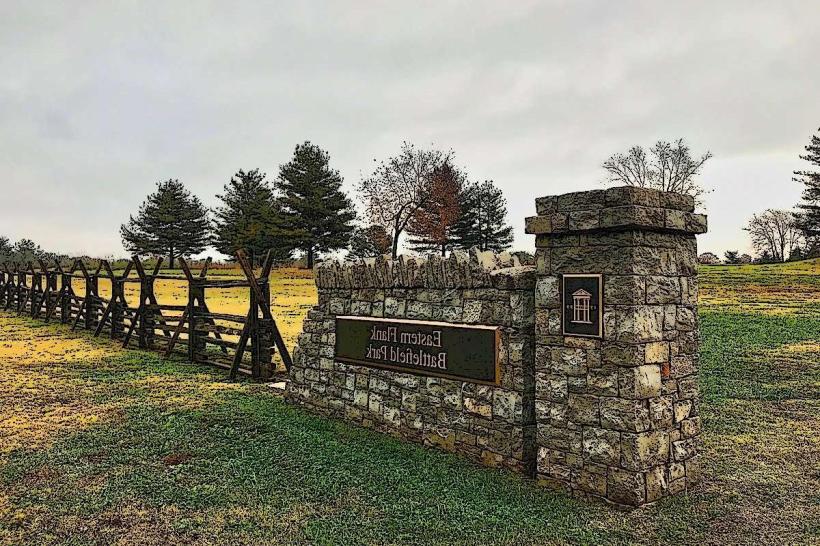
Stones River National Battlefield, located near Murfreesboro, Tennessee, is a historic site that preserves and interprets the location of the Battle of Stones River (also known as the Second Battle of Murfreesboro), fought between December 31, 1862, and January 2, 1863 during the American Civil War. This battle was one of the bloodiest of the war, with exceptionally high casualty rates on both sides, and its outcome proved strategically important in securing Middle Tennessee for the Union.
1. Historical Context and Significance
The Battle of Stones River was fought between the Union Army of the Cumberland, led by Major General William S. Rosecrans, and the Confederate Army of Tennessee, commanded by General Braxton Bragg.
The battle began with a surprise Confederate attack on New Year’s Eve, catching many Union troops off guard.
Despite initial Confederate successes, fierce resistance and well-coordinated counterattacks by Union forces eventually forced the Confederates to withdraw.
The Union victory at Stones River boosted Northern morale after the defeat at Fredericksburg and helped secure Middle Tennessee, which was vital for controlling the interior South and preparing for further campaigns.
Casualties numbered over 23,000, making it one of the war’s bloodiest battles in proportion to forces engaged.
2. The Battlefield and Park Layout
The battlefield covers approximately 570 acres, featuring rolling hills, farmland, wooded areas, and historic landmarks preserved in their near-original state.
Key Features:
Stones River National Battlefield Visitor Center:
Offers exhibits detailing the battle, Civil War context, and personal stories of soldiers.
Includes a theater showing a short film titled “The Battle of Stones River”, illustrating the battle’s events.
A bookstore and ranger staff provide educational materials and guidance.
Self-Guided Driving Tour:
Approximately 6 miles with over 20 stops.
Stops include key battle sites such as Murfreesboro Pike, Hazel Grove, Lilley House, and Hell’s Half Acre.
Interpretive panels provide insights on troop movements, battle tactics, and eyewitness accounts.
Lilley House:
A restored 19th-century farmhouse used as a field hospital during the battle.
Contains period artifacts and interpretive displays showing the grim realities of Civil War medicine.
Hazel Grove:
A strategic hilltop fiercely contested during the battle, offering panoramic views of the battlefield.
Hell’s Half Acre:
The name given to an especially brutal engagement site with intense hand-to-hand fighting.
3. Monuments and Memorials
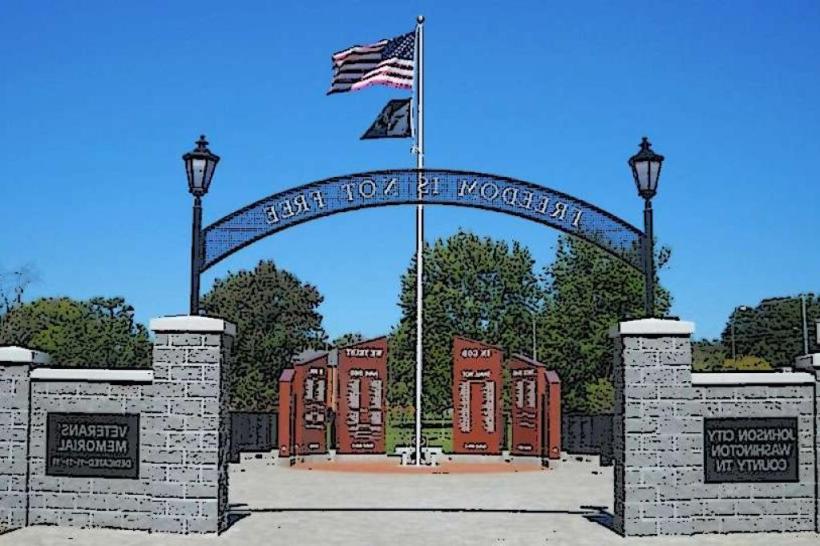
The battlefield is dotted with numerous monuments and markers honoring units and individuals who fought.
Notable monuments include tributes to regiments from Tennessee, Ohio, Pennsylvania, New York, and other states.
These memorials often mark positions held during the battle or commemorate acts of valor.
The park maintains several Confederate and Union memorials, providing a balanced interpretation of both sides.
4. Educational Programs and Visitor Engagement
Ranger-led programs and talks are frequently offered during peak seasons, providing deeper insight into battle strategies, soldier experiences, and local history.
The park conducts living history events, including reenactments and demonstrations of period military life, weapons, and medical practices.
Junior Ranger Program encourages children to explore and learn actively about the battlefield.
Educational outreach extends to local schools and community groups.
5. Preservation and Landscape
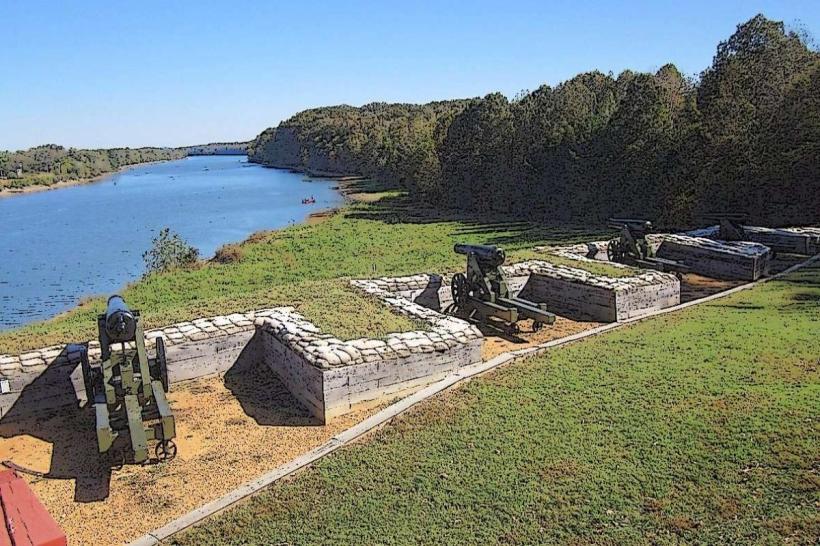
The park preserves much of the original terrain, including roads, fences, and earthworks used during the battle.
The rural landscape is largely intact, maintaining the sense of place critical to understanding battle tactics and troop movements.
Trails allow visitors to walk some of the battlefield, immersing themselves in the historical environment.
The peaceful setting today contrasts with the intense combat that once occurred there.
6. Practical Information
Location: Roughly 6 miles east of Murfreesboro, Tennessee, along U.S. Highway 231 and Old Nashville Highway.
Hours: Visitor center is generally open daily from 9 AM to 5 PM, with seasonal variations.
Admission: Free.
Facilities: Visitor center, restrooms, picnic areas, and parking.
Accessibility: The park offers accessible facilities and some paved trails suitable for wheelchairs and strollers.
7. Summary
Stones River National Battlefield is a vital historic site that preserves one of the Civil War’s most consequential and brutal engagements. It offers visitors a comprehensive understanding of the battle’s military significance, human cost, and impact on the wider war. With well-maintained grounds, informative exhibits, and engaging programs, the park provides a meaningful and reflective experience for history enthusiasts, students, and travelers alike.