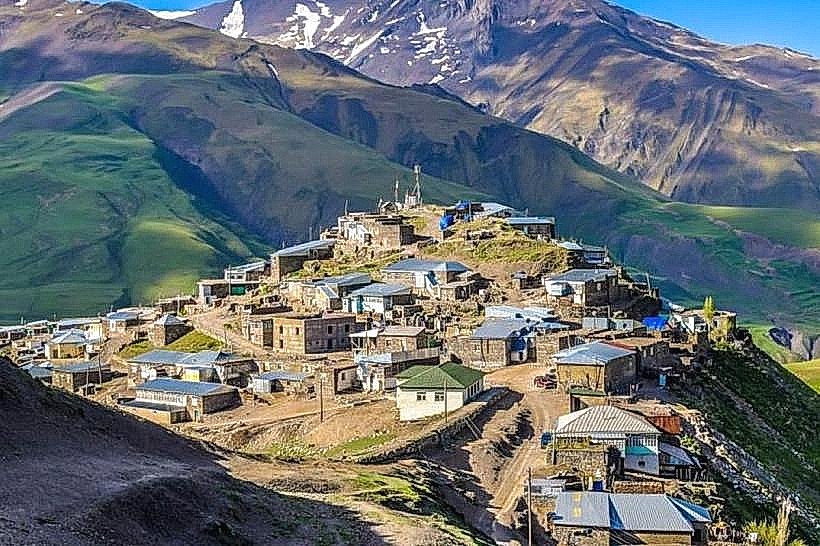
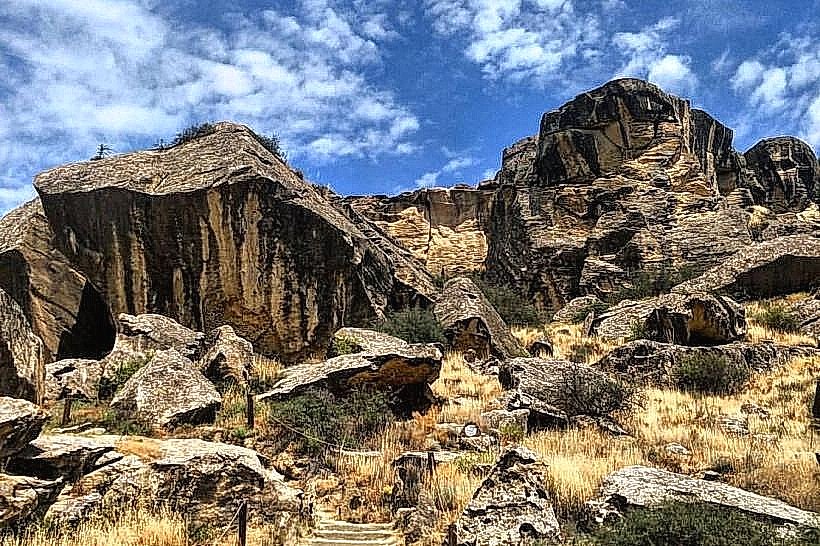
Information
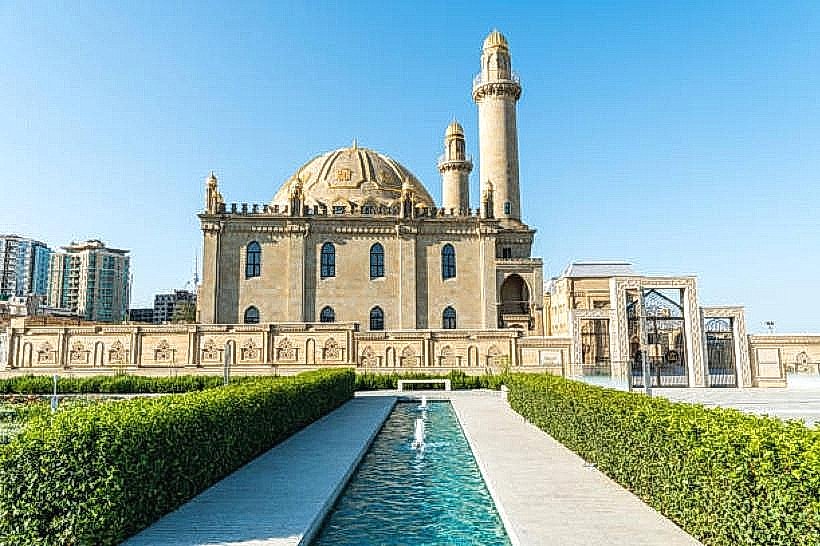
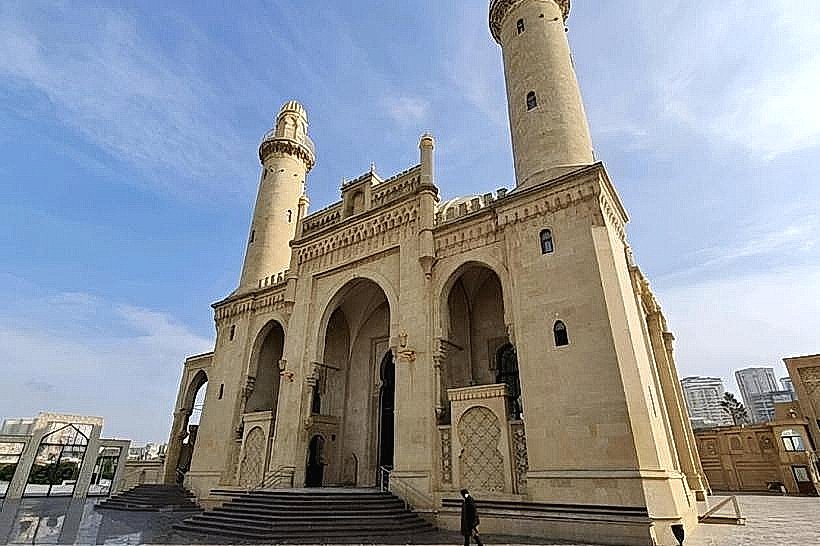
Landmark: Teze Bey HammamCity: Baku
Country: Azerbaijan
Continent: Asia
Teze Bey Hammam, Baku, Azerbaijan, Asia
The Limbe Botanical Garden is a protected area dedicated to the conservation and study of plant life, situated in the coastal city of Limbe, Cameroon.
Visual Characteristics
The garden covers approximately 50 hectares and features a diverse collection of tropical flora. Dominant vegetation includes mature trees, dense undergrowth, and cultivated plots. Soil types vary from sandy loam near the coast to richer volcanic soils inland. The landscape is characterized by undulating terrain with some steeper slopes.
Location & Access Logistics
The garden is located approximately 2 kilometers west of Limbe's city center. Access is via the main coastal road, the Limbe-Victoria Highway. Parking is available on-site. Public transport options include local taxis and shared minibuses (matoros) that run along the highway. The nearest major transport hub is the Limbe port.
Historical & Ecological Origin
Established in 1892 by German botanist Dr. Georg August Zenker, the garden was initially intended for agricultural research and the acclimatization of exotic plants. It is situated on land with volcanic origins, contributing to its fertile soil. The site is part of the larger Mount Cameroon ecosystem.
Key Highlights & Activities
Visitors can observe a wide array of indigenous and exotic plant species, including medicinal plants, palms, and orchids. Walking trails provide access throughout the garden. Educational tours focusing on plant identification and uses are available. Photography of plant specimens is permitted.
Infrastructure & Amenities
Restrooms are available within the garden premises. Limited shaded areas are provided by tree canopies and a few designated shelters. Cell phone signal (2G/3G) is generally available. Food vendors are typically located outside the main entrance.
Best Time to Visit
The best time for visiting is during the dry season, from November to March, for optimal walking conditions. The early morning hours, between 8:00 AM and 10:00 AM, offer the best light for photography due to softer illumination. Rainfall is common throughout the year, so waterproof gear is advisable.
Facts & Legends
The garden houses one of the most extensive collections of African palms in the world. Local folklore suggests that certain ancient trees within the garden possess healing properties, with traditional healers occasionally visiting to gather specific plant materials.
Nearby Landmarks
- Limbe Fish Market - 1.5km East
- Mount Cameroon National Park Entrance - 10km Northwest
- Bimbia Slave Fort Site - 12km Southwest
- Down Beach - 2km Southeast