Information
Landmark: Turkish Bath (Hamam)City: Bitola
Country: North Macedonia
Continent: Europe
Turkish Bath (Hamam), Bitola, North Macedonia, Europe
The Turkish Bath (Hamam) of Bitola is a historic Ottoman-era building located in Bitola, North Macedonia. This well-preserved structure is an important part of the city's architectural heritage and serves as a reminder of the Ottoman influence in the region. The bathhouse (known as a hamam) is one of several such buildings that were constructed in towns across the Balkans during the Ottoman period to promote hygiene, wellness, and social interaction.
History and Significance:
Ottoman Period Construction: The Turkish Bath in Bitola was built during the Ottoman rule in the 16th century, around the time when the Ottoman Empire had a significant presence in the region. Like many other hamams, it was built to cater to the daily hygiene needs of the local population and provide a communal space for relaxation and socializing.
Cultural Role: During the Ottoman era, the hamam played an important role in the social and cultural life of towns like Bitola. It was not just a place for washing, but a site for people to gather, relax, and discuss important matters. The Turkish bath was an essential feature of Ottoman towns and was often considered a symbol of luxury and comfort.
Architectural Style: The bathhouse is built in the traditional Ottoman style, characterized by thick stone walls, domed ceilings, and interior spaces divided into sections for men and women. The design of the building is intended to provide both warmth and privacy, with the steam room and heated floors creating a comfortable bathing environment.
Architectural Features:
Exterior Design: The Turkish Bath in Bitola has a classic Ottoman architectural style. The building is constructed with large stone blocks, and its exterior is simple yet elegant. The roof is domed, which is typical of Ottoman bathhouses, and the structure has a symmetrical layout that is designed to keep the interior warm and comfortable.
Interior Layout: Inside, the Turkish Bath is divided into various sections:
- Entrance Hall (Büyük Sıcaklık): The main entrance is usually a large open space leading into the bathhouse. In Ottoman times, this area was where visitors would disrobe and prepare for their bath.
- Warm Room (Ilık): This is the area where bathers would relax and begin the bathing process. The room is usually heated, providing a comfortable environment for the next stage of the bath.
- Hot Room (Sıcaklık): This is the central room of the hamam, where the bathers would experience the full heat of the bath. The room features heated floors and a large marble platform (known as the göbek taşı), where bathers would sit and be steamed.
- Cooling Room: After the hot bath, bathers would move to a cooling area to relax and enjoy the cooling effect of the ambient air.
Decorative Elements: The bathhouse also features intricate Ottoman-era designs, such as carved stone, marble basins, and mosaic patterns. The use of natural light, coming through small windows and skylights in the domed roof, adds to the bath's atmosphere, creating a sense of serenity and tranquility.
Modern-Day Usage:
Cultural and Historical Landmark: Today, the Turkish Bath in Bitola is primarily a cultural and historical landmark rather than an active bathhouse. It serves as a reminder of the city’s Ottoman past and is a significant point of interest for both tourists and locals.
Restoration and Preservation: The building has undergone restoration efforts to preserve its structure and historical value. While it is no longer used as a public bath, efforts have been made to maintain its traditional architectural features, making it a valuable part of Bitola’s cultural heritage.
Tourist Attraction: The Turkish Bath is a popular destination for visitors interested in learning more about the Ottoman legacy in North Macedonia. Its historical and architectural significance draws tourists, particularly those interested in Ottoman architecture, local history, and the region’s cultural past.
Nearby Attractions:
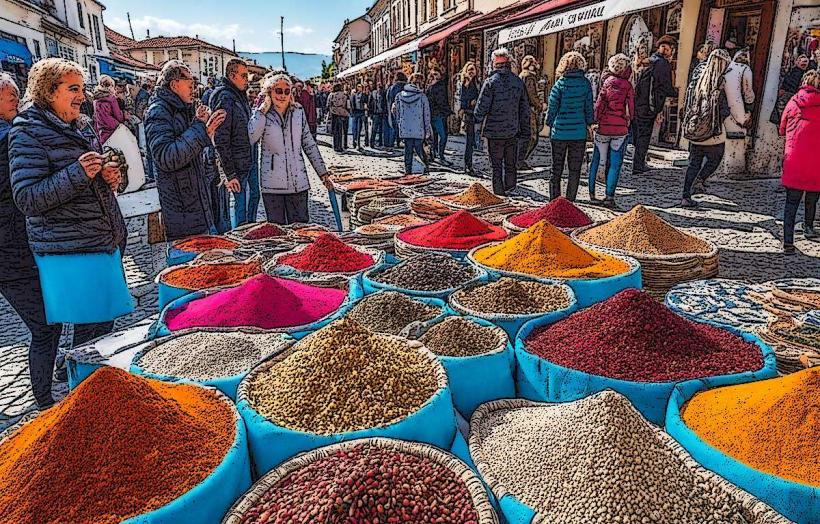
Bitola Old Bazaar: The Turkish Bath is located near the Old Bazaar of Bitola, which is another historical area worth exploring. The Old Bazaar features traditional shops, cafes, and markets, providing a glimpse into the town’s Ottoman-era life.
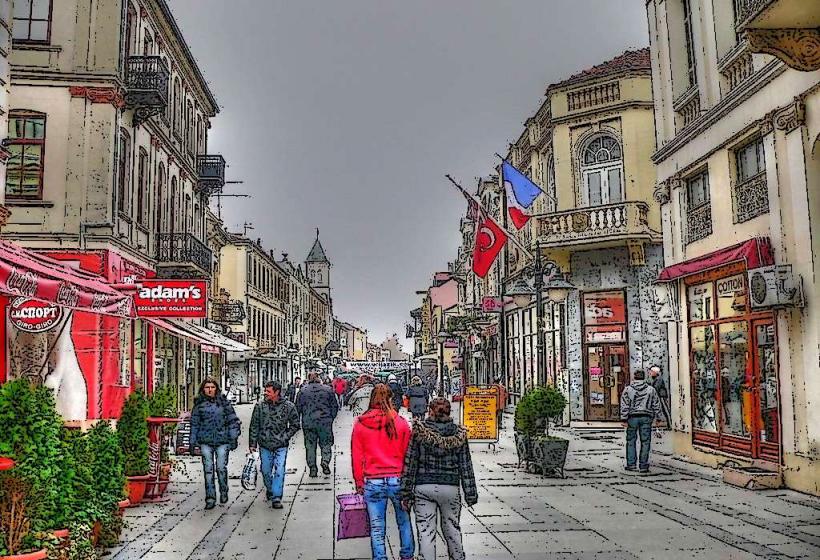
Shirok Sokak: This famous street in Bitola, just a short walk from the Turkish Bath, is lined with neoclassical buildings and is one of the main pedestrian areas in the city. Visitors can stroll through this lively street and enjoy the atmosphere of the city.
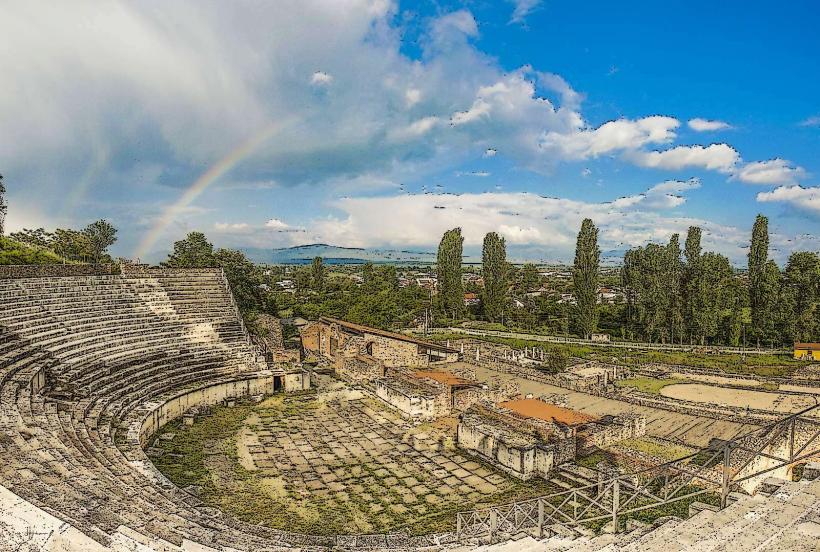
Heraclea Lyncestis: Located just outside Bitola, this ancient archaeological site contains the ruins of a city founded by Philip II of Macedon. It includes a Roman theater, mosaics, and other ancient ruins that offer insight into the region’s rich historical past.
Conclusion:
The Turkish Bath of Bitola is a significant historical and cultural monument that reflects the town's rich Ottoman heritage. Though no longer functioning as a public bathhouse, the structure serves as a reminder of the historical role these communal spaces played in Ottoman society. The architectural beauty, restoration efforts, and cultural importance of the Turkish Bath make it an essential stop for those interested in exploring Bitola’s past and the broader history of the Ottoman Empire in the Balkans.