Information
Landmark: Waikiki Historic TrailCity: Honolulu
Country: USA Hawaii
Continent: North America
Waikiki Historic Trail, Honolulu, USA Hawaii, North America
Overview
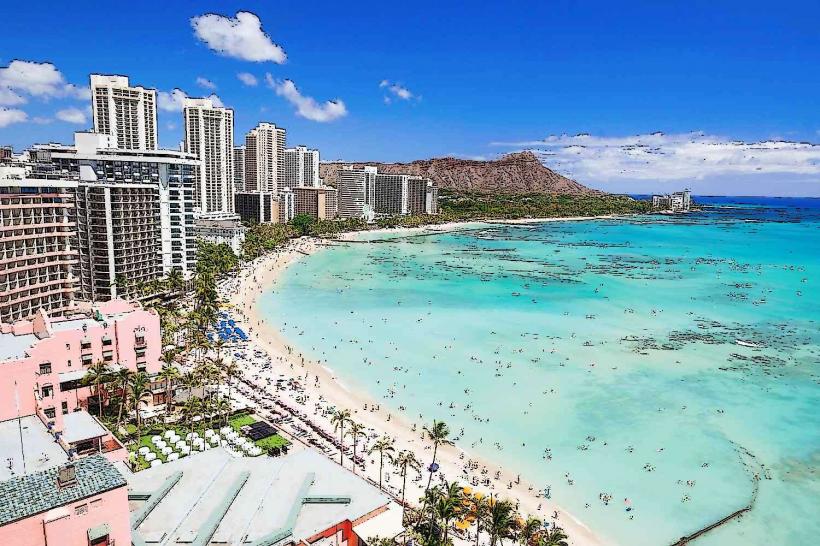
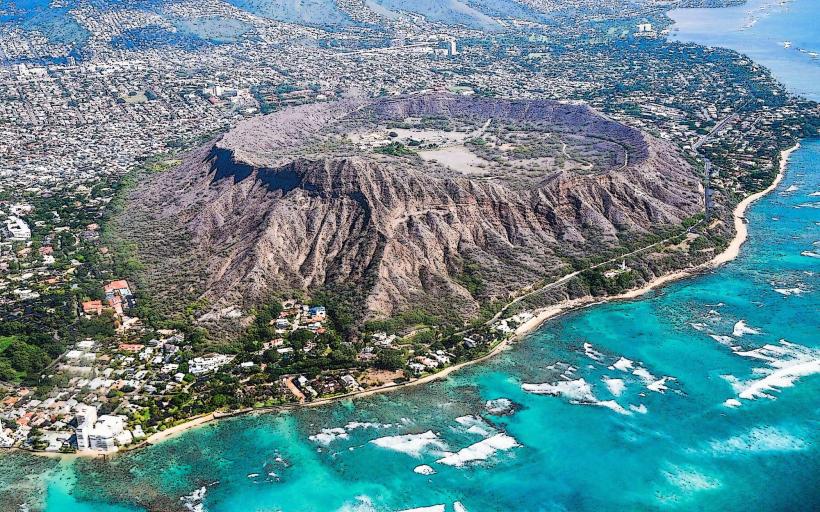
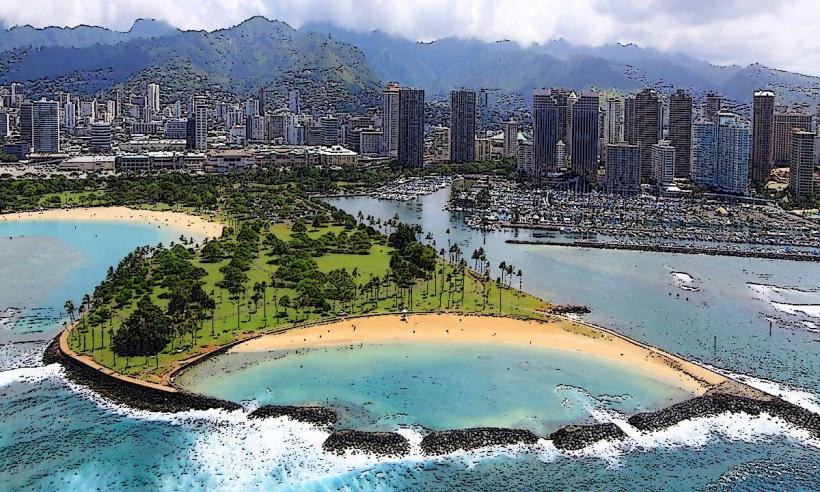
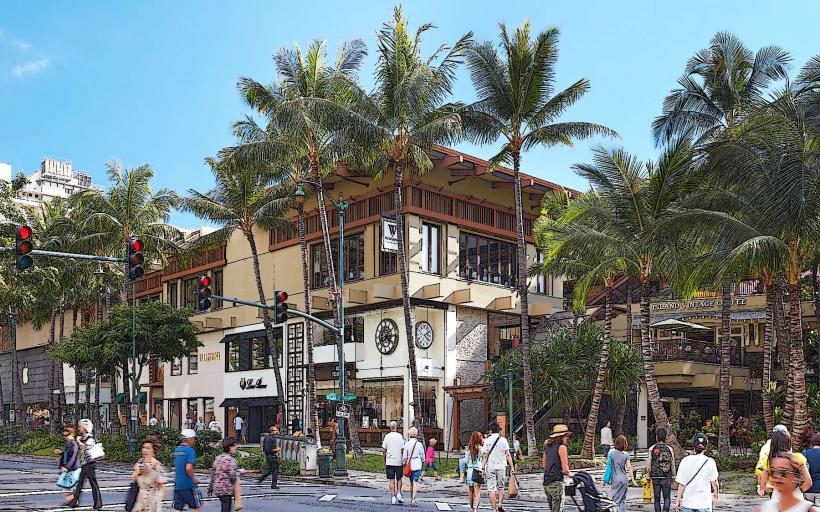
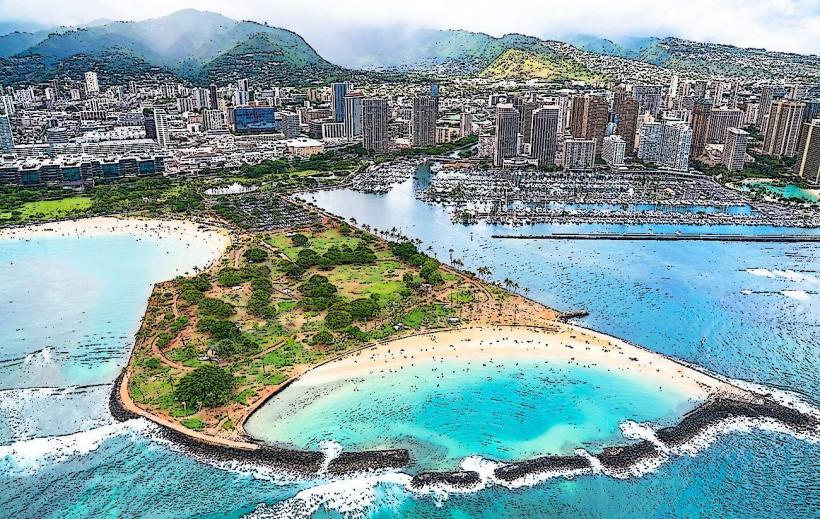
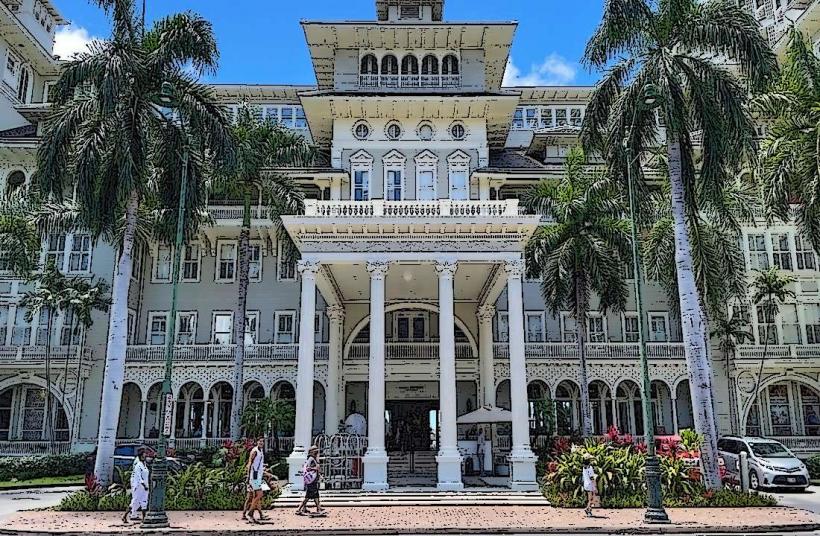
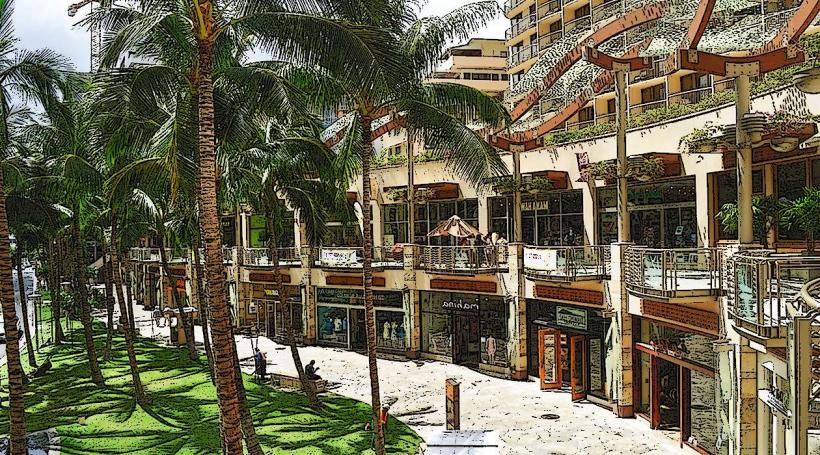
The Waikīkī Historic Trail lets you wander at your own pace, tracing the district’s rich history and cultural roots as ocean breezes carry the scent of salt and plumeria through Honolulu’s famous shoreline on Oʻahu, to boot this trail leads you past notable landmarks, storied sites, and vibrant cultural touchstones that trace Waikīkī’s journey-from its ancient Hawaiian origins to the bustling, sunlit resort it is today, in a sense A quick view at the Waikīkī Historic Trail, where bronze surfboard markers guide you past stories etched into the island’s past, while the Waikīkī Historic Trail was designed to help visitors understand the area’s rich history, offering perspective on the modern resort and tourism scene.Bronze plaques set into the sidewalks share short stories about the sites and the people tied to them, while winding through Waikīkī, the trail highlights natural landmarks, historic buildings, and key cultural spots.The trail winds down Kalākaua Avenue, Waikīkī’s bustling main street, passing beaches, shaded parks, and well-known landmarks like the Duke Kahanamoku statue, in conjunction with along the way, 22 bronze plaques share short glimpses into the area’s history.The Waikīkī Historic Trail features several standout landmarks, from statues that catch the sunlight to plaques that whisper stories of the past, besides kuhio Beach takes its name from Prince Jonah Kūhiō Kalanianaʻole-the “Prince of the Hawaiian people”-who championed Hawaiian rights and helped spark the Hawaiian Renaissance, as waves rolled gently onto the sand he once walked.The Prince Kūhiō statue rises in the park, honoring his legacy, in turn this spot once formed part of a royal home, and the nearby beach-alive with laughter and music-has been a gathering area for generations.Kapiʻolani Park sits at the eastern tip of Waikīkī Beach, its grassy fields and shady banyan trees welcoming visitors since it first opened in 1877 as Hawaii’s oldest public park, on top of that they named it for Queen Kapiʻolani, wife of King David Kalākaua, whose shining silks once caught the Hawaiian sun.Honestly, For generations, the park has welcomed royal ceremonies and lively public gatherings across Hawai‘i’s history, as well as today, it’s still a treasured patch of green in Waikīkī, where music drifts from concerts, festivals brighten the lawns, and families spread blankets for a sunny afternoon picnic, kind of The Hawaiian Ocean Tourism site honors the return of traditional voyaging canoes, celebrating how the ocean-its salt air and rolling swells-shapes Hawaiian culture and history, consequently this spot honors the remarkable skill of Polynesian navigators, whose mastery of the stars and sea let early Hawaiian voyagers cross the wide Pacific.As far as I can tell, Just offshore, the Hōkūleʻa-a traditional Hawaiian canoe-belongs to the Polynesian Voyaging Society, and its travels around the globe keep those ancient seafaring traditions alive, while the original International Market venue opened in the early 1950s, bustling with open-air stalls where the scent of grilled pineapple drifted through the crowd.Local vendors once filled the market with Hawaiian souvenirs, handmade crafts, and the smell of fresh poke, turning it into a lively hub of island culture, not only that in 2016, it was transformed into an upscale shopping center, yet its design still weaves in touches of traditional Hawaiian architecture, under certain circumstances The Moana Hotel, better known as the Moana Surfrider, stands as one of Waikīkī’s oldest and most iconic places to stay, its white columns catching the morning sun, simultaneously the Moana Hotel opened its doors in 1901 as Waikīkī’s first grand resort, laying the groundwork for the area’s tourism boom.It seems, For over a century, its white colonnades have welcomed royalty, movie stars, and presidents alike, at the same time perched within Diamond Head State Monument, the Diamond Head Lookout gives you sweeping views of Waikīkī, Oʻahu, and the glittering curve of the coastline.Diamond Head Crater, called Leʻahi in Hawaiian, rose from an ancient volcanic eruption and later served as a military lookout; from its rim, soldiers once scanned the sparkling Pacific for approaching ships, and today it stands as a cherished symbol of Oʻahu’s history, while kaniakapūpū, known as the King’s Summer Palace, was a quiet royal retreat King Kamehameha III built in the early 1800s, where breezes carried the scent of rainforest through its stone walls.Perched on the slopes of the Koʻolau Mountains, the site once served as the king’s retreat, where ocean breezes drifted through open lanais, likewise the building is gone now, but the locale still draws visitors for its glimpse into royal life and its deep ties to nature and Hawaiian spirituality during the monarchy.Nicknamed the “Pink Palace of the Pacific,” the Royal Hawaiian Hotel opened its doors in 1927, welcoming wealthy travelers to sip cocktails under swaying palms by the shore, simultaneously with its soft pink façade catching the afternoon sun and a storied past as one of Waikīkī’s first luxury resorts, it stands as a key stop along the trail.The hotel helped lead Waikīkī’s tourism boom and remains among Hawaii’s most recognizable landmarks, and along the trail, plaques and historic sites bring the Hawaiian monarchy to life, from the grandeur of royal residences to the kingdom’s lasting mark on Waikīkī’s growth.You’ll encounter stories of the 19th-century Hawaiian Renaissance, when King Kalākaua filled the air with music and dance, and Queen Liliʻuokalani championed her people’s culture, likewise the path also celebrates ancient traditions-casting nets at sunrise, the graceful sway of hula, and wayfinding by stars-all rooted in a deep bond with land and sea.At several stops, the spirit of aloha ʻāina and the voices of kanaka maoli speak to that enduring connection, along with by the end, the trail reveals Waikīkī’s journey from a quiet royal haven and fishing village to the bustling tourist hub it is today.Funny enough, Hotels like the Moana Surfrider, with its wide verandas facing the surf, and the Royal Hawaiian helped transform Waikīkī into a thriving resort destination, along with the trail also highlights tourism’s lasting influence, showing how this setting balances Hawaiian traditions with a modern, visitor-driven economy, perhaps Practical Information 1, at the same time want to explore the trail?Just so you know, The Waikīkī Historic Trail is free, self-guided, and marked by bronze surfboard plaques that catch the sunlight, also the trail winds across several blocks, where you can linger over bronze plaques, watch the palm fronds sway, and soak up the area’s history.It’s easy to follow and built for walking, so you can explore Waikīkī entirely on your own terms, then it’s open all year and welcomes everyone, but if you want to avoid the crowds, come early in the morning when the air is still cool or later in the afternoon.
Author: Tourist Landmarks
Date: 2025-09-10