Information
Landmark: White River Visitor CenterCity: Wall
Country: USA South Dakota
Continent: North America
White River Visitor Center, Wall, USA South Dakota, North America
Overview and Location
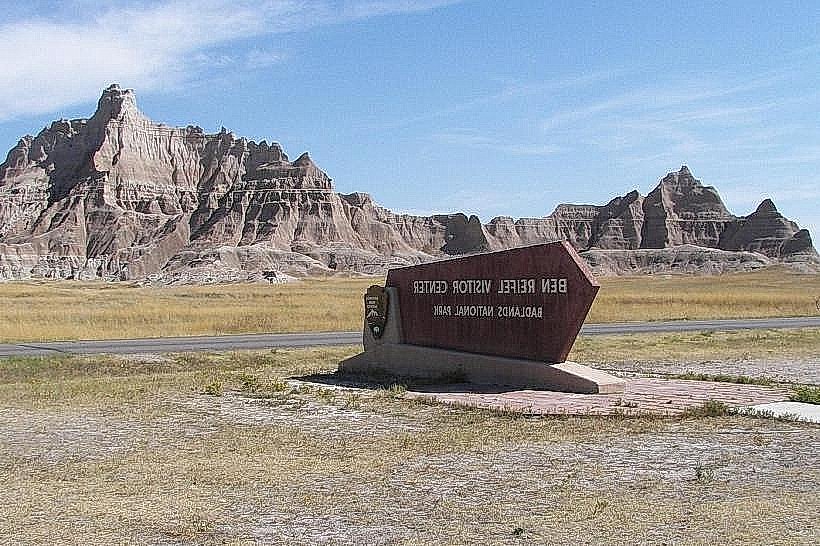
The White River Visitor Center is one of the main gateways for visitors to Badlands National Park, located near Wall, South Dakota, close to the park’s South Entrance. This visitor center provides educational resources, maps, and interpretive exhibits to help travelers explore the geology, wildlife, and cultural history of the Badlands. Unlike the Ben Reifel Visitor Center in the northeast, the White River Visitor Center serves as a convenient starting point for visitors entering from the south or traveling along Interstate 90.
The center is named after the nearby White River, which flows through the park and has played a significant role in shaping the landscape through erosion and sediment deposition over millions of years.
Exhibits and Features
The White River Visitor Center offers a range of exhibits designed to introduce visitors to the Badlands’ natural and cultural history:
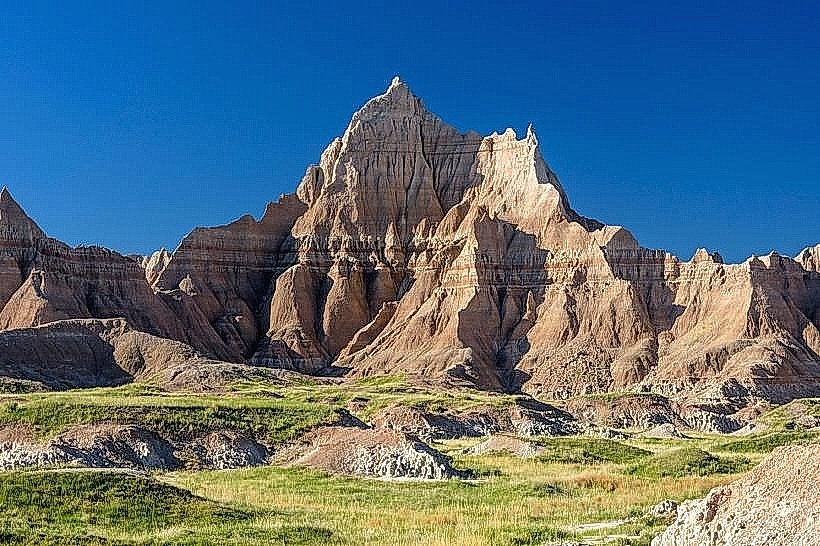
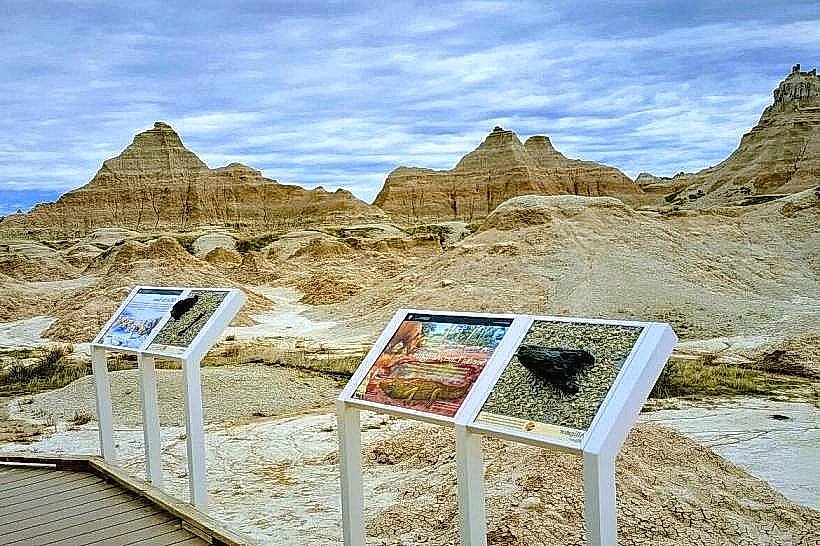
Geology Exhibits: Displays explain the processes of erosion, sedimentation, and rock layering, highlighting how the park’s sharp pinnacles and colorful formations were formed.
Fossil Displays: Featuring casts and replicas of ancient mammals, including saber-toothed cats, three-toed horses, and rhinoceroses, the exhibits illustrate the Badlands’ rich paleontological record.
Wildlife Education: Information about native species such as bison, pronghorn, bighorn sheep, and prairie dogs provides insight into the park’s ecosystem.
Cultural History: Panels highlight the Oglala Lakota and other Native American tribes who have historical and spiritual ties to the land, as well as early European exploration.
Junior Ranger Program: Children can participate in educational activities designed to teach about geology, wildlife, and conservation.
The center also provides maps, trail guides, and current information on weather, trail conditions, and recommended scenic drives.
Visitor Facilities and Services
Restrooms and Drinking Fountains: Clean, accessible facilities for all visitors.
Gift Shop: Offers souvenirs, educational materials, and books about the Badlands’ geology, wildlife, and history.
Parking: Ample parking for cars, RVs, and buses, including accessible spaces.
Ranger Assistance: Staff provide guidance on hiking, wildlife safety, and park regulations.
Accessibility: Fully accessible to visitors with mobility limitations, including paved paths and ramps.
Nearby Attractions
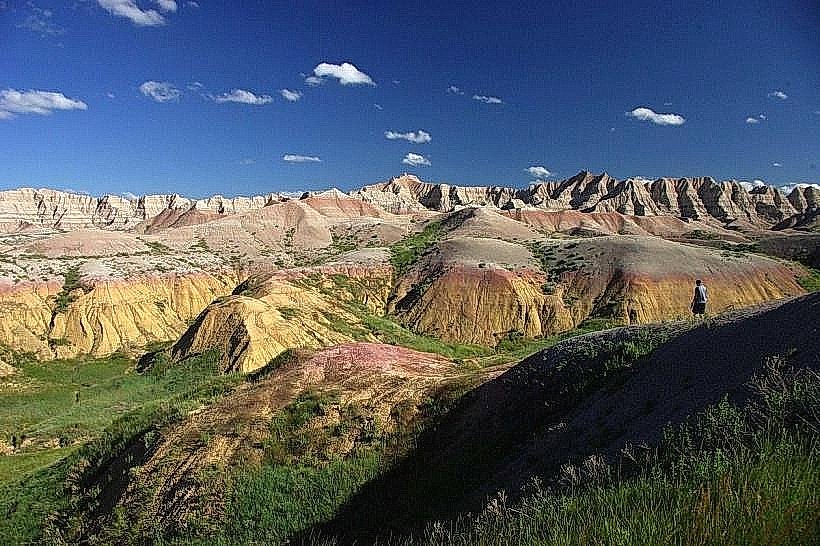
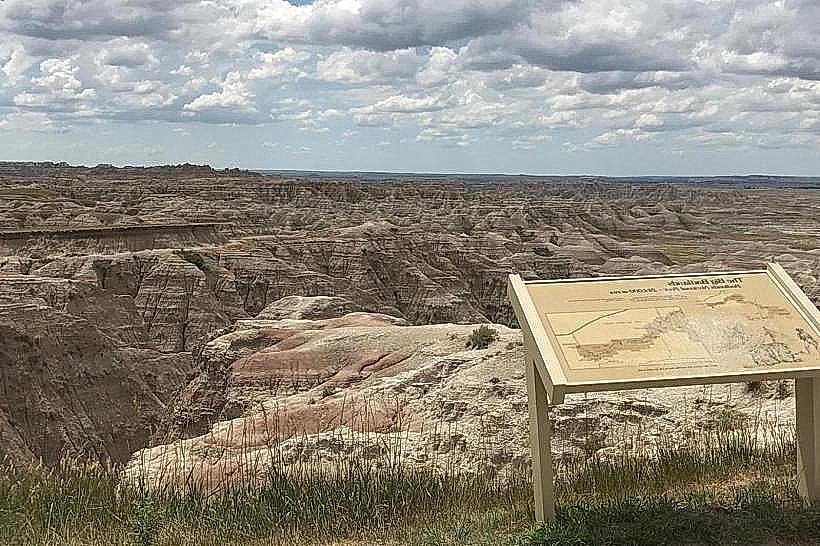
Badlands Loop Road (SD-240): Scenic drive with multiple overlooks, including Big Badlands Overlook, Pinnacles Overlook, and Yellow Mounds Overlook.
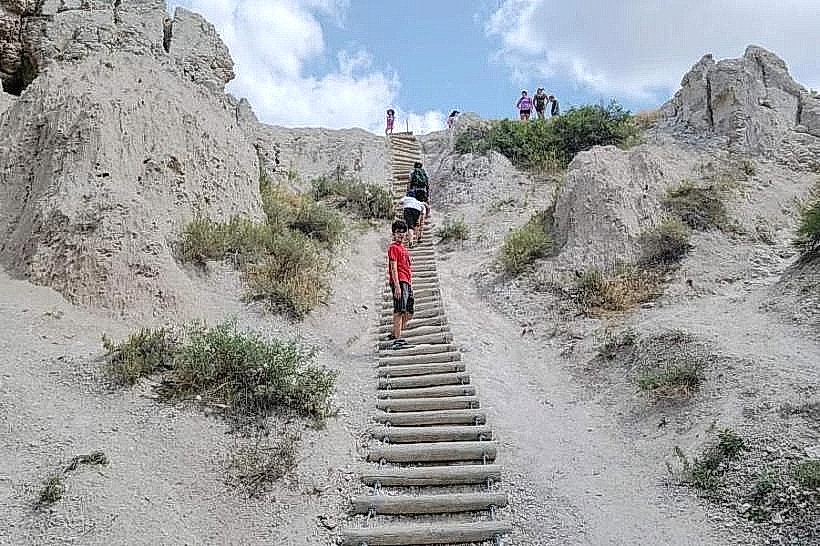
Castle Trail and Notch Trail: Hiking trails offering immersive experiences among the park’s eroded formations.
Fossil Exhibit Trail: A short, educational trail showcasing the park’s fossil-rich rock layers.
Wildlife Viewing: Prairie and grassland areas near the visitor center are ideal for spotting bison, pronghorn, and other native animals.
Atmosphere and Visitor Experience
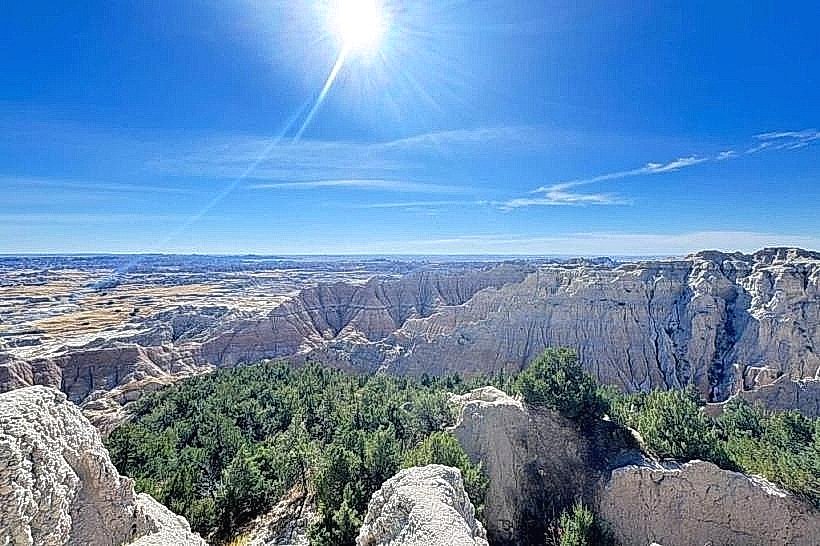
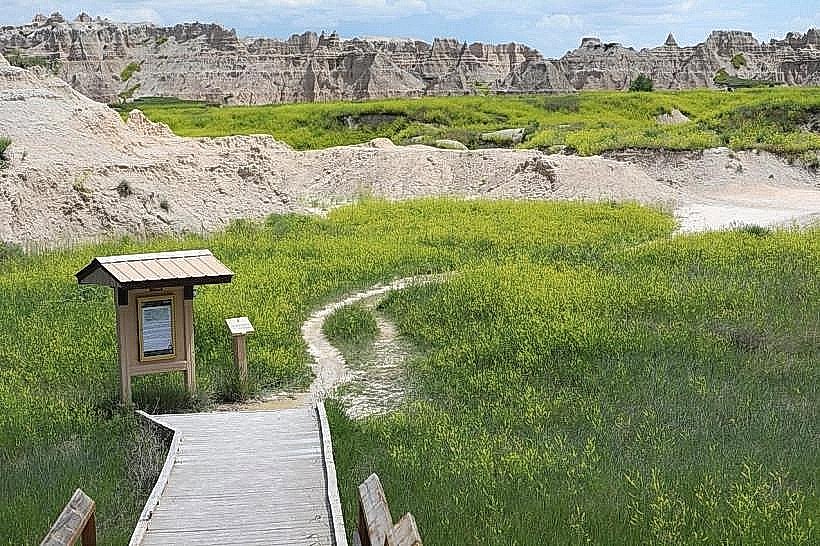
The White River Visitor Center provides a welcoming, educational environment for visitors entering the park from the south. It serves as both a starting point for exploration and a hub for learning, offering interpretive signage, exhibits, and ranger guidance. The surrounding prairie and distant rock formations visible from the center provide a preview of the rugged landscapes awaiting visitors along the scenic drives and hiking trails.
Practical Information
Location: Near South Entrance, Badlands National Park, South Dakota
Hours: Open daily during peak season; limited winter hours
Facilities: Exhibits, gift shop, restrooms, ranger assistance, accessible paths
Best Time to Visit: Spring through fall for optimal weather and wildlife activity; early morning for quieter experience
Closing Impression
The White River Visitor Center serves as a gateway to the natural and cultural wonders of Badlands National Park. Its exhibits, resources, and accessible location make it an essential stop for visitors entering from the south, offering both context and inspiration for exploring the park’s dramatic landscapes, rich wildlife, and deep geologic history.