Information
Landmark: Wildlife Loop RoadCity: Custer
Country: USA South Dakota
Continent: North America
Wildlife Loop Road, Custer, USA South Dakota, North America
Overview and Setting
The Wildlife Loop Road is the heart of the Custer-state-park_custer" class="underline">Custer State Park experience, an 18-mile scenic drive that winds through rolling prairies, ponderosa pine forests, and granite outcroppings in South Dakota’s Black Hills. True to its name, this route is renowned for its abundant wildlife encounters-from massive bison herds grazing along the grasslands to pronghorn antelope sprinting through the open plains.
Stretching through the park’s southern section, the loop showcases the natural diversity that makes Custer State Park one of the premier wildlife reserves in the American West. Early morning and late afternoon are the best times to drive it, when the animals are most active and the golden light turns the prairie into a glowing sea of amber and green.
Road Design and Experience
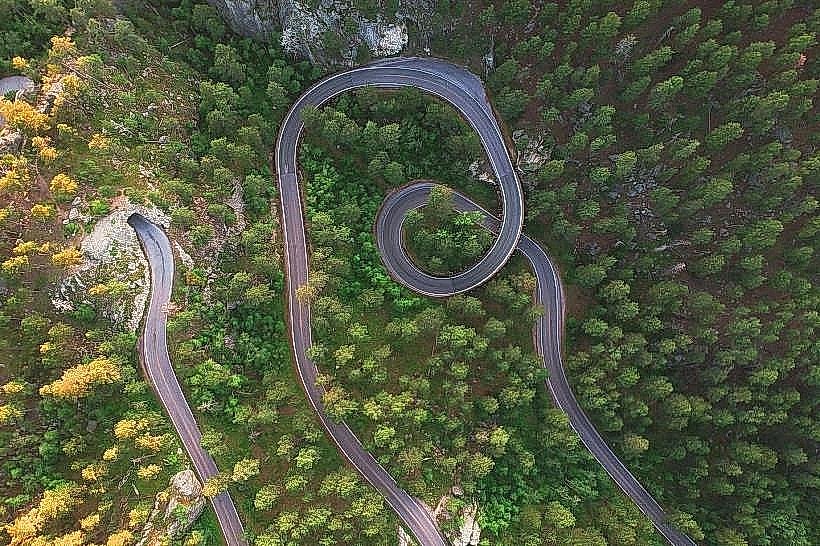
The Wildlife Loop Road begins near the State Game Lodge on the east side of the park and curves gently south and west before looping back toward the Blue Bell area. The road alternates between paved and gravel stretches, weaving through wide valleys, low ridges, and shaded pine groves.
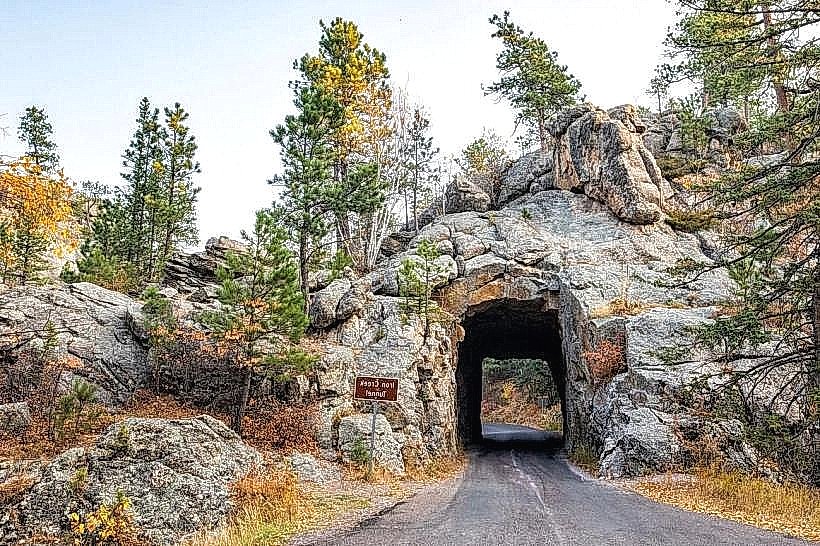
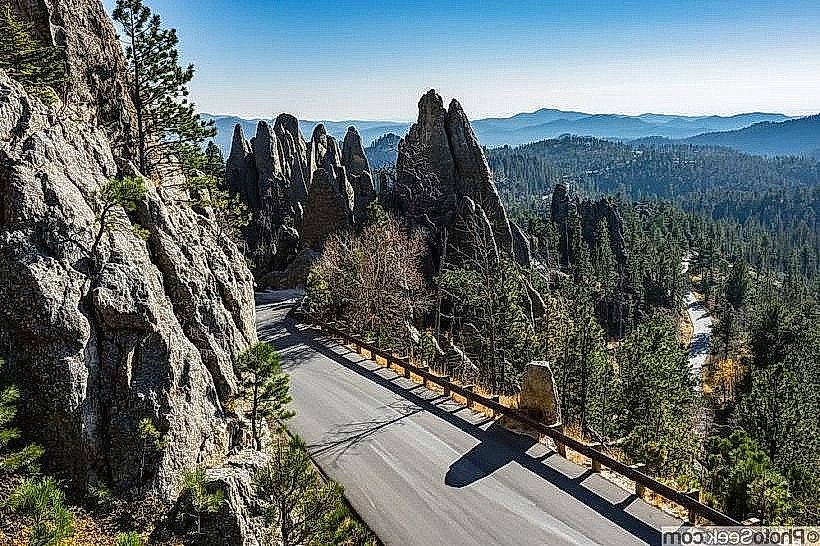
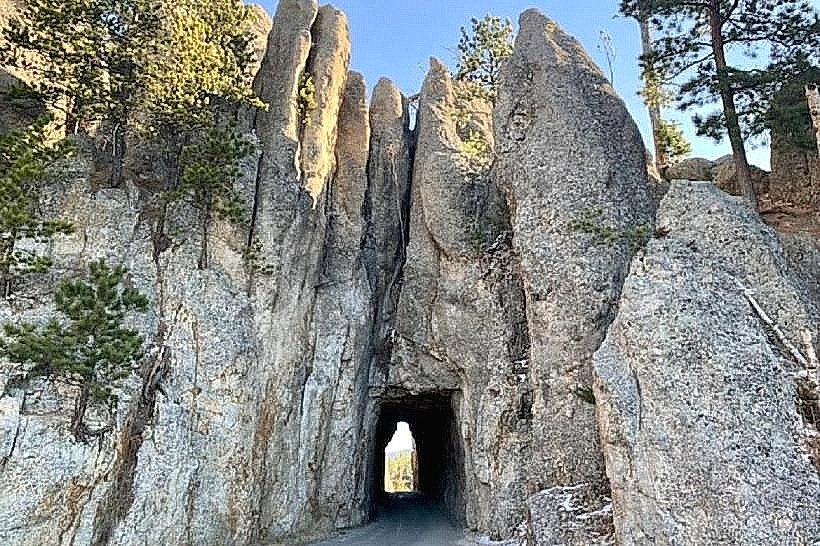
Unlike the tight turns of the Needles Highway or Iron Mountain Road, this drive is smooth and easygoing, encouraging slow travel and frequent stops. Pullouts and meadows along the way offer perfect spots for photography or quiet observation. The loop can be completed in 45 minutes to an hour, though most visitors linger much longer, captivated by the wildlife that often appears just feet away from the road.
Wildlife Encounters
The Wildlife Loop is famous for its free-roaming bison herd, one of the largest publicly owned herds in North America, numbering around 1,400 animals. These massive creatures, weighing up to 2,000 pounds, often block traffic as they cross the road in unhurried groups, sometimes surrounding vehicles in what visitors affectionately call a “bison jam.”
Other common sightings include:
Pronghorn antelope, the fastest land mammals in North America, often seen grazing or sprinting across open fields.
White-tailed and mule deer, especially near forest edges.
Prairie dogs, whose bustling colonies fill the air with chirping sounds and constant motion.
Wild burros, descendants of pack animals once used by miners, now friendly and accustomed to greeting visitors at car windows.
Coyotes, elk, and wild turkeys, less common but occasionally spotted, particularly during quieter hours.
In the spring, the meadows come alive with new life-bison calves with cinnamon-colored coats, pronghorn fawns, and countless bird species migrating through the region.
Scenic Highlights and Stops
Prairie Dog Towns: Open grasslands filled with small burrows and alert prairie dogs standing upright like sentinels.
Buffalo Corrals: Near the road’s western edge, visitors can see the pens used during the park’s annual bison roundup, a celebrated event each fall.
Blue Bell Lodge: A rustic stop for dining or horseback riding excursions into the surrounding hills.
Scenic Overlooks: Gentle ridges provide wide views of the prairies stretching toward the horizon, dotted with dark bison silhouettes.
Atmosphere and Character
Driving the Wildlife Loop feels like stepping into an untamed frontier, where the rhythms of the prairie still dictate the pace of life. The experience is deeply sensory-the sound of wind sweeping through tall grass, the earthy scent of sage and pine, and the sight of hundreds of bison slowly grazing under an endless sky.
Unlike many wildlife reserves, Custer State Park offers close, natural encounters without cages or barriers. Animals here roam freely across 71,000 acres, often indifferent to human presence. Watching a bison herd move as a single, thundering mass across the open land is an unforgettable sight-equal parts peaceful and powerful.
Practical Information
Length: 18 miles (loop)
Duration: 45–90 minutes, depending on stops and wildlife sightings
Open Season: Year-round (occasional closures during winter storms)
Best Time to Visit: Early morning or evening for active wildlife and soft light
Road Conditions: Mostly paved; some gravel sections. Accessible for all vehicles.
Facilities: Restrooms and food services available at Blue Bell and the State Game Lodge areas
Legacy and Spirit
The Wildlife Loop Road embodies what makes the Black Hills special-raw beauty, freedom, and a deep connection to the land’s natural rhythms. It’s not just a drive; it’s a living window into the Great Plains ecosystem that once stretched unbroken across North America.
Every turn of the loop offers something new-sometimes quiet, sometimes wild-but always deeply tied to the spirit of the West that continues to define Custer State Park today.