Information
City: CusterCountry: USA South Dakota
Continent: North America
Custer, USA South Dakota, North America
Custer is an incorporated city and the seat of Custer County, located in the southern Black Hills. Known as the "Oldest Town in the Black Hills," it is defined by its 1874 gold rush origins, its proximity to Custer State Park, and its role as a high-elevation outdoor recreation hub.
Historical Timeline
Inhabited by the Lakota Sioux. Founded in 1875 following the Custer Expedition of 1874, which discovered gold in French Creek. A critical historical event was the 1876 gold strike in the Northern Hills (Deadwood), which caused the town’s population to plummet from 10,000 to nearly zero in weeks. It later stabilized as a center for timber, mica, and feldspar mining. In the 20th century, the city transitioned to tourism with the 1919 creation of Custer State Park. In the 21st century, it has become a premier destination for luxury outdoor hospitality and mountain biking.
Demographics & Population
The population is approximately 2,000. The demographics are predominantly White (91%) and Native American (4%). The economy is driven by tourism, the U.S. Forest Service, and regional ranching.
Urban Layout & Key Districts
Custer is situated at an elevation of 1,620 meters and follows a traditional mountain grid.
Mt. Rushmore Road / Main Street: The commercial spine featuring historic stone buildings, local eateries, and "Black Hills Gold" retailers.
French Creek Corridor: The historic site of the original gold discovery, now featuring walking trails and parks.
Custer County Courthouse District: The administrative center of the southern hills, featuring the 1881 historic courthouse.
Top City Landmarks
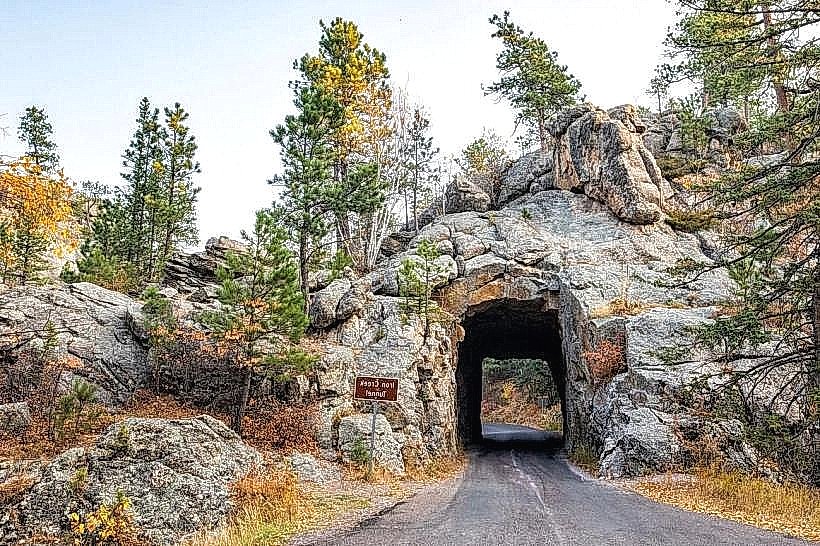
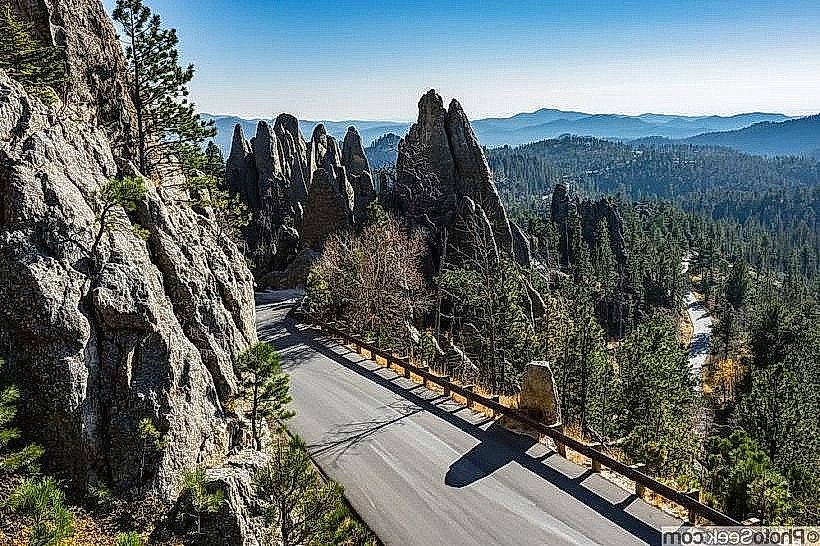
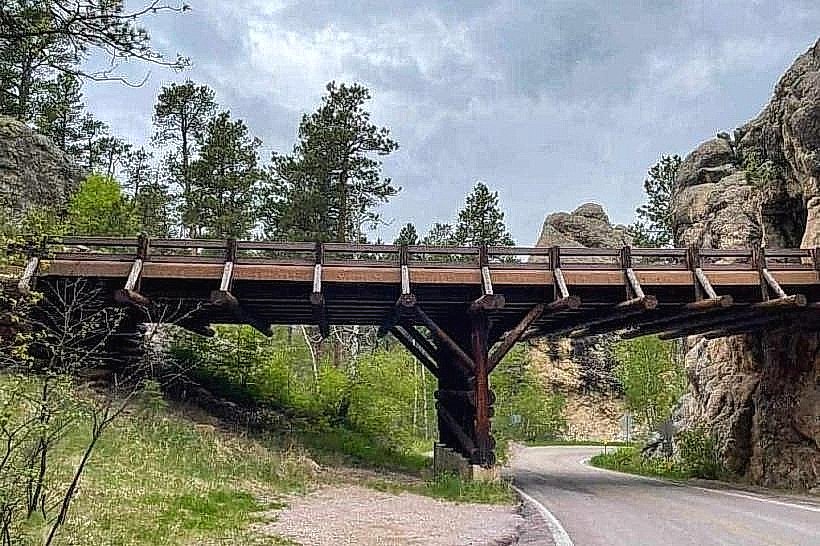
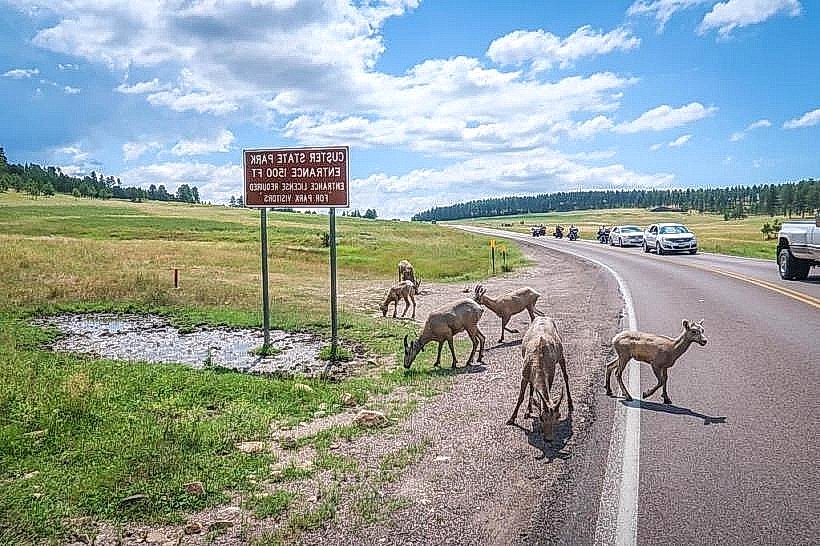
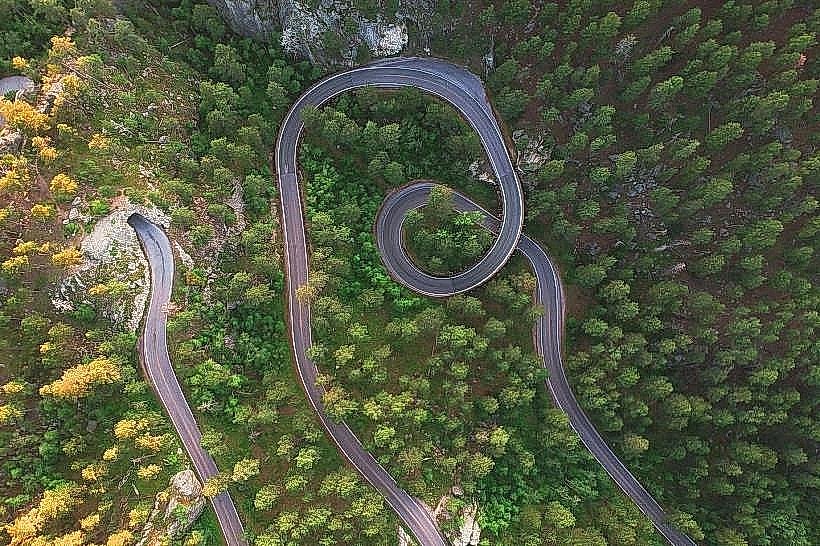
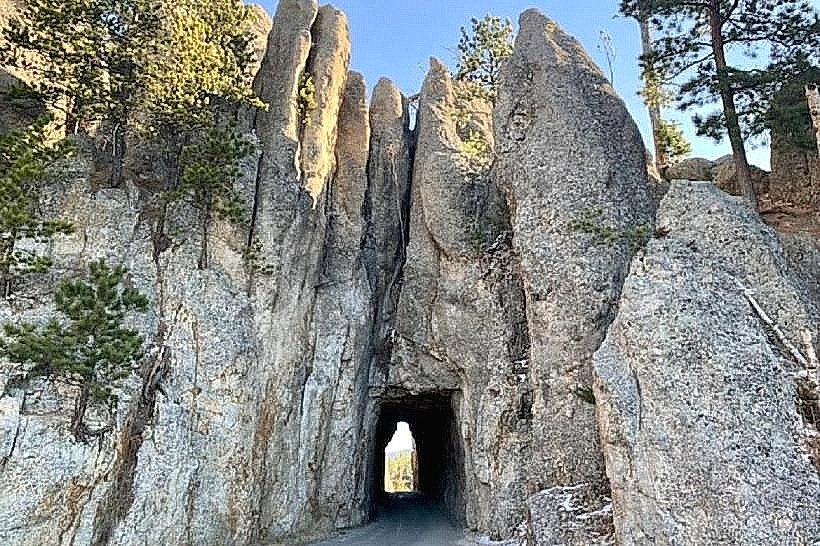
Custer State Park: Located 10 km east; a 71,000-acre wildlife preserve famous for its 1,500 free-roaming bison and the Needles Highway.
Crazy Horse Memorial: Located 8 km north; the massive mountain carving dedicated to the Lakota leader, featuring the Indian Museum of North America.
1881 Courthouse Museum: A three-story brick and stone landmark documenting the 1874 gold discovery and Black Hills pioneer life.
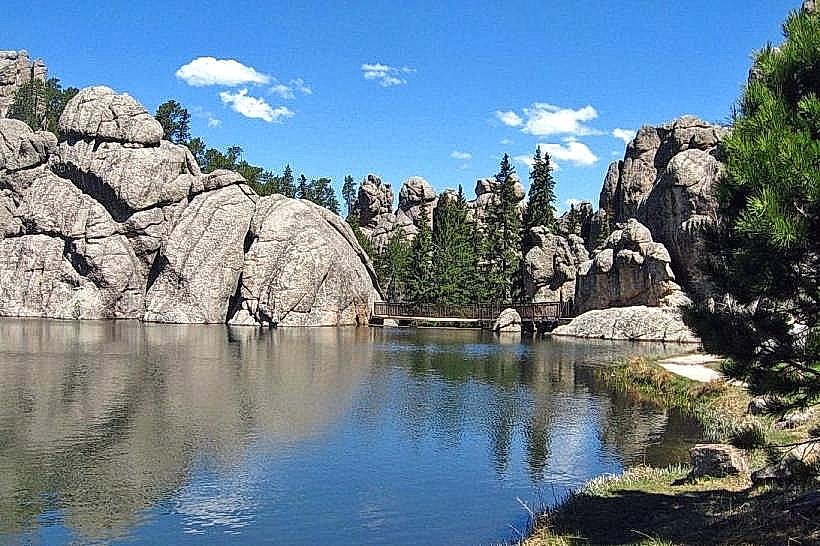
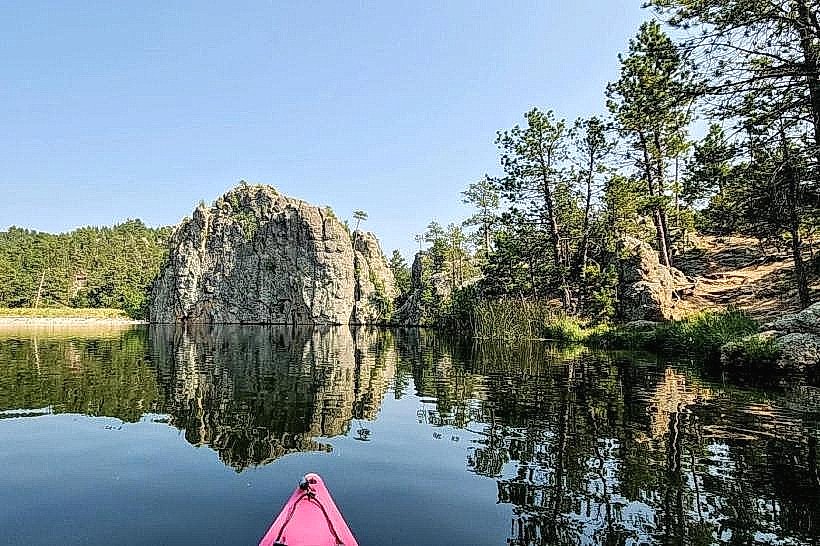
Sylvan Lake: Known as the "Crown Jewel" of the Black Hills, featuring unique rock formations and access to Black Elk Peak.
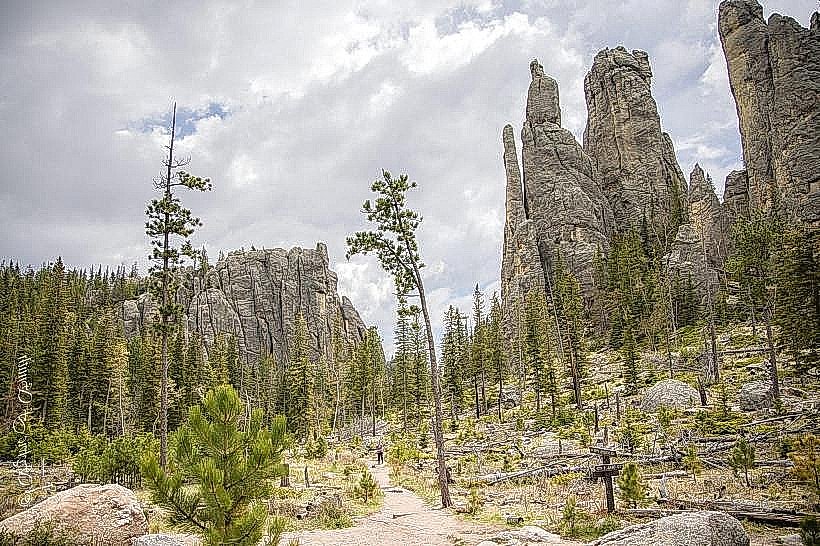
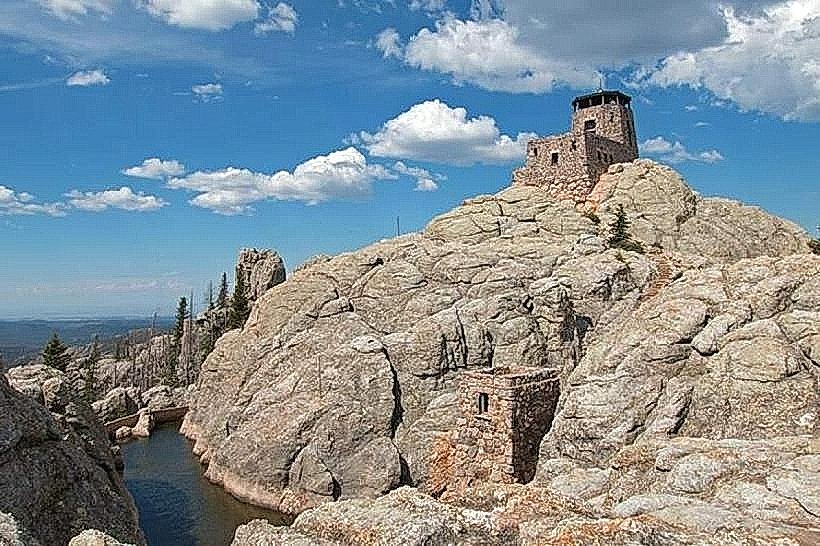
Black Elk Peak: The highest point in the U.S. east of the Rockies (2,208 meters), accessible via trails starting near Custer.
Transportation Network
Movement is automotive-centric. The city is the junction of US-16, US-385, and SD-89. It is the primary gateway to the Needles Highway (SD-87). No public transit is available. Commercial air service is via Rapid City Regional (RAP), 80 km northeast.
Safety & "Red Zones"
The general safety level is very high. Crime is negligible. There are no "red zones." Environmental hazards include extreme wildfire risk, sudden mountain thunderstorms, and hazardous winter road conditions on steep grades.
Digital & Financial Infrastructure
Internet speeds are moderate (100–400 Mbps) with fiber provided by Golden West. Main mobile carriers are Verizon and AT&T. Card acceptance is universal. South Dakota has no state income tax.
Climate & Air Quality
Temperatures range from -11°C to 1°C in winter and 11°C to 26°C in summer. Custer is significantly cooler than the plains due to its altitude. Air quality is pristine.
Culture & Social Norms
The standard tipping percentage is 20%. A "Rugged-Western" and helpful greeting is standard. Dress codes are "Mountain-Casual." The city is culturally defined by the Buffalo Roundup, Rodeo culture, and Outdoor Ethics.
Local Cost Index
1 Espresso: $4.75 (USD)
1 Standard Lunch: $17.00 (USD)
1 Custer State Park Vehicle Pass: $20.00.
Nearby Day Trips
Wind Cave National Park: (30 km south; featuring rare boxwork formations and a massive prairie dog town).
Jewel Cave National Monument: (21 km west; the third-longest cave in the world).
Hot Springs, SD: (50 km south; home to the Mammoth Site).
Facts & Legends
Custer is the site where the Black Hills Gold Rush officially began. Historically, it was the location of the "Tallent House," home to Annie Tallent, the first white woman to enter the Black Hills (illegally) in 1874. A local legend involves the "Phantom of the Needles," a spectral figure said to be seen among the granite spires during high-wind storms. Another legend concerns "Custer’s Hidden Paymaster Gold," rumored to be buried along French Creek during the 1874 expedition.