Information
Landmark: Xel-Há ParkCity: Cancun
Country: Mexico
Continent: North America
Xel-Há Park, Cancun, Mexico, North America
Xel-Há Park is an eco-archaeological park located on the Riviera Maya, south of Cancun, Mexico.
It is a natural inlet and aquarium featuring a large lagoon, cenotes, and underground rivers.
Visual Characteristics
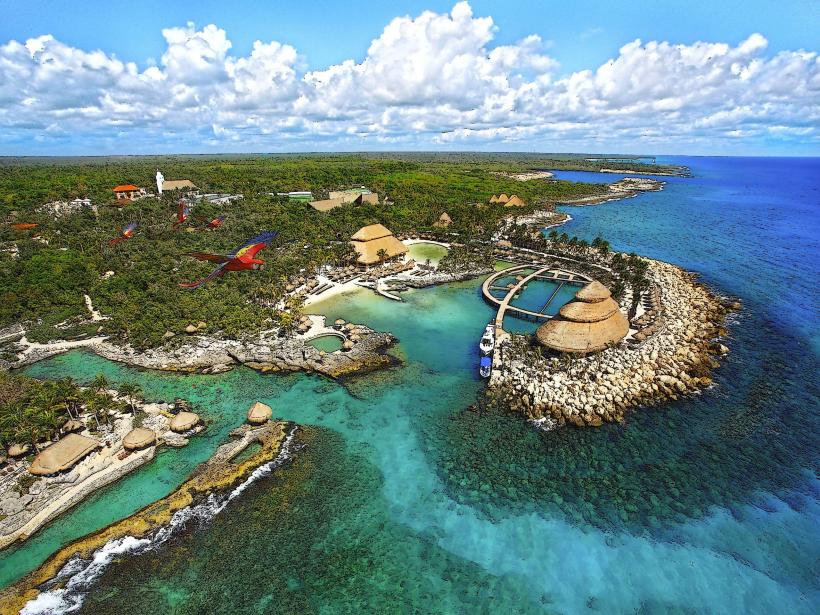
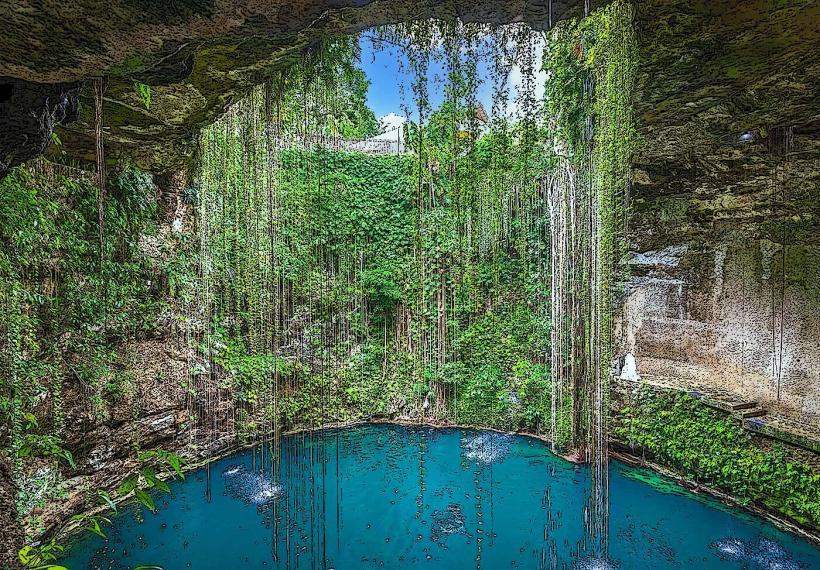
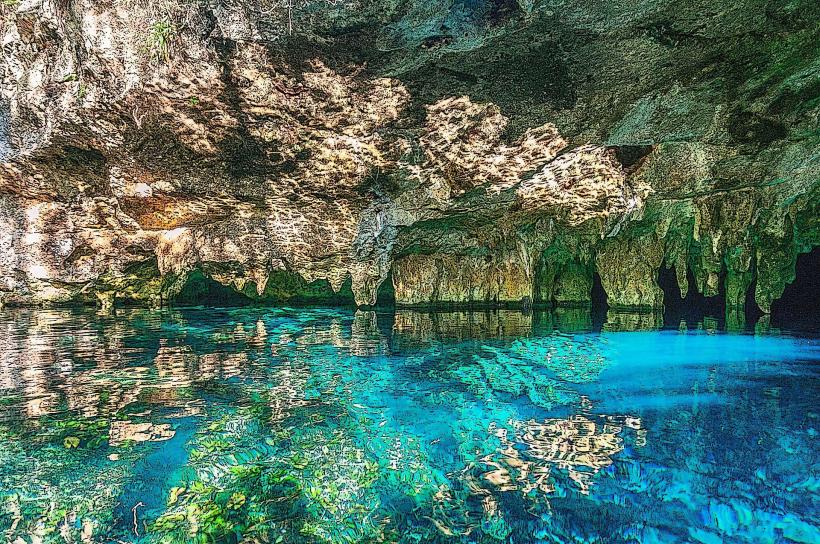
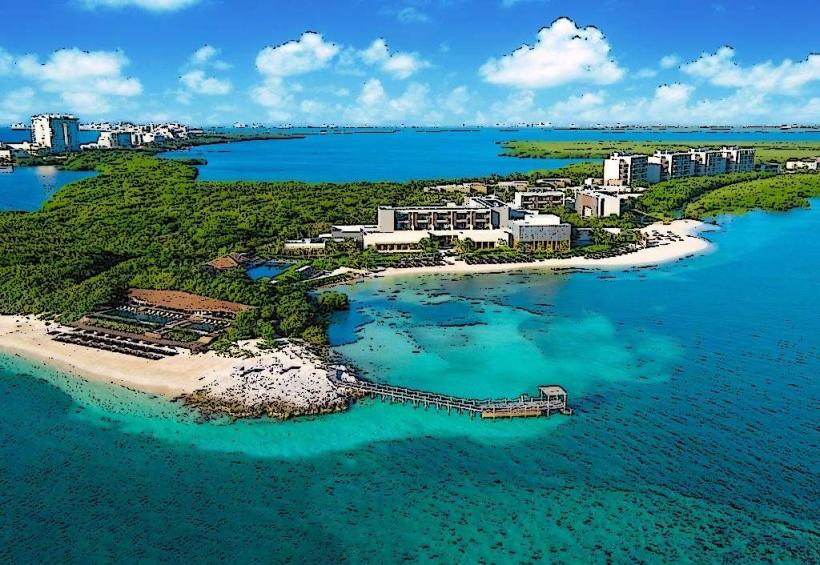
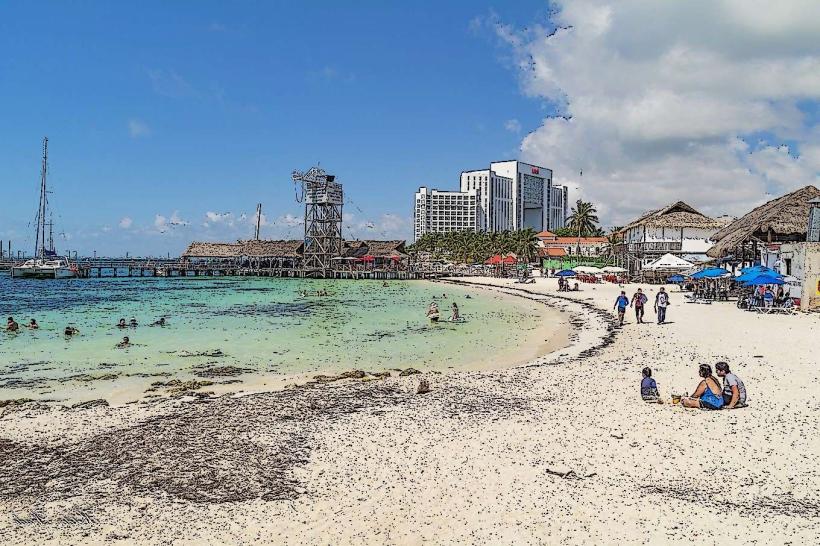
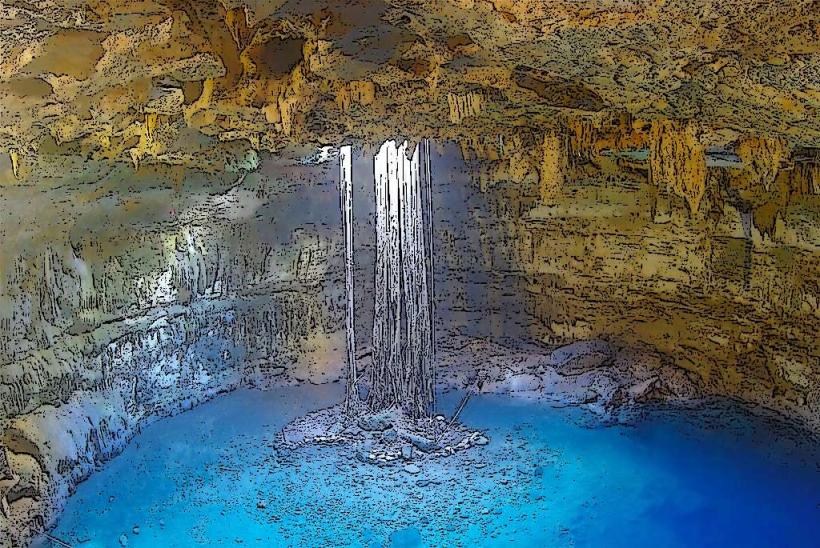
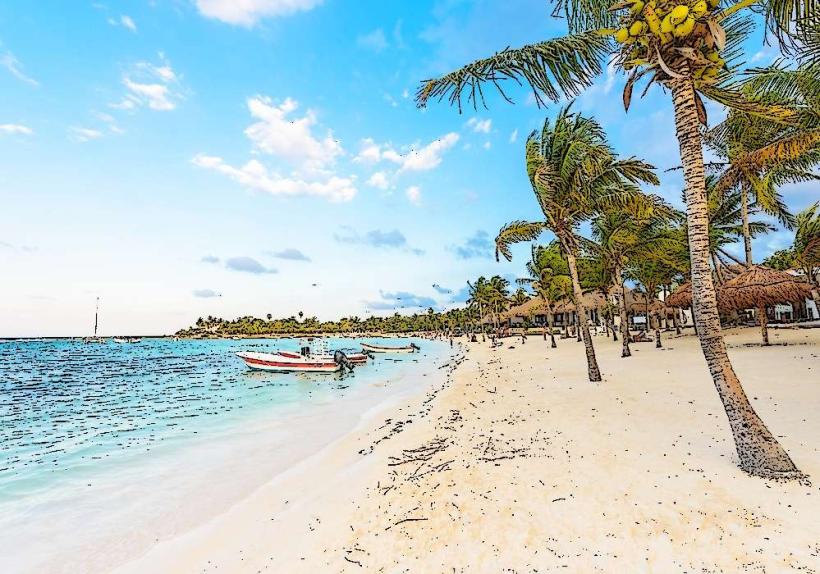
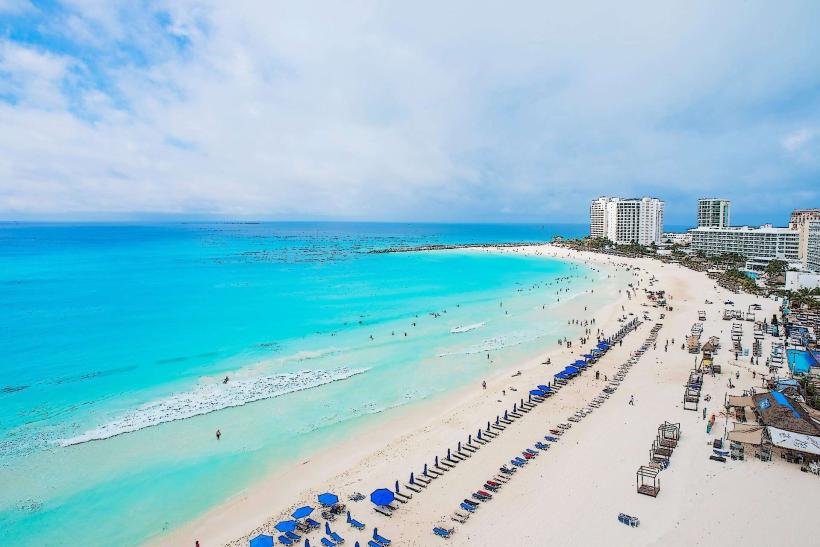
The park's primary feature is a large, crescent-shaped lagoon with clear, turquoise water. The lagoon is bordered by limestone cliffs and dense tropical vegetation, including mangroves and various tree species. The seabed consists of sand and rock formations. Several cenotes, which are natural sinkholes, feed into the lagoon, characterized by their clear, fresh water.
Location & Access Logistics
Xel-Há Park is situated approximately 120 kilometers (75 miles) south of Cancun International Airport (CUN) and 15 kilometers (9 miles) south of the town of Playa del Carmen. Access is via Federal Highway 307. The park offers ample parking facilities for visitors arriving by private vehicle. Several tour operators provide shuttle services from Cancun and Playa del Carmen. Public transportation options are limited; however, colectivos (shared vans) running along Highway 307 between Cancun and Tulum stop near the park entrance, requiring a short walk or taxi ride.
Historical & Ecological Origin
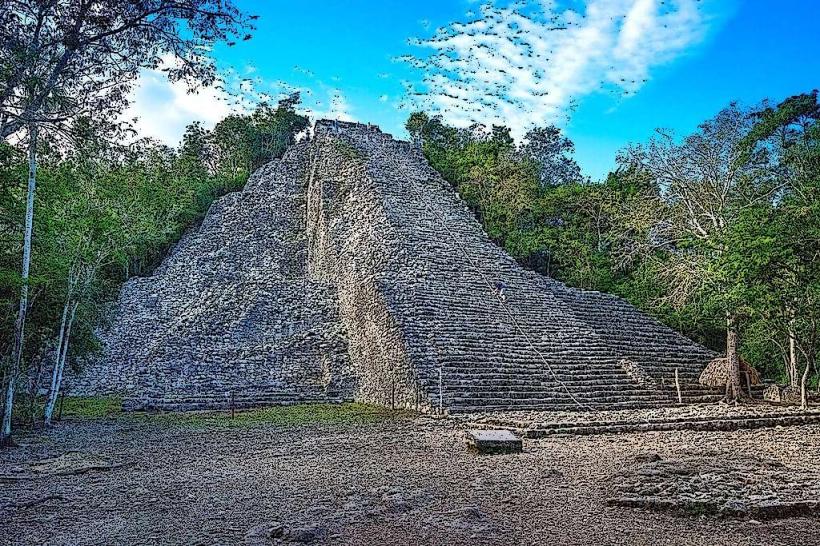
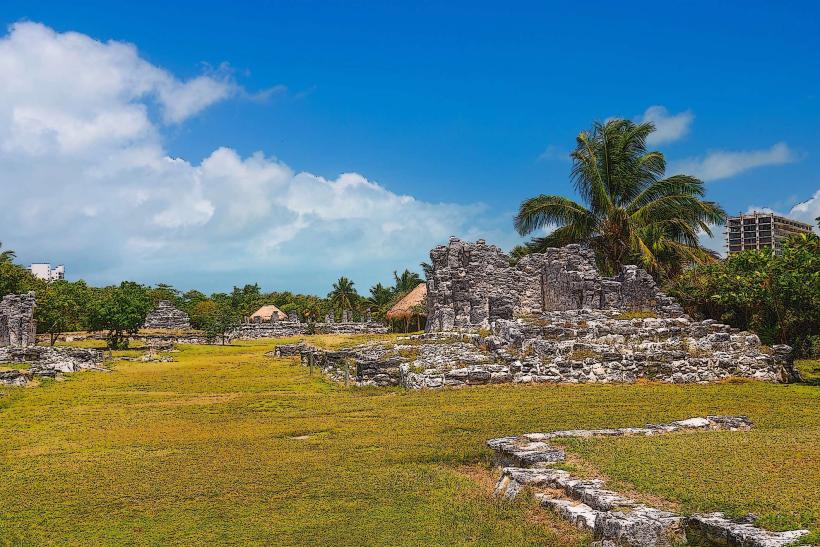
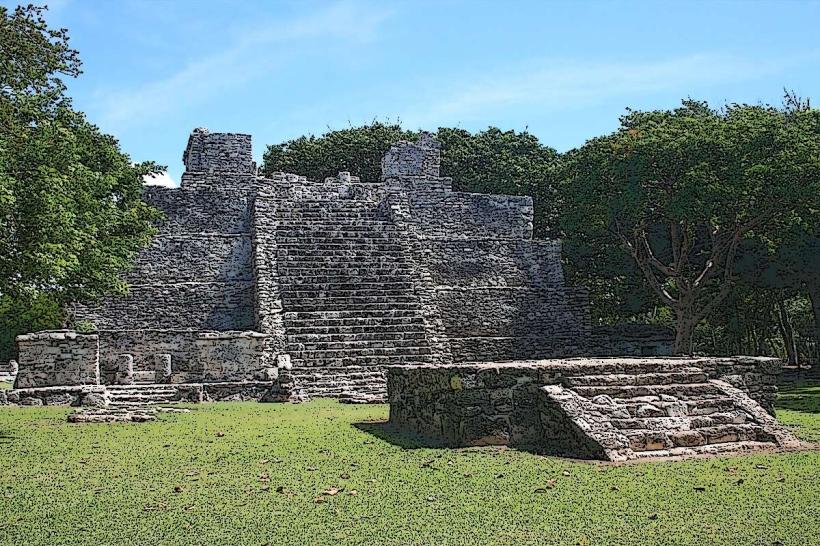
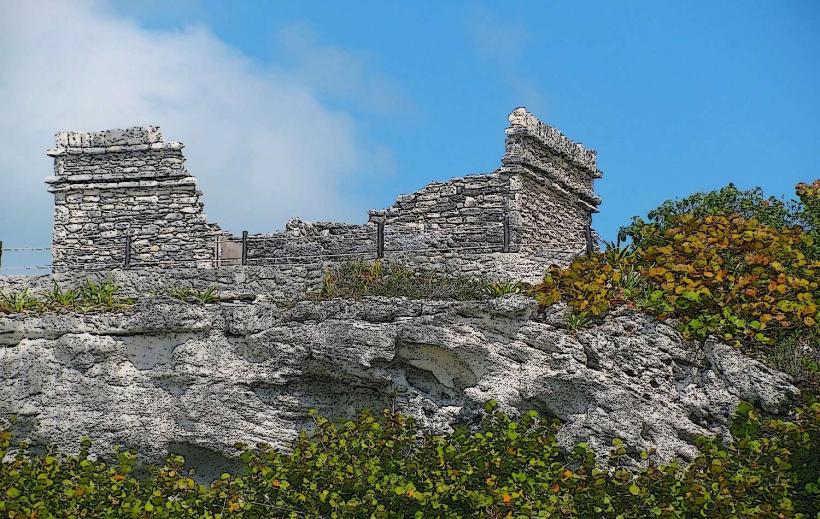
The area is a natural geological formation, a karstic landscape characteristic of the Yucatan Peninsula. The lagoon was formed by the interaction of freshwater from underground rivers and saltwater from the Caribbean Sea. Historically, the site served as a port and settlement for the ancient Maya civilization, evidenced by archaeological remains found within the park. The name "Xel-Há" translates to "where the water is born" in Mayan.
Key Highlights & Activities
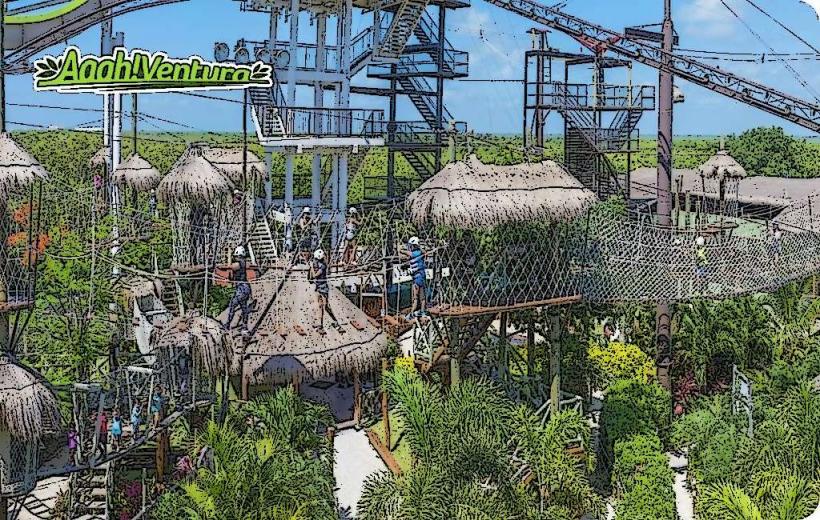
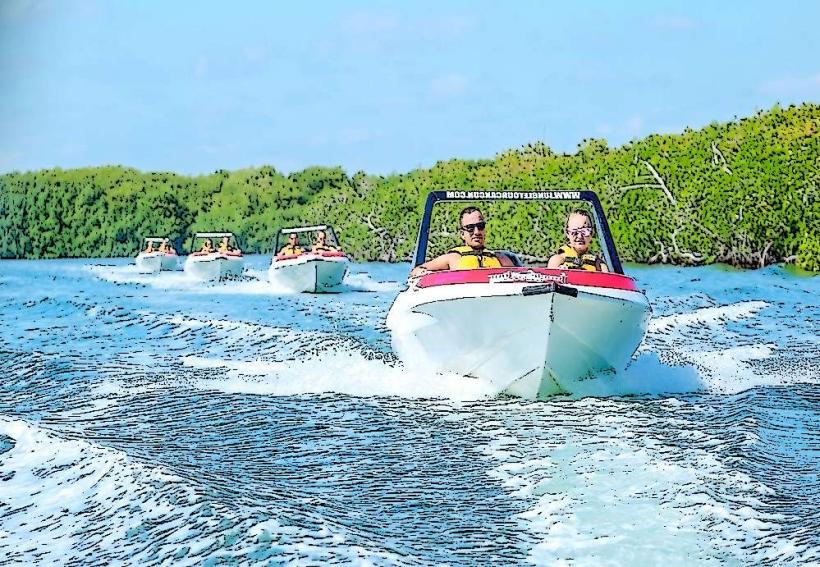
Activities include snorkeling in the lagoon to observe marine life, swimming in cenotes, exploring underground rivers via inflatable tubes, zip-lining over the water, cliff jumping, and walking designated jungle trails. The park also features a butterfly pavilion and a nursery for local flora. Observation of coatis and other local fauna is common.
Infrastructure & Amenities
The park provides restrooms, changing rooms, and lockers. Shaded areas are available throughout the park, particularly near seating areas and restaurants. Cell phone signal (4G/5G) is generally available within the main areas of the park. Multiple on-site restaurants offer buffet-style dining. Emergency medical services are present.
Best Time to Visit
For optimal water clarity and reduced crowds, visiting between 9:00 AM and 11:00 AM is recommended. The dry season, from December to April, generally offers pleasant weather with lower humidity. High tide conditions are favorable for snorkeling as they allow for better water circulation within the lagoon.
Facts & Legends
A specific tip for visitors is to utilize the park's provided snorkel gear early in the day to experience the lagoon before peak visitor numbers. The park is known for its commitment to conservation, with ongoing efforts to protect the delicate ecosystem of the lagoon and its surrounding jungle.
Nearby Landmarks
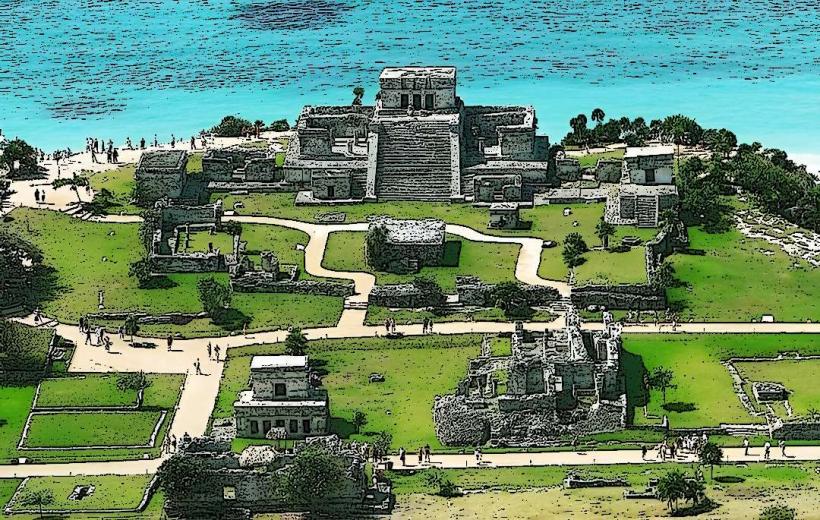
- Tulum Archaeological Zone (20km South)
- Cenote Dos Ojos (10km South)
- Aktun Chen Natural Park (5km South)
- Xcaret Park (15km North)