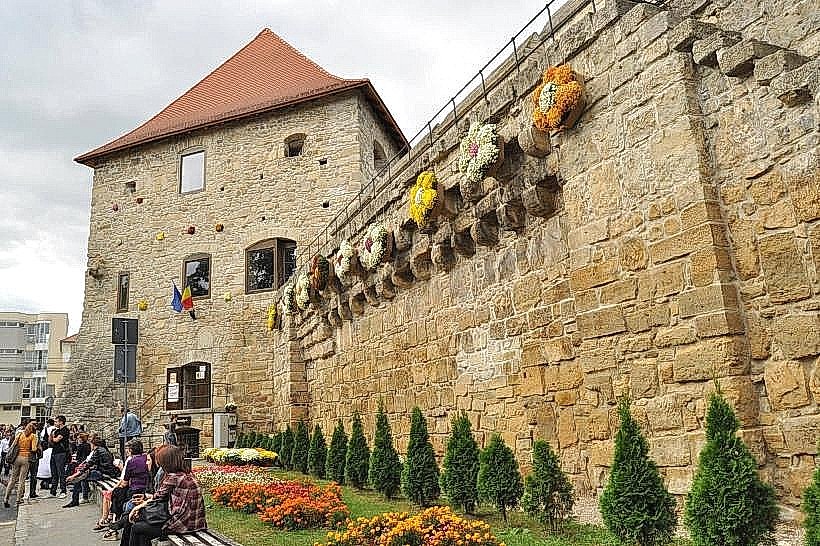
Information
City: Cluj NapocaCountry: Romania
Continent: Europe
Cluj Napoca, Romania, Europe
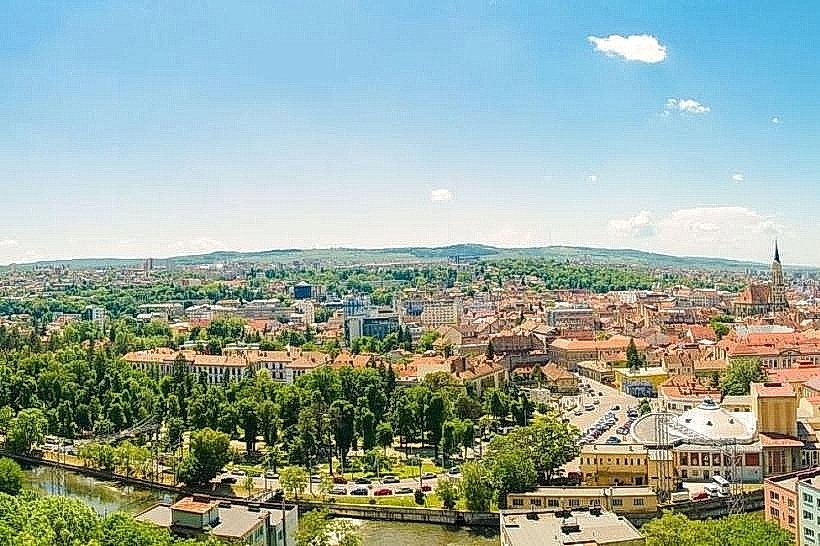
Cluj-Napoca serves as the unofficial capital of the Transylvania region and is Romania's primary IT and academic hub. It is situated in the northwestern part of the country within the Someșul Mic River valley.
Historical Timeline
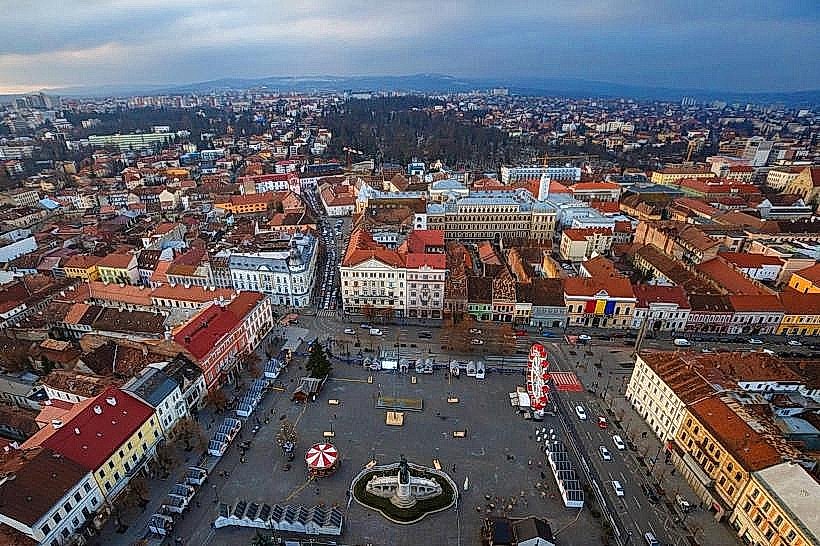
Founded as the Roman municipality Napoca in 124 AD, the city later functioned as a prominent Hungarian royal center and an Austrian Habsburg stronghold. Significant architectural reconstruction occurred during the late 19th-century Austro-Hungarian administration and the 1970s-80s industrialization period. The transition from a medieval citadel to a 19th-century administrative center shaped the current radial urban form.
Demographics & Population
The city limits contain approximately 286,000 residents, with the metropolitan area reaching 410,000. Demographics consist of 81.5% Romanian, 13.5% Hungarian, and 0.8% Roma. The median age is 37.4 years.
Urban Layout & Key Districts
The city is organized along the east-west axis of the Someșul Mic River. The Historic Center (Central) contains the primary administrative and tourist infrastructure. Mărăști (East) and Mănăștur (West) are the highest-density residential districts, while Zorilor (South) serves as the medical and academic quarter.
Top City Landmarks
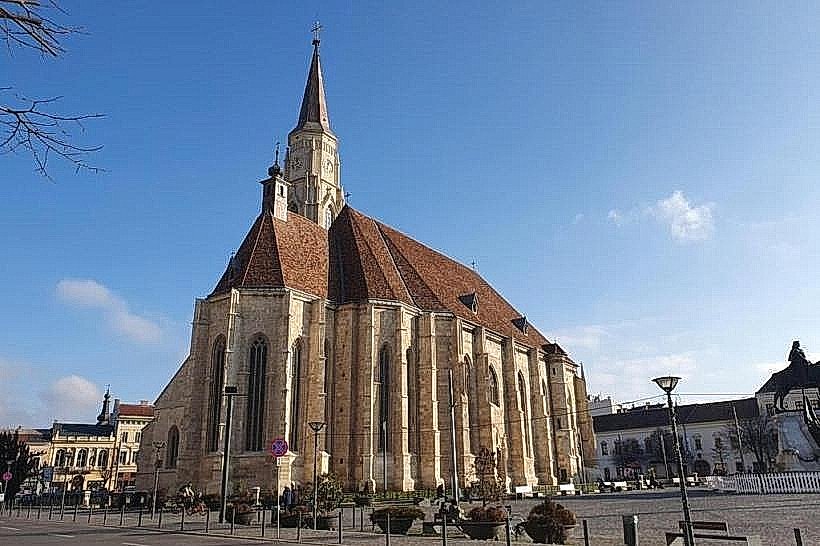
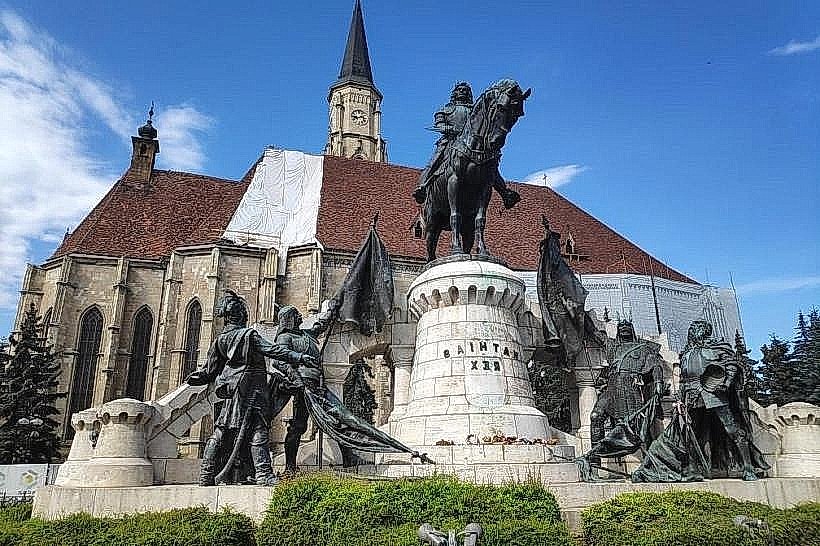
St. Michael's Church
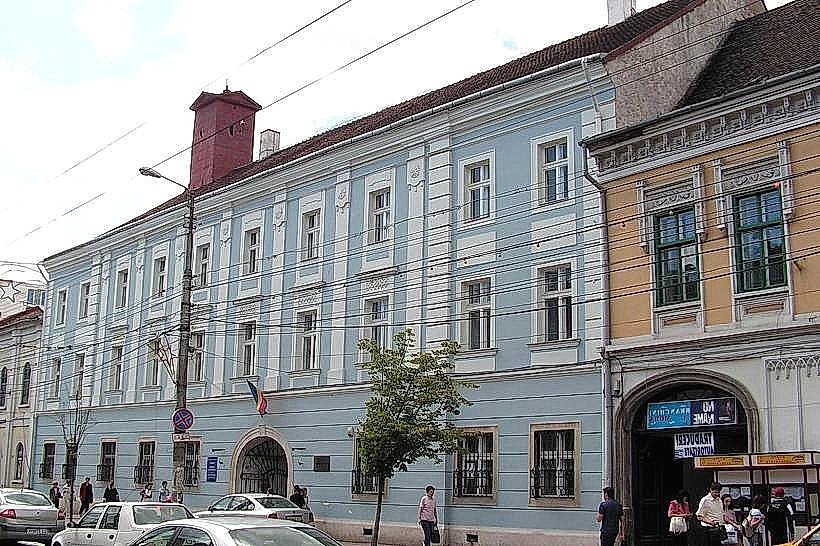
Banffy Palace (National Museum of Art)
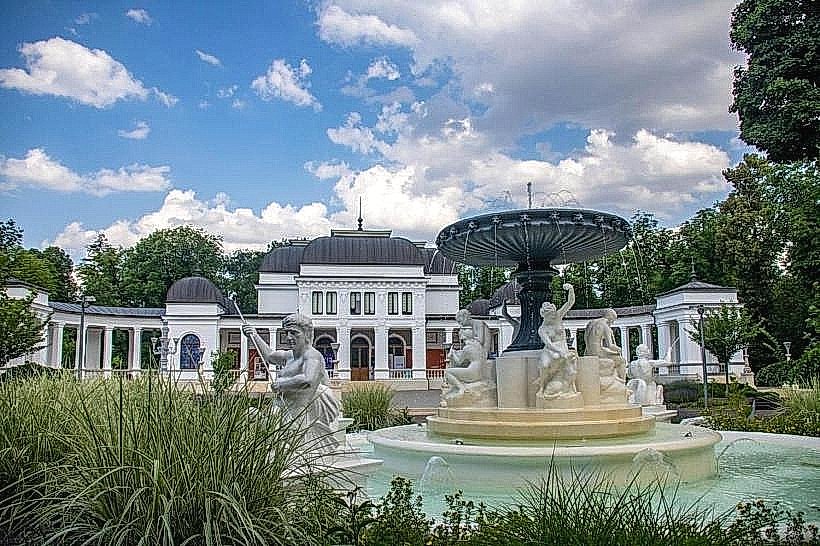
Cluj-Napoca Central Park (Parcul Central)
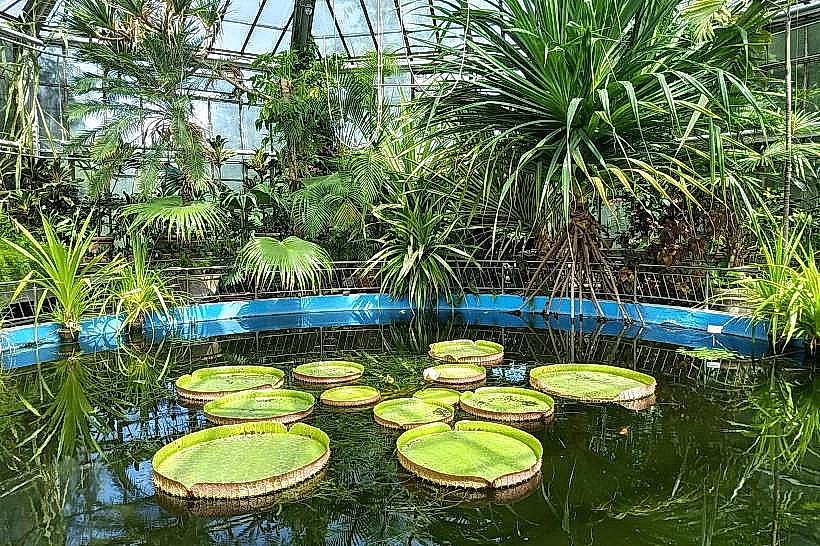
The Botanical Garden "Alexandru Borza"
Romanian National Opera and National Theatre
Transportation Network
Internal movement is facilitated by the CTP Cluj-Napoca network consisting of buses, trolleybuses, and trams; tram line 101/102 is the primary rail artery. Ride-sharing via Uber and Bolt is the standard for private transit. Official taxis are typically white and must display rates on the front doors. Traffic density is high during 08:00–09:30 and 16:30–18:30.
Safety & "Red Zones"
The general safety level is high. The Pata Rât area on the eastern outskirts should be avoided. Standard precautions are advised at night near the main Railway Station (Gara). Pickpocketing is rare but occurs in crowded bus lines like the 30 or 24B.
Digital & Financial Infrastructure
Average internet speed is 150–200 Mbps via fiber optics. Main mobile carriers are Orange, Vodafone, and Digi. Card acceptance is high in almost all commercial establishments. ATMs are widely available throughout the city center and residential hubs.
Climate & Air Quality
Temperatures range from -5°C to 2°C in winter and 15°C to 28°C in summer. Air quality issues involve nitrogen dioxide concentration in the city center due to vehicle idling. Weather risks include sudden heavy thunderstorms in June and July.
Culture & Social Norms
Tipping is expected at 10%. Handshakes are the standard greeting. Dress code is generally casual but conservative in religious sites (shoulders and knees covered). Smoking is prohibited in all indoor public spaces; alcohol consumption is prohibited in public parks and on streets.
Accommodation Zones
Stay in the Historic Center (Old Town) for immediate walking access to landmarks and services. Stay in Zorilor for a quieter, elevated location with better air quality and proximity to the Botanical Garden.
Local Cost Index
1 Espresso: 12 RON ($2.60)
1 Standard Lunch: 45 RON ($9.80)
1 Metro/Bus Ticket: 3 RON ($0.65)
Nearby Day Trips
Turda Salt Mine (Salina Turda): 30 km
Cheile Turzii (Turda Gorge): 35 km
Rimetea Village: 55 km
Tarnita Lake: 30 km
Facts & Legends
Local legend claims that a network of medieval tunnels exists beneath the city center, connecting St. Michael's Church to the Cetățuia Hill, used by defenders during historical sieges. A verified historical oddity is that the city officially carries a dual name, Cluj-Napoca, added by decree in 1974 to emphasize its Roman Dacian origins.