Information
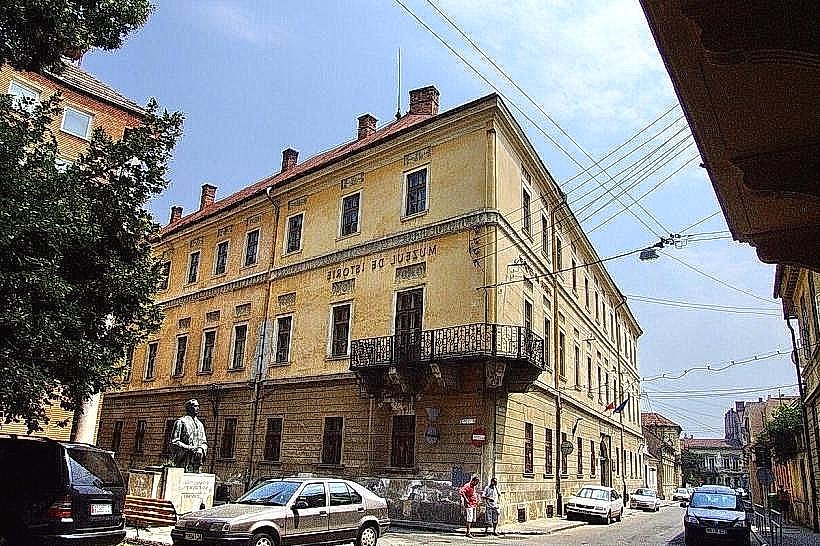
Landmark: Ethnographic Museum of TransylvaniaCity: Cluj Napoca
Country: Romania
Continent: Europe
Ethnographic Museum of Transylvania, Cluj Napoca, Romania, Europe
The Porto-Novo Cathedral is a Roman Catholic cathedral located in Porto-Novo, the capital city of Benin.
Visual Characteristics
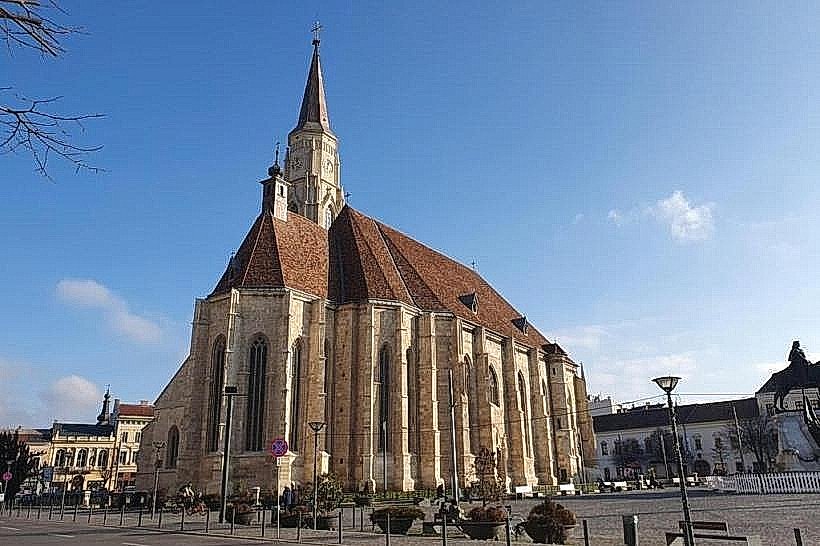
The cathedral is constructed primarily of red brick with white trim. It features a prominent bell tower with a spire. The facade is characterized by arched windows and doorways. The interior includes a nave, choir, and altar area, with stained glass windows depicting religious scenes.
Location & Access Logistics
The Porto-Novo Cathedral is situated in the city center of Porto-Novo, approximately 1.5 kilometers from the Presidential Palace. Access is via Avenue du Général de Gaulle. Limited street parking is available in the vicinity. Public transport within Porto-Novo consists of shared taxis and motorcycle taxis, which can drop visitors directly at the cathedral's entrance.
Historical & Ecological Origin
The original structure was built in the late 19th century, with significant expansions and renovations occurring in the early 20th century. It was consecrated as a cathedral in 1923. The site itself is part of the urban landscape of Porto-Novo, a coastal city with a history as a trading post.
Key Highlights & Activities
Visitors can observe the architectural details of the building. Services are held regularly, and the interior can be accessed during non-service hours. Photography inside the cathedral may be restricted during services.
Infrastructure & Amenities
Restrooms are available within the cathedral complex. Shade is provided by the building itself and surrounding trees. Cell phone signal (4G) is generally reliable in this urban area. Food vendors are typically found on the main streets surrounding the cathedral.
Best Time to Visit
For photography of the exterior, morning light (approximately 8:00 AM to 10:00 AM) offers good illumination. For interior visits, weekdays between 9:00 AM and 12:00 PM, or 3:00 PM and 5:00 PM, are generally suitable, avoiding scheduled services.
Facts & Legends
A notable historical detail is that the cathedral was built on land donated by a local chief, reflecting the historical interactions between colonial powers and indigenous rulers in the region.
Nearby Landmarks
- Presidential Palace (1.5km Northwest)
- Porto-Novo Grand Mosque (0.8km West)
- Musée d'Art Africain Contemporain (1.2km Southwest)
- Place Jean Bayol (0.7km West)