Information
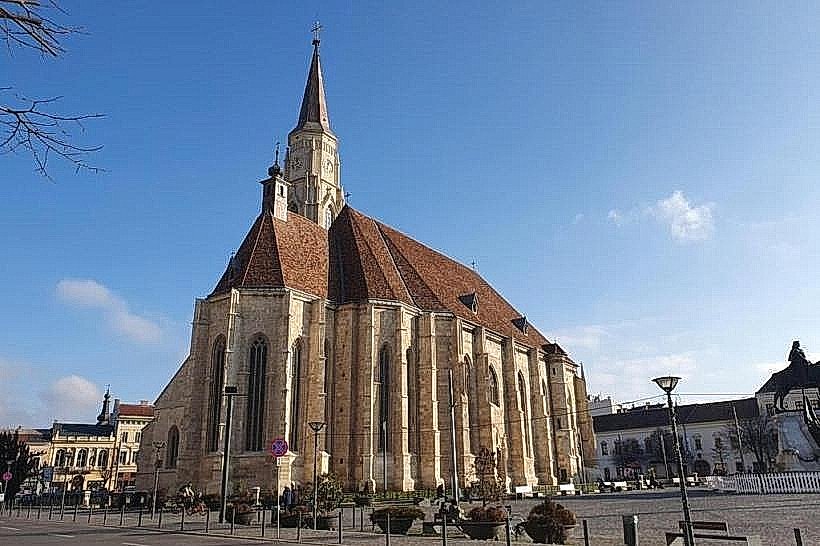
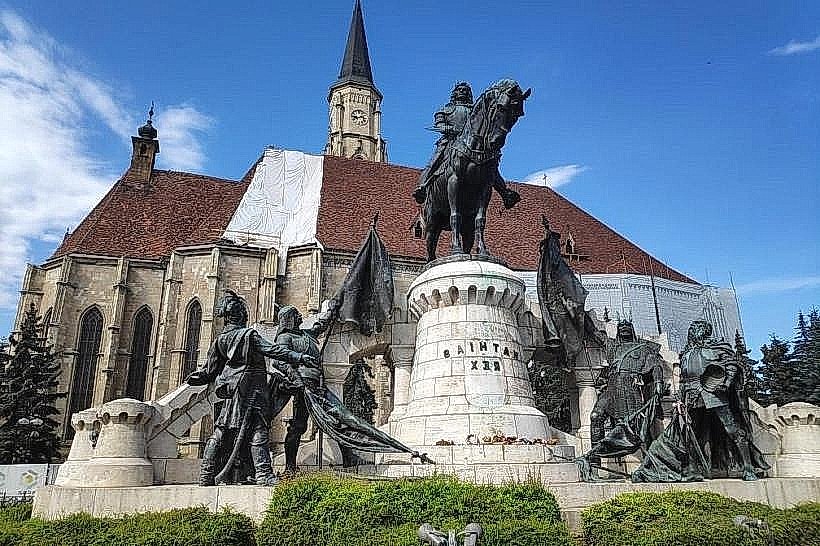
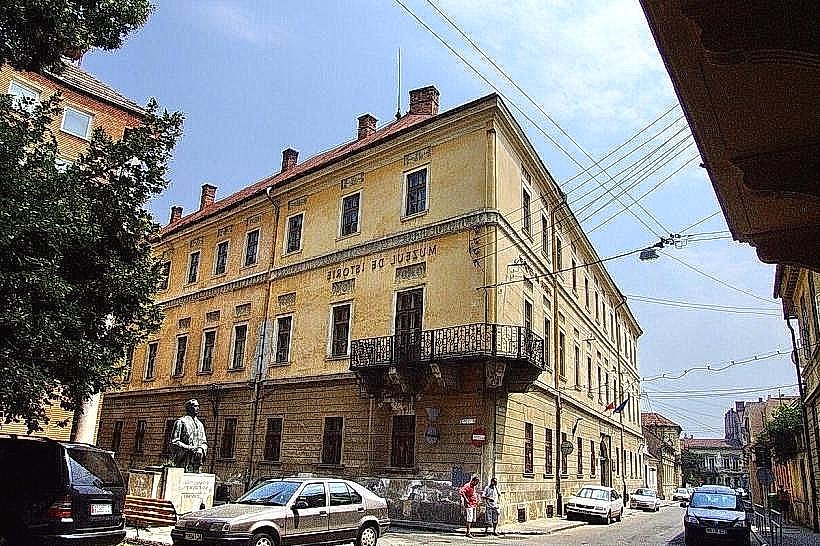
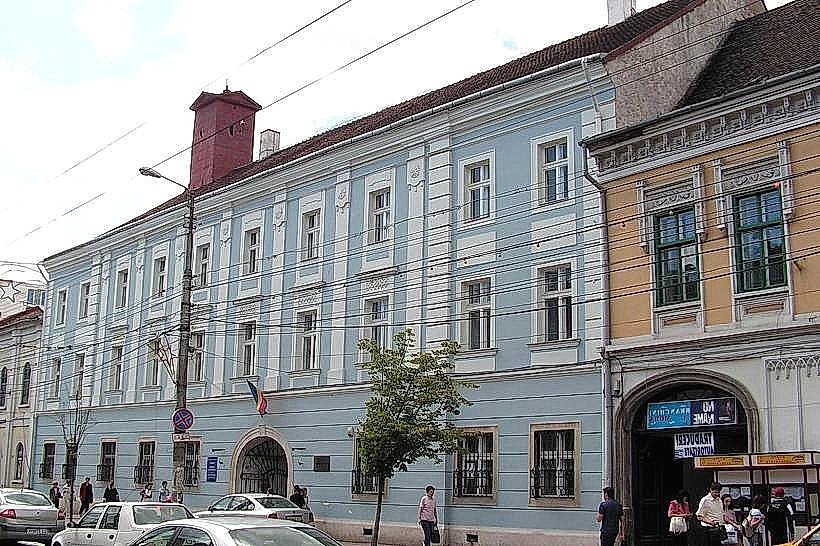
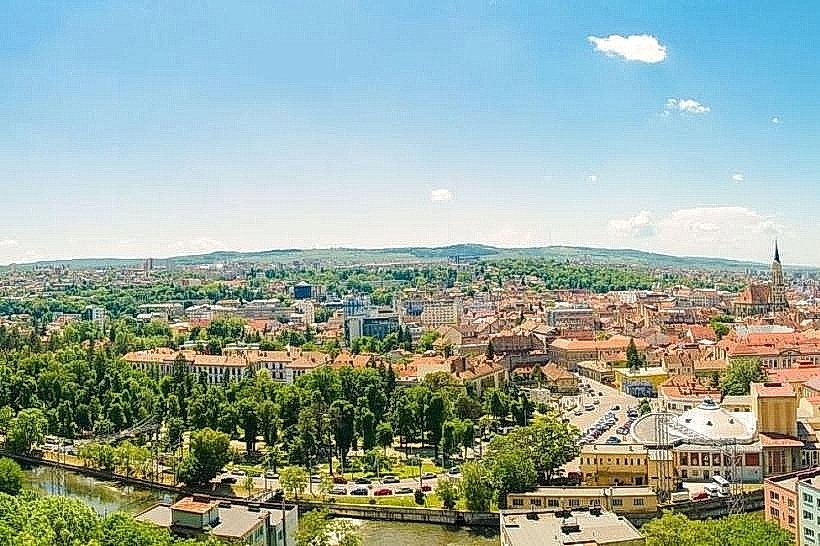
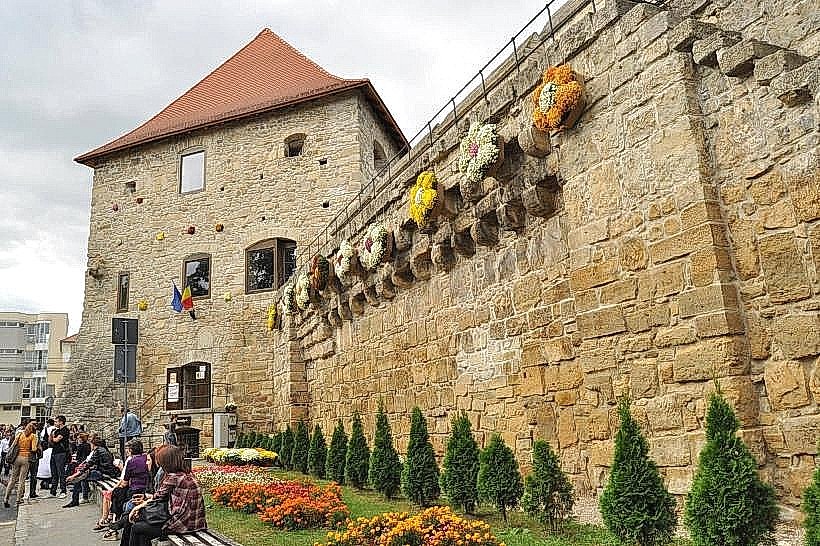
Landmark: Union Square (Piața Unirii)City: Cluj Napoca
Country: Romania
Continent: Europe
Union Square (Piața Unirii), Cluj Napoca, Romania, Europe
Fidjrossè Beach is a coastal area located in Cotonou, Benin.
Visual Characteristics
The beach features light brown sand. The Atlantic Ocean waters are typically a muted blue-green. The shoreline is lined with coconut palms and sparse coastal vegetation. Structures along the beach are primarily informal beach bars and guesthouses constructed from wood and corrugated metal.
Location & Access Logistics
Fidjrossè Beach is situated approximately 7 kilometers west of Cotonou's city center. Access is via the Route de la Plage, a paved road. Parking is available along the roadside, though it can be informal and crowded during peak times. Public transport options include local taxis and shared minibuses (zemidjans) that frequent the Route de la Plage.
Historical & Ecological Origin
Fidjrossè Beach is a natural coastal formation. Its current state is influenced by coastal erosion and deposition patterns characteristic of the Gulf of Guinea. The area has developed organically as a recreational and fishing spot over decades.
Key Highlights & Activities
Swimming is possible, though caution is advised due to currents. Fishing activities are ongoing. Beachfront restaurants offer local cuisine. Horse riding is sometimes available.
Infrastructure & Amenities
Restrooms are available at some of the more established beach bars. Shade is provided by palm trees and the structures of beach bars. Cell phone signal (2G/3G) is generally available. Food vendors and small restaurants are present along the beach.
Best Time to Visit
The best time for photography is generally late afternoon when the sun is lower, providing softer light. The dry season, from November to March, offers the most favorable weather conditions with less rainfall and lower humidity. High tide can reduce the available sandy area.
Facts & Legends
Local fishermen often share stories of the sea and its spirits. A specific tip for visitors is to be aware of the strong undertow, which can make swimming challenging for inexperienced swimmers.
Nearby Landmarks
- 0.8km East: Fondation Zinsou (Art Museum)
- 1.5km East: Cotonou Marina
- 3.0km East: Dantokpa Market
- 4.0km West: Fidjrossè Lighthouse