Information
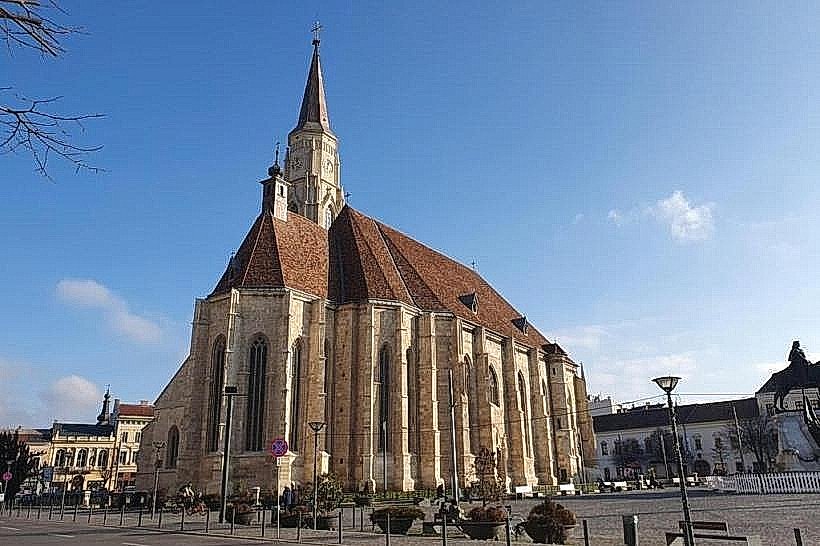
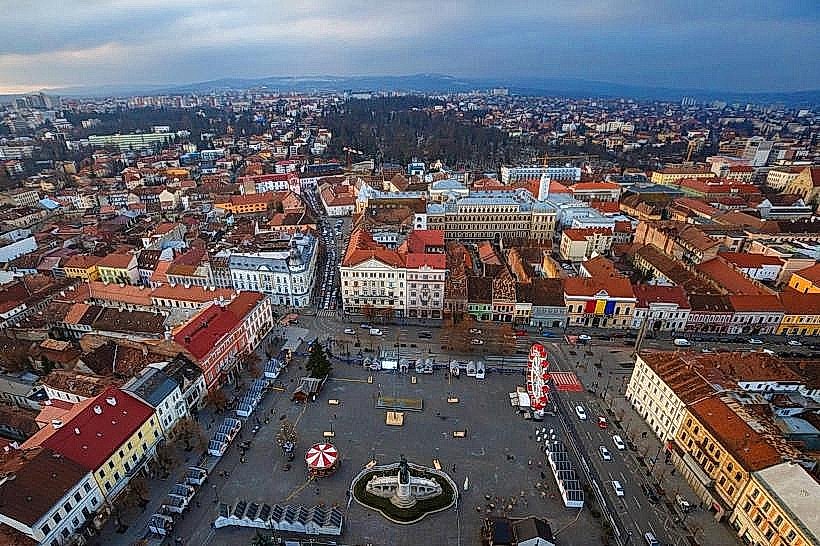
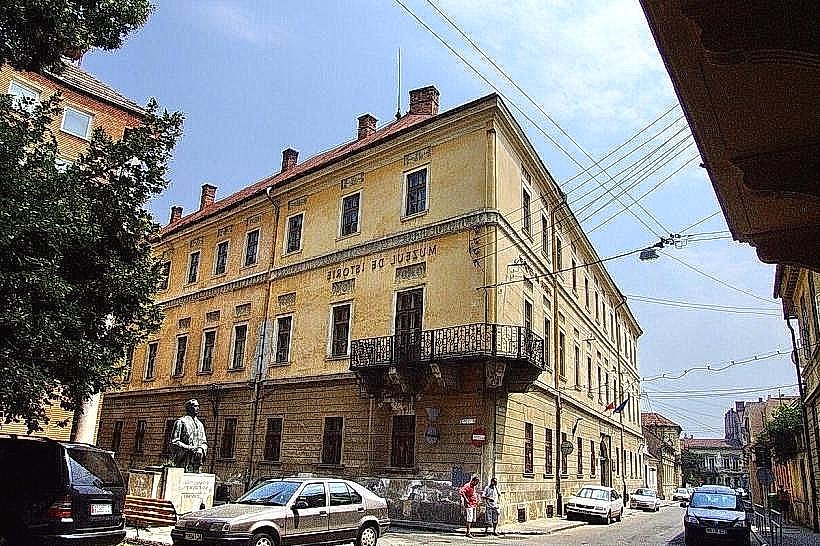
Landmark: Matthias Corvinus StatueCity: Cluj Napoca
Country: Romania
Continent: Europe
Matthias Corvinus Statue, Cluj Napoca, Romania, Europe
Pendjari National Park is a protected area located in northwestern Benin. It is a significant wildlife reserve known for its diverse mammal and bird populations.
Visual Characteristics
The park's landscape is characterized by savanna plains, gallery forests along watercourses, and rocky hills. Dominant vegetation includes grasses, acacia trees, and shea trees. The terrain varies from flat open areas to undulating hills and escarpments. Waterholes and rivers are scattered throughout the park, providing essential habitats.
Location & Access Logistics
Pendjari National Park is situated approximately 700 kilometers north of Cotonou. Access is primarily via road. From Cotonou, travel north on the RNIE 1 (Route Nationale Inter-états 1) towards Djougou, then continue on the RNIE 2 towards Tanguiéta. The park entrance is located near Tanguiéta. Private vehicle hire or organized tours are the most common methods of access. There are no direct public transport routes to the park entrance; visitors typically arrange transport from Tanguiéta or Natitingou. Parking is available at the park's main entrance and at accommodation facilities within or near the park.
Historical & Ecological Origin
Pendjari was established as a national park in 1961, evolving from a classified forest reserve. Its ecological classification is a Sudanian savanna ecosystem, characterized by a distinct wet and dry season. The park is part of the larger W-Arly-Pendjari (WAP) complex, a transboundary conservation area spanning Benin, Burkina Faso, and Niger.
Key Highlights & Activities
Game drives are the primary activity, offering opportunities to observe wildlife such as elephants, lions, cheetahs, hippos, and various antelope species. Birdwatching is also a significant draw, with over 300 recorded species. Guided walking safaris are available in designated areas. Boat trips on the Pendjari River can be arranged for wildlife viewing. Night safaris are offered to observe nocturnal animals.
Infrastructure & Amenities
Basic infrastructure includes park ranger stations, a limited number of lodges and tented camps within or adjacent to the park boundaries, and designated picnic areas. Restrooms are available at the main entrance and at accommodation sites. Shade is provided by trees in certain areas and by structures at lodges. Cell phone signal is intermittent and generally weak within the park. Food vendors are typically found at the main entrance and at lodges; self-catering is also an option for visitors staying at camps with cooking facilities.
Best Time to Visit
The best time to visit for wildlife viewing is during the dry season, from November to May. During this period, water sources are limited, concentrating animals. The period from December to February offers the most pleasant temperatures. The wet season, from June to October, sees denser vegetation, making wildlife spotting more challenging, but it is ideal for birdwatching. The best time of day for photography is early morning and late afternoon, when the light is softer and animals are most active.
Facts & Legends
Pendjari is one of the last strongholds for cheetahs in West Africa. A specific tip for visitors is to engage with local guides who possess extensive knowledge of animal movements and behavior, significantly enhancing the chances of sightings.
Nearby Landmarks
- Arly National Park (Burkina Faso): Approximately 50km Northwest (transboundary complex)
- Kouandé Market: Approximately 60km South
- Tamberma Valley (Koutammakou UNESCO World Heritage Site): Approximately 100km Southwest
- Natitingou: Approximately 100km South (regional town with amenities)