Information
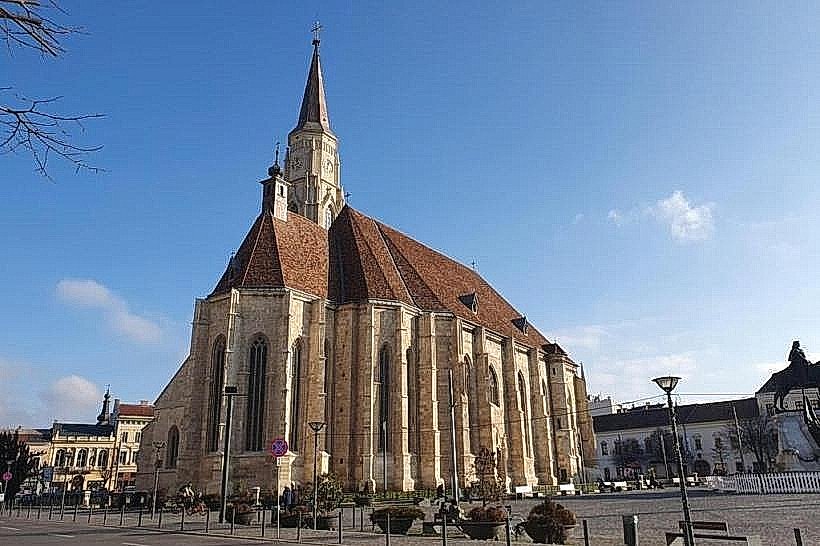
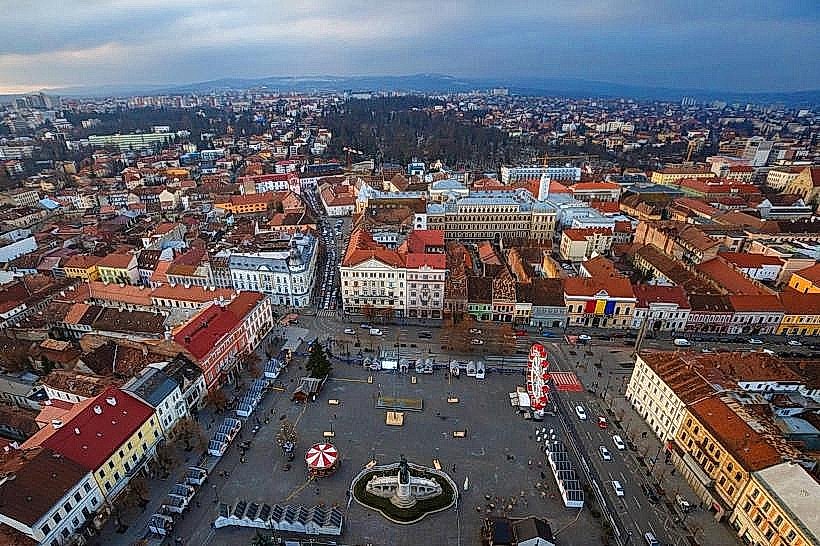
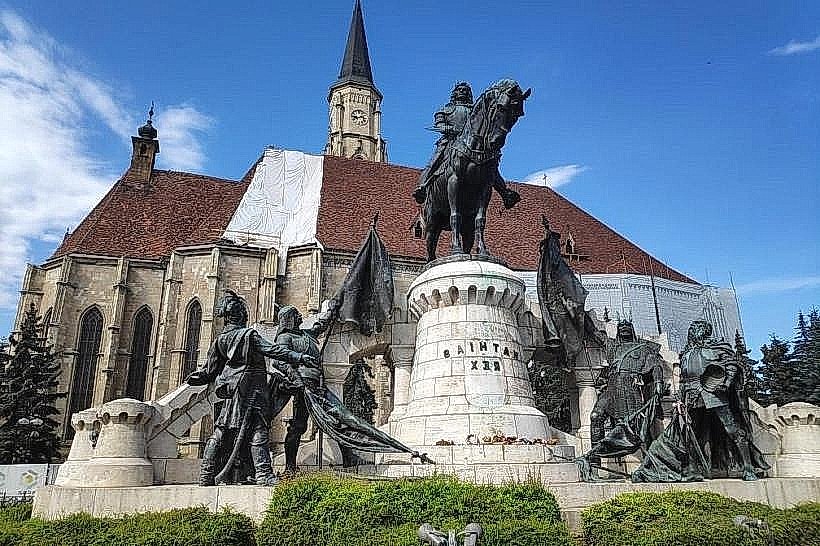
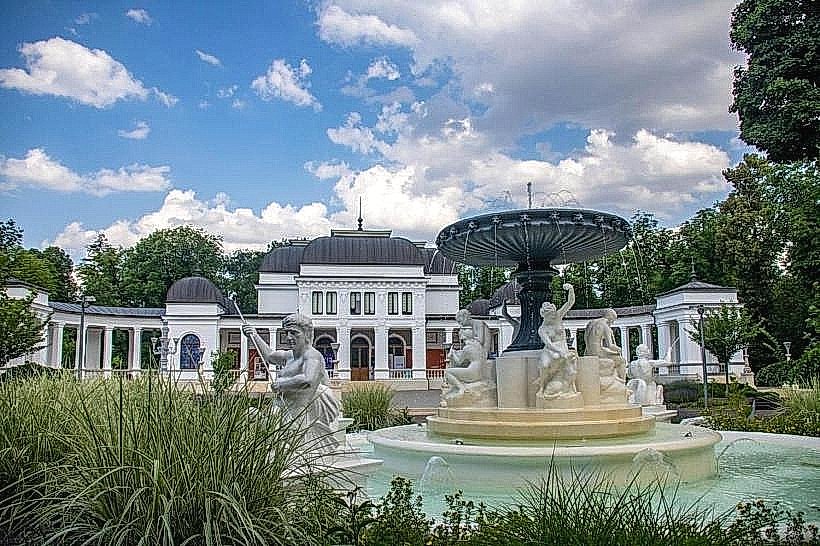
Landmark: Cetățuia Hill (Citadel Hill)City: Cluj Napoca
Country: Romania
Continent: Europe
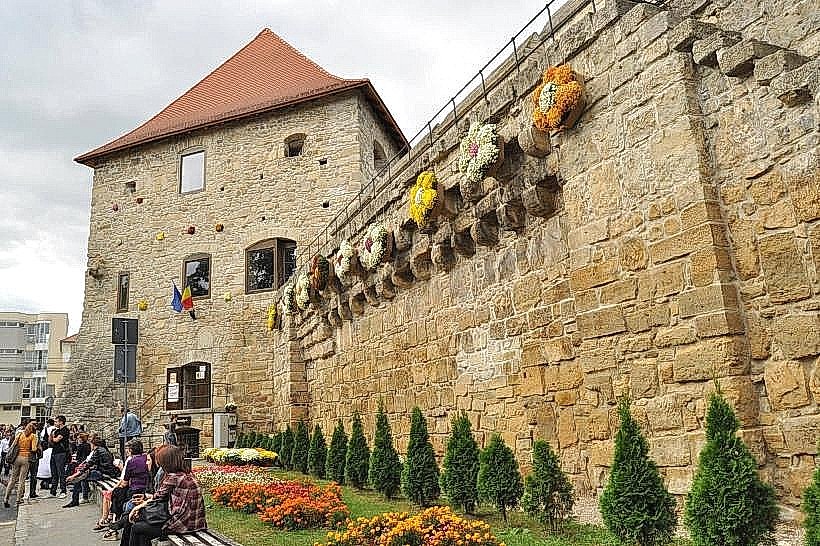
Cetățuia Hill (Citadel Hill), Cluj Napoca, Romania, Europe
The Royal Palace of Porto-Novo is a historical administrative building located in Porto-Novo, Benin.
Visual Characteristics
The palace is a two-story structure constructed primarily from red brick and concrete. Its facade features white trim around windows and doorways, with a central entrance flanked by columns. The roof is a dark, pitched material. The architectural style incorporates elements of colonial design.
Location & Access Logistics
The Royal Palace is situated in the center of Porto-Novo, approximately 1 kilometer from the main port. Access is via Avenue du Général de Gaulle. Limited street parking is available in the vicinity. Public transport options include local taxis and motorcycle taxis that frequent the main avenues.
Historical & Ecological Origin
The palace was constructed in 1908 during the French colonial period to serve as the residence and administrative center for the King of Porto-Novo. It was built on land previously occupied by earlier royal structures.
Key Highlights & Activities
Visitors can observe the exterior architecture. Interior access is restricted, as the building remains an active administrative site. Guided tours of the grounds are not offered.
Infrastructure & Amenities
Restrooms are not publicly available on-site. Shade is limited to the immediate vicinity of the building's overhang. Cell phone signal (4G/5G) is generally good in this urban area. Food vendors are located on nearby streets.
Best Time to Visit
The best time for external viewing is during daylight hours, from 8:00 AM to 5:00 PM, when lighting is consistent. The dry season, from November to April, offers the most favorable weather conditions for visiting the exterior.
Facts & Legends
A specific historical detail is that the palace was designed by a French colonial architect, reflecting the administrative priorities of the era. Local lore suggests that the original foundations of the palace incorporated stones from the previous royal compound.
Nearby Landmarks
- 0.3km West: Presidential Palace
- 0.5km North: Grand Mosque of Porto-Novo
- 1.2km Southeast: Ethnographic Museum of Porto-Novo
- 1.5km South: Porto-Novo Cathedral