Information
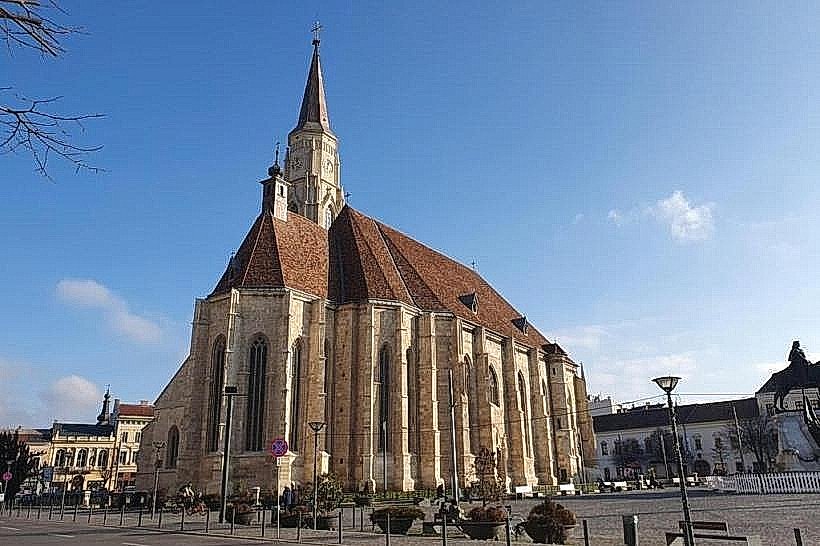
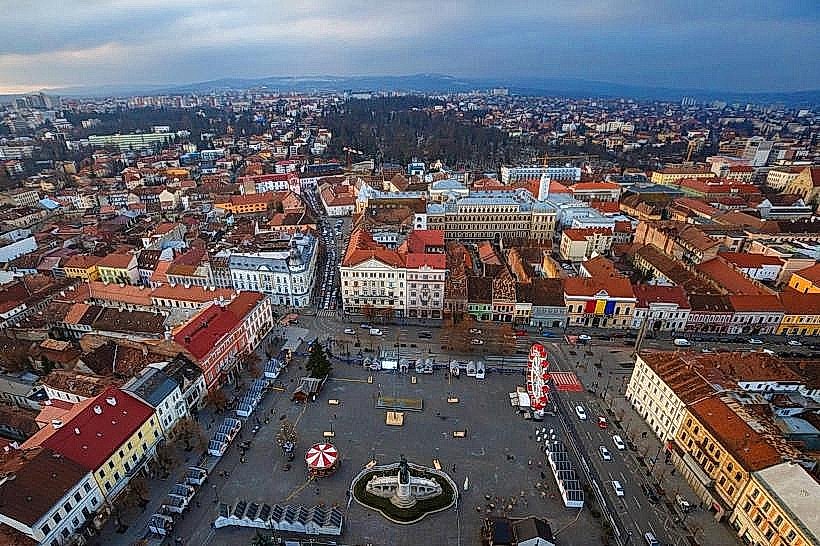
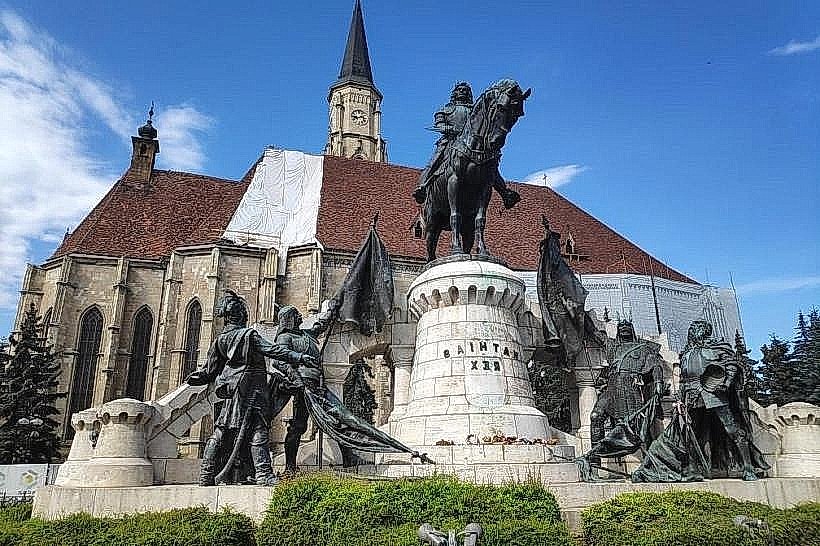
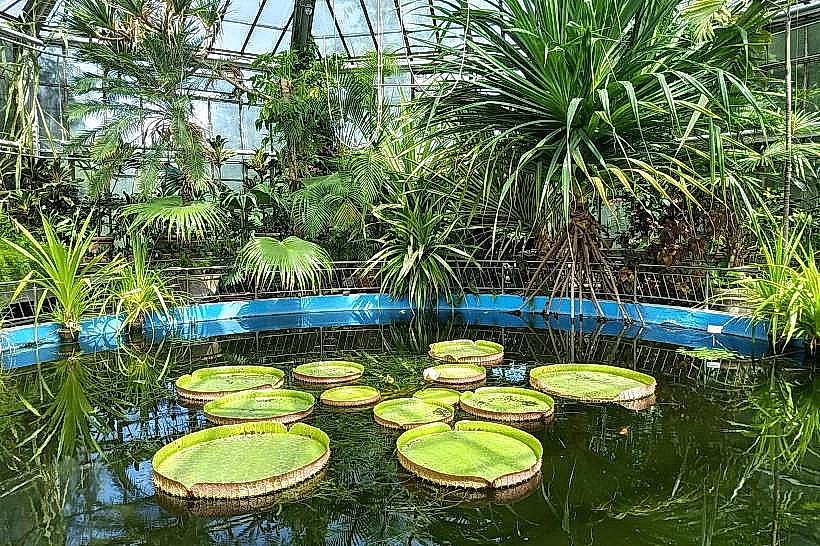
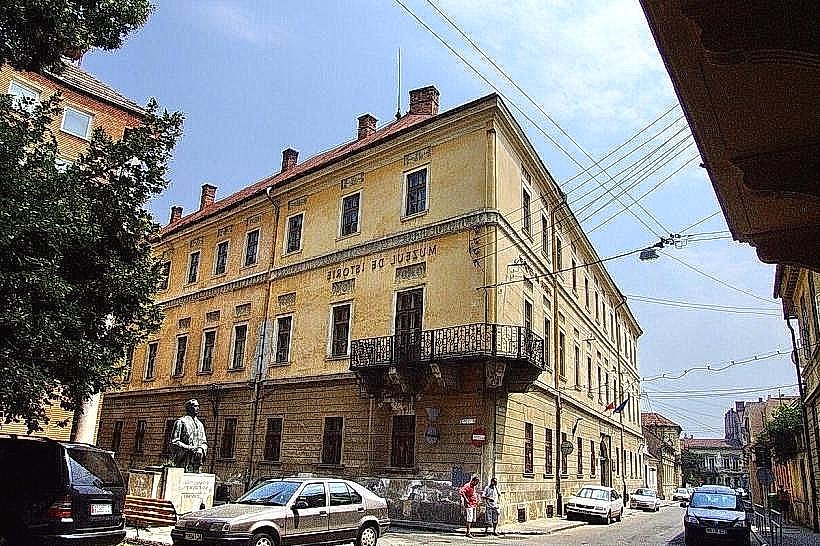
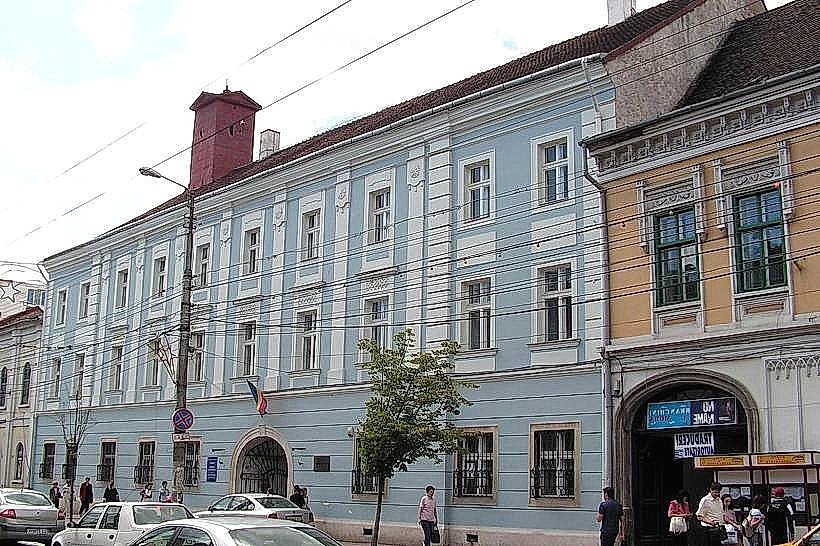
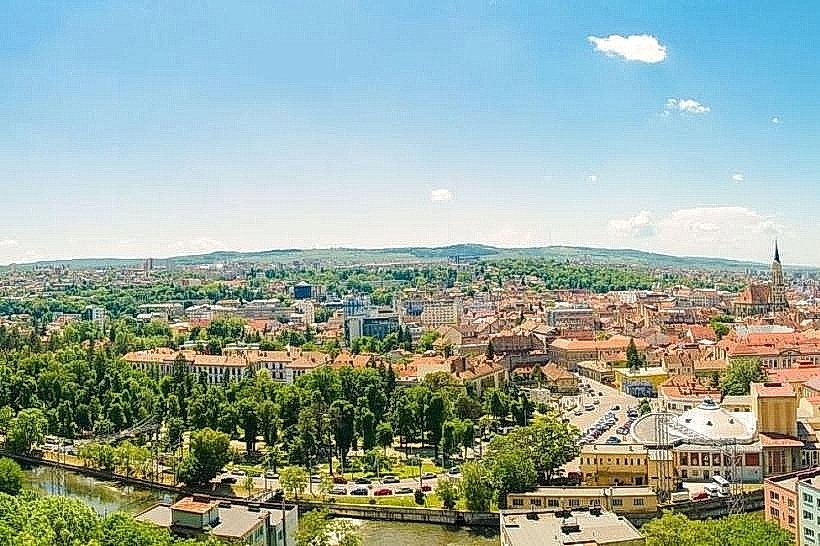
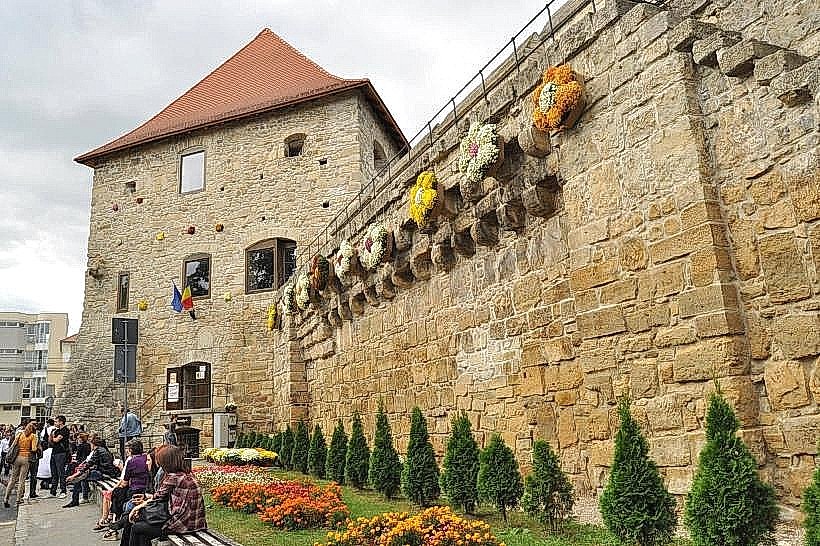
Landmark: Central Park Simion BărnuțiuCity: Cluj Napoca
Country: Romania
Continent: Europe
Central Park Simion Bărnuțiu, Cluj Napoca, Romania, Europe
The Port of Cotonou is a major seaport located in Cotonou, Benin. It serves as the primary gateway for international trade in the country.
Visual Characteristics
The port infrastructure consists of concrete docks, breakwaters, and a network of access roads. Warehousing facilities are predominantly constructed from corrugated metal and concrete. The water within the harbor is typically a muted grey-brown due to sediment. Shipping containers are stacked in organized rows, creating a geometric landscape.
Location & Access Logistics
The Port of Cotonou is situated on the Atlantic coast, directly south of the city center. Access is via Boulevard de la Marina, which connects to the national road network. Dedicated port entrances control vehicle access. Limited public parking is available outside the main administrative buildings. Public transport options directly serving the port are scarce; taxis and private vehicles are the primary modes of access.
Historical & Ecological Origin
Construction of the port began in 1958, with significant expansions occurring in subsequent decades. Its purpose was to establish a modern, deep-water port to facilitate Benin's import and export activities, replacing less efficient older facilities. Ecologically, the site is a coastal plain modified for maritime infrastructure.
Key Highlights & Activities
Observation of cargo handling operations is possible from designated public viewing areas. Vessel traffic management can be observed from the shoreline. Access to operational areas is restricted to authorized personnel.
Infrastructure & Amenities
Restrooms are available within administrative buildings and some operational zones. Shade is limited to covered loading areas and administrative structures. Cell phone signal (4G/5G) is generally available within the port perimeter. Food vendors are not typically located within the port itself but are present in the surrounding urban areas.
Best Time to Visit
For observing cargo operations, weekdays during daylight hours (08:00 to 17:00) are most active. Weather is generally consistent year-round, with the dry season (November to April) offering less rainfall. No tide-specific activities are relevant for visitors.
Facts & Legends
The Port of Cotonou handles a significant volume of transit cargo for landlocked neighboring countries, particularly Niger and Burkina Faso, underscoring its regional economic importance.
Nearby Landmarks
- 0.8km North: Presidential Palace
- 1.2km Northwest: Cotonou Central Mosque
- 1.5km West: Dantokpa Market
- 2.0km Northeast: Artisanal Centre