Information
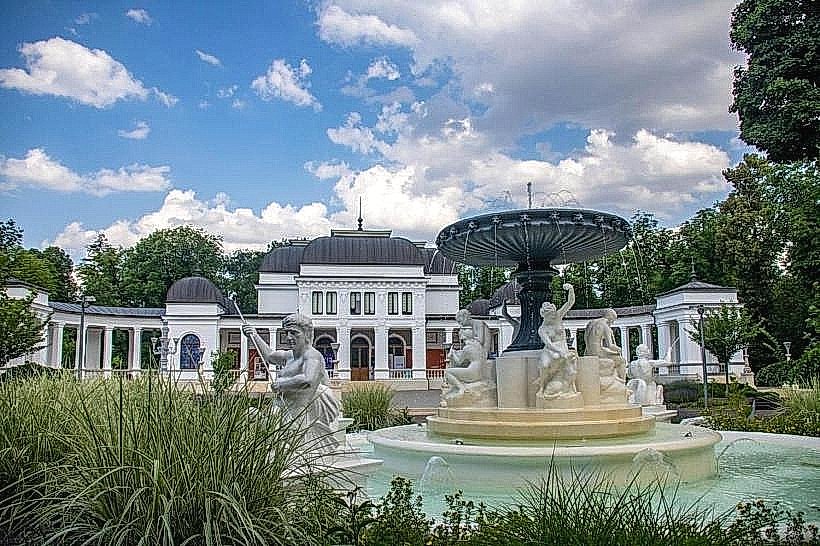
Landmark: Alexandru Borza Botanical GardenCity: Cluj Napoca
Country: Romania
Continent: Europe
Alexandru Borza Botanical Garden, Cluj Napoca, Romania, Europe
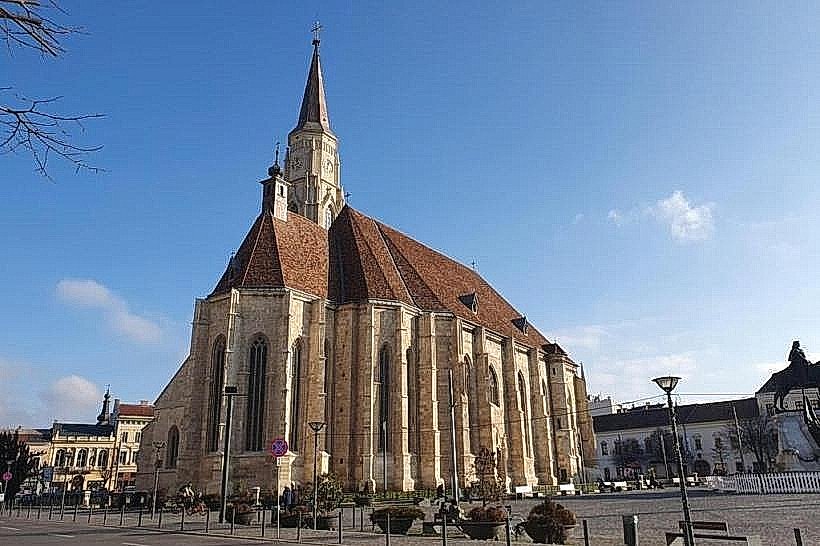
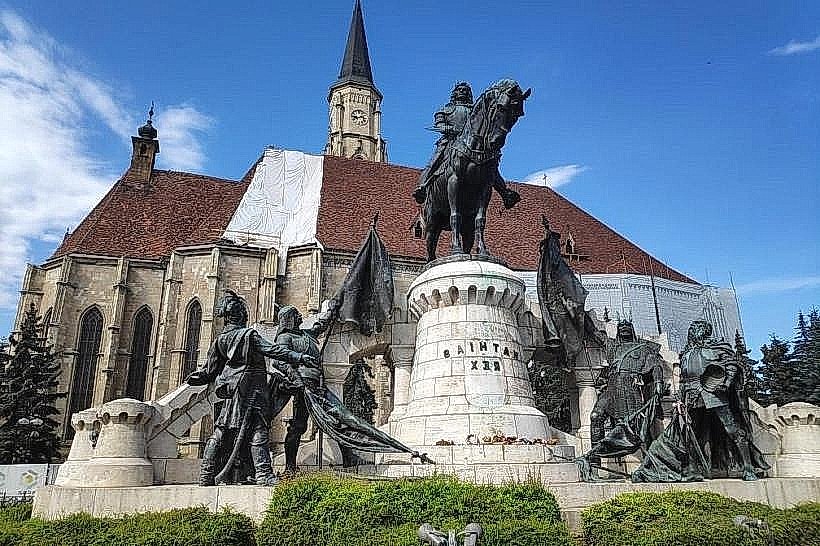
Saint-Michel Church is a Roman Catholic church located in Cotonou, Benin.
Visual Characteristics
The church is constructed primarily from red brick. It features a prominent bell tower with a spire. The facade is characterized by arched windows and decorative stonework. The building's dimensions are approximately 40 meters in length and 15 meters in width, with the tower reaching a height of 30 meters. The architectural style is Neo-Gothic.
Location & Access Logistics
Saint-Michel Church is situated at the intersection of Rue 101 and Avenue Jean-Paul II in the Dantokpa district of Cotonou. It is approximately 3 kilometers northeast of the city center. Access is via paved roads. On-site parking is available for approximately 50 vehicles. Public transport options include the local "Bé-Bé" taxis and various bus lines that service Avenue Jean-Paul II.
Historical & Ecological Origin
Construction of Saint-Michel Church began in 1947 and was completed in 1952. It was designed by architect Pierre Goudard. The original purpose was to serve as a parish church for the growing Catholic population in Cotonou.
Key Highlights & Activities
Visitors can attend mass services, which are held daily. The church interior features stained-glass windows depicting biblical scenes. Photography inside the church is permitted during non-service hours. The exterior architecture can be observed from the surrounding public space.
Infrastructure & Amenities
Restrooms are available within the church complex. Limited shade is provided by the building's structure and nearby trees. Cell phone signal (4G/5G) is generally good in this area. Food vendors are typically present on Avenue Jean-Paul II, particularly during market hours.
Best Time to Visit
For interior photography, the best time of day is between 10:00 AM and 2:00 PM to utilize natural light through the stained-glass windows. The weather in Cotonou is generally warm and humid year-round. The dry seasons (December to February and July to August) offer slightly less rainfall.
Facts & Legends
A local anecdote suggests that the church's foundation stone was blessed by a visiting cardinal who later became Pope John XXIII. The church is a significant landmark for the Catholic community in Cotonou, hosting numerous religious events throughout the year.
Nearby Landmarks
- Dantokpa Market (0.3km West)
- Centre Artisanal de Cotonou (1.2km Southwest)
- Presidential Palace (2.5km Southwest)
- Cotonou Cathedral (2.8km Southwest)
- Port of Cotonou (3.5km South)