Information
City: Columbia SCCountry: USA South Carolina
Continent: North America
Columbia SC, USA South Carolina, North America
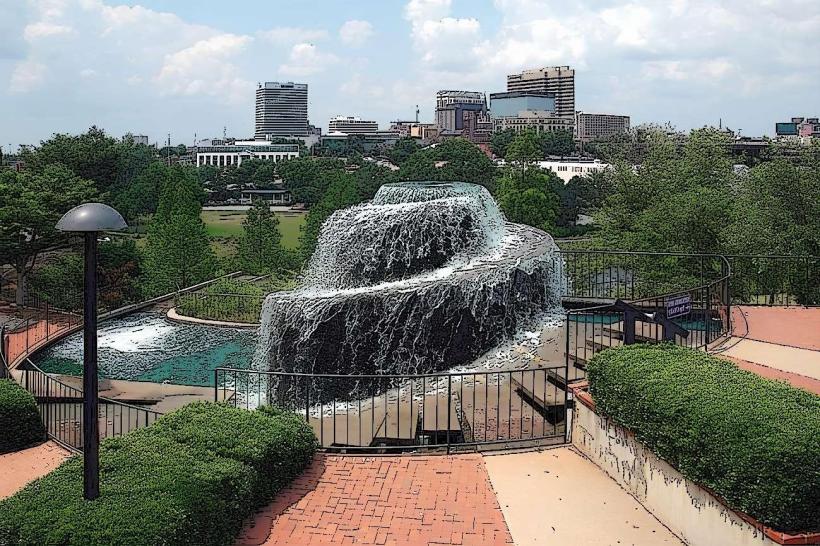
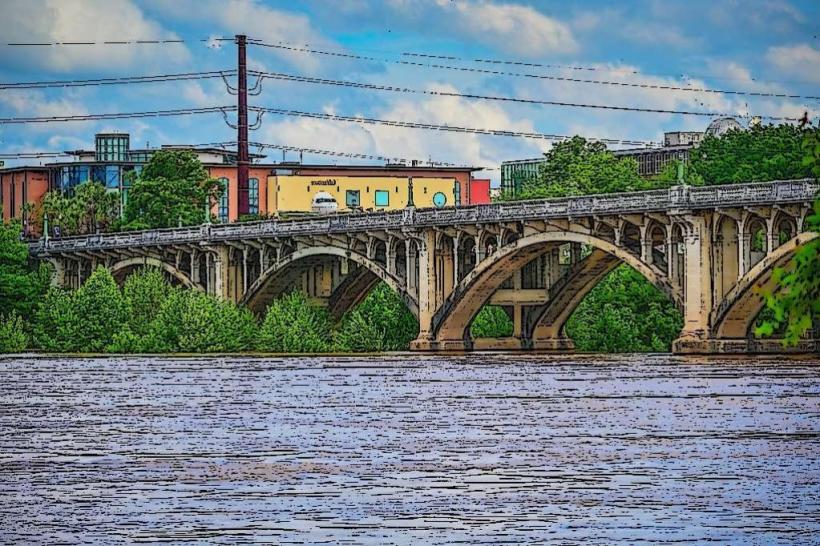
Columbia is an independent city and the capital of South Carolina, situated at the confluence of the Broad and Saluda Rivers, which form the Congaree River. Known as the "Soda City" (an abbreviation of "Cola"), it is defined by its role as the state's political hub, its status as home to the University of South Carolina (USC), and its identity as one of the first planned cities in the United States.
Historical Timeline
Inhabited by the Congaree people. Primary governance began with its 1786 - the state capital, a compromise between the Lowcountry elite and Upstate farmers. A critical historical event occurred in February 1865 when much of the city was destroyed by fire during the occupation by Union General William Tecumseh Sherman. The 20th century saw the establishment of Fort Jackson (1917), which became the U.S. Army's largest initial entry training center. In the 21st century, the city has focused on the "BullStreet District" redevelopment-one of the largest urban projects on the East Coast.
Demographics & Population
The population is approximately 140,000 (Metro area ~850,000). The demographics are White (49%), Black or African American (40%), and Hispanic or Latino (6%). The economy is driven by state government, military operations (Fort Jackson), healthcare (Prisma Health), and higher education.
Urban Layout & Key Districts
Columbia is organized on a wide-street grid, originally designed to prevent the spread of fire and mosquitoes.
Main Street District: The revitalized commercial core featuring the State House, corporate headquarters, and the "Soda City Market."
The Vista (Congaree Vista): A former warehouse district converted into the city’s primary dining, gallery, and nightlife hub near the river.
Five Points: A high-density, collegiate-oriented district known for independent boutiques, dive bars, and student life.
Devine Street: An upscale corridor featuring boutique shopping and fine dining.
Cayce/West Columbia: Independent cities across the Congaree River, acting as extensions of the urban core with a focus on riverfront parks.
Top City Landmarks
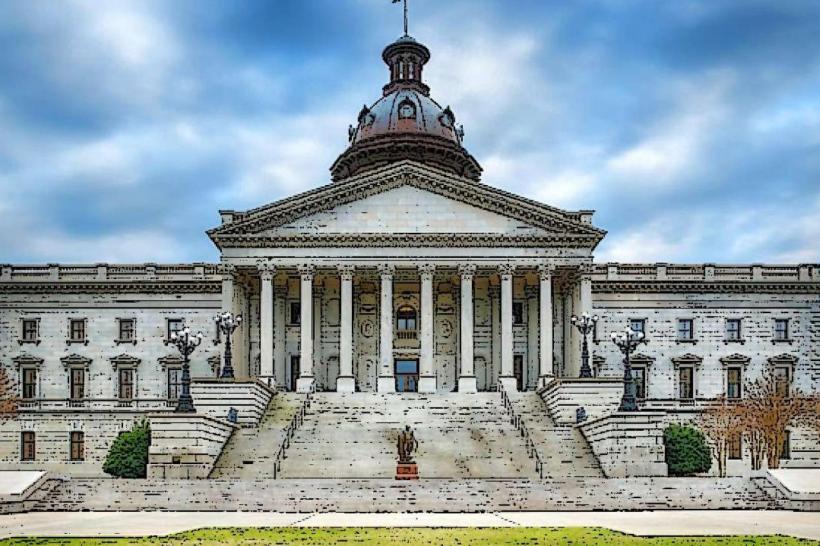
South Carolina State House: A Greek Revival landmark featuring a copper dome and bronze stars marking hits from Sherman’s cannons.
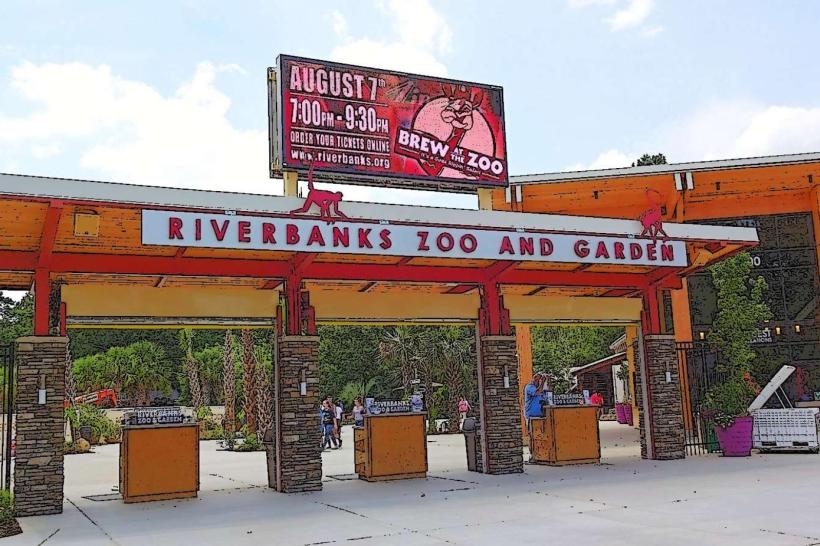
Riverbanks Zoo & Garden: Consistently ranked among the best in the U.S., featuring a massive botanical garden across the Saluda River.
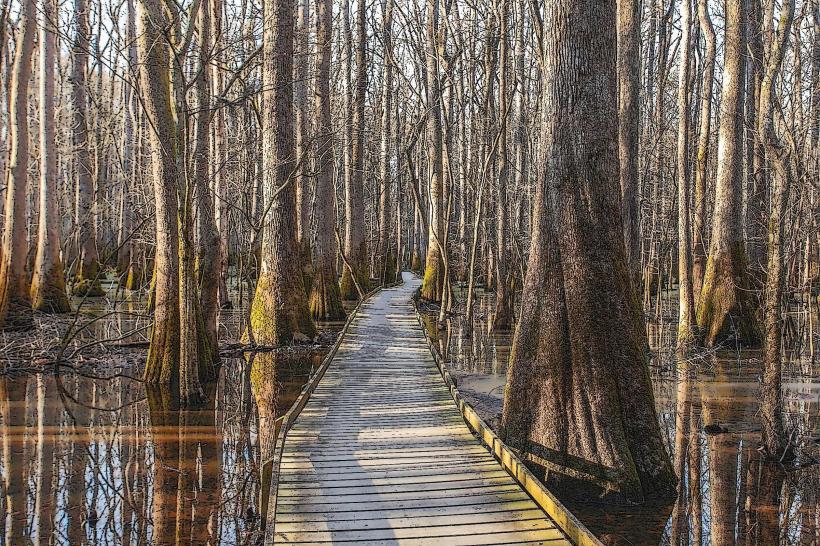
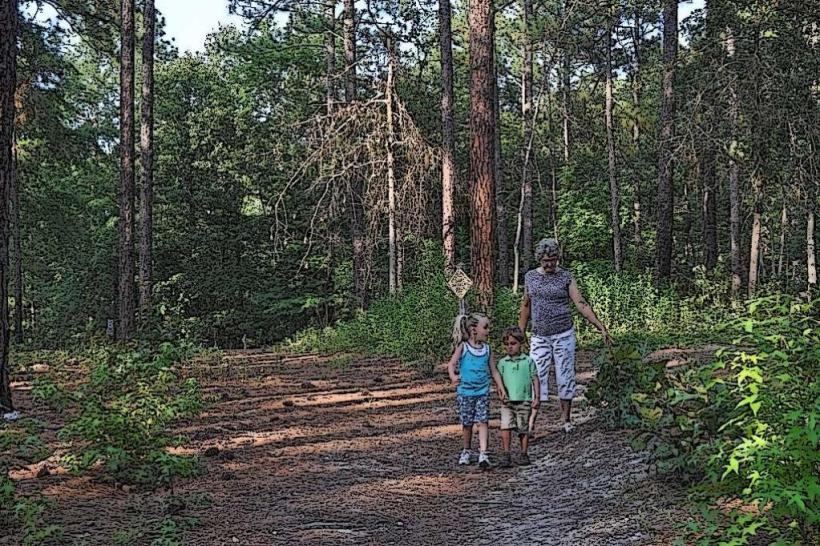
Congaree National Park: Located 30 km southeast; home to the largest intact expanse of old-growth bottomland hardwood forest in the Southeast.
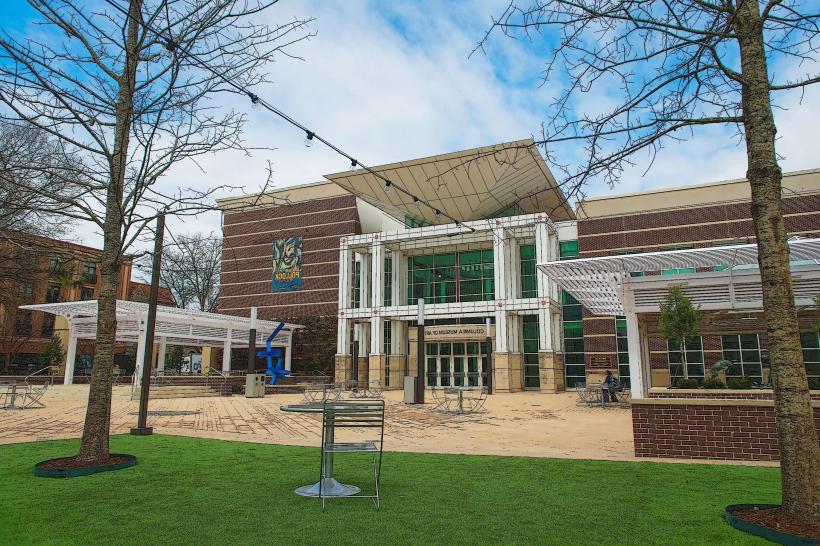
Columbia Museum of Art: A premier regional museum situated on Main Street, featuring a significant European and American collection.
Williams-Brice Stadium: The 80,000-seat home of the USC Gamecocks, serving as the cultural epicenter of "Gamecock Country."
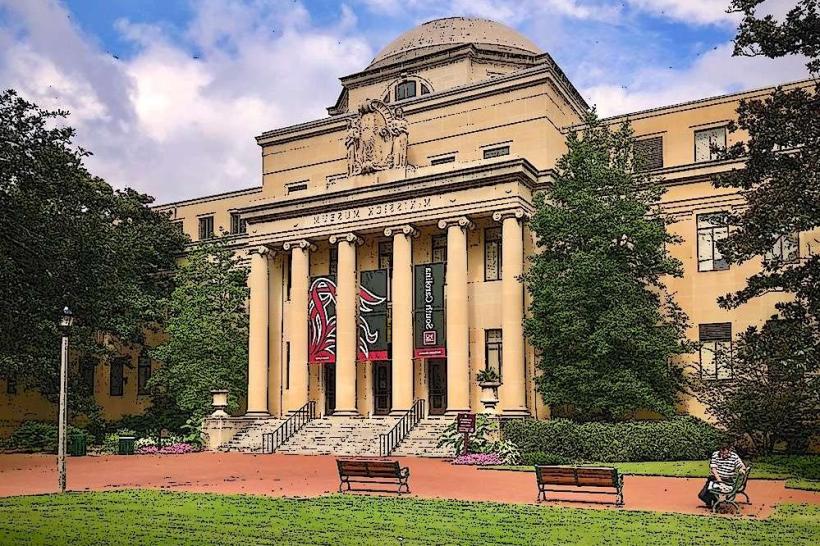
South Carolina State Museum: Housed in the historic 1894 Columbia Canal Academy, featuring an observatory and planetarium.
Transportation Network
Movement is automotive-centric. Public transit is provided by The COMET (Central Midlands Regional Transit Authority), including the "Orbit" circulator. The city is a major junction for I-20, I-26, and I-77. Commercial air service is via Columbia Metropolitan (CAE).
Safety & "Red Zones"
The general safety level is moderate. Property crime is higher than the national average. Caution is advised at night in parts of North Columbia (above Elmwood Ave) and neighborhoods surrounding the Two Notch Road corridor due to localized violent crime. Environmental hazards include extreme summer heat (frequently nicknamed "Famously Hot") and seasonal flooding of the Congaree River.
Digital & Financial Infrastructure
Internet speeds average 500+ Mbps with fiber availability via AT&T and Lumos. Main mobile carriers are Verizon and AT&T. Card acceptance is universal. ATMs are concentrated in the Main Street and Five Points districts.
Climate & Air Quality
Temperatures range from 1°C to 14°C in winter and 22°C to 35°C in summer. Columbia is known for its extreme humidity and stagnant summer air. Air quality is moderate but can be affected by summer ozone levels.
Culture & Social Norms
The standard tipping percentage is 20%. A "Southern-Collegiate" greeting is standard. Dress codes are "Business-Casual" or "Gamecock Apparel" (Garnet and Black). The city is culturally defined by its Southern BBQ (specifically mustard-based sauce), its obsession with college football, and its military-friendly atmosphere.
Local Cost Index
1 Espresso: $4.75 (USD)
1 Standard Lunch: $17.00 (USD)
1 Zoo Admission: $25.00–$30.00.
Nearby Day Trips
Lake Murray: (25 km west; a 50,000-acre reservoir for boating and recreation).
Greenville, SC: (160 km northwest; a burgeoning mountain-adjacent city).
Camden, SC: (50 km northeast; the oldest inland city in the state, famous for horse racing).
Facts & Legends
Columbia was one of the first planned cities in the U.S., with streets 100 feet wide (the widest at the time). Historically, it was the site of the first Textile Mill in the world to be powered entirely by electricity (Olympia Mill). A local legend involves the "Third Eye Man," a cryptid reported in the city's sewer systems in the 1940s. Another legend concerns the "Burning of Columbia," with locals still debating whether the 1865 fire was started by retreating Confederates or invading Union troops.