Information
City: KhajurahoCountry: India
Continent: Asia
Khajuraho, India, Asia
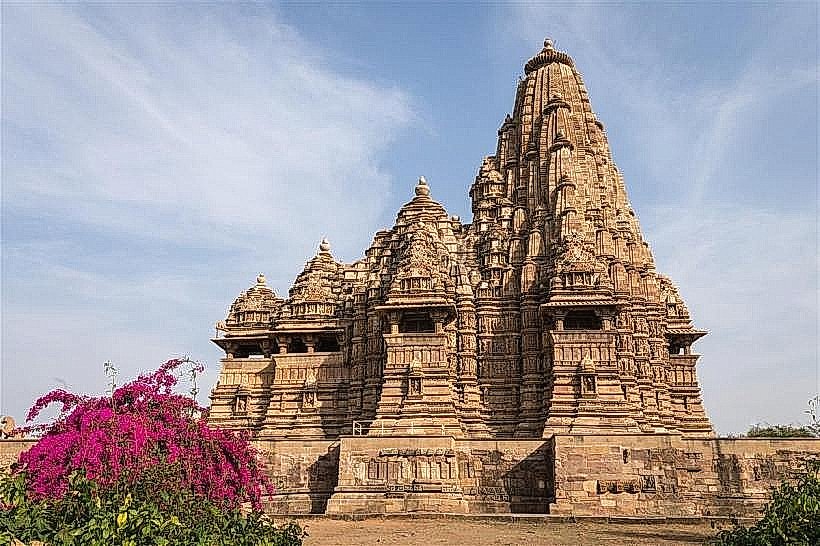
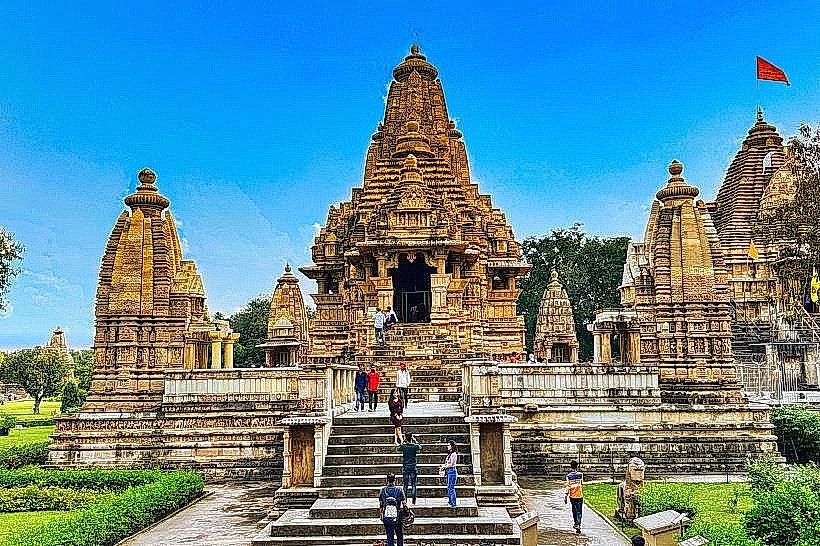
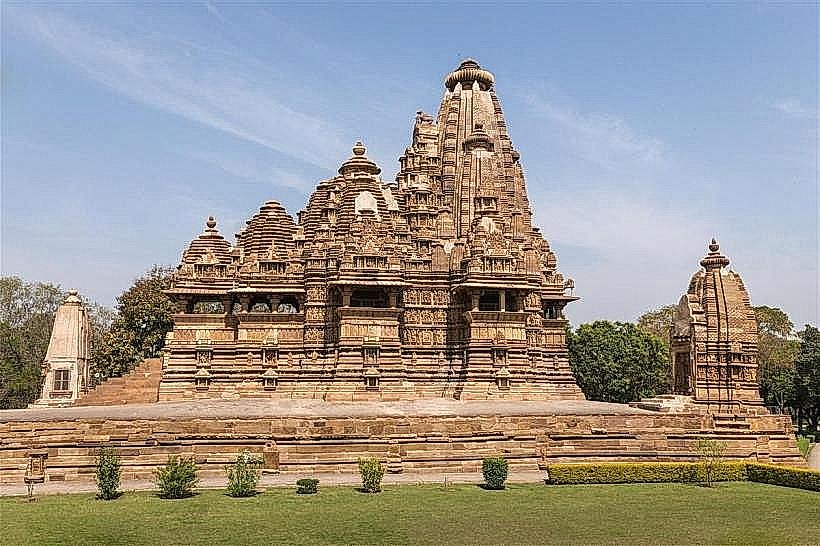
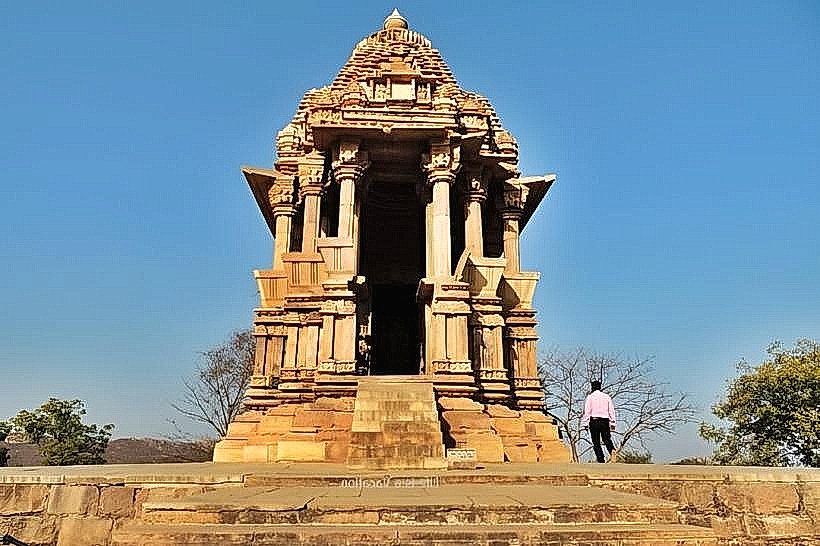
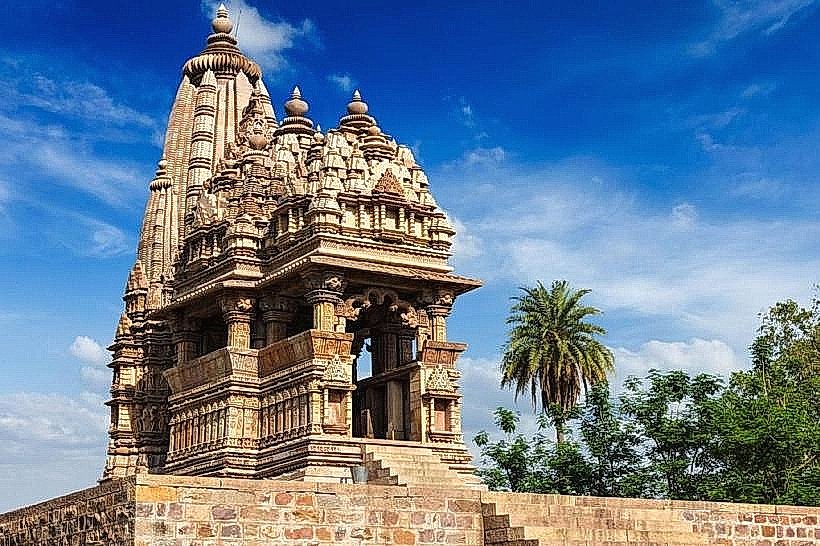
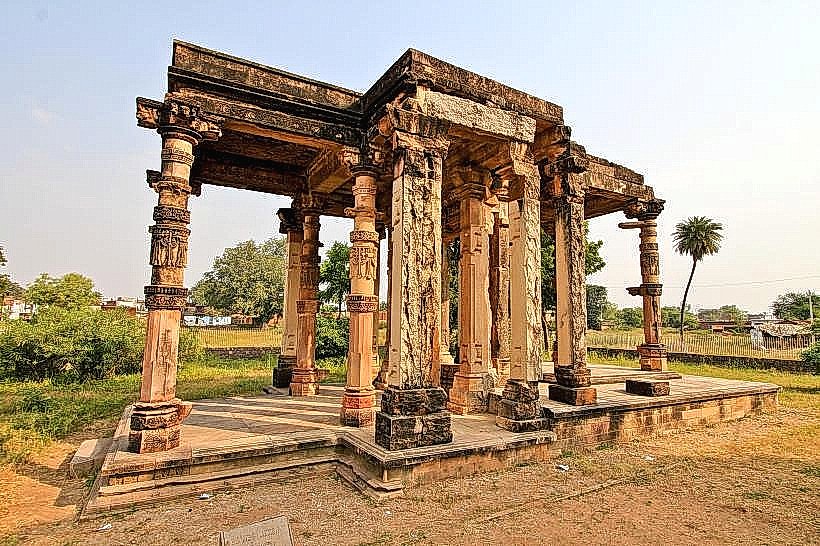
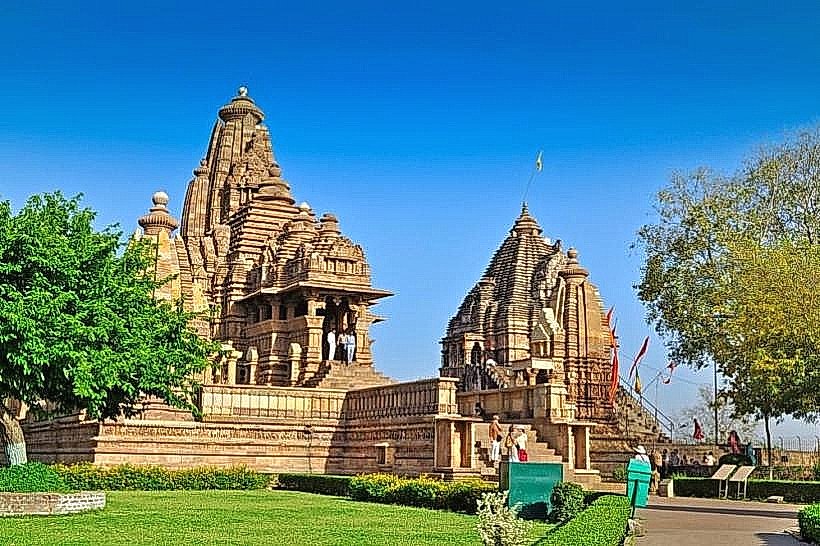
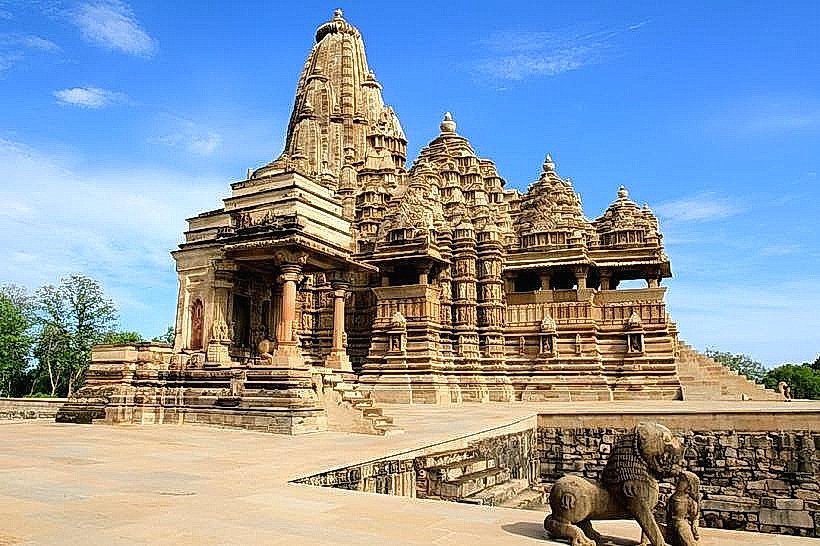
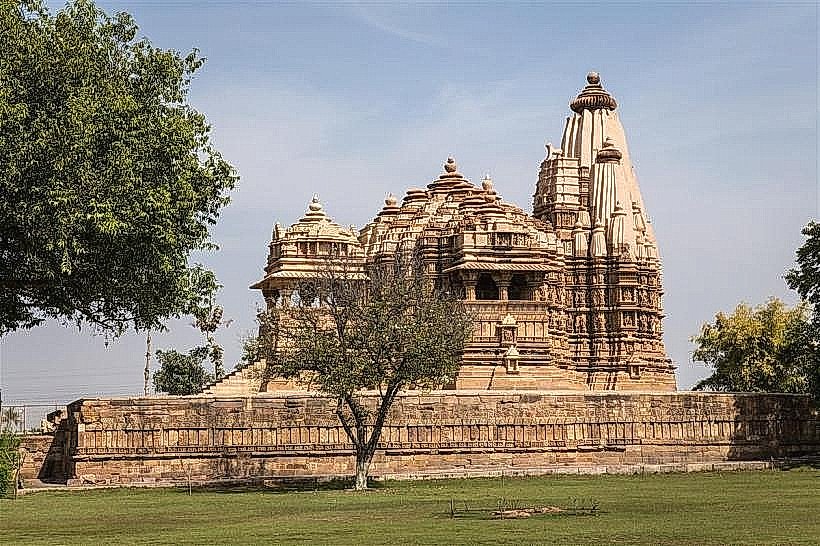
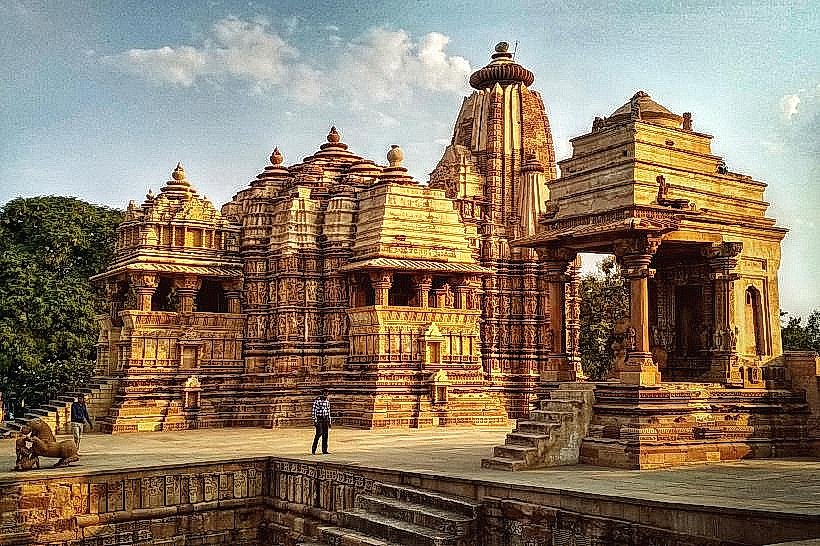
Khajuraho is a small town in the Chhatarpur District of Madhya Pradesh, situated in the Bundelkhand region. It is a UNESCO World Heritage site globally renowned for its group of medieval Hindu and Jain temples, celebrated for their intricate Nagara-style architecture and celebrated erotic sculptures.
Historical Timeline
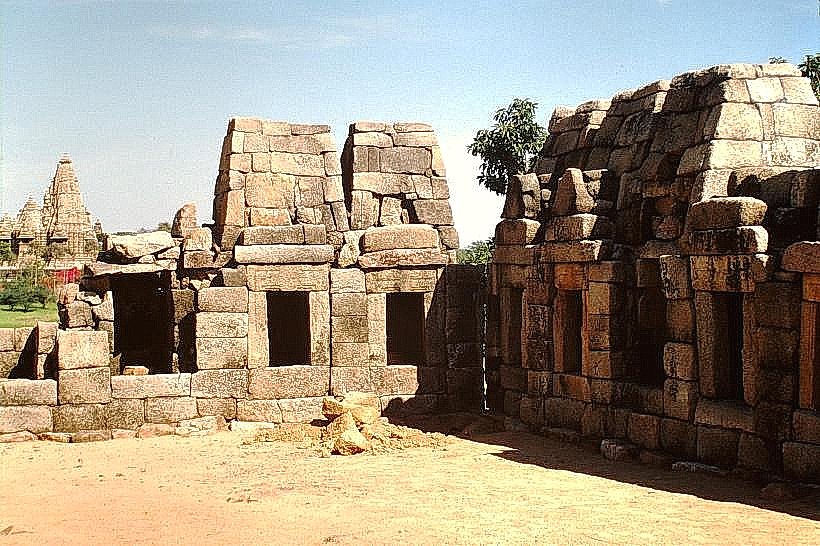
Built between 950 and 1050 CE by the Chandela Dynasty. A critical historical event occurred in the 13th century when the region was invaded by the Delhi Sultanate, leading to the abandonment of the city. The temples remained hidden by dense jungle for centuries, which protected them from further desecration. In 1838, British officer T.S. Burt "rediscovered" the site after being guided there by local inhabitants. Originally a complex of 85 temples, only 25 survive in various states of preservation. In 2026, it serves as a premier cultural tourism destination and a center for classical Indian dance.
Demographics & Population
The 2026 population is approximately 26,500. The demographics are predominantly Hindu with a significant Jain presence. The economy is almost exclusively driven by Tourism, Agriculture, and Handicrafts (specifically stone carving and brass work).
Urban Layout & Key Districts
Khajuraho is a village-scale settlement organized around its temple clusters.
Western Group: The primary archaeological park; contains the most famous and well-preserved temples.
Eastern Group: Situated near the old village; features a mix of Hindu and Jain temples.
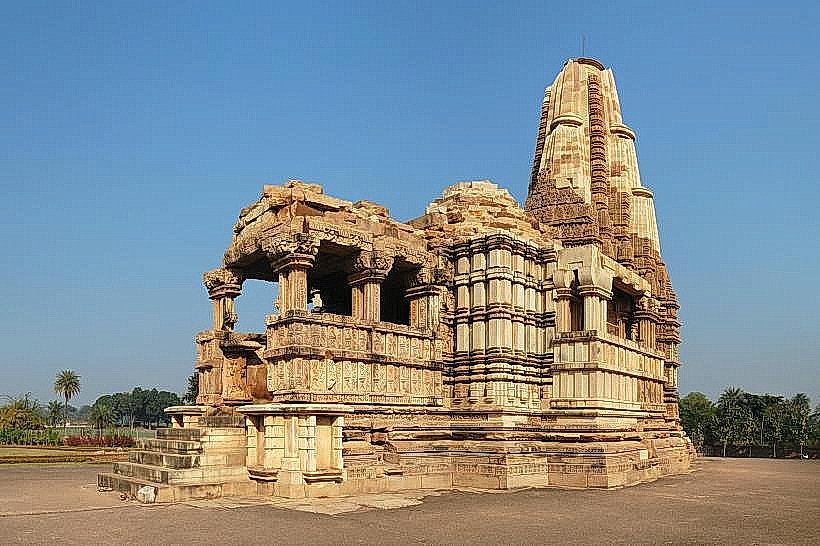
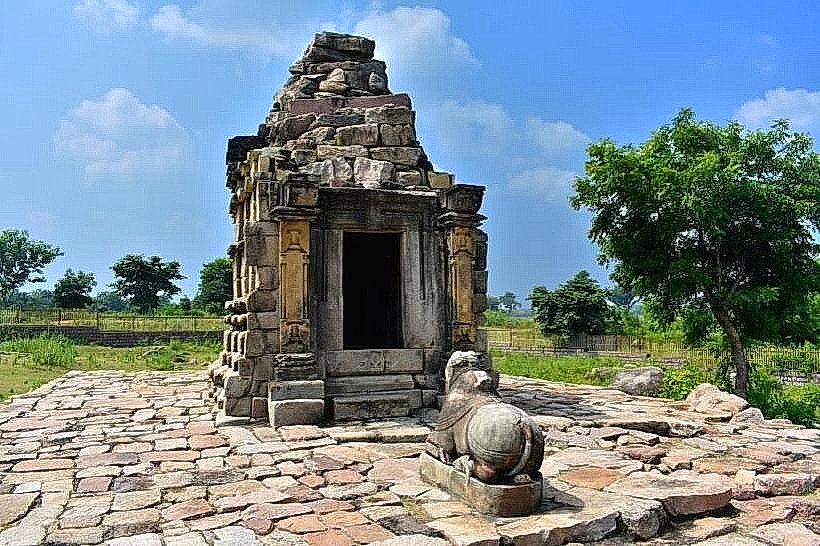
Southern Group: Located further from the town center; contains more secluded structures like the Duladeo Temple.
Main Market: A small commercial strip catering to tourists with cafes, bookstores, and craft shops.
Top Landmarks
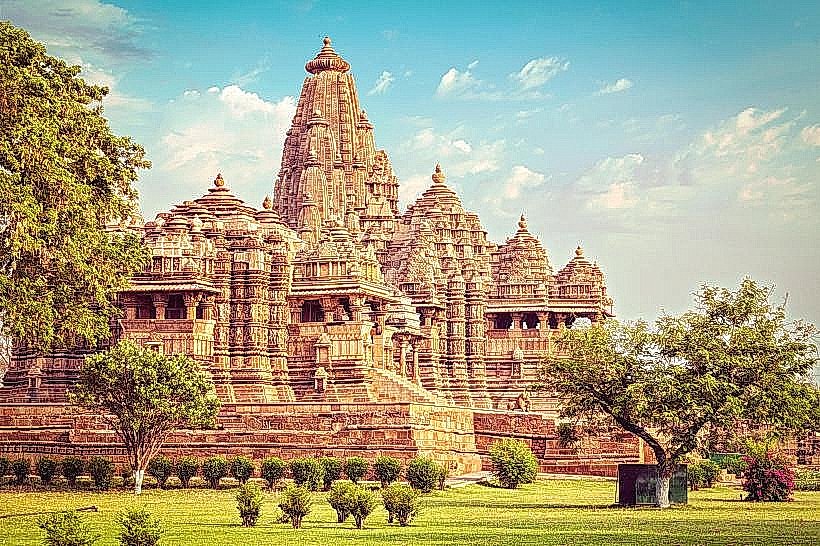
Kandariya Mahadeva Temple: The largest and most ornate temple, dedicated to Shiva; features over 800 sculptures and a 31-meter spire.
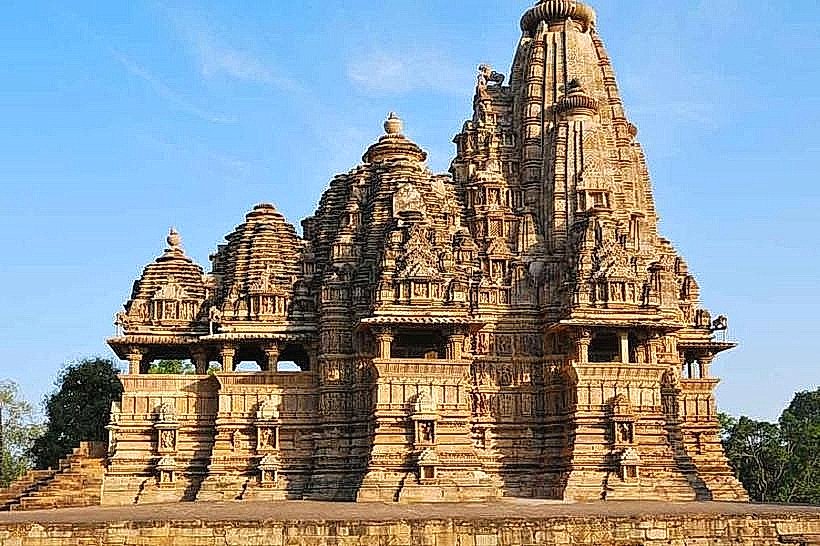
Lakshmana Temple: One of the oldest in the Western Group, dedicated to Vishnu; notable for its highly detailed lintels and friezes.
Vishvanatha Temple: Famous for its massive stone Nandi bull and sophisticated geometric proportions.
Adinatha & Parshvanatha Temples (Eastern Group): Significant Jain temples known for their non-erotic, highly refined depictions of daily life and celestial beings.
Panna National Park: (Located 25 km away); a premier tiger reserve and home to the Ken River.
Raneh Falls: (Located 20 km away); a dramatic canyon of igneous rock often referred to as the "Grand Canyon of India."
Transportation Network
Movement is facilitated by cycle-rickshaws, e-rickshaws, and bicycles. Khajuraho Airport (HJR) provides domestic connections to Delhi and Varanasi. Khajuraho Railway Station connects to the national grid via the North Central Railway. In 2026, the town remains a "walking destination" due to the proximity of the Western Group to the main hotel district.
Safety & "Red Zones"
General safety is high. Standard awareness is advised against persistent touts and individuals offering "spiritual tours" or "cheap gems." Environmental hazards include extreme summer heat (frequently exceeding 45°C) and venomous snakes in the tall grass near the Southern Group during the monsoon.
Digital & Financial Infrastructure
5G connectivity is available in the town center. UPI payments are accepted at most hotels and shops. Card acceptance is standard in mid-to-high-tier establishments. Foreign exchange services are concentrated in the Main Market area.
Climate & Air Quality
Temperatures range from 8°C to 25°C in winter and 30°C to 47°C in summer. The air quality is exceptionally high compared to Indian urban centers due to the lack of heavy industry and low vehicle density.
Culture & Social Norms
The standard tipping percentage is 10%. A "Respectful-Rural" greeting is standard. Dress codes are "Conservative"; while the sculptures depict nudity, visitors are expected to dress modestly (covered shoulders/knees) especially when entering active temple sites. The culture is defined by Bundelkhandi Traditions, Archaeological Pride, and the Khajuraho Dance Festival (held every February).
Local Cost Index
1 Espresso: ₹140 ($1.70 USD)
1 Standard Lunch: ₹280 ($3.35 USD)
1 Western Group Entry: ₹40 (Indians) / ₹600 (Foreigners).
Nearby Day Trips
Ajaigarh Fort: (36 km away; a rugged, hilltop Chandela fortress).
Kalinjar Fort: (100 km away; a massive strategic citadel with a history dating back to the 2nd century).
Pandav Falls: (35 km away; a perennial waterfall located within Panna National Park).
Facts & Legends
Only about 10% of the sculptures at Khajuraho are actually erotic; the vast majority depict the daily lives of medieval Indians, deities, and mythical animals. Historically, the temples are built of sandstone without the use of mortar, held together by gravity and precise mortise-and-tenon joints. A local legend claims the Chandela kings were descended from the Moon God (Chandra) and a mortal woman, Hemavati, who was instructed to build these temples to atone for her sins. Another legend suggests the erotic carvings were intended as a test for young monks to see if they could maintain their composure in the face of worldly temptation.