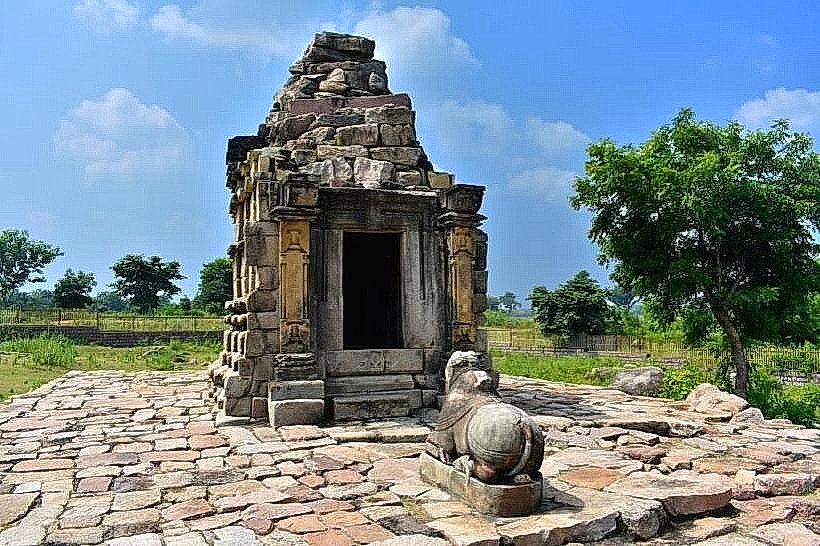
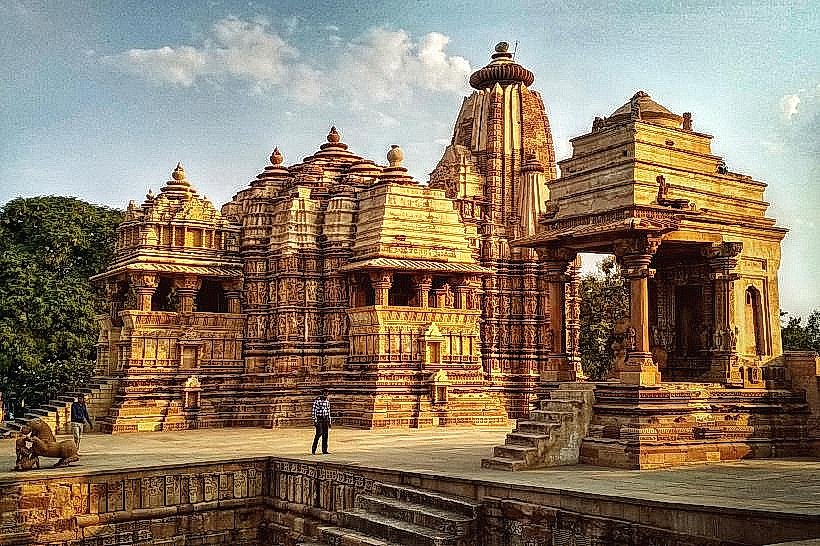
Information
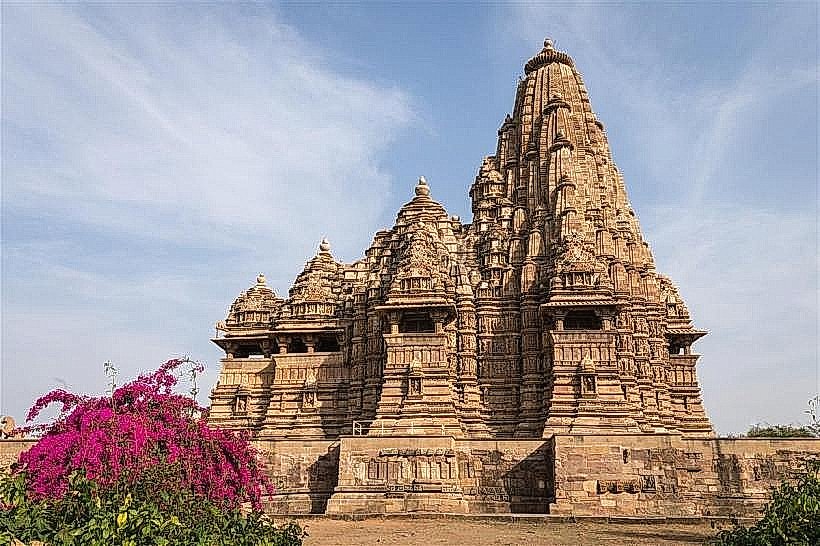
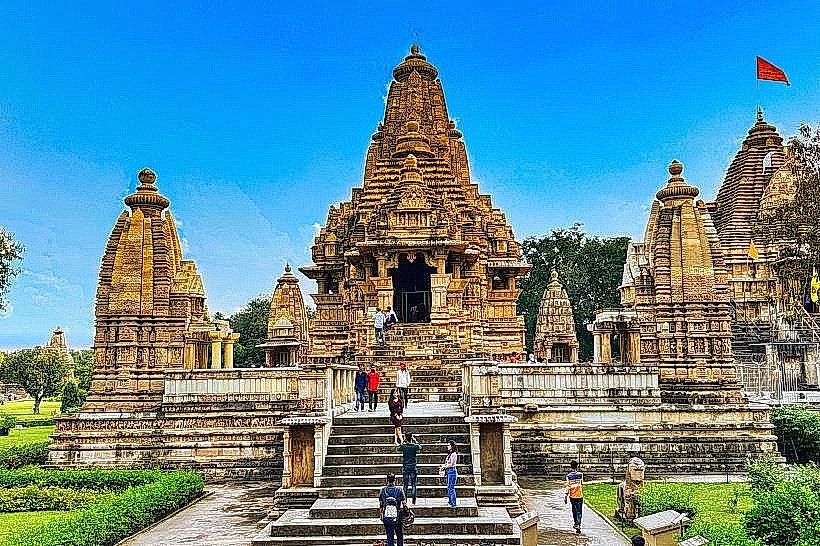
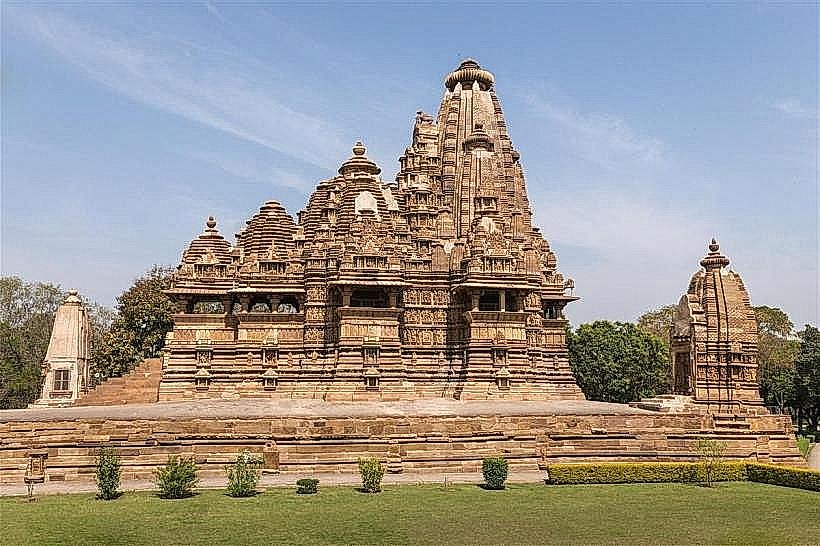
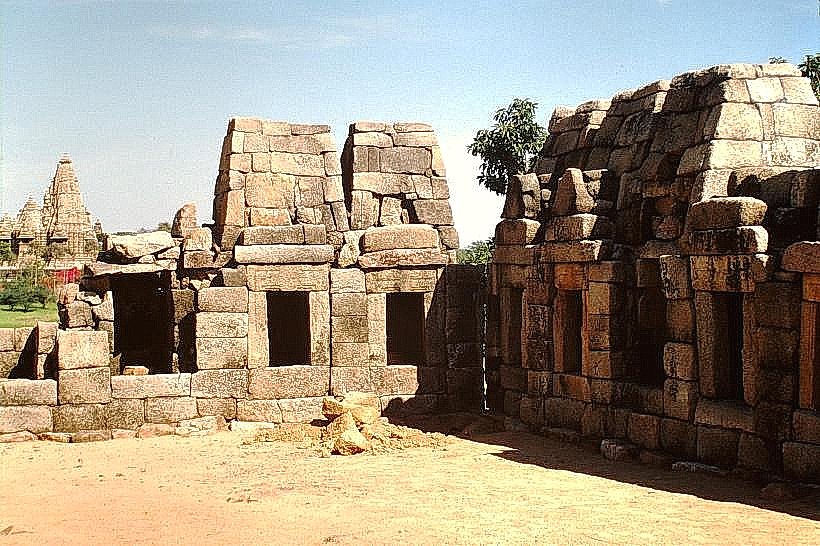
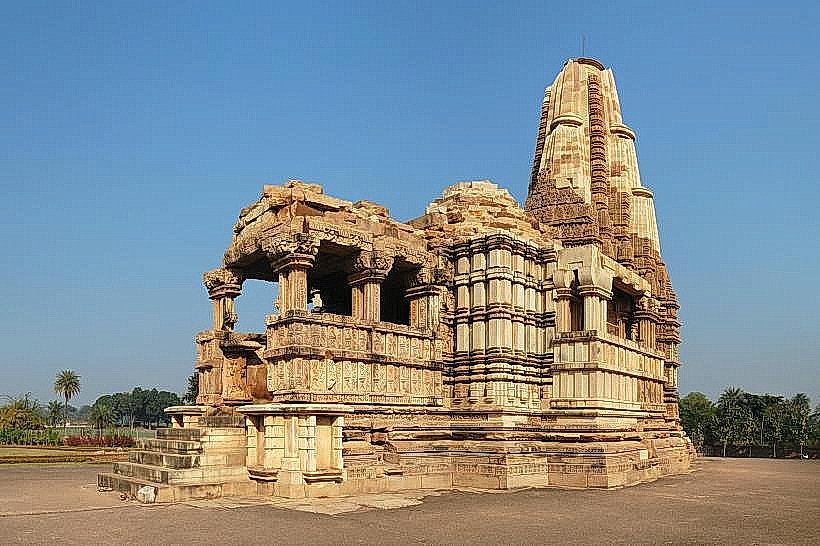
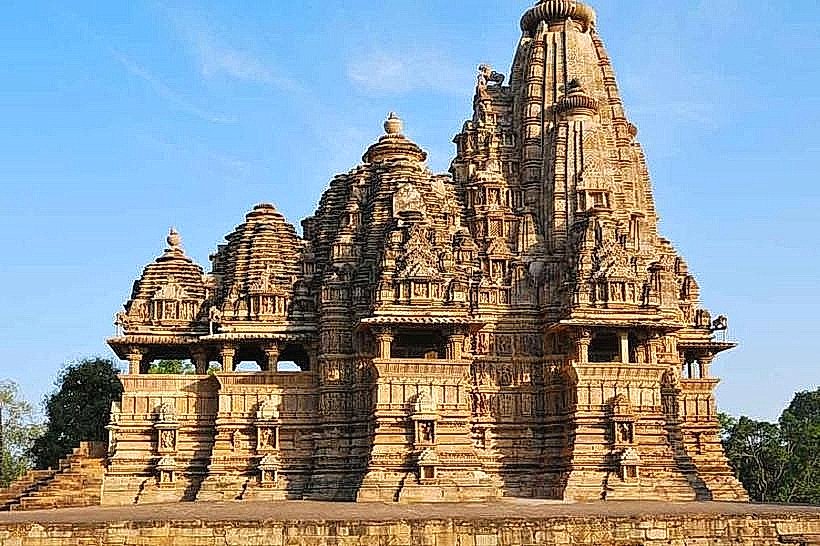
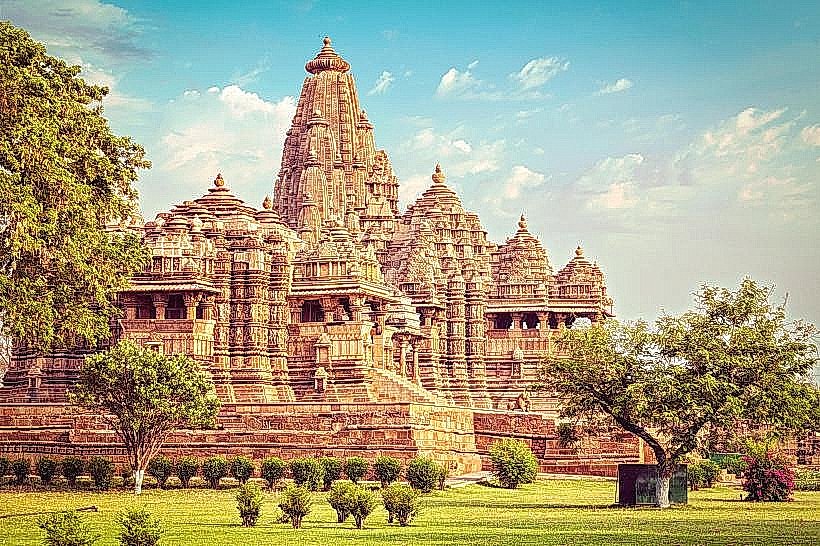
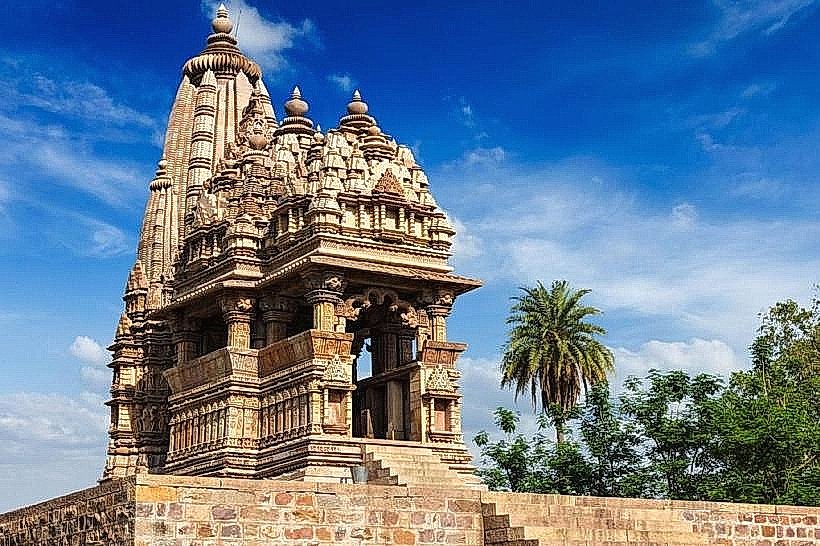
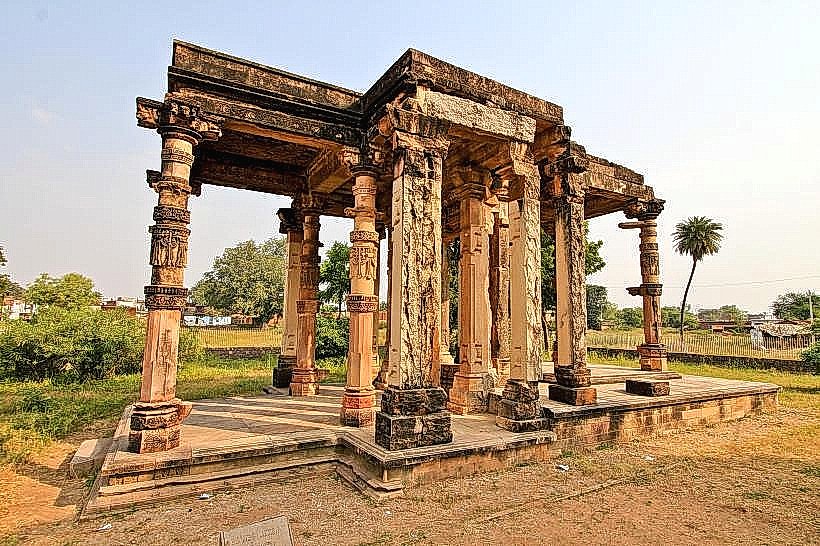
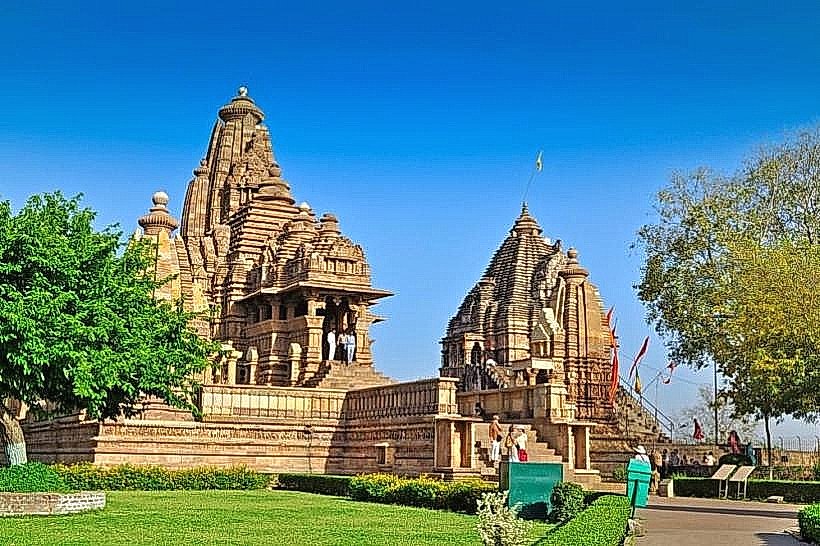
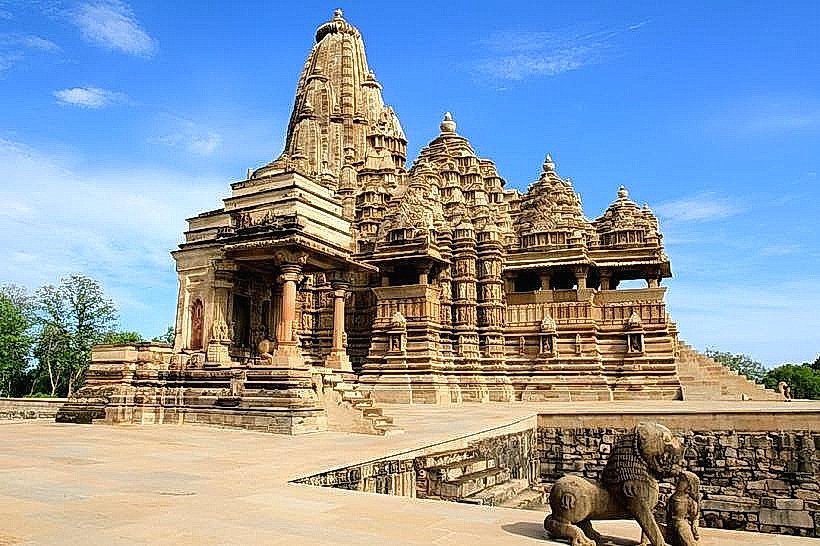
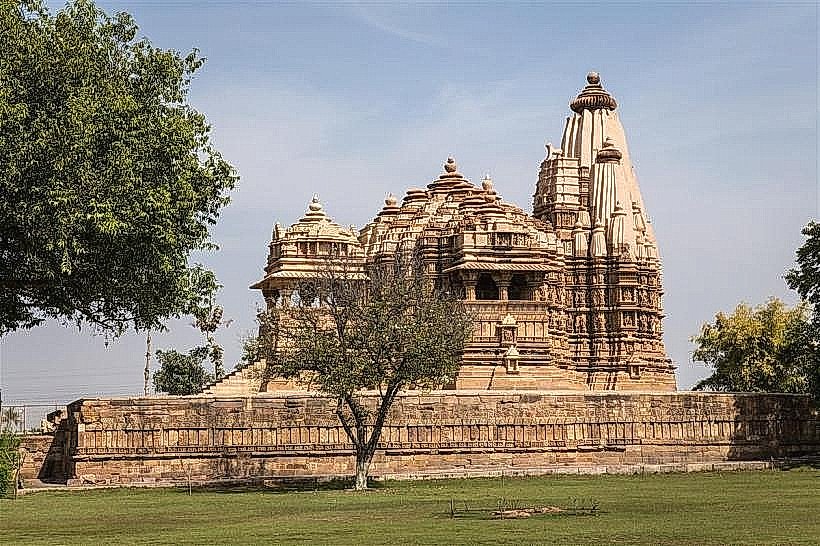
Landmark: Chaturbhuj TempleCity: Khajuraho
Country: India
Continent: Asia
Chaturbhuj Temple, Khajuraho, India, Asia
Shah Jahan’s Mosque is a historical religious structure located in the Old Delhi area of New Delhi, India.
Visual Characteristics
The mosque is constructed primarily from red sandstone, with white marble accents. It features a large central dome and four minarets. The facade is characterized by arched doorways and intricate carvings. The prayer hall interior is marked by a series of smaller domes and decorative plasterwork.
Location & Access Logistics
The mosque is situated approximately 1 kilometer north of the Red Fort in Old Delhi. Access is typically via Netaji Subhash Marg. Limited street parking is available in the vicinity, often requiring a short walk. The nearest metro station is Chandni Chowk (Yellow Line), approximately 0.8 kilometers southwest, followed by a walk or auto-rickshaw ride.
Historical & Ecological Origin
Construction of Shah Jahan’s Mosque began in 1644 and was completed in 1656. It was commissioned by the Mughal Emperor Shah Jahan, the builder of the Taj Mahal. The mosque was intended to serve as a place of worship for the imperial court and residents of the nearby palace complex.
Key Highlights & Activities
Visitors can observe the mosque's Mughal architectural elements. Photography of the exterior and interior is permitted. Quiet contemplation within the prayer hall is possible outside of prayer times. Observing the surrounding market activity provides insight into local life.
Infrastructure & Amenities
Basic restroom facilities are available on-site. Shaded areas are present within the mosque complex. Cell phone signal (4G/5G) is generally good. Food vendors and small shops are located immediately outside the mosque entrance.
Best Time to Visit
The best time for photography is during the early morning or late afternoon when the sunlight casts distinct shadows on the red sandstone. The months of October through March offer the most pleasant weather, with cooler temperatures. Avoid visiting during peak prayer times, typically midday and sunset.
Facts & Legends
A local anecdote suggests that the mosque was built to accommodate the large number of people who could not fit into the Jama Masjid during Friday prayers. It is also said that the mosque's construction was funded by the sale of a valuable jewel belonging to Shah Jahan.
Nearby Landmarks
- Red Fort (0.5km South)
- Jama Masjid (1.2km Southwest)
- Chandni Chowk Market (0.8km Southwest)
- Lal Mandir (Jain Temple) (1.0km West)
- Gurudwara Sis Ganj Sahib (0.9km Southwest)