Information
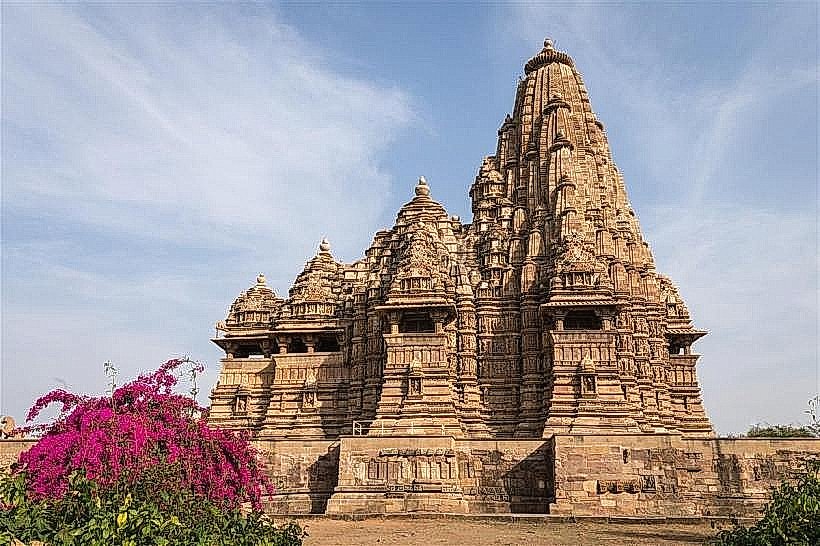
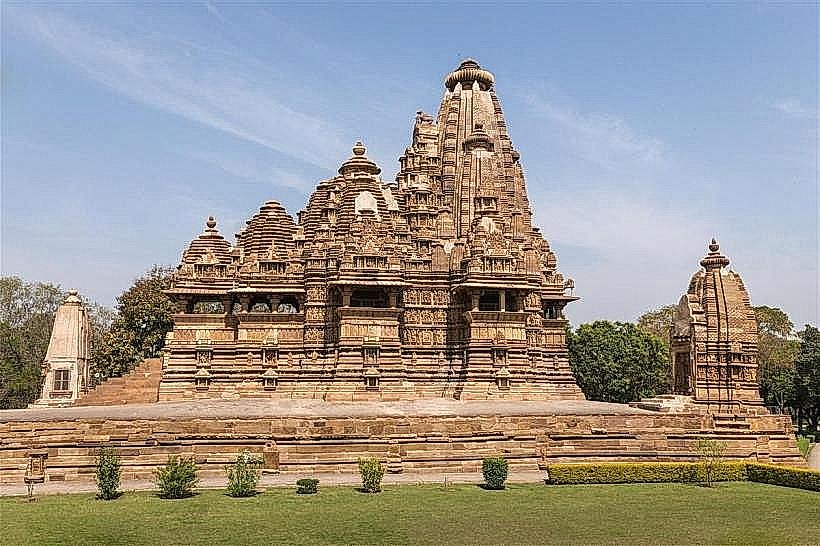
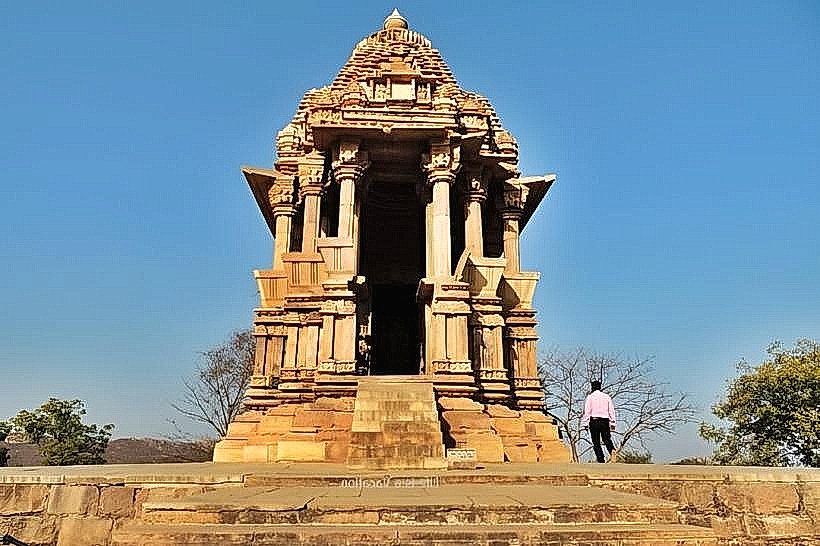
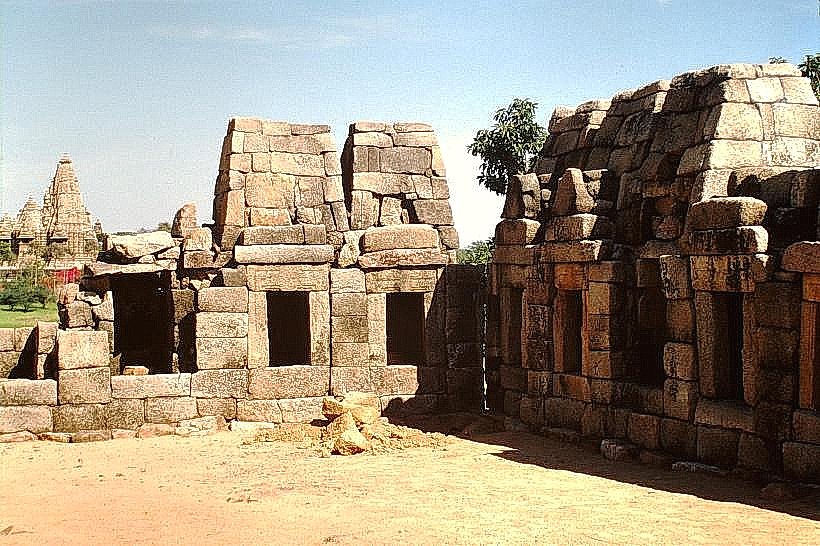
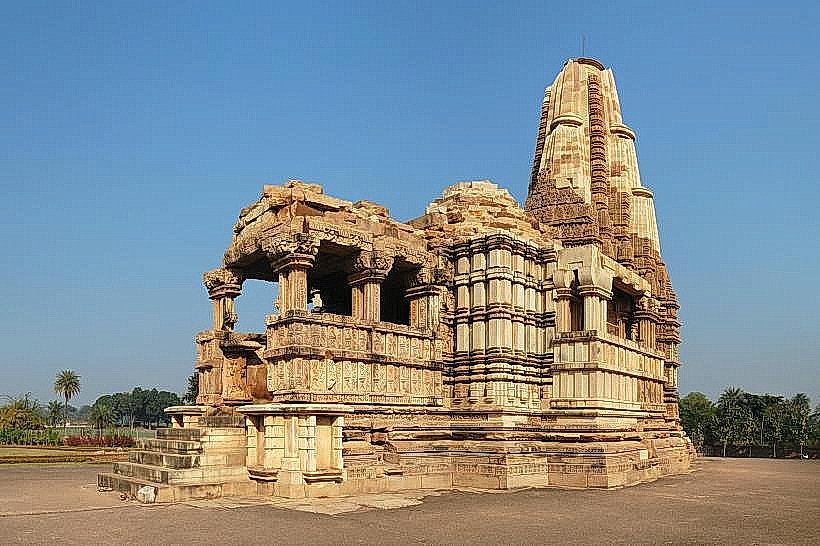
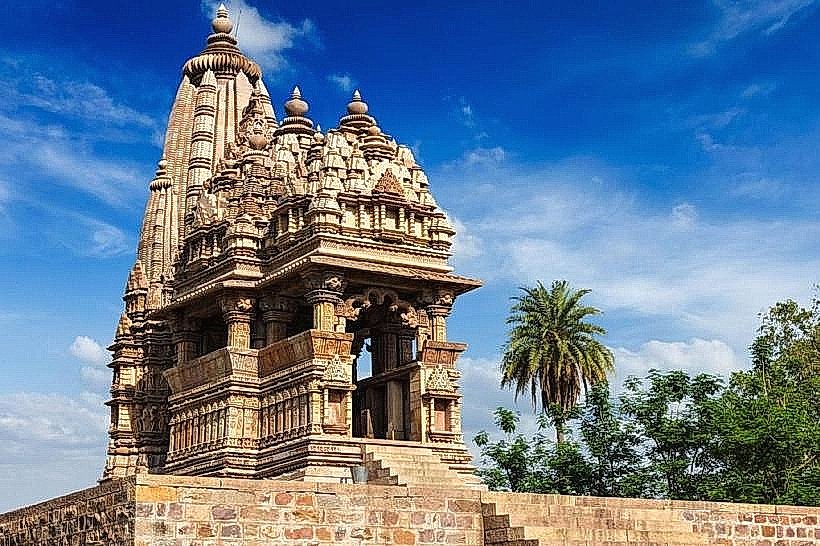
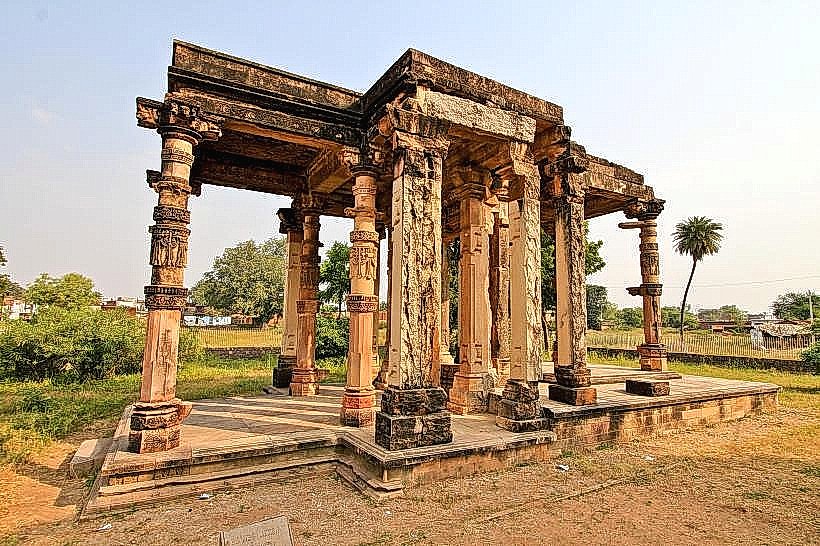
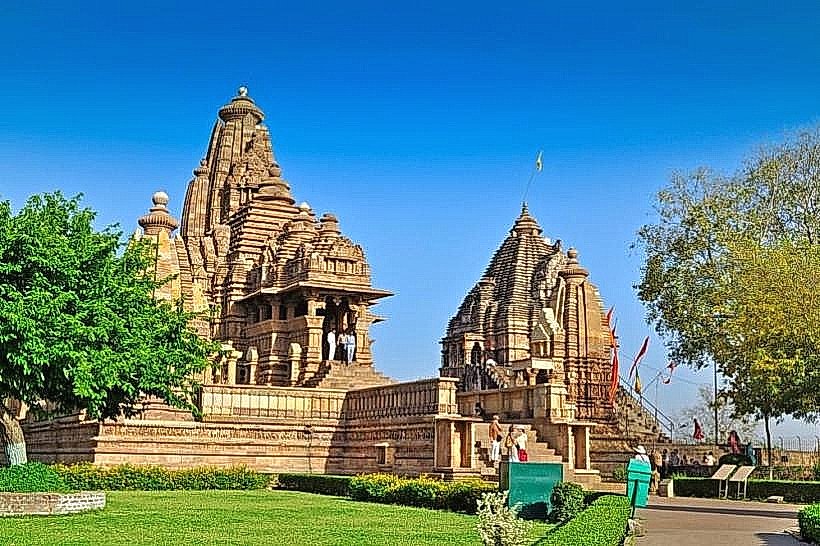
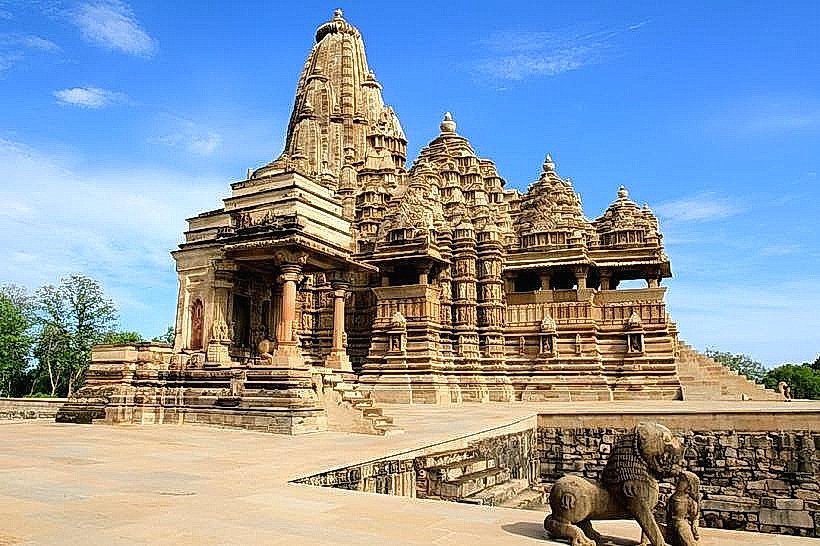
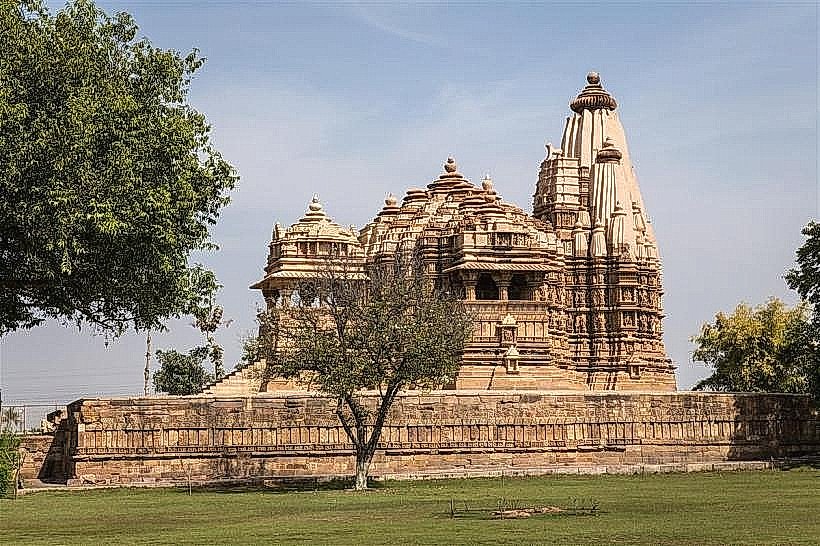
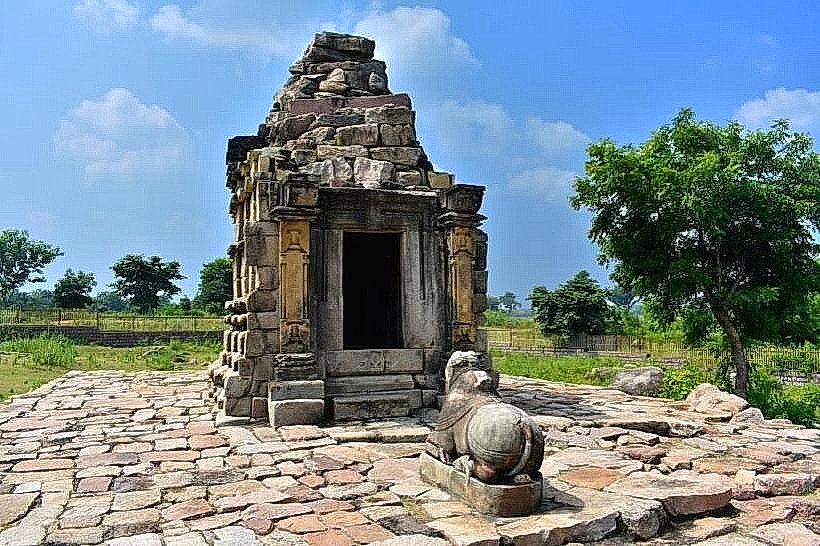
Landmark: Chhatarpur TempleCity: Khajuraho
Country: India
Continent: Asia
Chhatarpur Temple, Khajuraho, India, Asia
The Jantar Mantar is an astronomical observation site located in Jaipur, Rajasthan, India. It is a collection of nineteen architectural astronomical instruments.
Visual Characteristics
The Jantar Mantar is constructed primarily from local stone and lime plaster. The structures are large, geometric, and precisely engineered, featuring elements like gnomons, quadrants, and arcs. Colors are predominantly earthy tones of stone and plaster, with some instruments incorporating brass or metal components for sighting. The largest instrument, the Samrat Yantra, is a 27-meter high sundial.
Location & Access Logistics
The Jantar Mantar is situated adjacent to the City Palace in the heart of Jaipur. It is approximately 1 kilometer (0.6 miles) east of the city center. Ample parking is available in designated lots near the complex. Several local bus routes stop within a short walking distance of the site, and auto-rickshaws and taxis are readily available.
Historical & Ecological Origin
Construction of the Jantar Mantar was completed in 1734 under the patronage of Maharaja Jai Singh II. He was a scholar and astronomer who commissioned five such observatories across India. The original purpose was to measure time, predict eclipses, track celestial bodies, and study planetary positions with enhanced accuracy.
Key Highlights & Activities
Visitors can observe and learn about the function of various instruments, including the Samrat Yantra (equinoctial sundial), Jai Prakash Yantra (hemispherical instruments), and Ram Yantra (cylindrical structures). Guided tours are available to explain the scientific principles behind each instrument. Photography is permitted within the complex.
Infrastructure & Amenities
Restrooms are available on-site. Limited shaded areas are present, primarily around the entrance and ticket counter. Cell phone signal (4G/5G) is generally good within the complex. Food vendors and small shops are located outside the Jantar Mantar complex.
Best Time to Visit
The best time of day for observing the Samrat Yantra's accuracy is between 9:00 AM and 3:00 PM, when the sun is highest. The months of October through March offer pleasant weather conditions, with daytime temperatures ranging from 15°C to 30°C (59°F to 86°F). No specific tide requirements are applicable.
Facts & Legends
The Jantar Mantar instruments are accurate to within two seconds, a remarkable feat for their time. A local legend suggests that the instruments were so precise that they could be used to predict the exact moment of a person's death, though this is unsubstantiated.
Nearby Landmarks
- City Palace (0.1km West)
- Hawa Mahal (0.3km North)
- Albert Hall Museum (1.2km South-West)
- Johari Bazaar (0.4km North-West)