Information
City: TahitiCountry: French Polynesia
Continent: Australia
Tahiti, French Polynesia, Australia
Overview
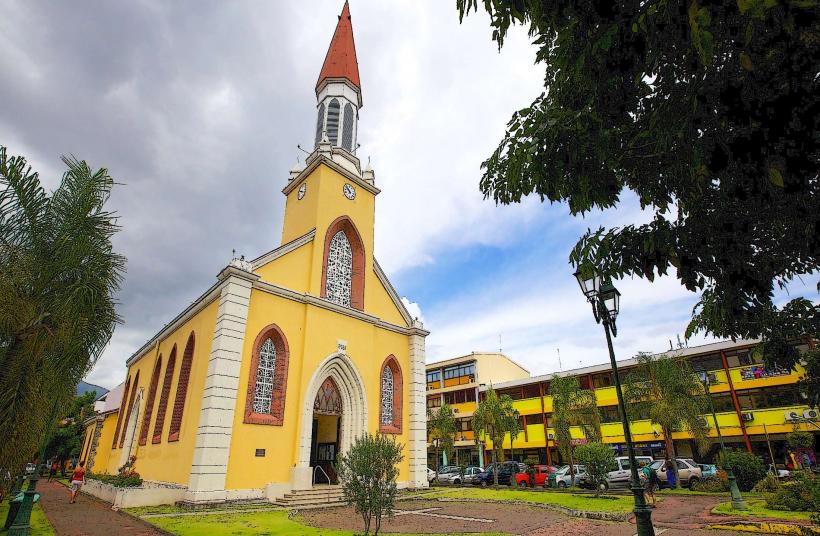
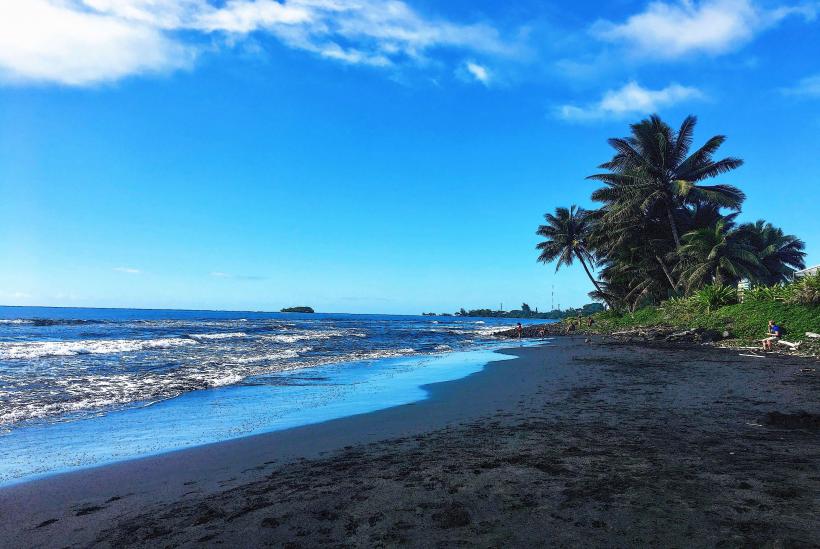
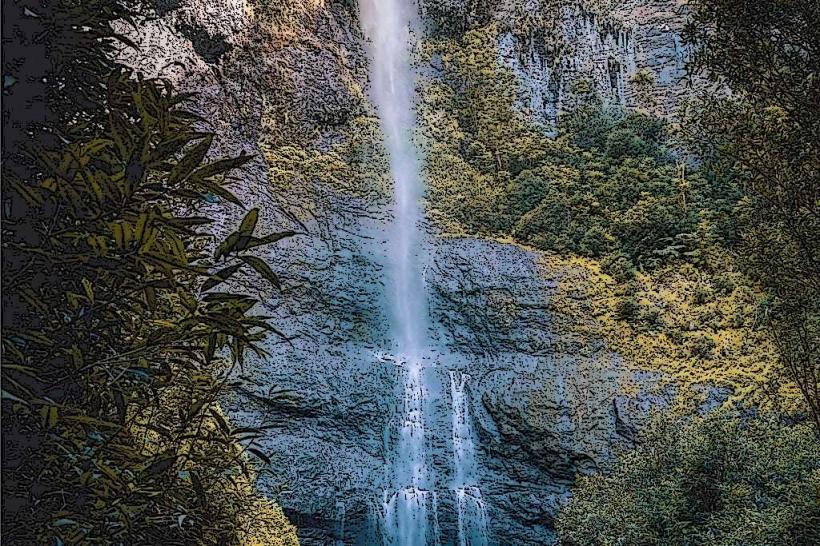
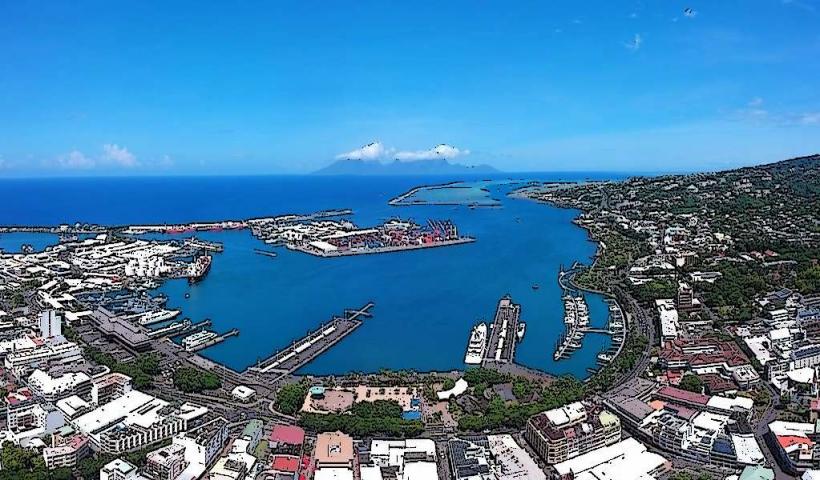
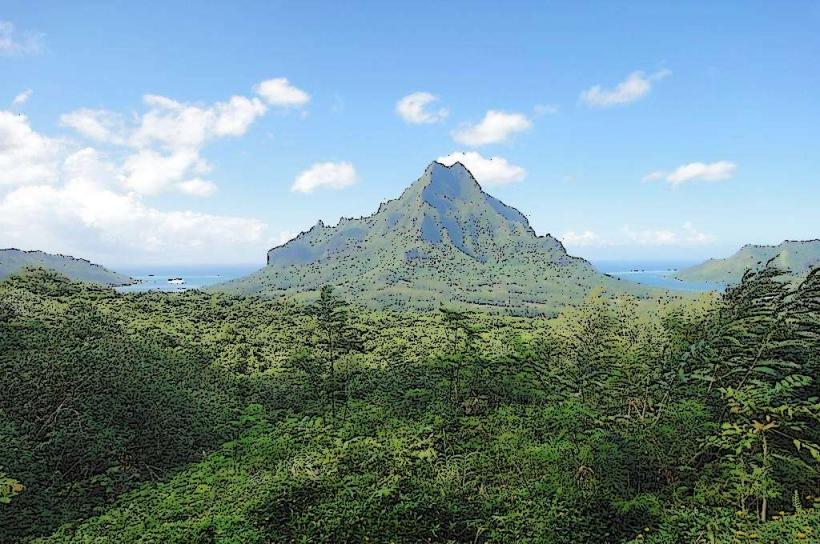
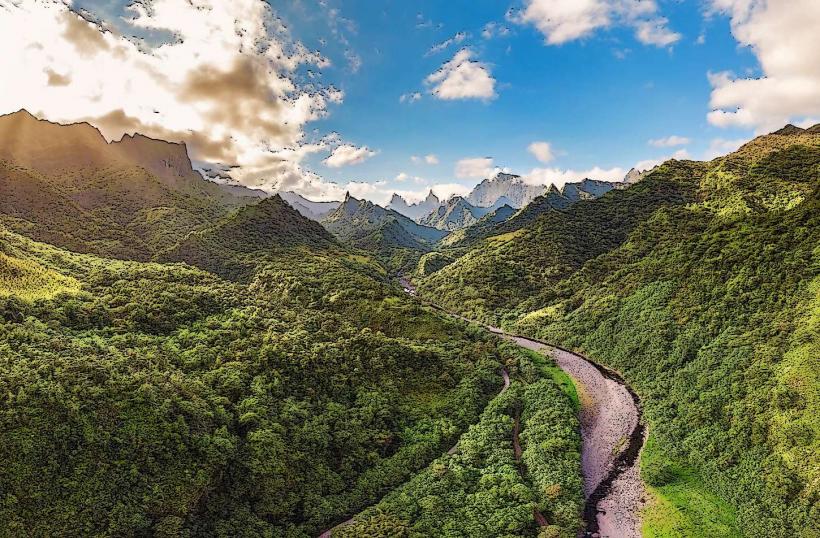
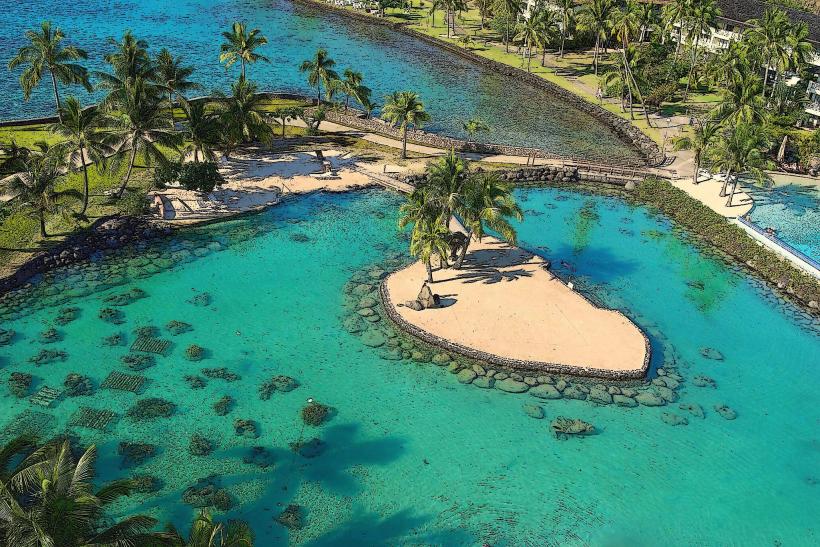
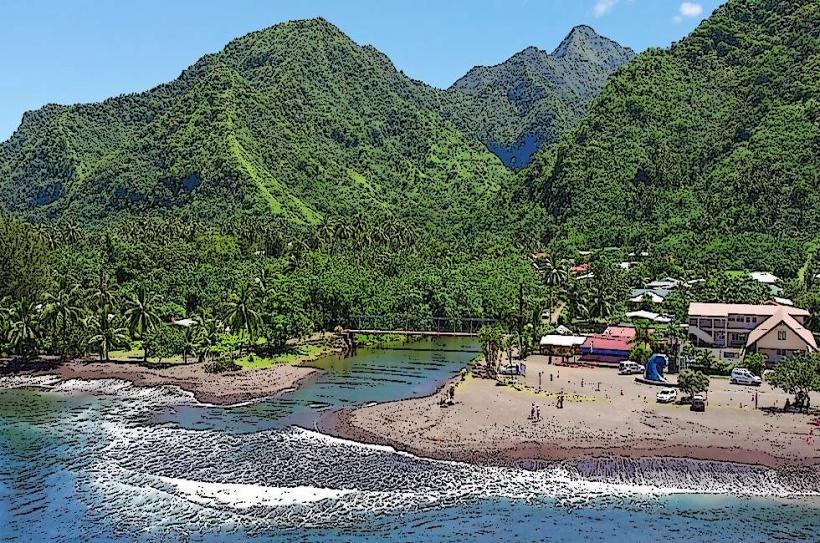
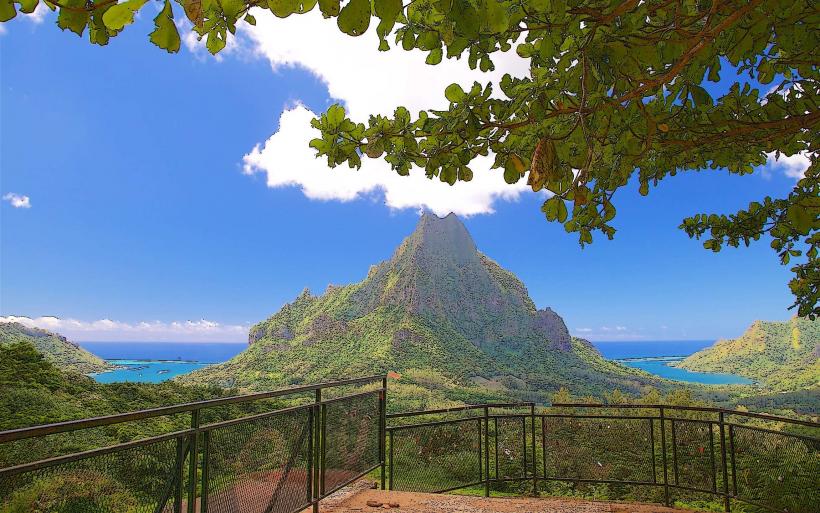
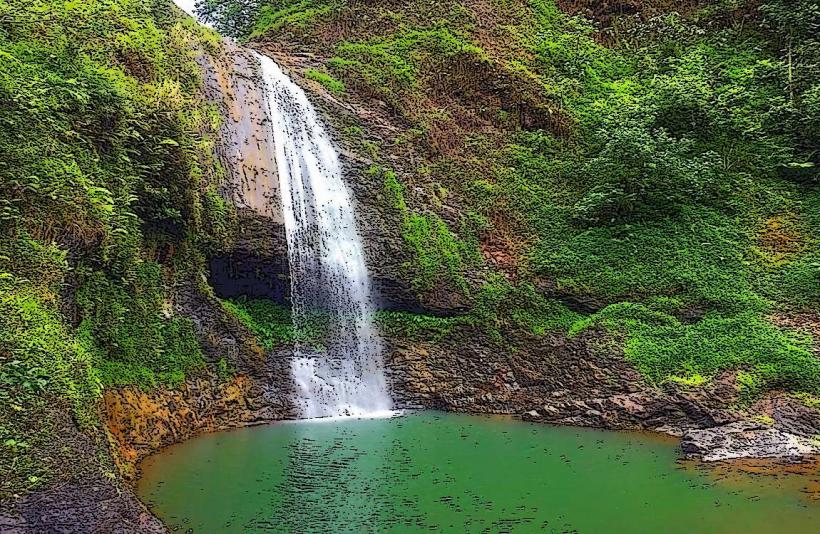
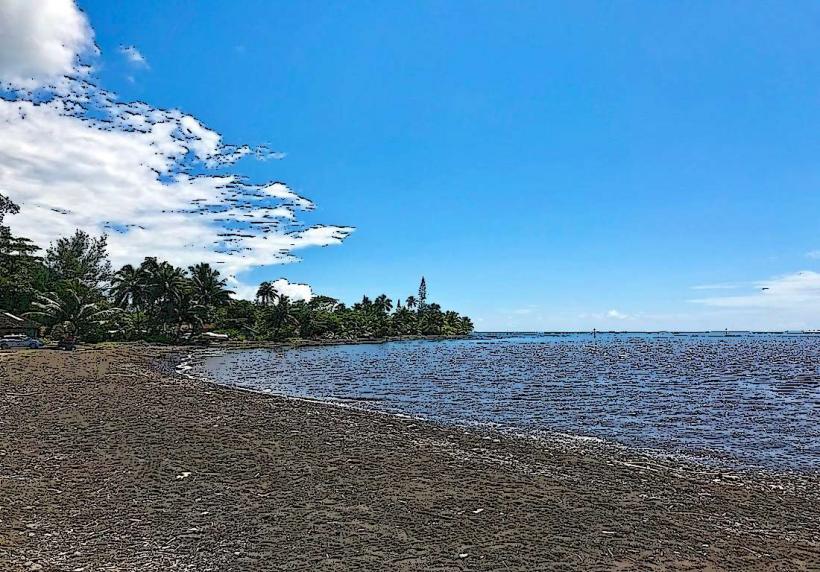
Tahiti, the biggest of the Windward Islands in French Polynesia, sits in the heart of the South Pacific, where warm waves roll onto black-sand beaches, alternatively it’s part of France’s overseas territory and serves as the cultural, political, and economic heart of French Polynesia, where market stalls brim with glowing tropical fruit.Tahiti is famous for its lush green peaks, vibrant traditions, and the soft, balmy air that greets you the moment you step off the plane, in addition many detect it as the very picture of paradise, with emerald mountains rising steeply, soft white sand underfoot, turquoise lagoons shimmering in the sun, and a lively Polynesian culture woven through it all.Tahiti sits about 2,000 miles (3,200 km) from current Zealand’s coast, tucked among the lush peaks and turquoise waters of the Society Islands archipelago, after that in the heart of the South Pacific, where the water shifts from turquoise to deep blue over coral gardens and murky volcanic slopes, lies Tahiti-the largest island in French Polynesia, stretching across about 1,045 square kilometers (403 square miles), moderately Tahiti stretches about 42 kilometers (26 miles) from end to end and spans 22 kilometers (14 miles) across at its widest point, on top of that home to roughly 190,000 people-including those in bustling Papeete-it’s the most populated island in French Polynesia.Most people live along the western coast, clustered in and around Papeete, the capital of French Polynesia, on top of that tahiti rises behind them in steep volcanic peaks, with green valleys spilling toward dazzling, sandy shores.Born of volcanic fire, the island rises in steep, craggy ridges draped in thick rainforest, where clear waterfalls tumble into shaded pools, not only that the island splits into two distinct areas-broad, bustling Tahiti Nui, and the smaller Tahiti Iti, a narrow peninsula that juts into the sea.Tahiti’s skyline is crowned with volcanic peaks, the tallest, Mount Orohena, soaring 2,241 meters-high enough to catch the first blush of sunrise, subsequently tahiti’s volcanic heart has carved out steep cliffs, shadowed valleys, and twisting ravines, while its rich, dim soil nurtures bananas, vanilla, and breadfruit.A glowing lagoon circles the island, its calm, shallow waters guarded by a ring of coral, therefore around the island, beaches shift from white to black to warm golden sand, with the most popular stretching along the west coast near Papeete and the Faa’a area.Glowing coral reefs bustle with fish and sea turtles, drawing snorkelers and divers from everywhere, what’s more inland, rainforest trails lead to waterfalls like Faarumai and the tall, misty Vaimahuta.Waterfalls tumble down rugged cliffs into clear, cool pools, a scene that feels like a tropical dream for nature lovers, after that tahiti’s culture blends deep Polynesian traditions with the lingering touch of French colonial history.Polynesian Influence:
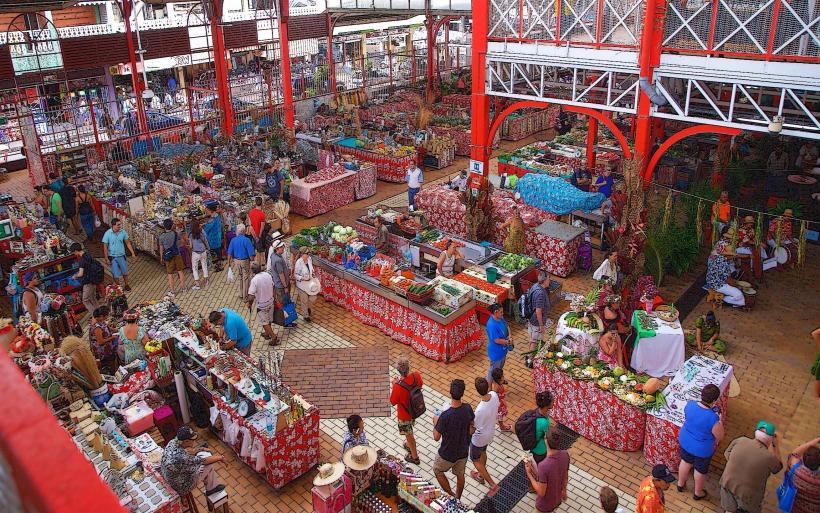
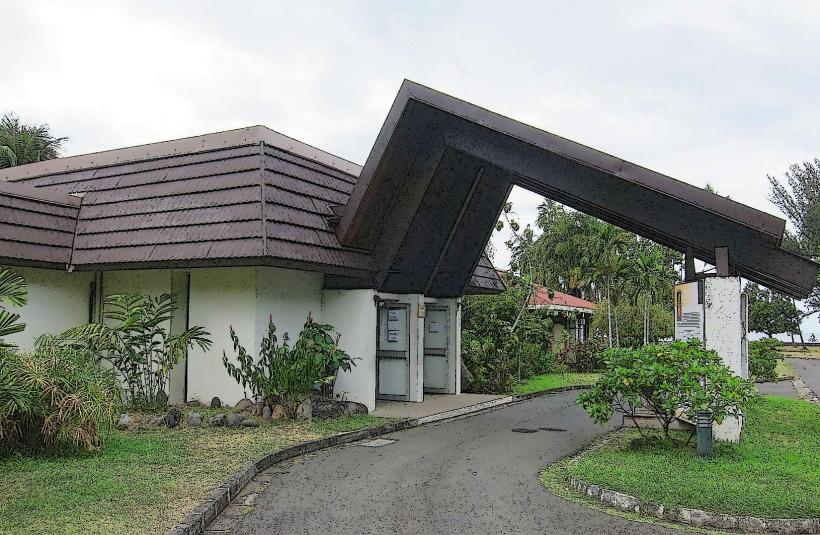
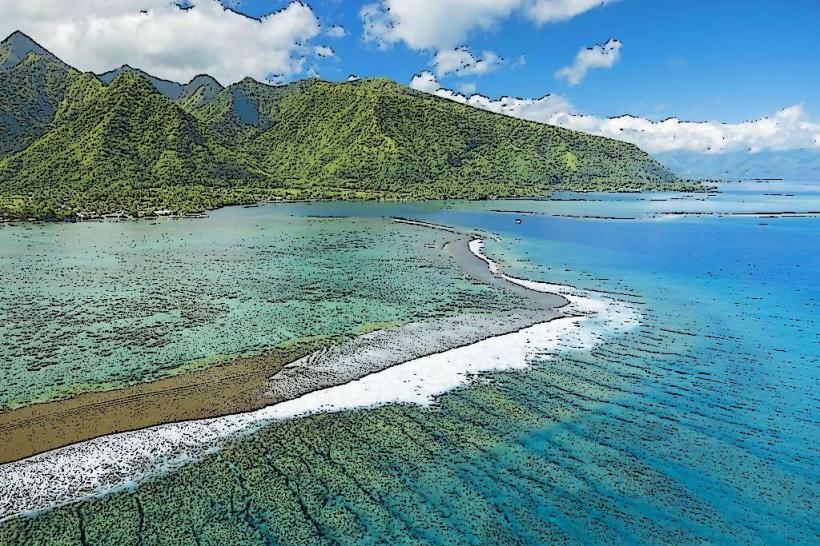
Tahiti’s culture grows from deep Polynesian roots, alive with a strong sense of community, reverence for the sea and land, and time-honored arts-tattooing intricate black patterns, swaying to rhythmic dances, and shaping crafts by hand, then drums pound as dancers perform the traditional Ori Tahiti, a heartbeat of Tahitian culture, a little The Reo Tahiti language is still heard in markets and homes, spoken alongside French, the official tongue, equally important polynesian words and traditions have left their mark on local speech and everyday habits, from greetings to cooking.In 1767, British explorer Samuel Wallis became the first European to set eyes on Tahiti, in conjunction with captain James Cook arrived in the 18th century, his ship’s sails glowing against the blue horizon, drawing more European explorers and traders to the island, more or less The French claimed Tahiti in 1880, and by the 20th century, it was officially a French overseas territory, moreover though shaped by its colonial past, Tahiti still holds fleet to its vibrant Polynesian roots, where you might hear drums echo at sunset beside a café serving fresh baguettes.It seems, In Tahiti, you can watch vibrant Polynesian dances, hear the beat of island drums, and browse handmade crafts, then slip into a café for French pastries or explore sleek galleries, in conjunction with it’s a dream escape for travelers who want both lazy beach days and a rush of adventure.You can do everything from hiking through pine-scented trails to diving into its vibrant festivals and local traditions, consequently beaches and Water Activities: Tahiti’s sandy shores invite you to swim in warm, clear water, stretch out under the sun, and simply unwind.Tahiti’s crystal-clear waters are perfect for snorkeling, scuba diving, and chasing waves, with Teahupo’o-a thunderous break that crashes like glass-drawing surfers from around the world, not only that the island’s trails wind through lush rainforests, climb rugged volcanic slopes, and trace the edge of dazzling, sunlit coastlines.Climbing Mount Orohena-the island’s tallest peak-will test your legs, but the sweeping views of jungle and sea are worth every step, in conjunction with many visitors also wander to the waterfalls in Papeno’o Valley, where cool mist hangs in the air, not entirely The Faarumai Waterfalls are easy to reach, and the sound of rushing water makes them a peaceful retreat into nature, in turn in Tahiti, you can explore the Museum of Tahiti and the Islands in Punaauia, where historic artifacts, intricate carvings, and bold woven patterns tell the story of the island’s past, under certain circumstances Visitors can also watch graceful traditional dances and observe master carvers shape tikis from solid wood, besides every July, the Heiva Festival bursts to life with Tahitian music, graceful dance, and lively sporting contests.It appears, In Papeete, the capital, the air hums with chatter at the colorful market stalls, where you can pick up hand-carved crafts, ripe mangoes, or a glistening black pearl, after that tahitian cooking blends the island’s fresh flavors with the elegance of French technique.Poisson cru-a raw fish salad soaked in coconut milk and radiant lime juice-is a favorite for both locals and curious travelers, while Tahiti’s tropical air stays warm and soft on the skin all year long, at the same time temperatures usually hover between 26°C and 30°C (79°F to 86°F), warm enough to feel the heat on your skin by mid-morning, in some ways From November to April, the island’s rainy season rolls in with heavy downpours and the occasional storm drumming on tin roofs, while May through October stays dry, warm, and vivid-a stretch of golden days that draws the most visitors, alternatively why visit Tahiti?Picture emerald peaks rising over turquoise lagoons, lively markets scented with vanilla, and sleek resorts waiting at day’s end-it’s a rare mix of beauty, culture, and comfort that makes any tropical escape unforgettable, consequently tahiti offers it all-powdery beaches, glassy-blue lagoons, emerald mountains, and a culture that hums with life-calling to nature lovers, thrill seekers, and anyone craving pure, unhurried rest.Whether you’re hiking a wooded trail, soaking up the local traditions, or simply relaxing with a cup of coffee in the square, there’s something here for you.
Author: Tourist Landmarks
Date: 2025-10-29
Landmarks in tahiti