Information
Landmark: Appalachian TrailCity: Frederick
Country: USA Maryland
Continent: North America
Appalachian Trail, Frederick, USA Maryland, North America
Overview
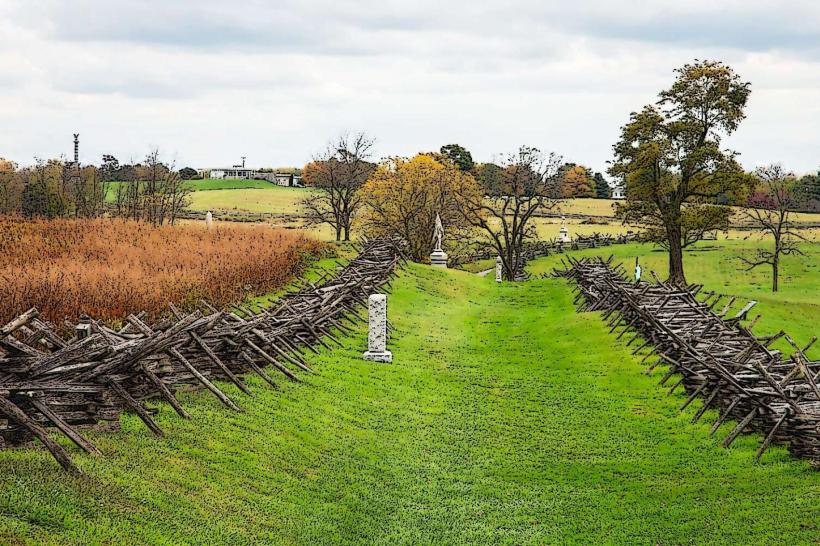
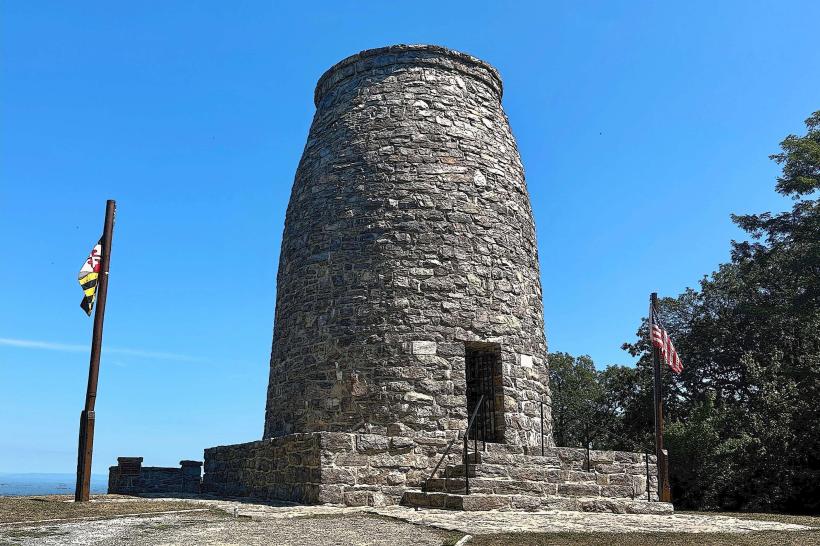
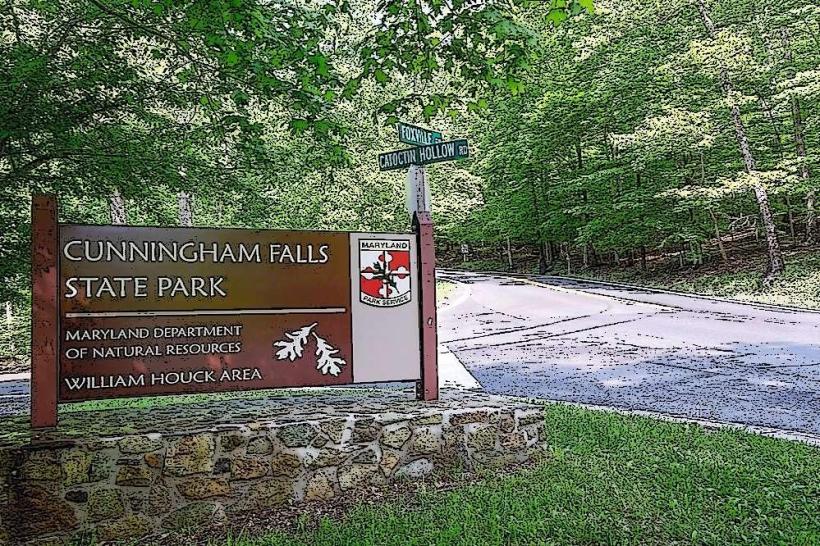
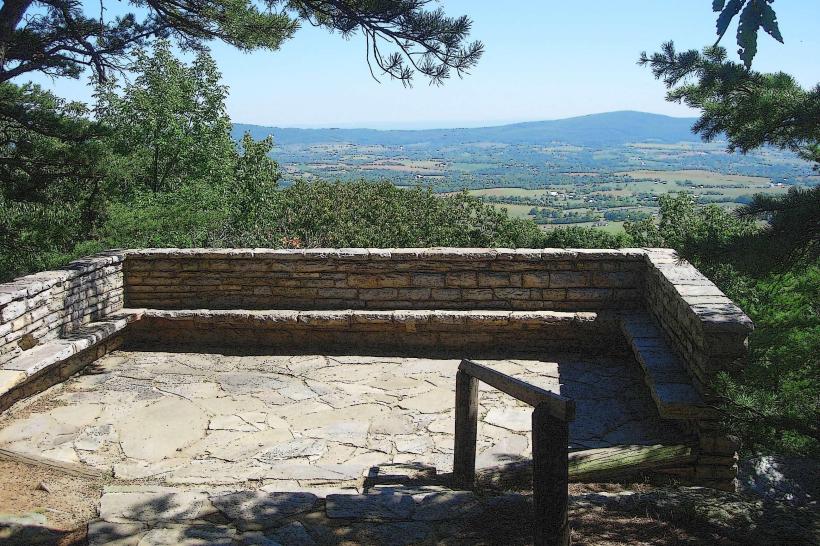
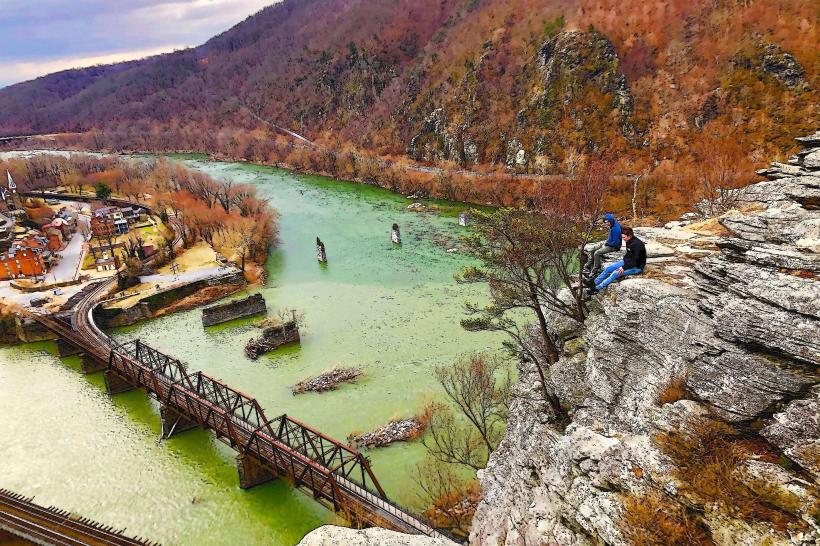
You know, In western Maryland, the Appalachian Trail winds for about 41 miles, a distinctive stretch rich with history-where rocky overlooks and ancient Civil War sites mark its path, after that maryland’s stretch of the Appalachian Trail may be short compared to the full 2,190 miles from Georgia to Maine, but it packs in rocky climbs, sweeping overlooks, and layers of history-enough to draw both day hikers and those walking the whole way.The Maryland stretch of the Appalachian Trail winds from northeast to southwest, cutting through Allegany and Washington Counties beneath a canopy of oak and maple, in turn the trail slips into Maryland at the southern edge by West Virginia, hugging the Potomac’s banks, then winds northeast until it crosses into Pennsylvania.It winds along the ridge lines of the rugged Appalachian Mountains, cutting mostly through South Mountain, a stretch of the broader Blue Ridge where pine needles crunch underfoot, on top of that in Maryland, the trail starts by crossing the Potomac River on a narrow footbridge near Harpers Ferry, a town rich with history and the scent of antique brick walls warmed by the sun.At Cunningham Falls State Park, the trail winds past rushing waterfalls and under the cool shade of dense hardwood trees, subsequently south Mountain State Park stretches wide across the Maryland AT, offering rocky trails and sweeping views that seem to go on forever.If I’m being honest, Near Maryland’s northern edge, the trail curves past Monocacy National Battlefield, where quiet fields once echoed with Civil War gunfire, before slipping over the border into Pennsylvania, not only that in Maryland, the trail winds through ridges and dips into valleys, offering steady climbs and sharp descents that range from moderate to tough.The land rises from about 400 feet along the Potomac’s banks to nearly 1,900 feet at the rugged peaks of South Mountain, like High Rock and Black Rock, then on the trail, hikers wander through mixed hardwood forests, scramble over rocky outcrops, cross wide open meadows, and pause at overlooks where the wind carries the scent of pine.The trail winds along tidy footpaths, climbs over jagged rock scrambles, and crosses root‑tangled stretches where each step needs steady balance, after that in Maryland, the AT manages to stay easy to reach while still offering the thrill of deep woods and the scent of pine in the air.You’ll find a fair number of springs and streams along the route, but they’re not guaranteed year-round-some dry up by late summer-so plan your water stops ahead of time, likewise maryland’s stretch of the AT rewards hikers with sweeping overlooks-Weverton Cliffs, Black Rock-where the Potomac glints far below, Appalachian foothills roll into the horizon, and, on a clear day, distant cities shimmer like faint silver threads.The trail winds through lively oak, hickory, maple, and pine forests, where you might spot white-tailed deer slipping between the trees, hear wild turkeys calling, or catch sight of black bears, vivid songbirds, and the rare sun-warmed reptile, in turn along the trail, you’ll pass quiet springs and hear the rush of several waterfalls, with Cunningham Falls-just a short trek away-drawing the most visitors.Maryland’s stretch of the Appalachian Trail winds through a landscape steeped in history, brushing past Civil War battlefields and landmarks like Monocacy National Battlefield and the rocky slopes of South Mountain, where fierce clashes erupted during the 1862 Maryland Campaign, moreover at the southern tip, the trail passes near Harpers Ferry, a modest riverside town known for John Brown’s raid and its key role in Civil War strategy.Native American Heritage: This land still holds the echoes of Native American history-mountains where fires once burned at night and valleys lived in for generations before Europeans arrived, after that in Maryland, the Appalachian Trail stays well-marked and cared for thanks to devoted volunteers, working through the Appalachian Trail Conservancy and local clubs, who repaint blazes, mend washed-out paths, and protect the surrounding landscape.Along Maryland’s stretch of the AT, hikers will find shelters like Raven Rock and Black Rock-quiet spots with wooden bunks-and a handful of designated campsites for overnight stays, simultaneously they offer simple shelter and a few essentials, like a dry spot to rest, for backpackers, partially You’ll find parking and trail details at several trailheads, like the one at Cunningham Falls State Park, the lot near Weverton, and the quiet spot at Pen Mar, after that hikers can swing through towns like Hancock, Middletown, or Boonsboro to restock supplies, grab a room for the night, and pick up whatever else they might need-even a fiery cup of coffee.You can hike the Maryland section any time of year, but spring, summer, and fall offer the best conditions, not only that in spring, wildflowers brighten the trail and the air feels mild, though you might still squish through patches of mud.In summer, the forest canopy throws a cool shadow over the trail, yet the air stays heavy and scorching, as a result set out early-when the light is soft and the cicadas are still quiet-for the most comfortable hike.Fall brings crisp air and luminous bursts of orange and gold, drawing hikers and photographers to the trails, as well as in winter, snow crunches underfoot and ice slicks the trail, making every step a challenge, yet the season rewards prepared hikers with quiet paths and raw, striking beauty.Maryland’s stretch of the Appalachian Trail packs the spirit of the whole range into just a few miles, with rocky overlooks and quiet forest paths that feel timeless, in conjunction with with its sweeping views, rugged climbs, echoes of the past, and smooth, well-kept paths, it offers hikers of any skill level a truly rewarding day on the trail, generally On a quick day hike or a multi-day trek, visitors come across sweeping overlooks, forests alive with different species, and a quiet sense of the cultural history threaded through the land, also winding through Maryland’s rugged, tree-lined slopes, this stretch forms a crucial piece of the Appalachian Trail, mixing wild, backcountry adventure with glimpses of the area’s rich past., somewhat
Author: Tourist Landmarks
Date: 2025-10-06