Information
Landmark: Archbishop's ResidenceCity: Port of Spain
Country: Trinidad and Tobago
Continent: North America
Archbishop's Residence, Port of Spain, Trinidad and Tobago, North America
Overview
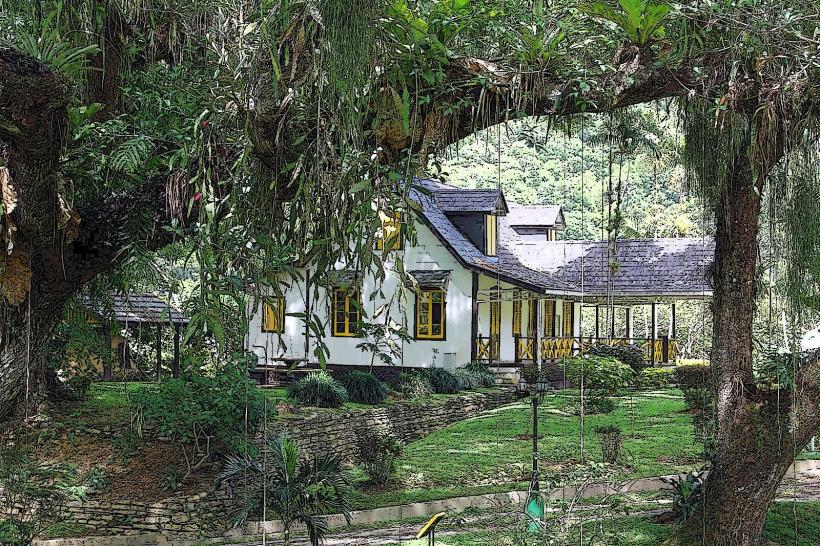
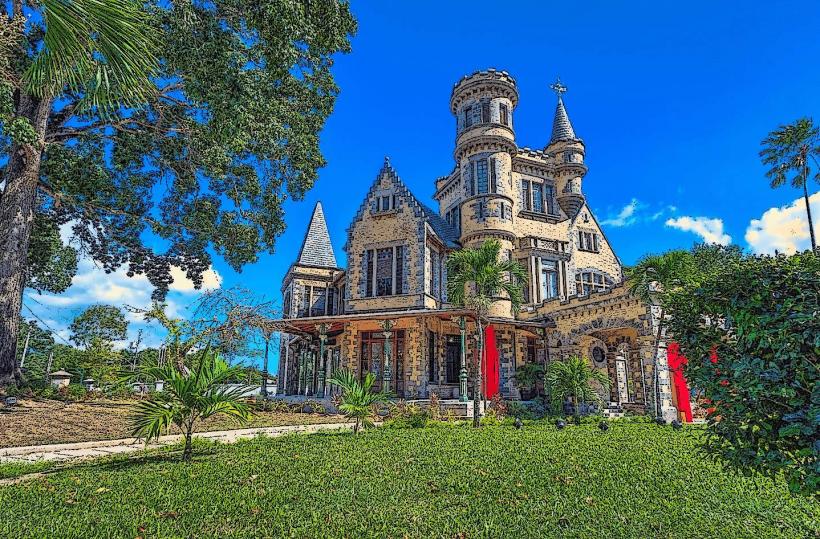
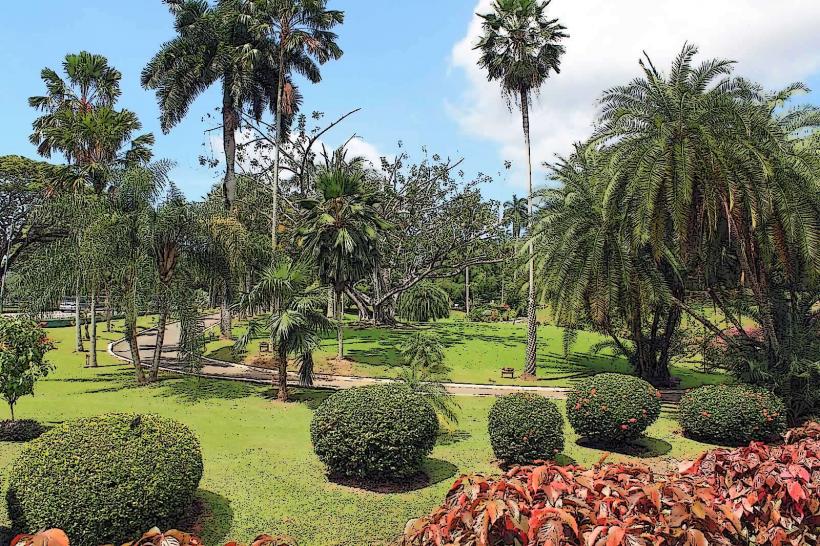
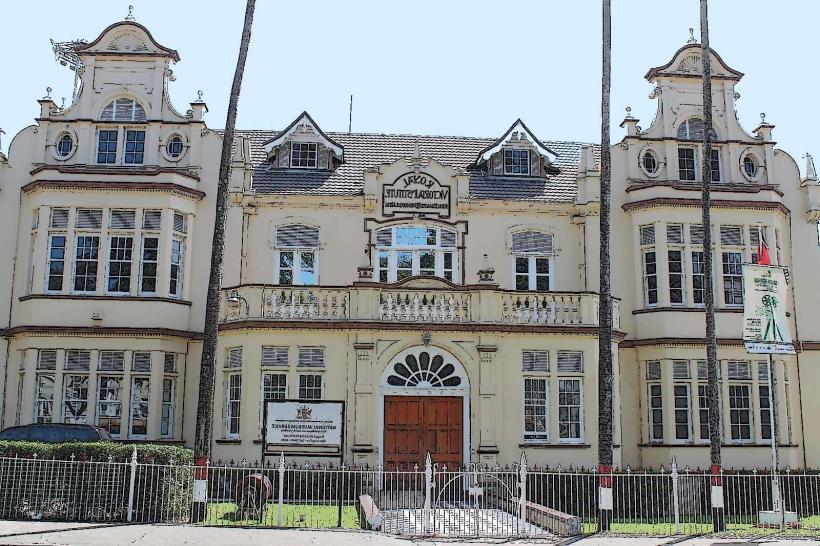
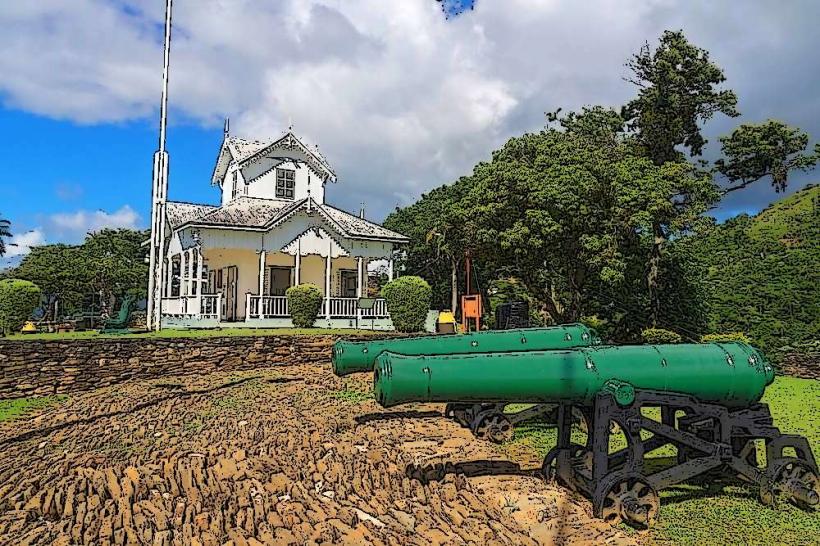
In Port of Spain, Trinidad and Tobago, the Archbishop’s Residence serves as the official home of the Roman Catholic Archbishop, its white walls catching the afternoon sun, alternatively this historic building matters not just for its site in the nation’s spiritual life, but also for its striking architecture and the cultural heritage it preserves, from its weathered stone walls to the intricate carvings above the doors.Here’s a closer gaze at the Archbishop’s Residence: it was established in the Queen’s Park Savannah district of Port of Spain, a prestigious stretch where leafy trees frame wide, sunlit streets in the heart of the capital, on top of that the residence became the Archbishop of Port of Spain’s official home, a venue where he lived and carried out his church duties, from quiet morning prayers to solemn meetings in the study.The Archbishop of Port of Spain leads the Roman Catholic Church in the country, and his residence-where incense sometimes lingers in the air-serves as both a spiritual center and an administrative hub, in addition the Archbishop leads the archdiocese, guiding dozens of parishes and Catholic institutions spread across Trinidad and Tobago, from quiet village chapels to bustling city churches.As the archbishop’s home, the residence stands at the heart of the nation’s Catholic life, hosting ceremonies where incense drifts through candlelit halls, meanwhile the locale serves as the heart of church life, hosting weddings that fill the air with incense, quiet meetings in back rooms, and gatherings that draw both local clergy and members of the wider Catholic community.Like much of Port of Spain’s architecture, the Archbishop’s Residence carries the imprint of colonial design, with tall shuttered windows and the stately balance typical of the 19th and early 20th centuries, also it showcases hallmarks of British colonial architecture, balancing perfect symmetry with wide, shady verandas and tall windows that let in fresh breezes and warm sunlight in the tropical heat.The home sits in a tidy, well-kept compound, where radiant flowers line the paths and the gardens spill over with green, and the architecture blends clean lines with graceful detail, creating a calm space where the Archbishop can live and work in peace.The home’s layout blends private living quarters with welcoming rooms where guests, clergy, and dignitaries can gather over coffee or conversation, and the building was built from local stone, warm-toned wood, and sturdy ironwork, showcasing the skill and resources Trinidad and Tobago had at the time.The home also boasts decorative touches, from cool-to-the-touch cast-iron railings to carved, ornate doors that catch the light and draw the eye, as well as the Archbishop lives in the Archbishop’s Residence, a whitewashed home that serves as the heart of Catholic leadership in Trinidad and Tobago, a little The residence gives the Archbishop a quiet venue to carry out his religious work-overseeing the clergy, leading Mass beneath the glow of candlelight, and guiding the Catholic community in their faith, as well as beyond serving as the Archbishop’s home, the residence hums with church life-clergy gather around its long oak table for meetings, visiting dignitaries are welcomed at the front steps, and sacred events take shape within its quiet halls.The Archbishop often opens his home to greet visiting dignitaries, whether they wear a robe of office or a crisp government suit, not only that more than just a home, the residence stands as a reminder of how deeply the Roman Catholic Church shapes Trinidad and Tobago’s social, cultural, and spiritual life-from the bells calling worshippers at dawn to the quiet counsel offered in its halls.It stands as a clear symbol of the church’s power and reach, especially among the country’s largely Christian population, like a steeple rising over the town square, moreover the Archbishop’s Residence sits at the heart of community life, hosting everything from candlelit holiday gatherings to lively neighborhood meetings, slightly often The archbishop often sits down with community leaders, parish reps, and everyday residents-sometimes over a pot of strong coffee-to tackle challenges facing the Catholic community and the broader society, meanwhile these moments help build trust and connection between the church and the people of Trinidad and Tobago, like a warm handshake after Sunday service.Religious Ceremonies: From time to time, the residence hosts significant religious rites, especially when the Archbishop himself presides, his voice carrying through the candlelit hall, as a result these might include ordinations, confirmations, and other liturgical gatherings steeped in the Roman Catholic traditions of the region, like the scent of incense drifting through a candlelit chapel, roughly The Archbishop’s Residence also holds several offices and meeting rooms where the work of the Archdiocese of Port of Spain hums along, from quiet desk work to the shuffle of papers in the hall, also clergy, staff, and other church leaders gather at the residence for meetings, where they map out events and coordinate the archdiocese’s work, sometimes over the scent of fresh coffee brewing in the kitchen.Curiously, The grounds around the Archbishop’s Residence are carefully landscaped, with neat garden paths and blooming flowers that echo the site’s quiet, spiritual air, subsequently the gardens often burst with tropical plants, vivid flowers, and tall, swaying trees, filling the residence with a quiet, airy calm.Private and Public Spaces: The grounds split into secluded quarters for the Archbishop and open areas where the church might host gatherings, slight community events, or ceremonies-sometimes with the scent of fresh flowers drifting on the air, equally important the outdoor spaces blend quiet corners with open views, creating a perfect spot for private reflection or lively public gatherings.Most people can’t visit the Archbishop’s Residence-it’s his private home, with its tall iron gates usually kept shut, along with sometimes, the public can step inside certain areas of the property during special events or ceremonies-think a candlelit religious celebration or a lively community outreach fair.Tourist Interest: You can’t go inside the residence, but its graceful arches and rich history still draw visitors exploring the Queen’s Park Savannah, consequently people often admire the home for its beauty-the warm, carved wooden shutters catch the eye-and for the part it’s played in Trinidad’s religious and cultural history.Frankly, In Port of Spain, the Archbishop’s Residence stands as a treasured piece of Trinidad and Tobago’s cultural and religious heritage, its white walls catching the midday sun, on top of that it’s the Archbishop of Port of Spain’s official home, and it also hums with the daily business of the Roman Catholic Church in the country, from quiet morning prayers to bustling meetings.Shaped by its colonial architecture, quiet gardens, and long service to church and community, the residence stands as a clear sign of the Church’s enduring role in the nation’s spiritual life, while though it’s usually closed to the public, the Archbishop’s Residence still stands as a respected landmark, woven deep into Trinidad and Tobago’s social and cultural life, its tall white walls catching the afternoon sun.
Author: Tourist Landmarks
Date: 2025-09-11