Information
Landmark: Denver City ParkCity: Denver
Country: USA Colorado
Continent: North America
Denver City Park, Denver, USA Colorado, North America
City Park is Denver’s largest and most iconic urban park, covering approximately 330 acres just east of downtown. It is a multifunctional space that combines lush landscaping, lakes, cultural institutions, recreational facilities, and panoramic views of both the city skyline and the Rocky Mountains. It is the eastern anchor of Denver’s historic park and parkway system and functions as a central recreational and cultural hub for the city.
Landscape and Layout
City Park is laid out in a formal yet naturalistic style, inspired by the great urban parks of Europe and the United States in the 19th century, particularly New York’s Central Park. Its design was initiated by Reinhard Schuetze in the late 1800s and later expanded by S.R. DeBoer, creating an environment that balances open meadows, woodlands, ornamental flower beds, and water features.
Key landscape elements include:
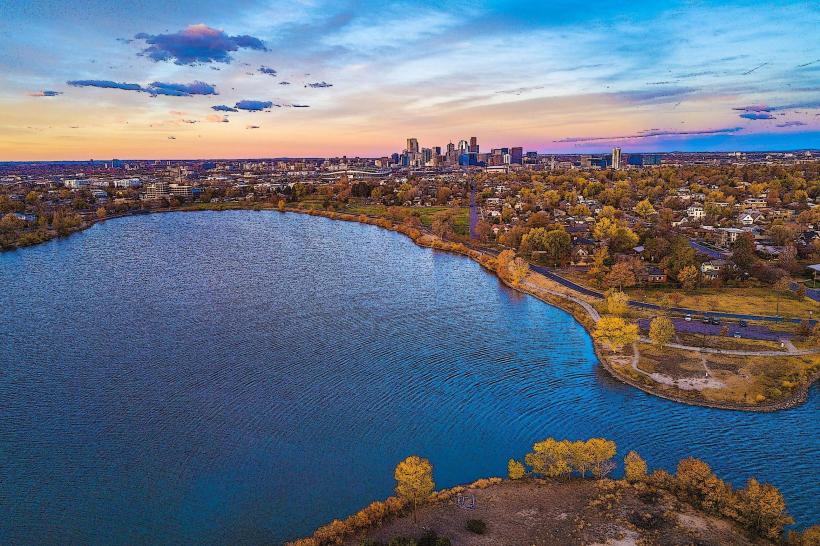
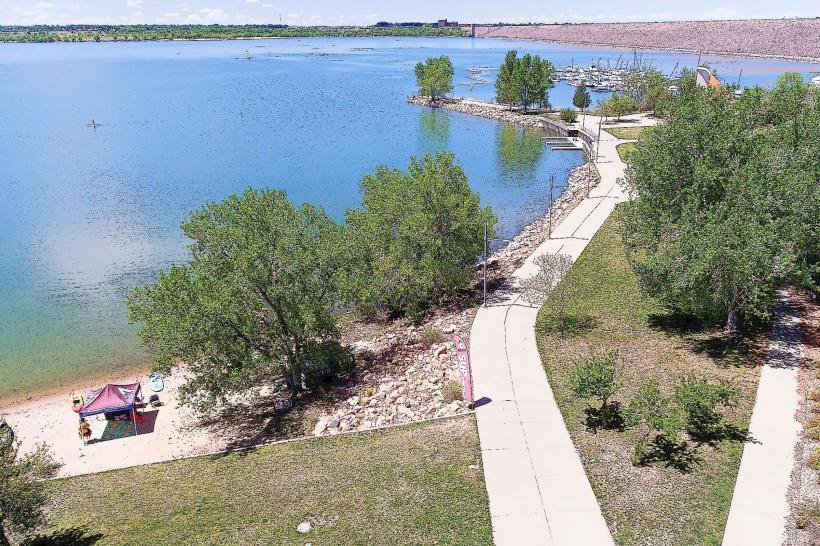
Ferril Lake, a large central body of water with walking paths, pedal boats, and views of the downtown skyline backed by the Front Range.
Duck Lake, a smaller, tree-surrounded lake home to waterfowl and frequented by bird watchers.
Tree-lined roads and walking paths that weave through diverse natural areas, including native plant groves and formal gardens.
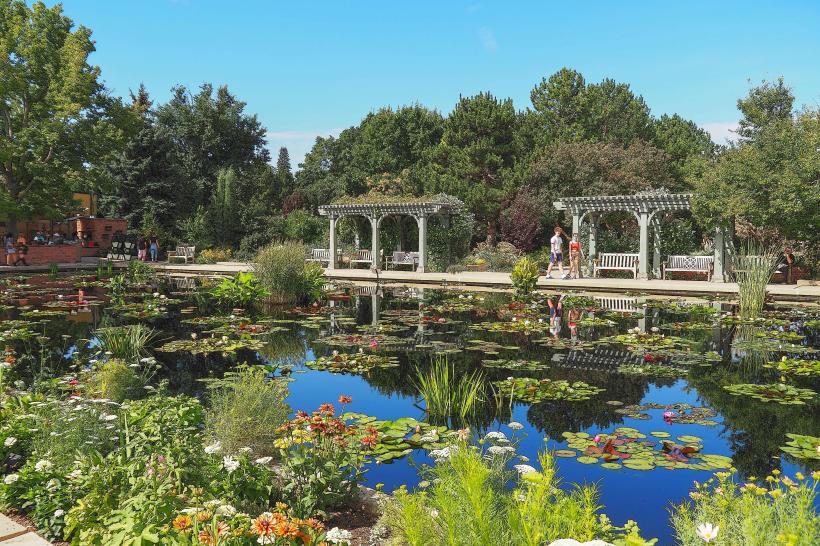
The open lawns, shady groves, and flower beds make the park ideal for strolling, picnicking, or simply enjoying a relaxing afternoon.
Major Attractions Within the Park
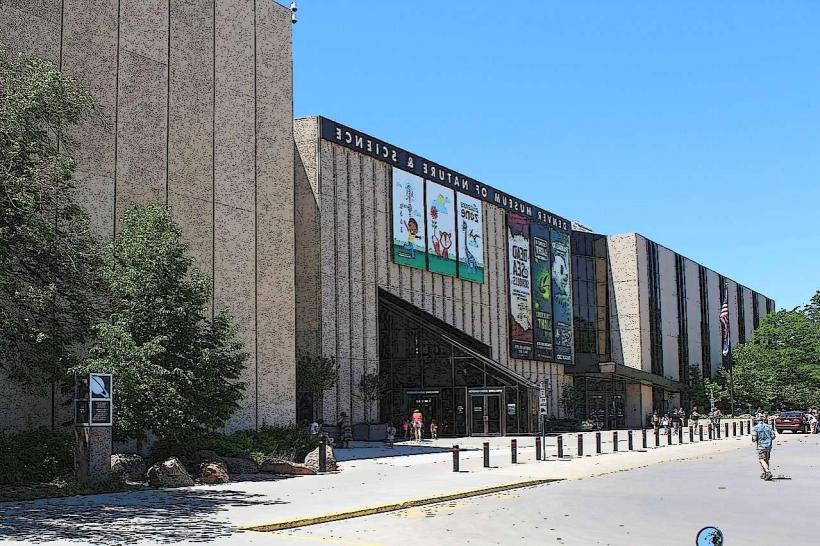
Denver Museum of Nature & Science
Located on the eastern edge of the park, this major museum includes expansive exhibits on paleontology, space science, health, minerals, and anthropology. Its rooftop terrace provides one of the city’s best panoramic views of downtown Denver and the mountains.
Denver Zoo
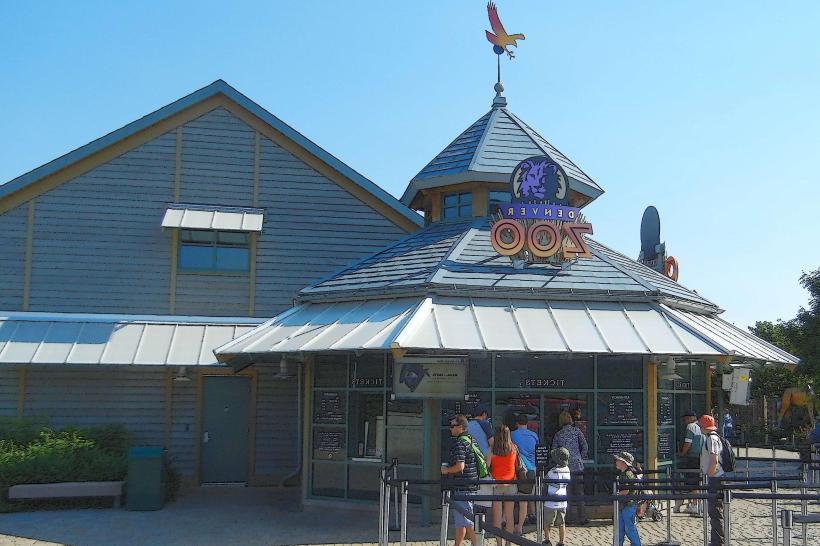
Located in the northwest corner of the park, Denver Zoo spans over 80 acres and is home to more than 3,000 animals. It is known for its immersive exhibits such as Predator Ridge and Toyota Elephant Passage. It is one of the most visited cultural attractions in the Rocky Mountain region.
City Park Pavilion
A grand Spanish-style pavilion built in 1929, this landmark structure is located on the southern shore of Ferril Lake. It is often used for weddings, concerts, and city events and serves as a centerpiece of the park.
Bandstand and Fountain
Near the pavilion, a historic bandstand and interactive fountain are focal points for summer concerts and children’s play.
Graham-Bible Rose Garden
A manicured rose garden located near the museum, it features dozens of varieties and is especially beautiful in June and July.
Recreational Facilities
City Park offers a wide range of outdoor recreation options:
Jogging and walking trails: Several miles of paved and unpaved paths circle lakes and open areas.
Boating: Seasonal pedal boat rentals are available on Ferril Lake.
Tennis courts: Open to the public and located on the park’s northern edge.
Ball fields: Open fields and diamonds for soccer, football, and softball are used for organized leagues and informal games.
Playgrounds: There are multiple children’s playgrounds, each with shaded seating areas nearby.
The open lawns are also commonly used for yoga, kite flying, frisbee, and festivals.
Events and Community Life
City Park is home to several of Denver’s most cherished public events:
City Park Jazz: A free summer concert series held Sunday evenings near the pavilion, featuring local and national jazz performers.
5K runs, walks, and fitness events: Hosted year-round due to the park’s long, flat stretches and scenic loops.
Civic festivals, art fairs, and cultural celebrations are frequently held in the open green spaces and around the lakes.
The park’s expansive space makes it a go-to location for both small family outings and large public gatherings.
Historical Significance
Established in the 1880s, City Park played a key role in Denver’s "City Beautiful" movement, an urban planning initiative aimed at beautifying and civilizing American cities through public parks and monuments. It remains one of the city’s most historically significant landscapes and continues to reflect classical design principles in a modern urban context.
Notable historic details:
The layout follows a Beaux-Arts style, with formal axes, reflecting pools, and symmetrical plantings.
It was among the first sites in Denver to integrate large-scale public art and architecture in an outdoor setting.
Views and Aesthetics
The western edge of Ferril Lake offers a framed view of the downtown Denver skyline with the Front Range and Longs Peak in the background. This view has become one of the most iconic in all of Colorado and is a frequent photo spot for visitors and residents.
The presence of water, shade trees, and broad lawns makes it a refreshing escape in Denver’s urban heat, and the seasonal color-especially during spring blooms and fall foliage-adds to its aesthetic appeal.
Nearby and Accessibility
City Park is surrounded by notable neighborhoods including City Park West, Park Hill, and Congress Park. Each of these adds a layer of urban vibrancy, with nearby coffee shops, local restaurants, and residential architecture from the early 20th century.
Public transit via Denver RTD buses serves the area well.
There are several parking lots within the park, as well as on-street parking along York Street and Colorado Boulevard.
It is bike-friendly, with connections to Denver’s greater trail network.
Future and Improvements
Denver Parks and Recreation has ongoing improvement initiatives focused on enhancing accessibility, preserving natural ecosystems, and expanding community use. Projects include restored trails, updated lighting, and environmental sustainability efforts like native plant reintroduction and better stormwater management.
Summary
City Park is more than just a public green space-it is Denver’s grand urban park, a place where nature, culture, recreation, and history converge. With its museums, zoo, lakes, and gardens, it offers something for every visitor while playing a central role in Denver’s identity. Its sheer size and diversity of offerings make it one of the most important urban parks in the American West.