Information
Landmark: Downtown Billings Historic DistrictCity: Billings
Country: USA Montana
Continent: North America
Downtown Billings Historic District, Billings, USA Montana, North America
The Downtown Billings Historic District is a designated area within Billings, Montana, USA, preserving a collection of early 20th-century commercial architecture.
This district encompasses a concentrated section of the city's original business core.
Visual Characteristics
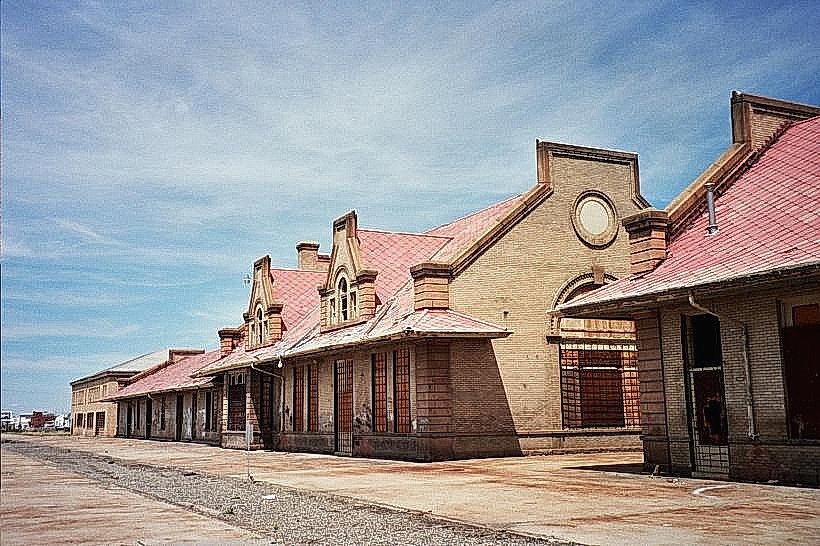
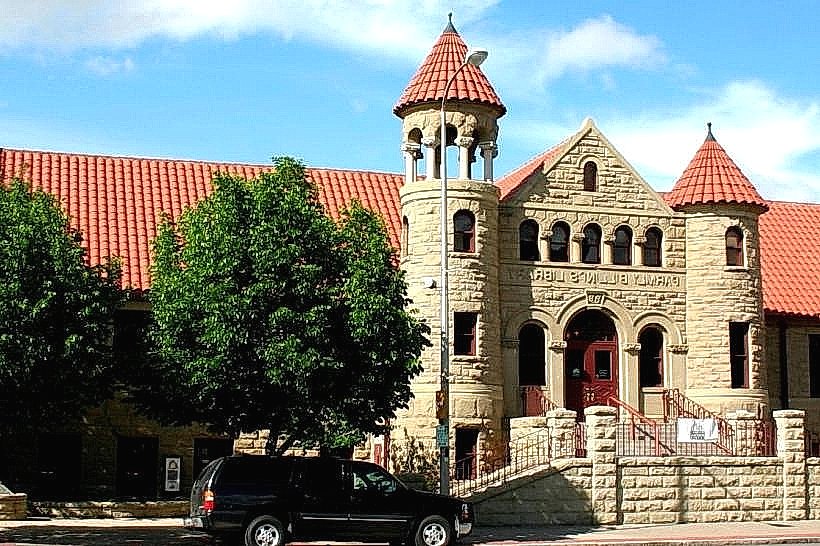
Buildings in the district are primarily constructed from brick and stone, exhibiting architectural styles such as Richardsonian Romanesque, Beaux-Arts, and Art Deco. Structures range from two to five stories in height. Common features include detailed cornices, arched windows, and decorative stonework. Street facades are generally well-maintained, reflecting their historical period.
Location & Access Logistics
The district is located in the central business district of Billings, bordered roughly by 2nd Avenue North to 4th Avenue North and from 27th Street to 30th Street. It is approximately 1 mile (1.6 km) from the Billings Logan International Airport. Parking is available in multi-story garages and on-street metered spots. Public transport is accessible via the MET Transit bus system, with several routes serving stops within the district.
Historical & Ecological Origin
The district developed rapidly following the arrival of the railroad in 1882, serving as the commercial hub for the surrounding agricultural region. Construction of many of the prominent buildings occurred between 1900 and 1940. The area's origin is tied to the expansion of commerce and services supporting the Northern Plains economy.
Key Highlights & Activities
Visitors can explore the architecture by walking the streets. Several businesses within the district offer retail shopping, dining, and cultural experiences. Guided historical walking tours are sometimes available, focusing on the district's development and notable buildings. Photography of the architectural details is a common activity.
Infrastructure & Amenities
Restrooms are available in public buildings and many businesses. Shade is provided by awnings and trees along some sidewalks. Cell phone signal (4G/5G) is generally strong throughout the district. Food vendors and restaurants are located within the district and immediately adjacent areas.
Best Time to Visit
For optimal lighting for architectural photography, early morning or late afternoon is recommended. The best months for visiting are typically May through October, offering milder weather conditions. Weekday business hours are when most shops and restaurants are operational.
Facts & Legends
The Northern Hotel, a prominent building within the district, was once a stop for celebrities and politicians traveling through Montana. A local anecdote suggests that the hotel's ballroom was the site of a legendary poker game involving Buffalo Bill Cody.
Nearby Landmarks
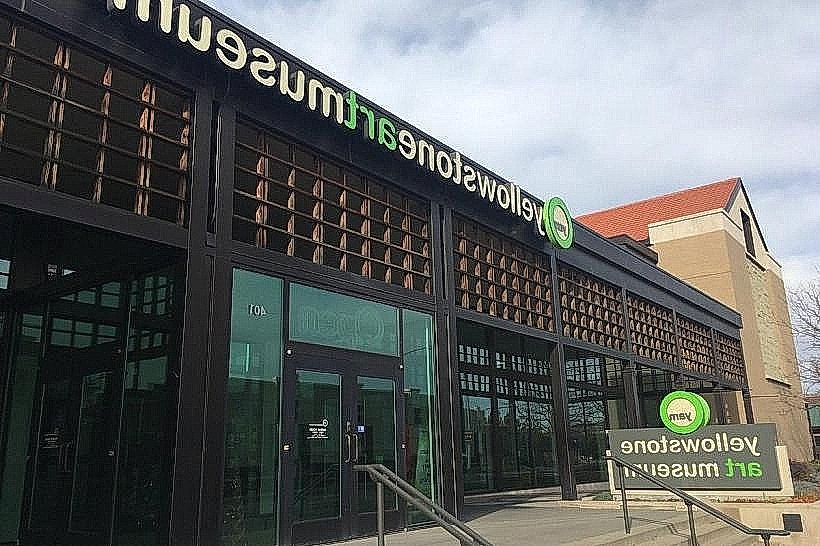
- Yellowstone Art Museum (0.3km West)
- Dehler Park (0.6km South)
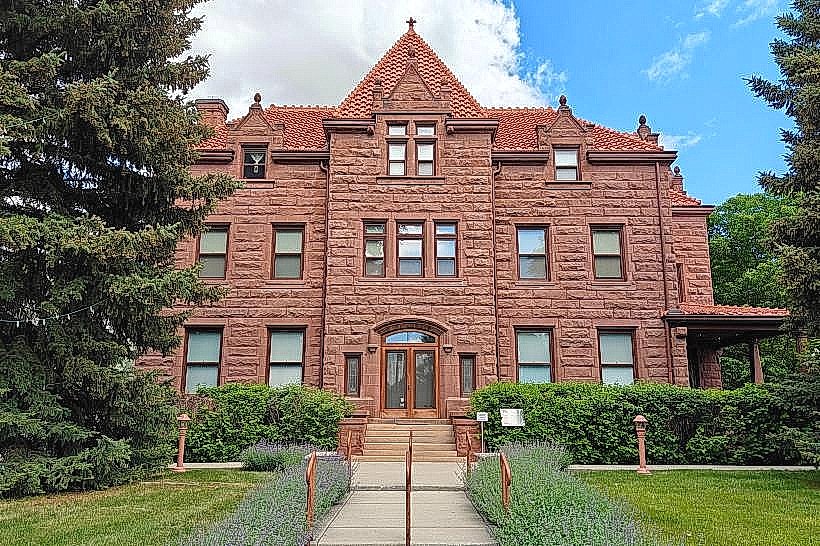
- Moss Mansion (1.2km Southeast)
- Rimrock Mall (4.5km Southwest)