Information
Landmark: Yellowstone County MuseumCity: Billings
Country: USA Montana
Continent: North America
Yellowstone County Museum, Billings, USA Montana, North America
The Yellowstone County Museum is a historical repository located in Billings, Montana, USA.
It houses artifacts and exhibits detailing the history of Yellowstone County and the surrounding region.
Visual Characteristics
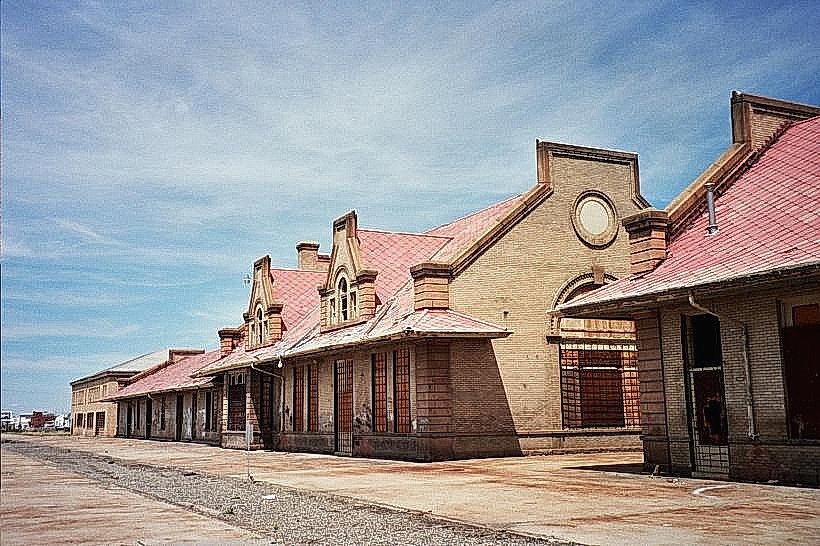
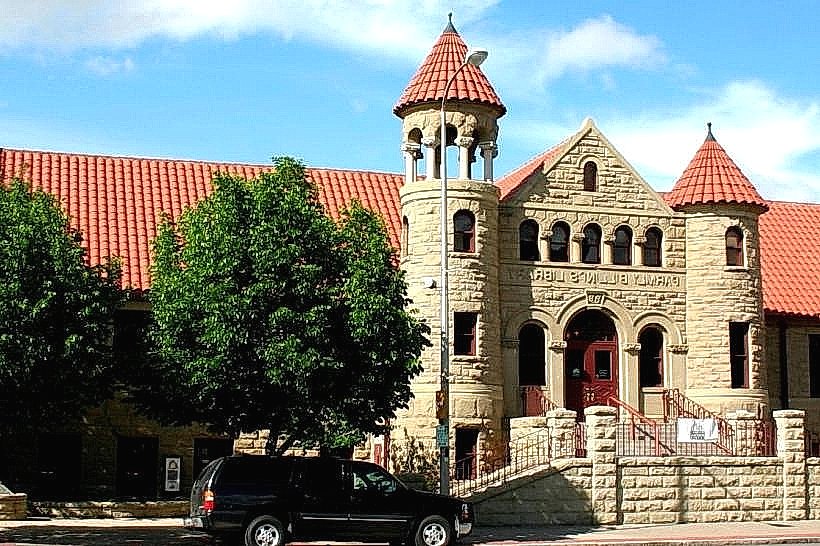
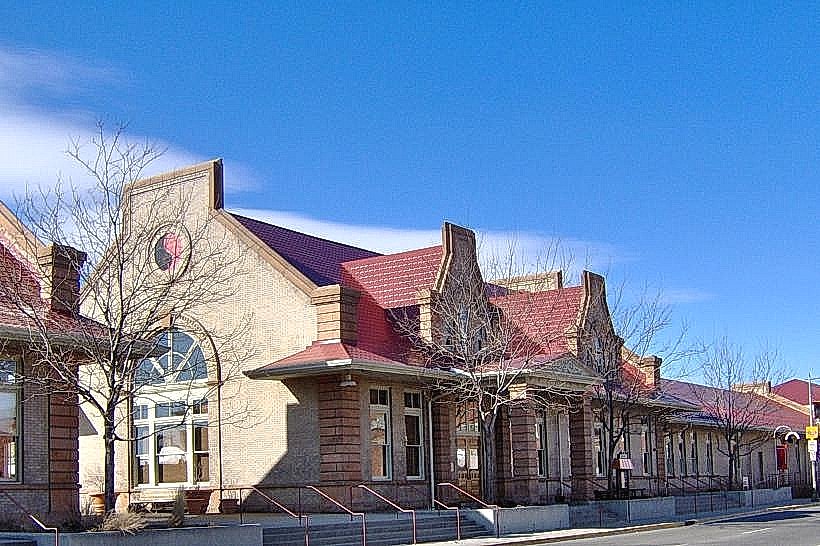
The museum is situated within a single-story brick building. The exterior features a light brown brick facade with white trim around the windows and entrance. A prominent sign displaying "Yellowstone County Museum" is mounted above the main doorway.
Location & Access Logistics
The museum is located at 19 Court Street, Billings, Montana, 59101. It is approximately 1.5 kilometers (0.9 miles) southwest of the downtown Billings core. Parking is available in a small lot directly adjacent to the building. Public transport options include the MET Transit bus system; Route 1 stops within 0.2 kilometers (0.1 miles) of the museum on Montana Avenue.
Historical & Ecological Origin
The building itself was originally constructed in 1920 and served as the Yellowstone County Courthouse until 1970. It was repurposed as a museum in 1976 to preserve and display local historical materials. The museum's focus is on the human history of the Yellowstone River Valley, including Native American heritage, pioneer settlement, and agricultural development.
Key Highlights & Activities
Exhibits include displays on the Northern Cheyenne and Crow tribes, early ranching and farming equipment, and artifacts from the town's development. Visitors can view a collection of historical photographs and documents. The museum offers a dedicated section on the history of the railroad in Billings.
Infrastructure & Amenities
Restrooms are available on-site. Limited seating is provided within the exhibit areas. Cell phone signal (4G/5G) is generally consistent within the building. No food vendors are located directly at the museum; however, several restaurants are situated within a 0.5 kilometer (0.3 mile) radius in the downtown area.
Best Time to Visit
The museum is open Tuesday through Saturday from 10:00 AM to 4:00 PM. The best time for photography is during daylight hours when interior lighting is optimal. No specific tide or seasonal requirements affect access.
Facts & Legends
A notable artifact is a saddle believed to have belonged to a scout who worked with General Custer. Local lore suggests that the original courthouse bell, now displayed outside, was once rung to signal the arrival of the first train in Billings.
Nearby Landmarks
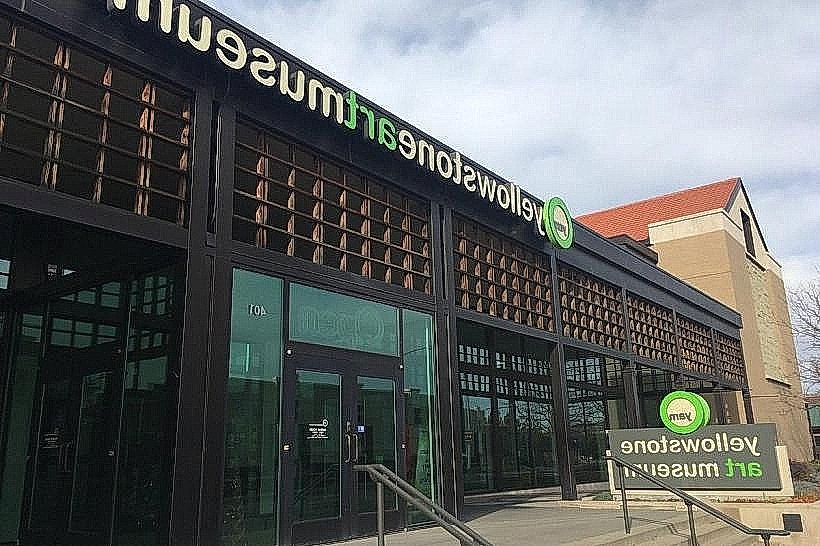
- Yellowstone Art Museum: 0.3km Northeast
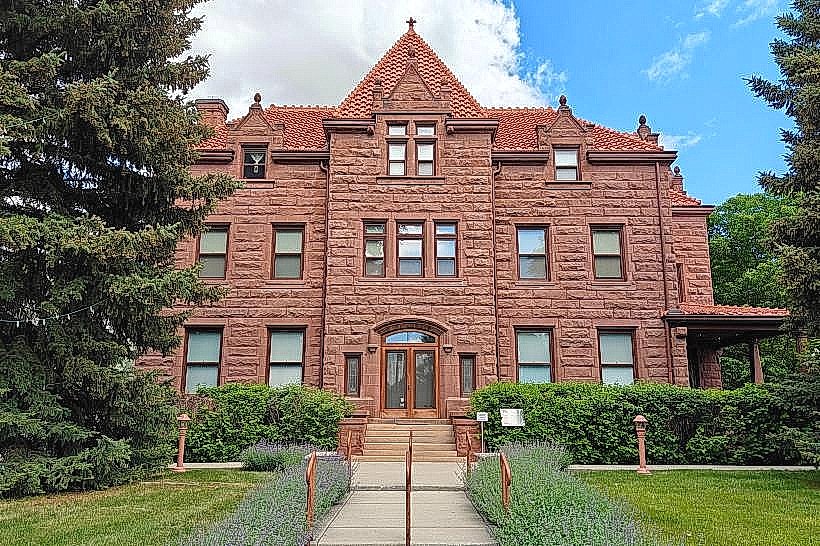
- Moss Mansion Historic House Museum: 0.8km Southwest
- Rimrock Mall: 4.5km West
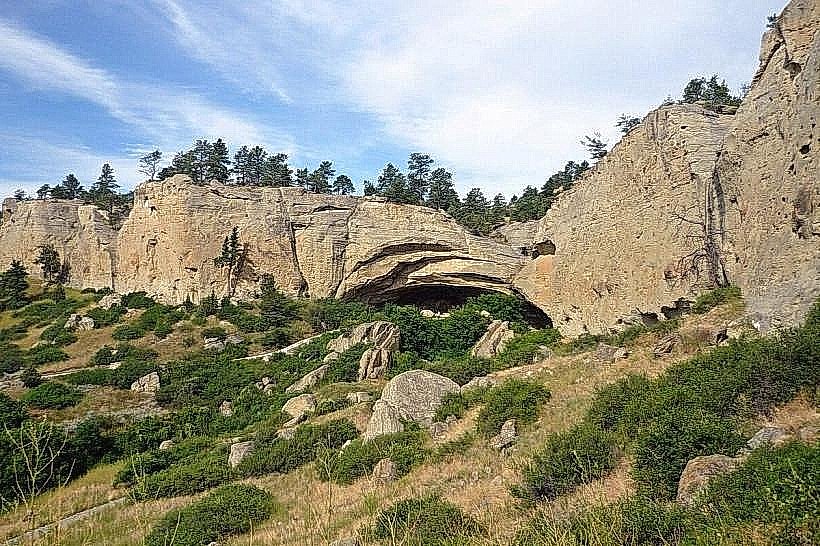
- Pictograph Cave State Park: 6.2km South