Information
Landmark: Yellowstone River TrailCity: Billings
Country: USA Montana
Continent: North America
Yellowstone River Trail, Billings, USA Montana, North America
The Yellowstone River Trail is a public pathway located in Billings, Montana, USA, following the course of the Yellowstone River.
Visual Characteristics
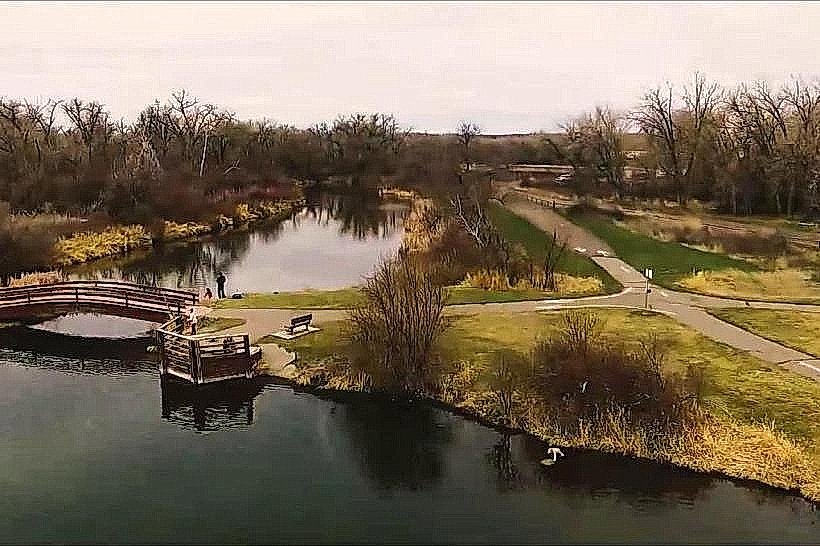
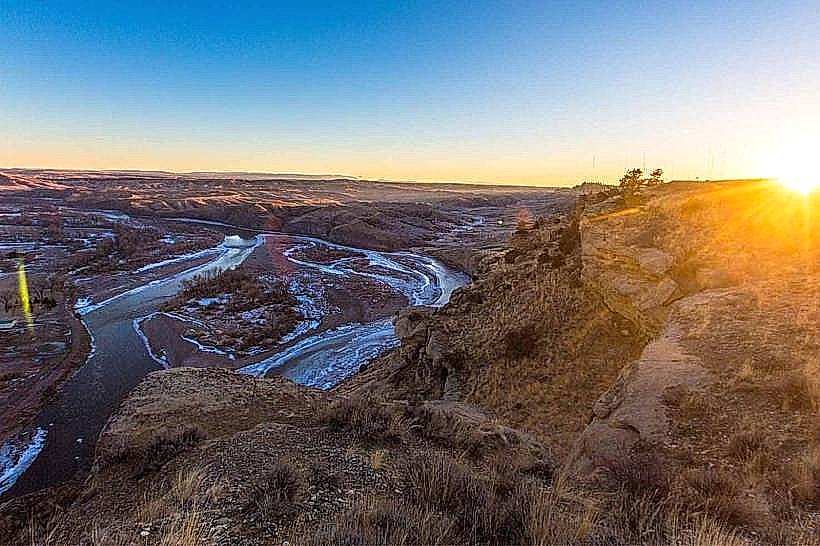
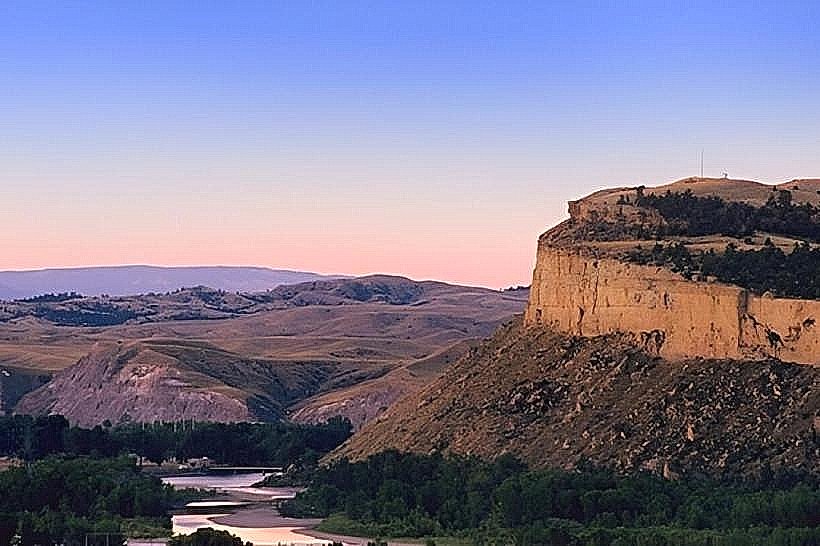
The trail consists of paved asphalt sections and unpaved gravel paths. It runs adjacent to the Yellowstone River, with riparian vegetation including cottonwood trees and various grasses. The river itself is typically brown or tan in color due to sediment load. The terrain is generally flat with some gentle undulations.
Location & Access Logistics
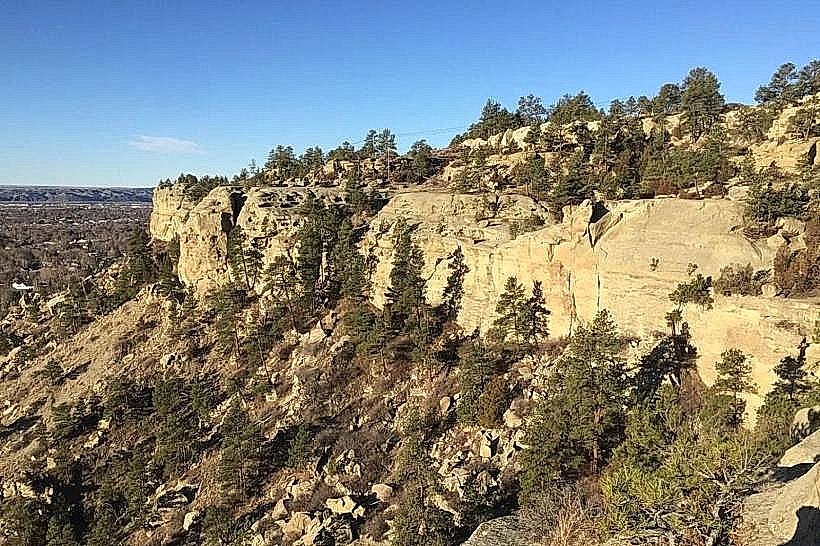
The trail can be accessed from multiple points within Billings. A primary access point is near the Rimrocks, approximately 3km North of the city center. Parking is available at designated trailheads, such as the one at Riverfront Park. Public transport options are limited; the closest bus routes stop several kilometers from major access points.
Historical & Ecological Origin
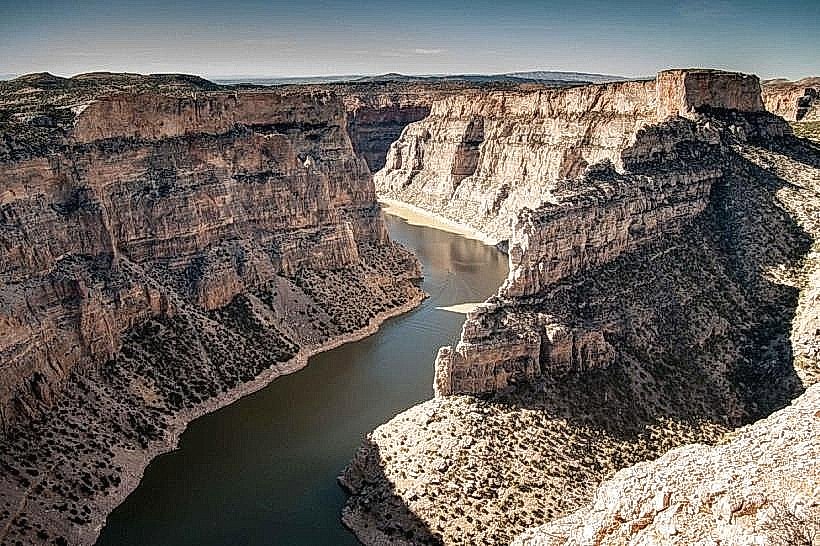
The Yellowstone River is a tributary of the Missouri River, originating in the Rocky Mountains of Wyoming. The trail follows the natural course of the river, which has been shaped by geological processes over millennia. The riparian ecosystem is a result of the river's consistent water flow and fertile floodplains.
Key Highlights & Activities
Activities include walking, jogging, and cycling. Birdwatching is possible due to the presence of riparian species. Fishing is permitted in designated areas along the riverbank, subject to Montana fishing regulations. Observation of river flow and surrounding natural features is a primary activity.
Infrastructure & Amenities
Restrooms are available at Riverfront Park and other designated park areas along the trail. Shade is provided by mature trees in certain sections. Cell phone signal (4G/5G) is generally available along most of the trail. Food vendors are not typically present directly on the trail but are available in nearby park facilities or commercial areas.
Best Time to Visit
For photography, early morning or late afternoon offers optimal lighting conditions. The best months for comfortable outdoor activity are May through October, avoiding extreme winter temperatures. No specific tide requirements apply.
Facts & Legends
The Yellowstone River is named for the yellow rocks found in its upper reaches. A historical oddity is the presence of remnants of old irrigation ditches along parts of the trail, dating back to early agricultural attempts in the region.
Nearby Landmarks
- Rimrocks (1.5km North)
- Riverfront Park (0.8km West)
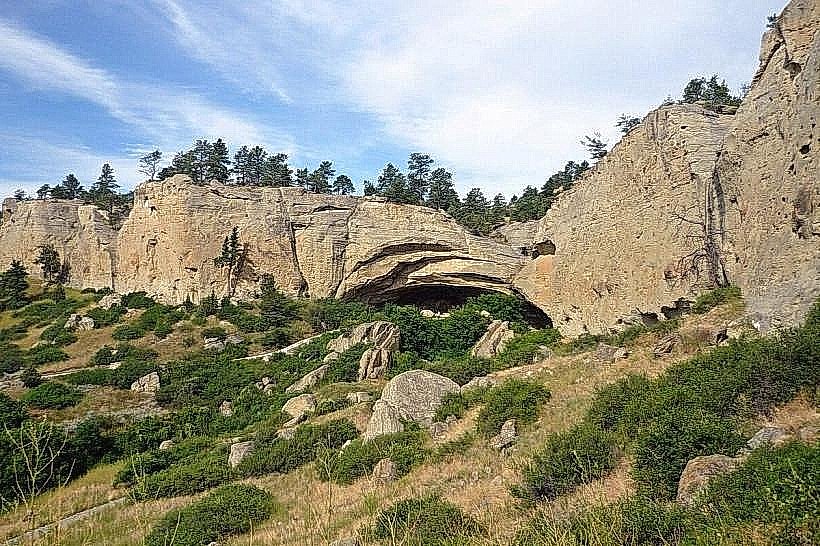
- Pictograph Cave State Park (4.2km Southwest)
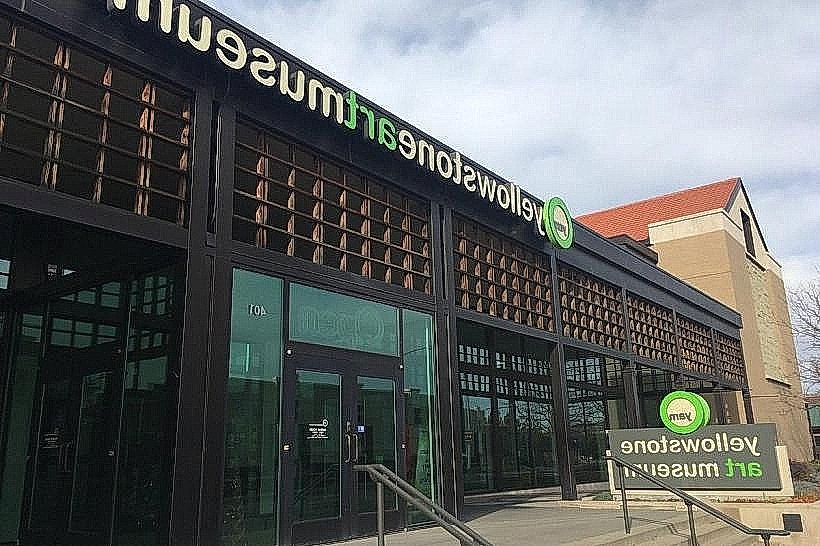
- Yellowstone Art Museum (3.5km West)