Information
Landmark: Four Dances Natural AreaCity: Billings
Country: USA Montana
Continent: North America
Four Dances Natural Area, Billings, USA Montana, North America
Four Dances Natural Area is a protected region located along the Yellowstone River in Billings, Montana, USA.
This area preserves a segment of the Yellowstone River ecosystem and its associated riparian habitats.
Visual Characteristics
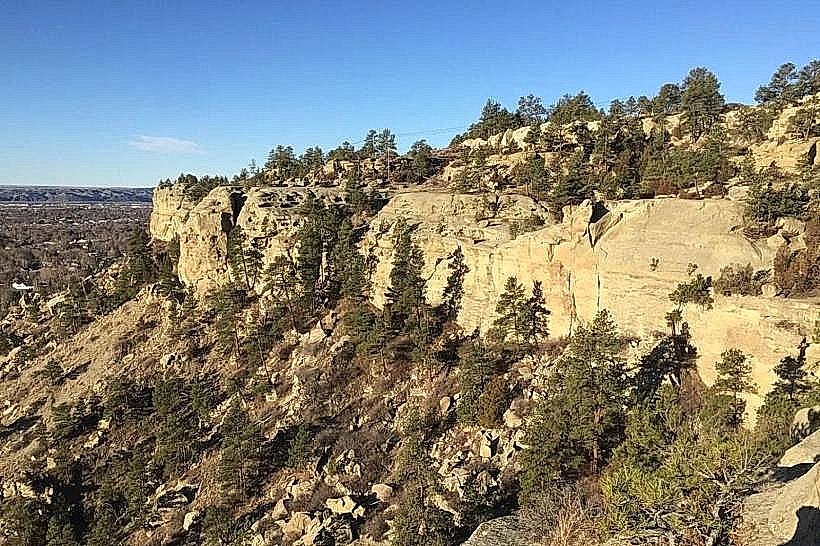
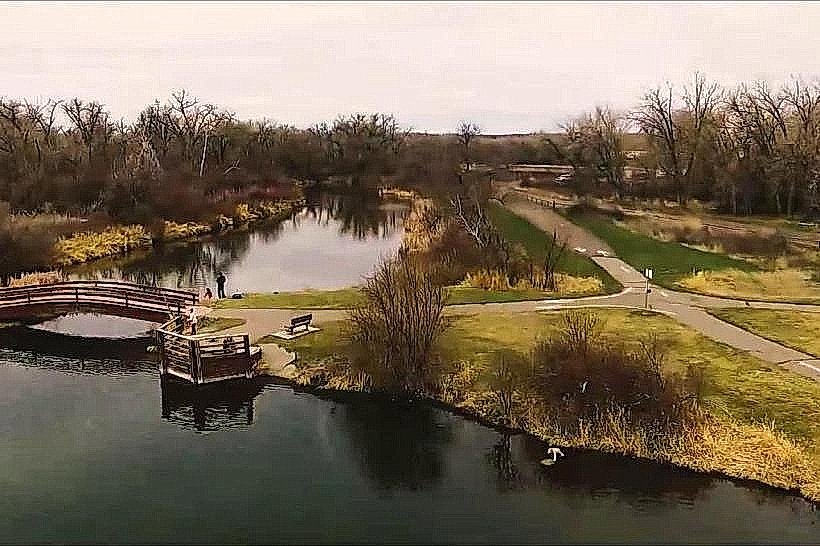
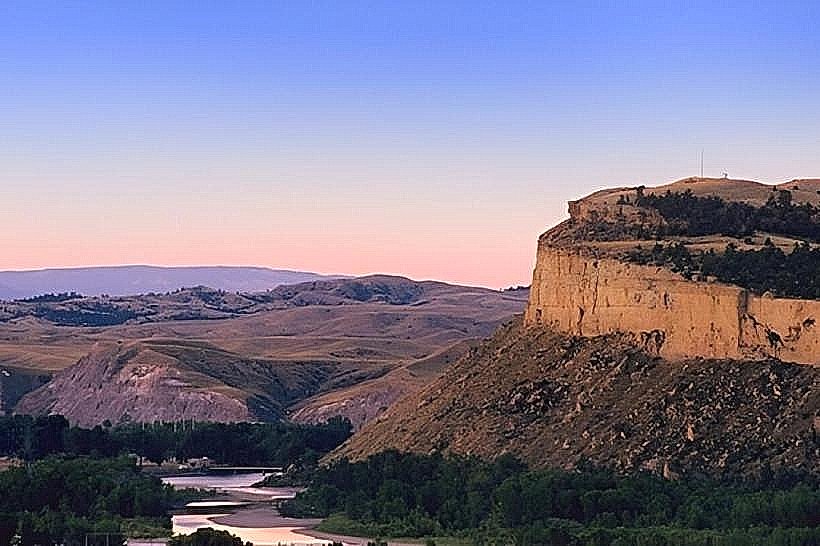
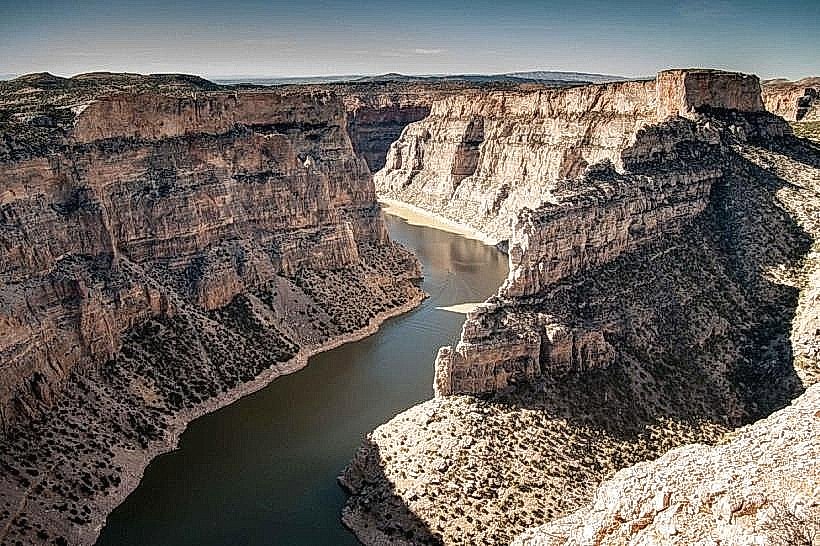
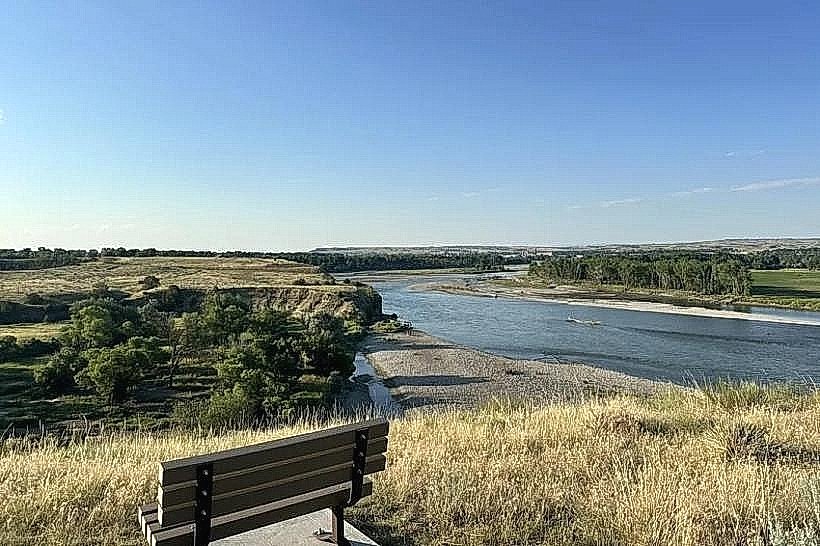
The landscape consists of the Yellowstone River, characterized by its silty, brown water. Adjacent to the river are riparian zones with cottonwood trees and various shrubs. The terrain includes gravel bars, sandy banks, and some low bluffs. Elevation changes are gradual along the river corridor.
Location & Access Logistics
Four Dances Natural Area is situated approximately 8 kilometers (5 miles) west of downtown Billings. Access is via River Road, which runs parallel to the Yellowstone River. Turn off from US Highway 12 onto River Road. Parking is available at designated pull-offs along River Road. No public transport services operate directly to the natural area.
Historical & Ecological Origin
The Yellowstone River is a natural waterway, historically shaped by glacial meltwater and sediment deposition. The riparian ecosystem is a result of natural river processes, supporting a diverse plant and animal community adapted to the riverine environment. The area's designation as a natural area aims to protect these ecological processes.
Key Highlights & Activities
Activities include wildlife observation, bird watching, and nature photography. Kayaking and canoeing are possible on the Yellowstone River, dependent on river flow conditions. Hiking is permitted on informal trails along the riverbanks.
Infrastructure & Amenities
There are no developed facilities within Four Dances Natural Area. Restrooms, shade, and food vendors are not present. Cell phone signal (4G/5G) may be intermittent due to the remote nature of the location.
Best Time to Visit
For wildlife viewing, early morning and late afternoon offer increased activity. Spring (April-May) and Fall (September-October) provide moderate temperatures and fewer insects. River conditions for water activities vary significantly with seasonal snowmelt and rainfall.
Facts & Legends
The Yellowstone River is the longest undammed river in North America. Local indigenous tribes have historically utilized the river and its resources for sustenance and travel.
Nearby Landmarks
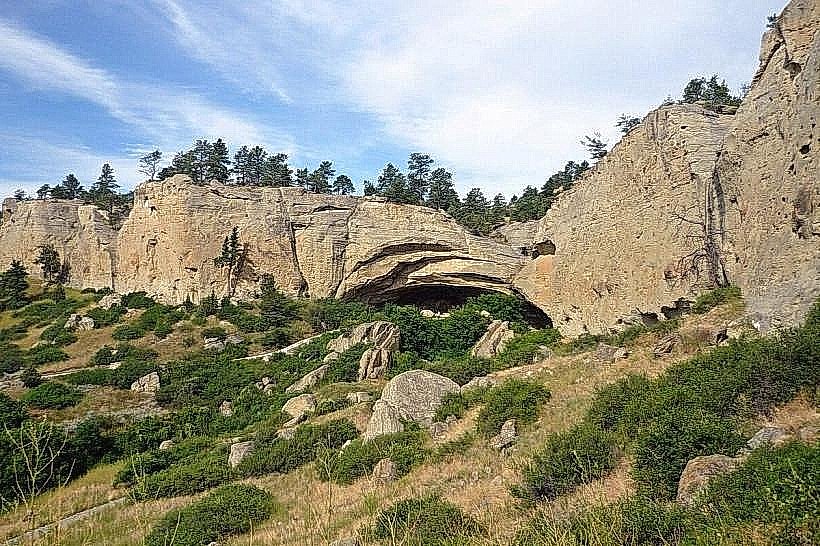
- Pictograph Cave State Park (2.5km East)
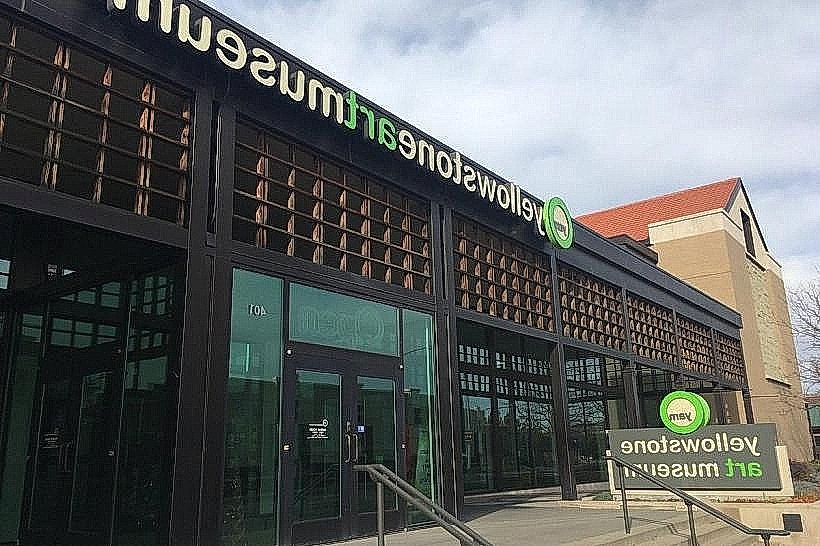
- Yellowstone Art Museum (7km East)
- ZooMontana (8km Southeast)
- Rimrock Mall (9km Southeast)