Information
Landmark: Moss Mansion MuseumCity: Billings
Country: USA Montana
Continent: North America
Moss Mansion Museum, Billings, USA Montana, North America
The Moss Mansion Museum is a historic house located in Billings, Montana, USA. It is a preserved example of early 20th-century architecture and lifestyle.
Visual Characteristics
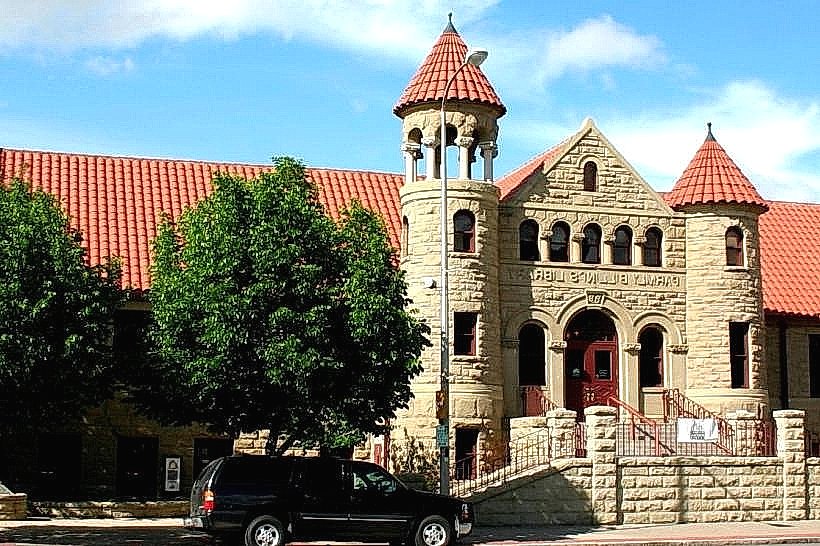
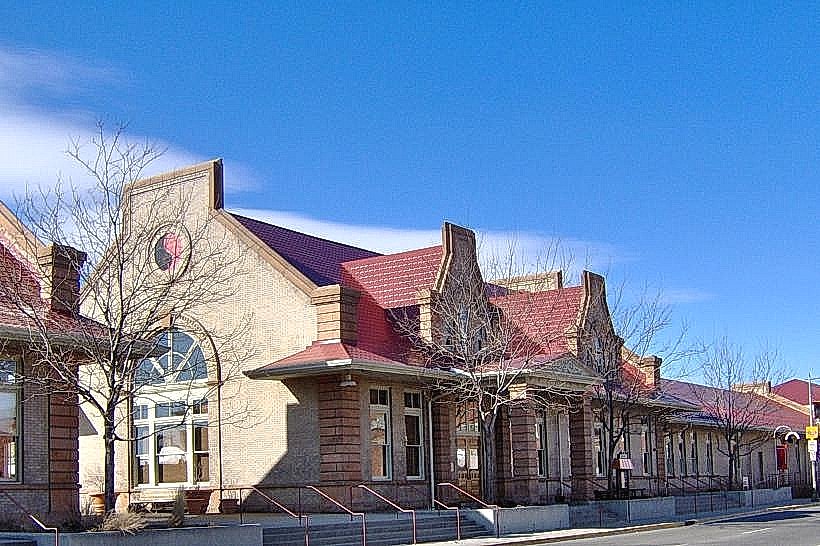
The mansion is a three-story structure constructed primarily of red brick with sandstone accents. It features a prominent wraparound porch supported by Doric columns. The roofline is characterized by multiple gables and dormer windows. Architectural style is predominantly Beaux-Arts with Queen Anne influences.
Location & Access Logistics
The Moss Mansion Museum is situated at 111 North 32nd Street in Billings, Montana. It is approximately 1.5 miles (2.4 km) east of the downtown Billings core. On-site parking is available for visitors. Public transport options include the Billings MET Transit bus system; Route 1 stops within a 0.2-mile (0.3 km) walk of the museum.
Historical & Ecological Origin
Construction of the Moss Mansion was completed in 1903. It was designed by architect George H. Hancock for businessman and rancher Preston B. Moss. The original purpose was to serve as a private residence for the Moss family.
Key Highlights & Activities
Guided tours of the mansion's interior are offered daily. These tours focus on the architecture, furnishings, and the history of the Moss family. Special event programming, including holiday tours and historical reenactments, occurs seasonally.
Infrastructure & Amenities
Restrooms are available on the ground floor. Limited shaded areas are present on the porch. Cell phone signal (4G/5G) is generally reliable within the museum building and on the grounds. No on-site food vendors are present, but dining options are available within a 0.5-mile (0.8 km) radius.
Best Time to Visit
For optimal interior lighting and photography, morning hours (9:00 AM - 11:00 AM) are recommended. The best months for visiting are typically May through October, offering pleasant outdoor conditions for arrival and departure. No specific tide requirements apply.
Facts & Legends
A notable feature of the mansion is its original electrical system, which was one of the first in Billings. Local lore suggests that the ghost of Preston B. Moss can sometimes be observed in the study.
Nearby Landmarks
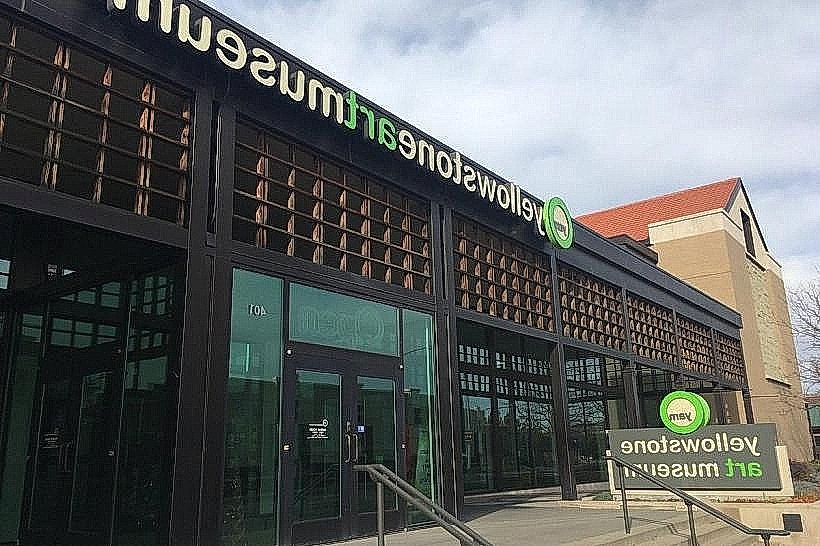
- Yellowstone Art Museum, 1.2km West
- Dehler Park, 1.0km Southwest
- Rimrock Mall, 3.5km South
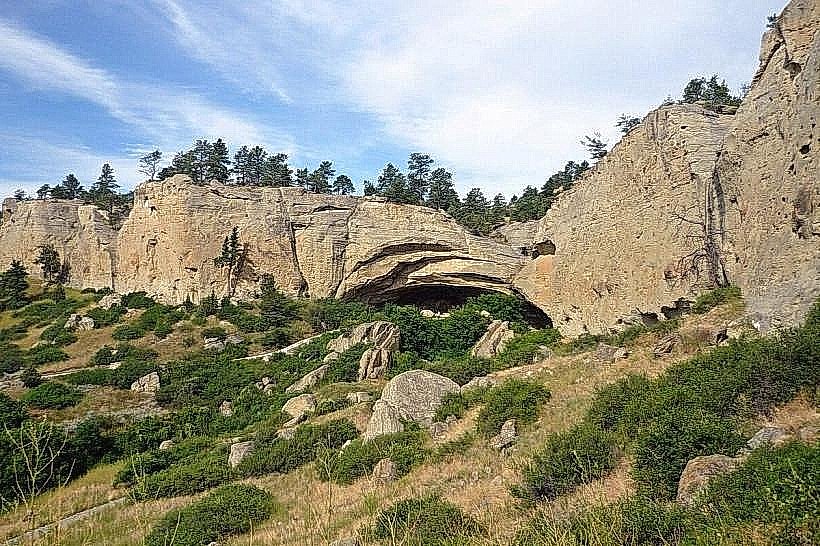
- Pictograph Cave State Park, 4.8km Southwest