Information
Landmark: Duluth DepotCity: Duluth
Country: USA Minnesota
Continent: North America
Duluth Depot, Duluth, USA Minnesota, North America
Duluth Depot (St. Louis County Depot) – Duluth, Minnesota
A historic railroad station turned vibrant cultural hub, reflecting Duluth’s rich transportation heritage and serving as a center for arts, history, and community events.
1. Historical Background and Significance
Constructed in 1892, the Duluth Depot was built to serve as the primary railroad terminal for Duluth and the surrounding region. It was a key facility for several major railroads, including the Duluth & Iron Range, Duluth, Missabe & Iron Range, and the Northern Pacific Railway. At its peak, the depot managed a daily flow of over 5,000 passengers, acting as a critical gateway connecting Duluth to the rest of the country.
The depot’s importance extended beyond passenger traffic. It played a vital role in Duluth’s development as a transportation and industrial hub, facilitating the movement of raw materials-such as iron ore-and finished goods through the Great Lakes and national rail networks.
After rail passenger service ended in 1969, the building faced potential demolition. Thanks to community efforts, it was preserved and adapted for cultural uses, becoming a protected site listed on the National Register of Historic Places in 1971.
2. Architectural Features
Designed by the prominent Boston architectural firm Peabody and Stearns, the Duluth Depot is an outstanding example of the French Norman Revival architectural style, distinguished by:
Materials: The exterior uses local granite, sandstone, and yellow brick, giving the building a solid, timeless appearance that ties it to the region’s natural resources.
Roof and Towers: Steeply pitched roofs with dormers and conical towers lend the depot a castle-like, picturesque silhouette. The distinctive turrets are prominent visual landmarks in Duluth’s downtown skyline.
Ornamental Detailing: Stone carvings, decorative brickwork, and arched windows contribute to the building’s elegant, historic character.
Interior Spaces: The Great Hall, formerly the bustling passenger waiting area, features high ceilings, original woodwork, and large windows flooding the space with natural light. It is now used for community events, performances, and gatherings.
The architecture not only reflects late 19th-century stylistic trends but also symbolizes the economic optimism and civic pride Duluth enjoyed during its industrial heyday.
3. Current Use as a Cultural Center
Today, the Duluth Depot serves as a dynamic multi-purpose cultural complex, hosting a variety of institutions and events that celebrate the region’s heritage and arts scene.
Key components housed within the depot include:
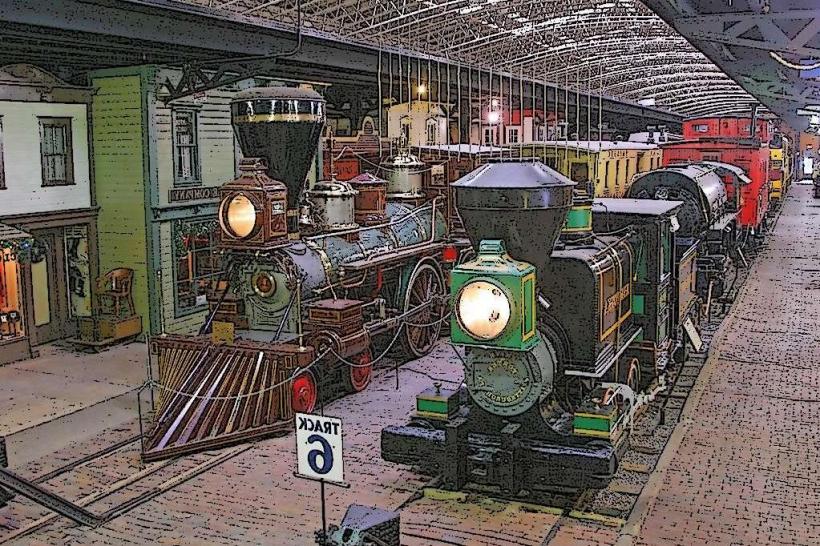
Lake Superior Railroad Museum: Occupying the depot’s platforms and adjacent rail yard, this museum preserves and showcases an extensive collection of historic railroad equipment. The collection includes the William Crooks, Minnesota’s first locomotive, and many other steam and diesel engines, passenger cars, and rail artifacts. The museum offers guided tours, educational programs, and special events focused on railroad history.
Duluth Art Institute: Founded in 1907, the Institute supports and exhibits contemporary visual art from Duluth and the broader Upper Midwest region. It offers gallery exhibitions, artist residencies, and educational workshops, fostering local creativity and cultural exchange.
St. Louis County Historical Society: This museum preserves and interprets the history of St. Louis County, with exhibits covering indigenous cultures, settlement history, industrial development, and notable local figures. It provides a comprehensive understanding of the region’s evolution.
Performing Arts Organizations: The depot is home to several arts groups, including the Duluth Superior Symphony Orchestra, Minnesota Ballet, and Lyric Opera of the North. The historic Great Hall and other spaces within the building serve as venues for concerts, ballets, operas, and community theater productions. This artistic activity enriches Duluth’s cultural life and draws audiences from the region.
4. Visitor Experience
Tours and Exhibits: Visitors can explore the architectural splendor of the depot itself, attend art exhibits, and learn about railroad history in the museum spaces. Periodic guided tours highlight architectural details and the depot’s historical context.
Events and Performances: The Great Hall and other event spaces are regularly used for concerts, weddings, lectures, art openings, and festivals, making the depot a lively gathering place year-round.
Educational Programs: The site offers workshops, school tours, and public lectures to engage diverse audiences with Duluth’s history and the arts.
5. Location and Access
Address: 506 West Michigan Street, Duluth, MN 55802
Located in downtown Duluth near the waterfront and Canal Park, the depot is easily accessible by car, public transit, and on foot from major tourist attractions.
Parking is available nearby, with some event parking in the adjacent lots.
6. Hours and Admission
Hours: Generally open daily from 10:00 AM to 5:00 PM, though hours may vary for special events.
Admission: Entry to the depot and its galleries is typically free, with donations appreciated. Some museums and performances hosted inside may charge separate admission fees.
The site welcomes visitors year-round, offering an accessible venue for both locals and tourists interested in history and the arts.
7. Summary
The Duluth Depot stands as a testament to Duluth’s vital role in regional transportation history and as a beacon of cultural life in the city today. Its distinctive architecture, combined with its adaptive reuse as a multi-institutional arts and history center, preserves and celebrates the city’s industrial past while nurturing its creative future. The depot remains a must-visit landmark for those seeking to understand Duluth’s heritage and experience its vibrant cultural scene.